A neoclassical residence of the first half of the 19th century, with a columned portico and a park of over 16 hectares with ancient oaks; under restoration since 2025 and open only during events.
A Renaissance castle from 1624 with a square courtyard, round corner bastions and a gate tower bearing the Bethlen arms, in the centre of Racoș, ~60 km from Brașov.
A 16th-century Renaissance castle in the centre of Dumbrăveni, home of Prince Mihai Apafi I; today partly ruined, it houses a collection on Transylvanian Armenians and is due to be restored.
A Baroque castle of the Bánffy family, reopened in September 2026 after a restoration costing over two million euros: exhibitions on ethnography, the family and the poet János Arany, plus a wine exhibition in the cellar.
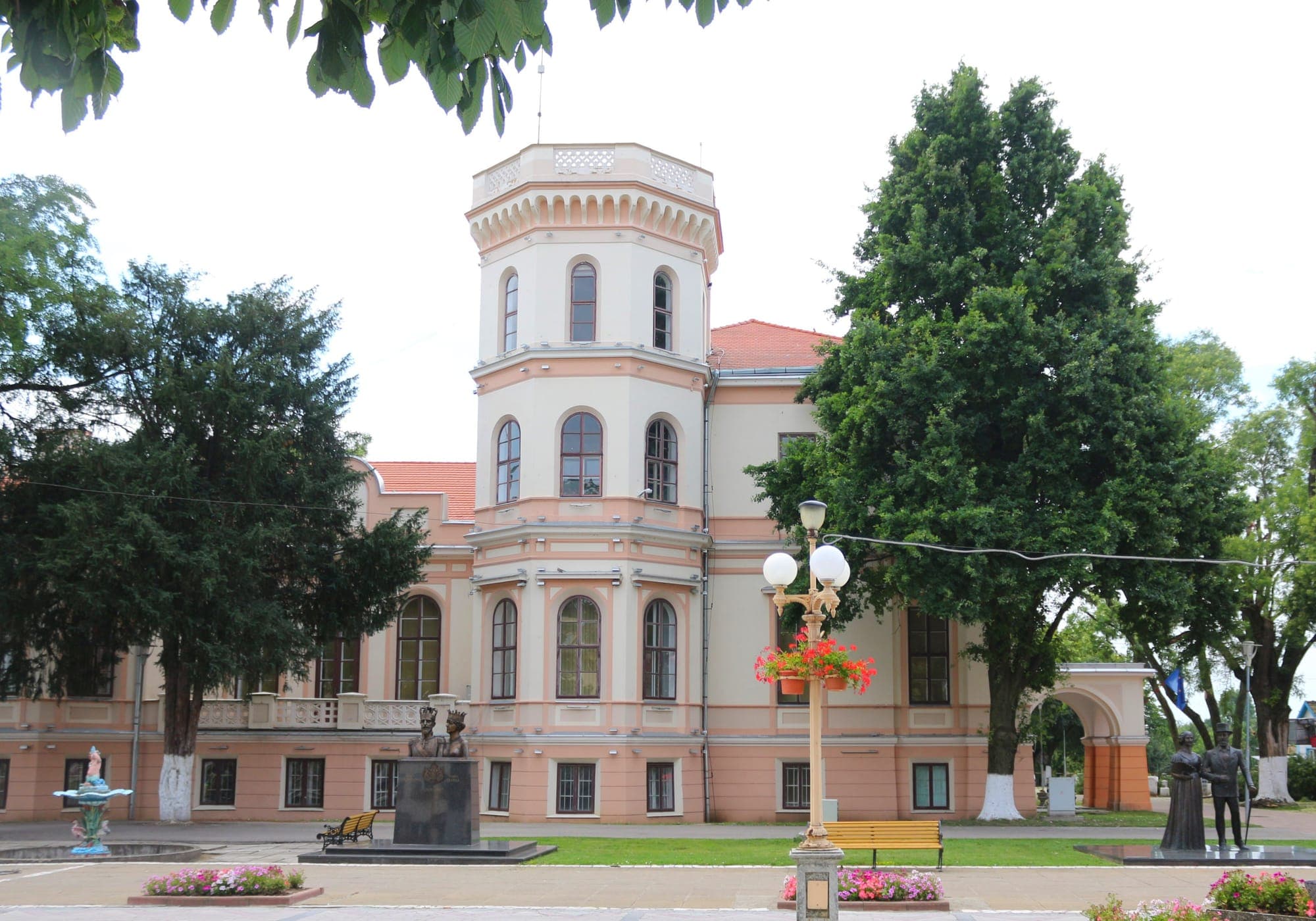
An eclectic manor on a hill near Aiud, with an octagonal tower and a Baroque gable, restored by Alba County Council and now a cultural centre, open to visitors during events.
A Baroque manor house of the second half of the 18th century in the centre of Beclean, with a vaulted gate and a coat of arms dated 1768; today it houses the Agricultural Technological High School.
A Late Baroque palace built by Ban Grigore Brâncoveanu around 1800, on the site of Constantin Brâncoveanu's earlier residence; closed today, it can be seen from outside in the village of Sâmbăta de Sus.
The 1833–1835 palace near University Square, one of Bucharest's oldest aristocratic residences, houses the permanent exhibition “Time of the City”, on the history of the capital.
The museum in the Jean Mihail Palace, built in 1898–1907 to plans by Paul Gottereau, holds six works by Brâncuși, including “The Kiss”, as well as Romanian and European art.
The aristocratic residence of 1892 on Calea Victoriei, with a mansard roof and eclectic decoration, houses the Museum of Ages, on home and family life in Bucharest over the last 300 years.
The Beaux-Arts palace on Calea Victoriei, built in 1901–1903 for Gheorghe Grigore Cantacuzino, is the seat of the George Enescu National Museum; the building is closed for restoration, but its façade can be seen from the street.
The oldest building in Timișoara, a royal residence in the Middle Ages and the historic home of the Banat Museum; closed for restoration and visible from the outside only.
The manor, family chapel with crypt and park where the statesman Ion Ghica lived and is buried, now being restored by his heirs; open at events or by appointment.
A Neoclassical castle begun in 1864, with a medieval-style tower and 99 rooms, in the town centre; it houses the House of Culture and the "Béla Bartók" Memorial Exhibition.
A Renaissance castle with four round corner towers on a hill above the village of Ozd; it was home to the poet Kata Szidónia Petrőczy and can be visited only by telephone appointment.