A noble manor house in the centre of Ozun village, with a tall double mansard roof, linked to Major Pünkösti Gergely, who announced the end of serfdom in the Three Seats in 1848.
A Late Baroque castle in Sângeorgiu de Pădure, rebuilt in 1807–1809 by Count László Rhédey; today a museum with guided visits about Countess Claudia Rhédey.
A manor of the Karátsonyi family from the 18th century, bought in 1935 by Princess Elisabeth; today a decayed building under stabilisation works, in a park of over 8 hectares.
A neo-Renaissance manor from 1903, hidden in an oak forest near Jibou; owned by Sălaj County Council, temporarily closed and not set up for visitors, so it can only be seen from outside.
The only Moorish-Byzantine castle in Transylvania, with four towers topped by red onion domes, set in a dendrological park of over 150 species; the castle can only be admired from outside.
A Renaissance castle with four round towers, built by the Bethlen family on a hill above the Târnava Mică; today it is the emblem of Jidvei wines and is visited on hourly guided tours.
The seat of the Savings and Consignment Bank on Calea Victoriei, built in 1897–1900 to plans by the French architect Paul Gottereau: a monumental façade, corner cupolas and a central dome of glass and metal.
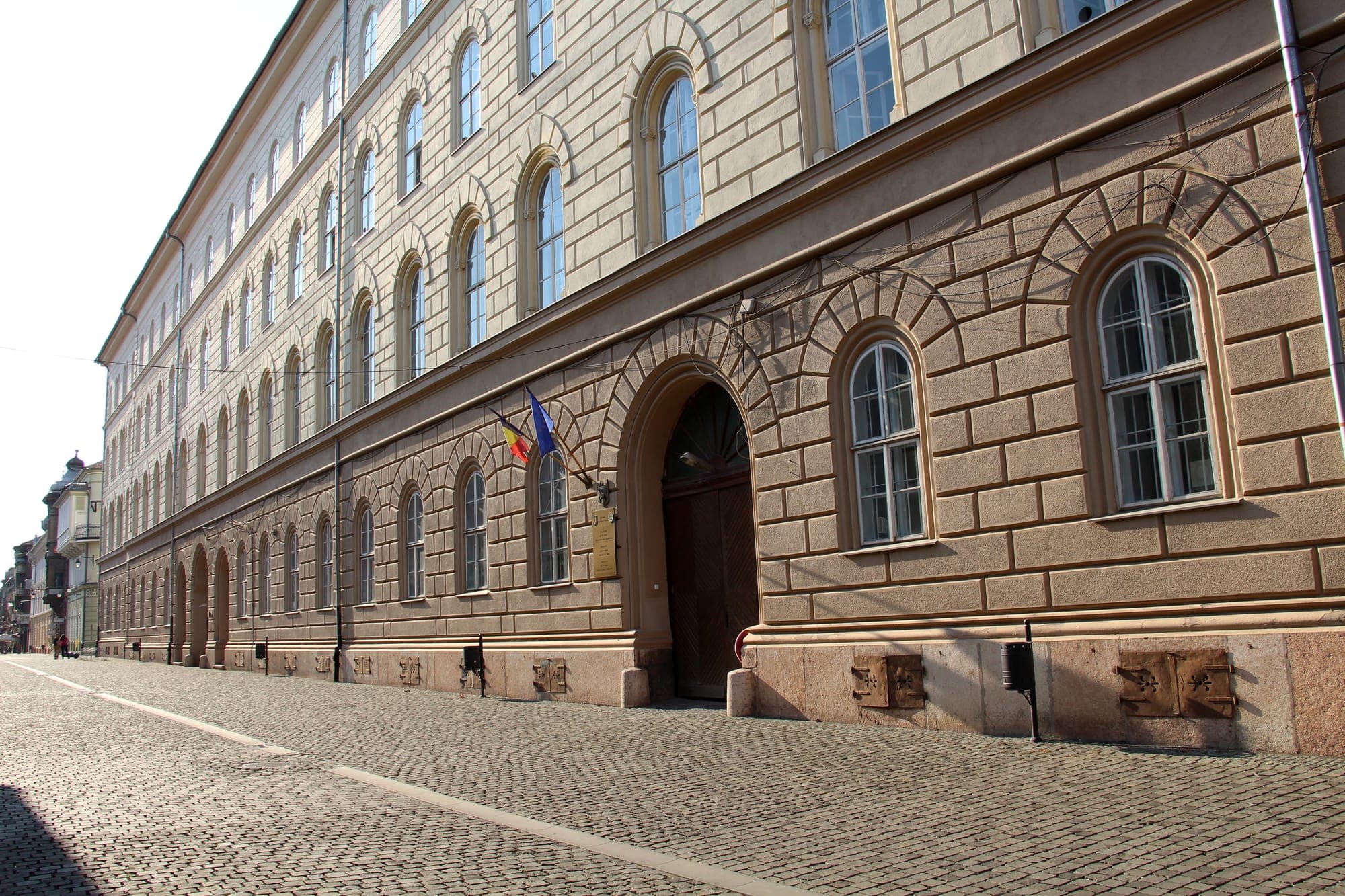
A monumental Neo-Renaissance building in the Cetate district, raised in 1855–1860 for the administration of the Banat; today it houses Timișoara's courts and can be seen from the outside only.
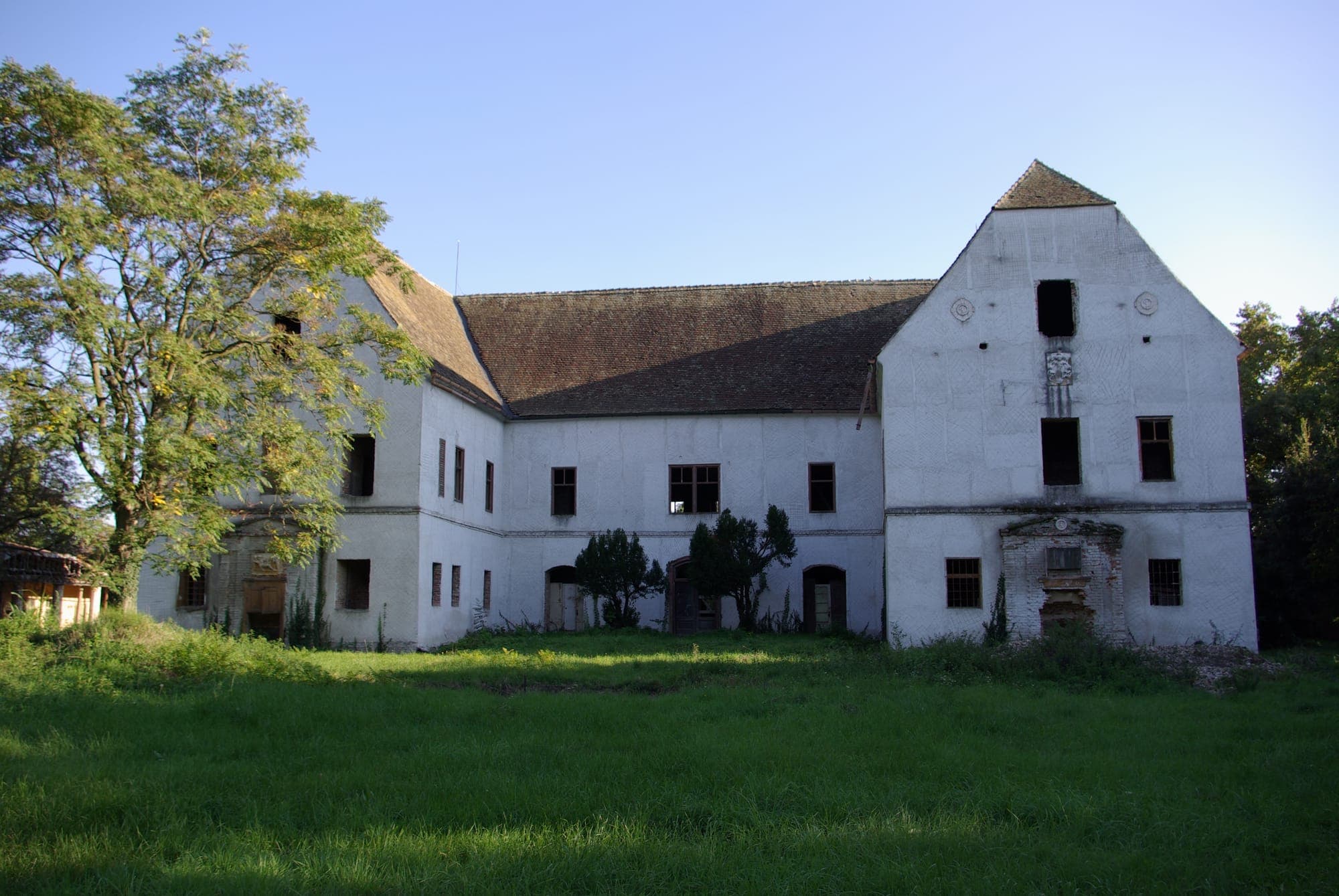
Late Baroque noble residence on the bank of the Arieș, with an L-shaped plan and polygonal corner towers, now a roofless ruin in private ownership with no organised visits.
The Renaissance castle of the Lázár family, with four bastions, a gate tower and walls topped by ornamental crenellations, at the edge of the forest near Gheorgheni; Gabriel Bethlen spent his childhood here.
A 17th-century manor given its present look in 1903, set in a park and home to the Mikes Kelemen museum: four memorial rooms for notable people born in Zagon.
The ensemble at Ciucea, the former manor of the poet Octavian Goga, includes the castle, the White House, the Ady Endre House and the poet's mausoleum; the museum is closed for rehabilitation.
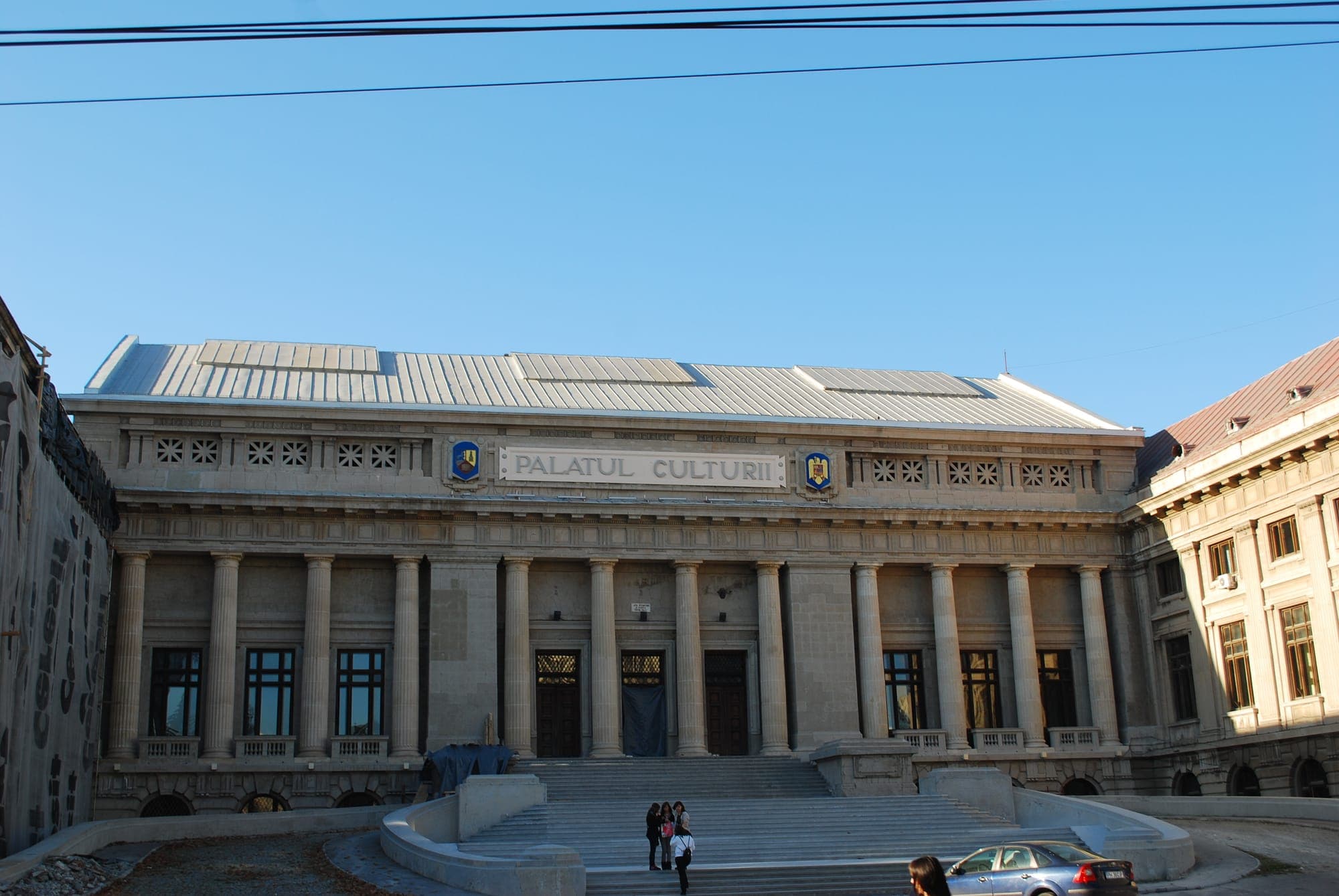
The former Palace of Justice in the centre of Ploiești, inaugurated in 1933, a Neoclassical building with a columned portico; today it houses the Museum of Man, the Aquarium and the “Nicolae Iorga” County Library.
Museums and memorial housesCastles and palacesZoos and aquariums
A masterpiece of Transylvanian Secession architecture, completed in 1913, with a gold-ground mosaic façade, the Hall of Mirrors and its 12 stained-glass windows, a concert hall with an organ and the Mureș County Museum's art galleries.
The seat of the Bucharest Court of Appeal on the bank of the Dâmbovița, built in 1890–1895 to plans by Albert Ballu and Ion Mincu: a stone façade with allegorical statues and a high French-style roof.