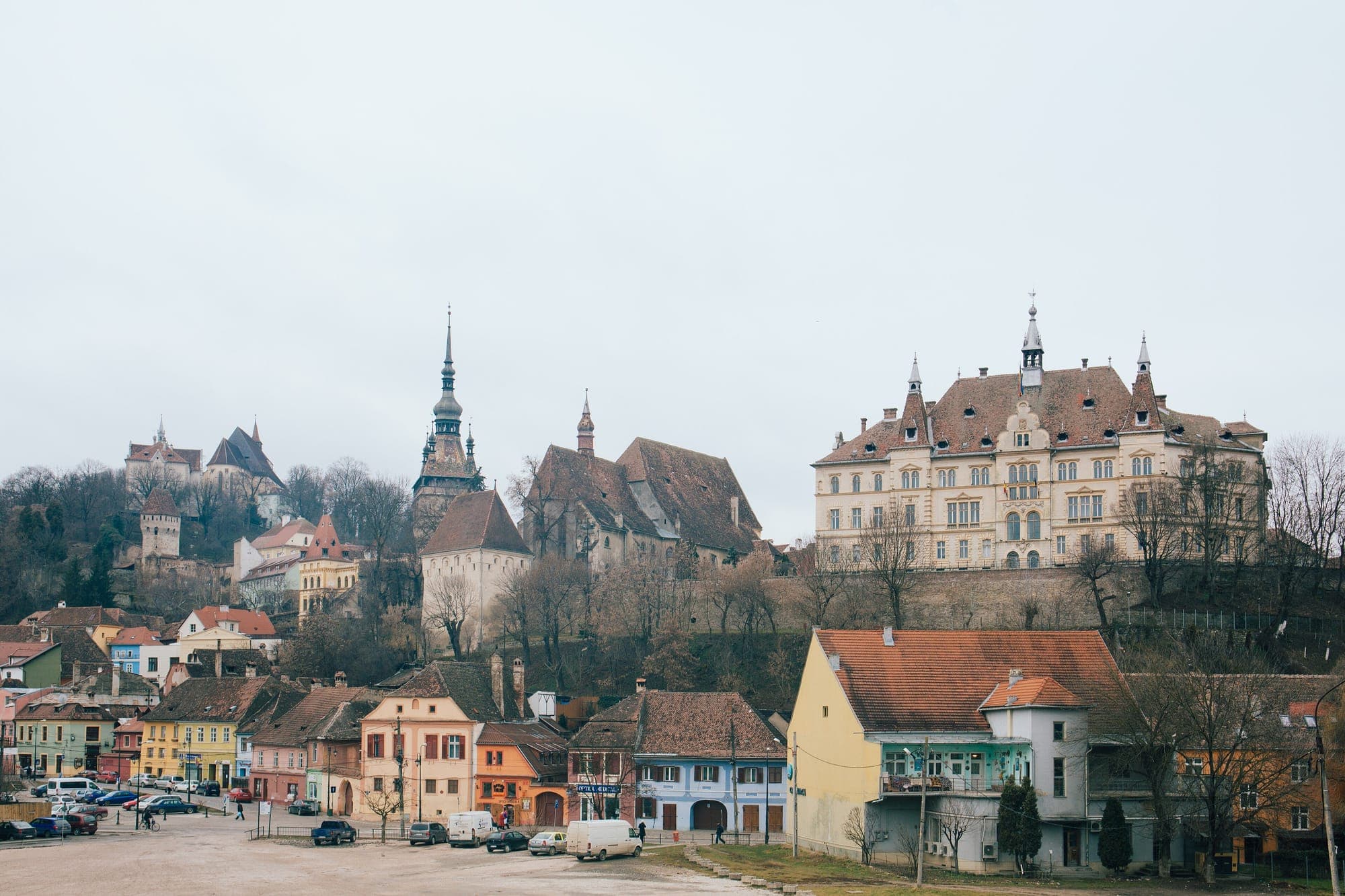
A Saxon-built, still-inhabited medieval walled town on a hill above the Târnava Mare, with guild towers and the famous Clock Tower; a UNESCO World Heritage Site since 1999.
Fortresses and fortificationsMonuments and historic sitesUNESCO
The Saxon church on the hill in the middle of the village, guarded by three rings of walls and towers; inside, Romania's largest polyptych altarpiece and a door with a lock from 1515.
Monasteries and churchesFortresses and fortificationsUNESCO
The capital of the Dacian kingdom, hidden in the beech forests of the Orăștie Mountains: the walls of Decebalus's fortress, the paved road and the sacred area with andesite and limestone sanctuaries, a UNESCO site.
Fortresses and fortificationsMonuments and historic sitesUNESCO
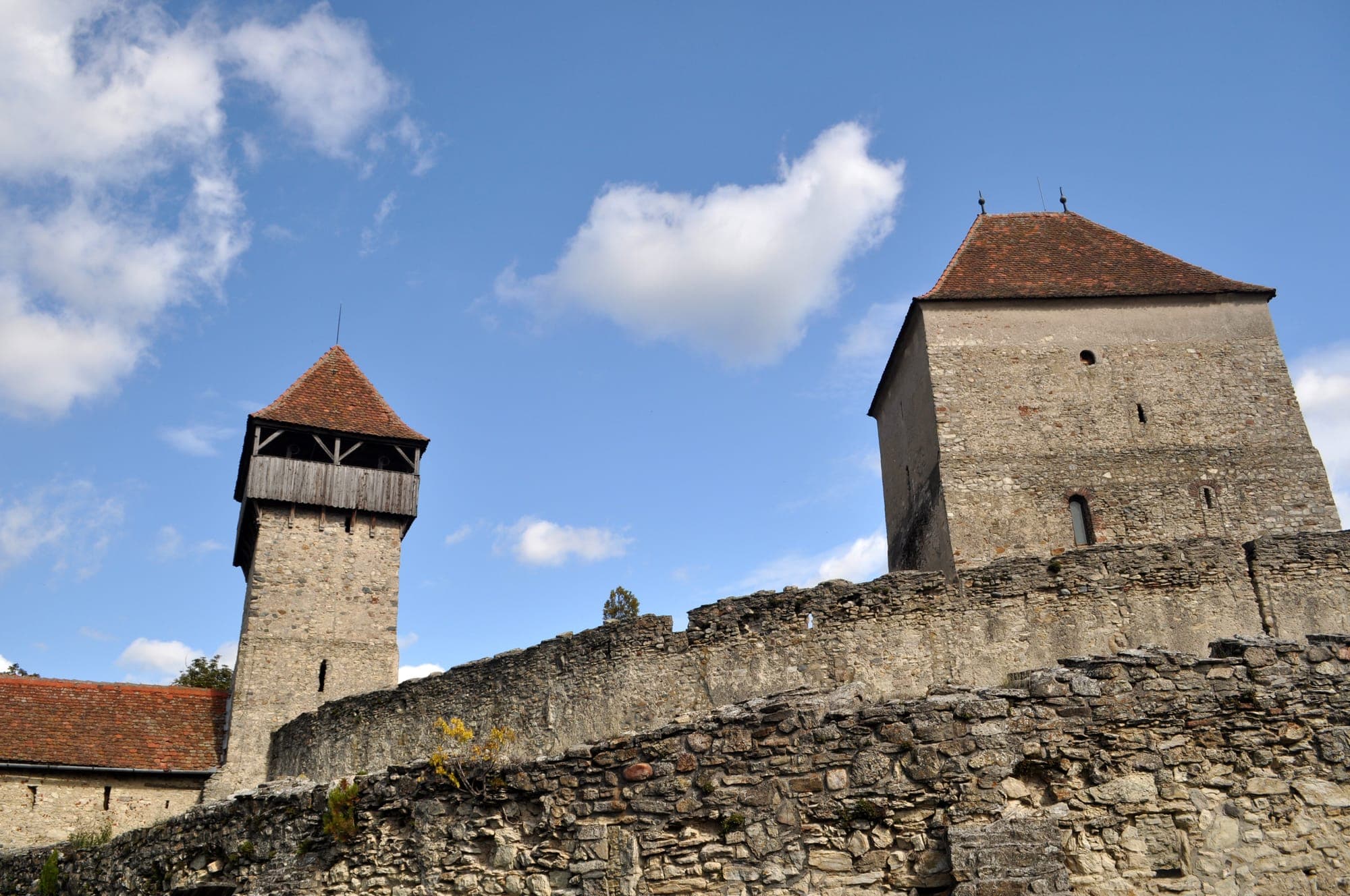
A 13th-century count's residence, bought by the Saxon villagers in 1430 and turned into a peasant fortress: a Romanesque keep, two rings of walls and a chapel, in a valley near Sebeș.
Fortresses and fortificationsMonasteries and churchesUNESCO
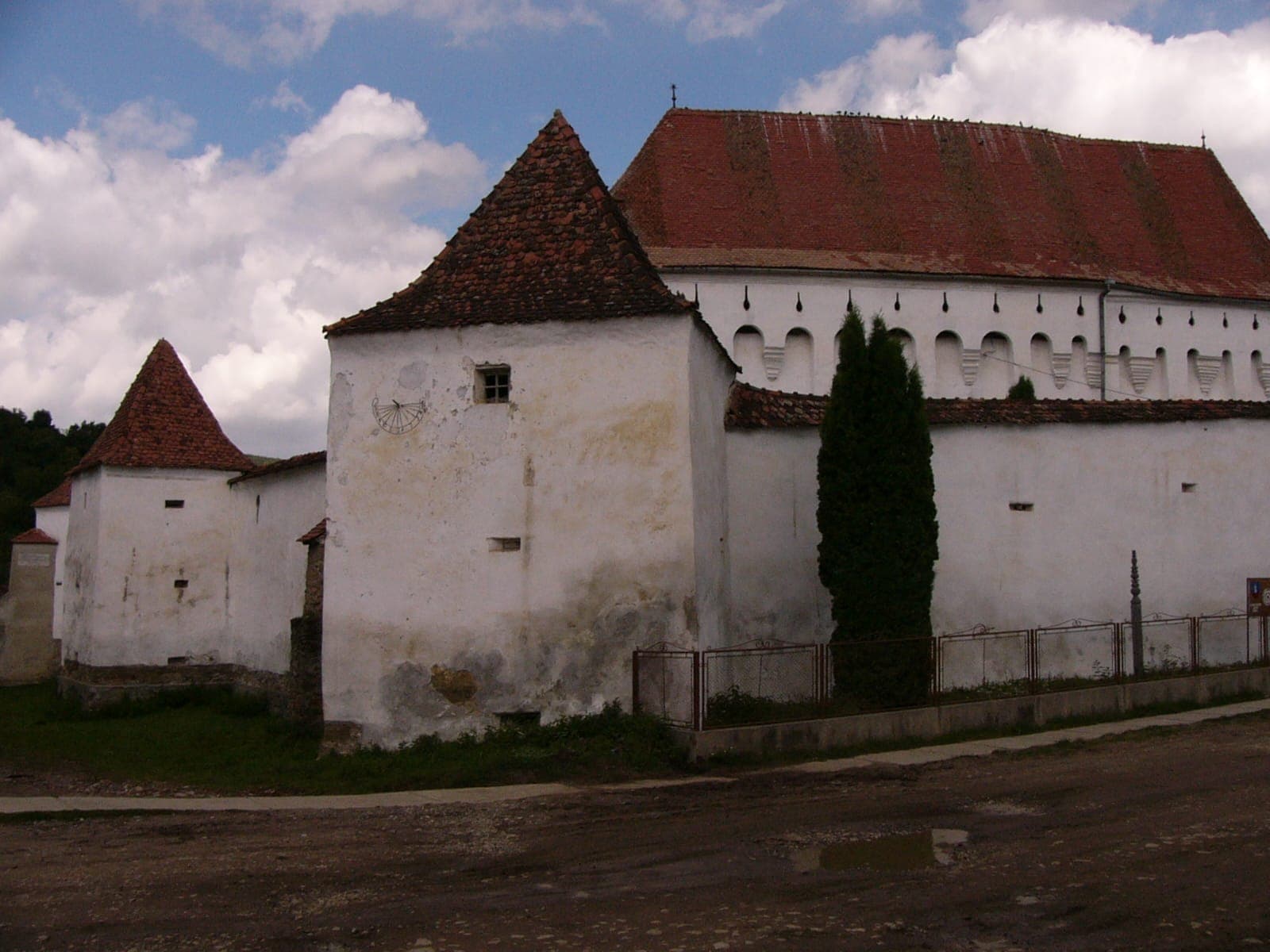
The only Székely and Unitarian church in the UNESCO fortified-church site: a Gothic church with 1419 frescoes of the legend of Saint Ladislaus, whose fortress villagers still use to store their bacon.
Monasteries and churchesFortresses and fortificationsUNESCO
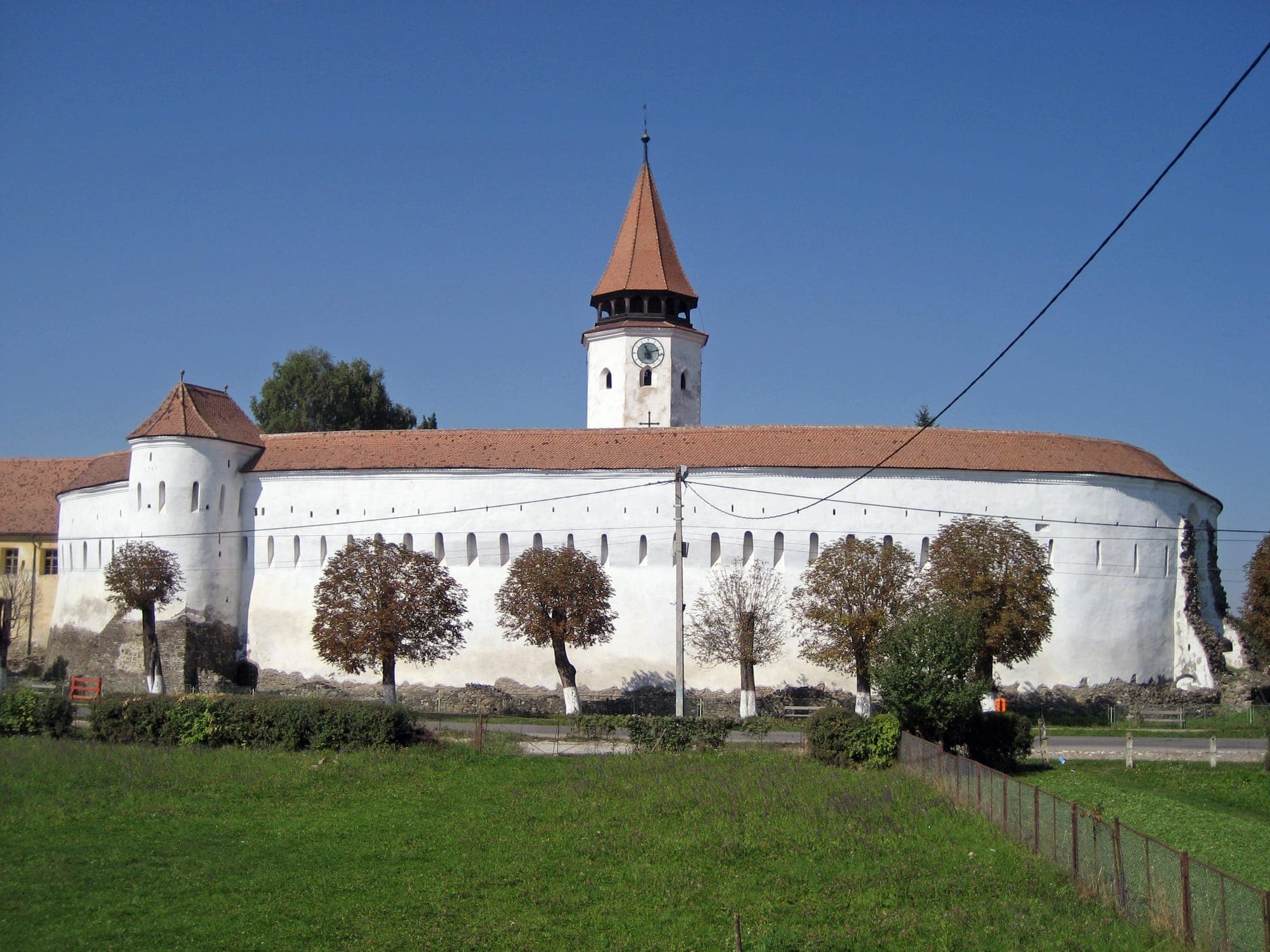
One of the largest Saxon fortified churches: a Gothic church on a cross-shaped plan, ringed by an oval wall with over 270 refuge rooms reached by timber galleries.
Monasteries and churchesFortresses and fortificationsUNESCO
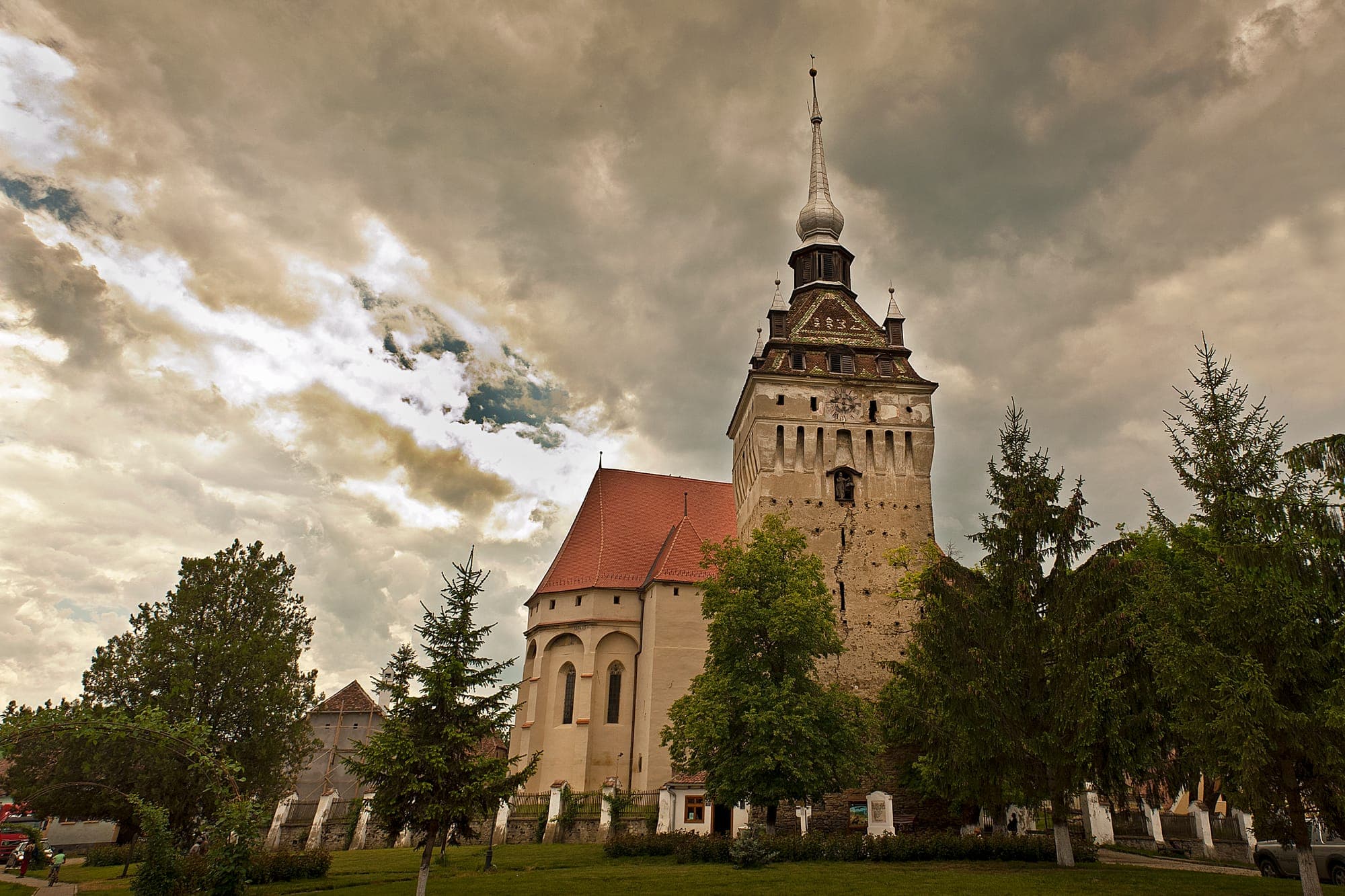
A Late Gothic Saxon church beside the DN13, with a bell tower modelled on Sighișoara's Clock Tower; on the hill above the village stand the walls of a 14th-century peasant fortress.
Monasteries and churchesFortresses and fortificationsUNESCO
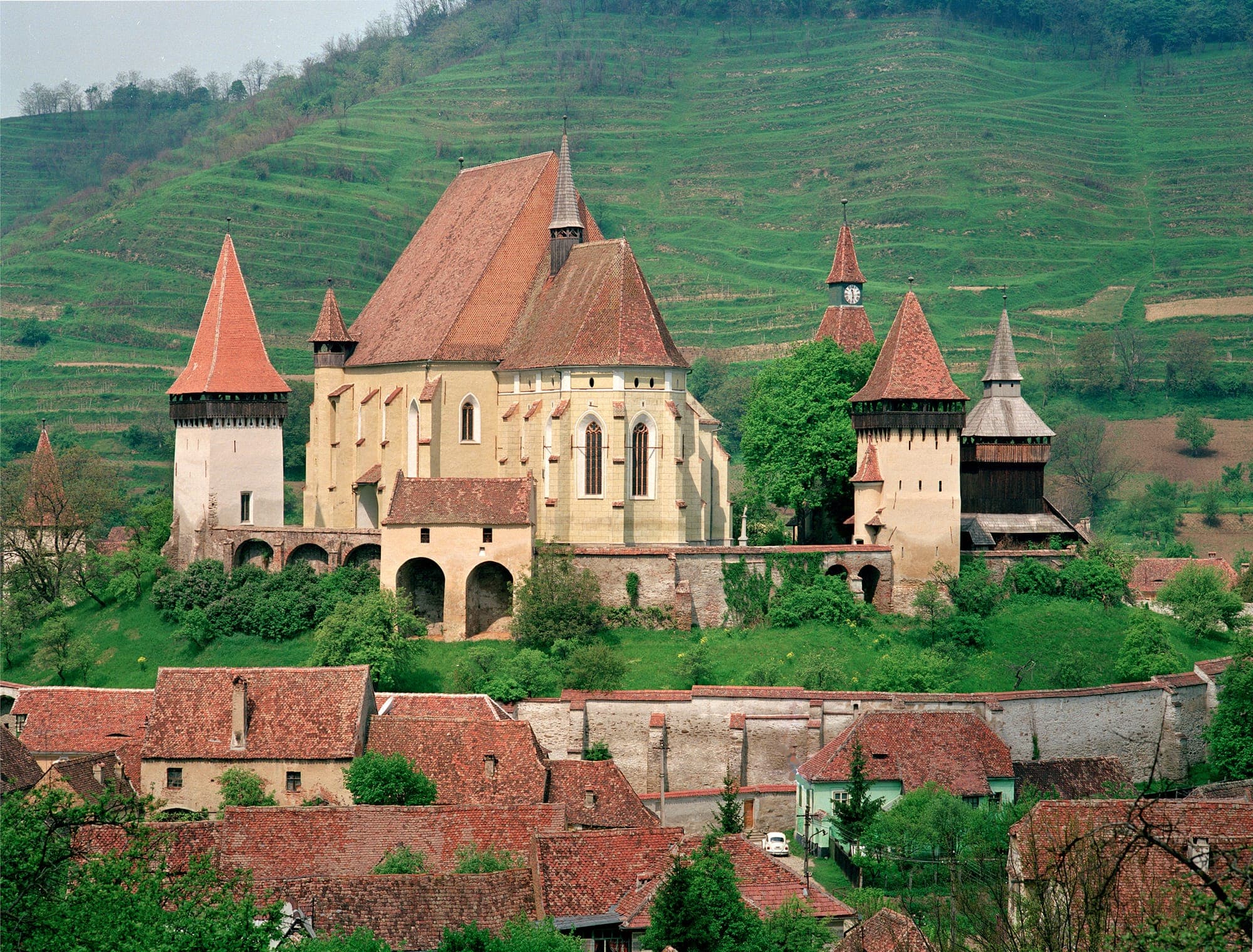
The Saxon church in a vineyard valley near Mediaș, with its choir turned into a defence tower, an almost intact oval wall and a wood-and-iron portcullis that has survived for centuries.
Monasteries and churchesFortresses and fortificationsUNESCO
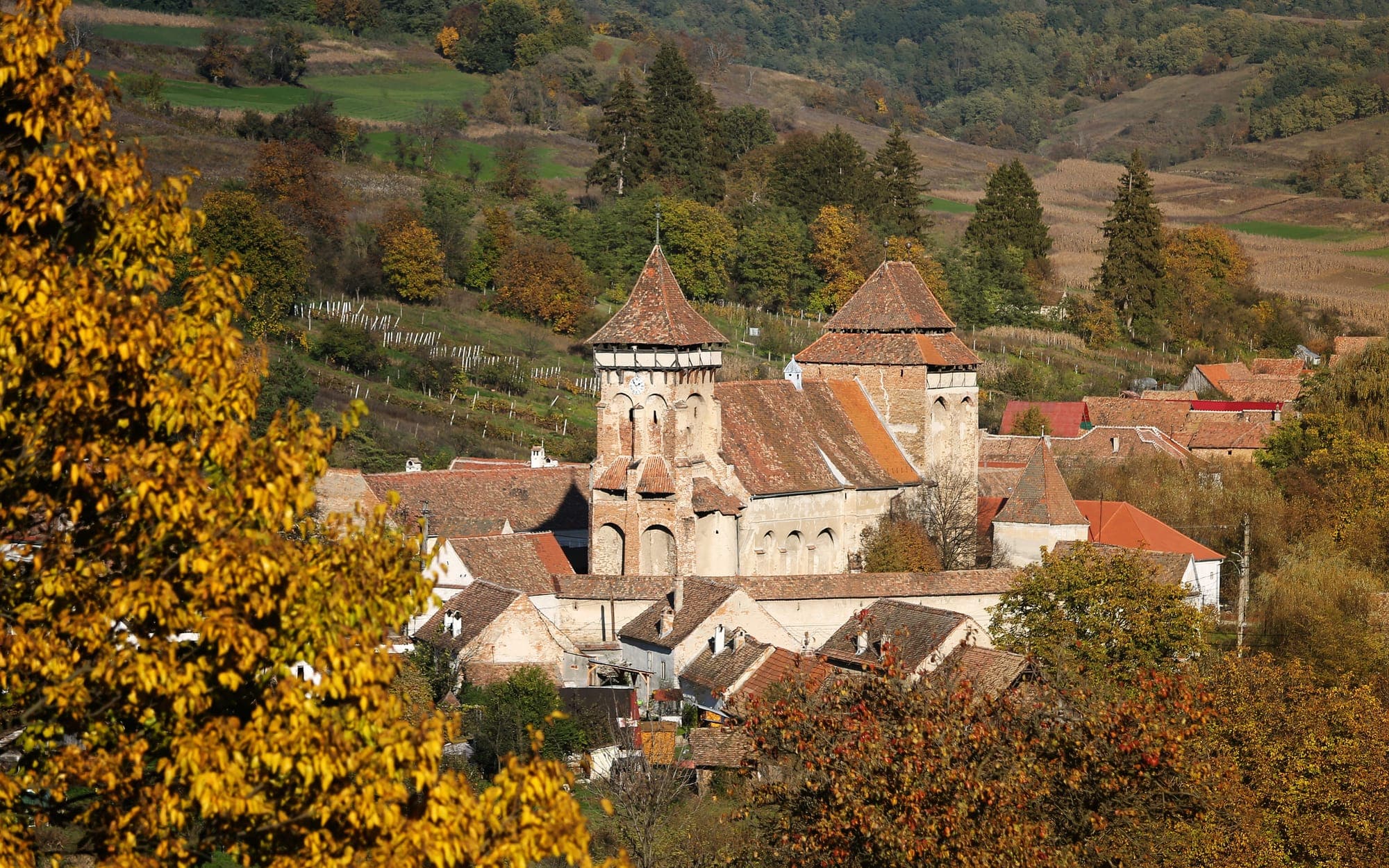
A small white church on the hill above the village, grown from a 12th-century Romanesque chapel and ringed by walls, towers and grain galleries, in a Saxon village that has survived almost intact.
Monasteries and churchesFortresses and fortificationsUNESCO
A Dacian fortress on Cetățuia hill, at the gateway to the Orăștie Mountains: earth ramparts, a stone wall built in the Hellenistic manner, tower houses and temples, a UNESCO site.
Fortresses and fortificationsMonuments and historic sitesUNESCO
The ruins of a Dacian fortress on the rocky summit of Piatra Cetății, above the DN66, which guarded the southern approach to Sarmizegetusa Regia; a UNESCO site, reached only on foot by a steep climb.
Fortresses and fortificationsMonuments and historic sitesUNESCO
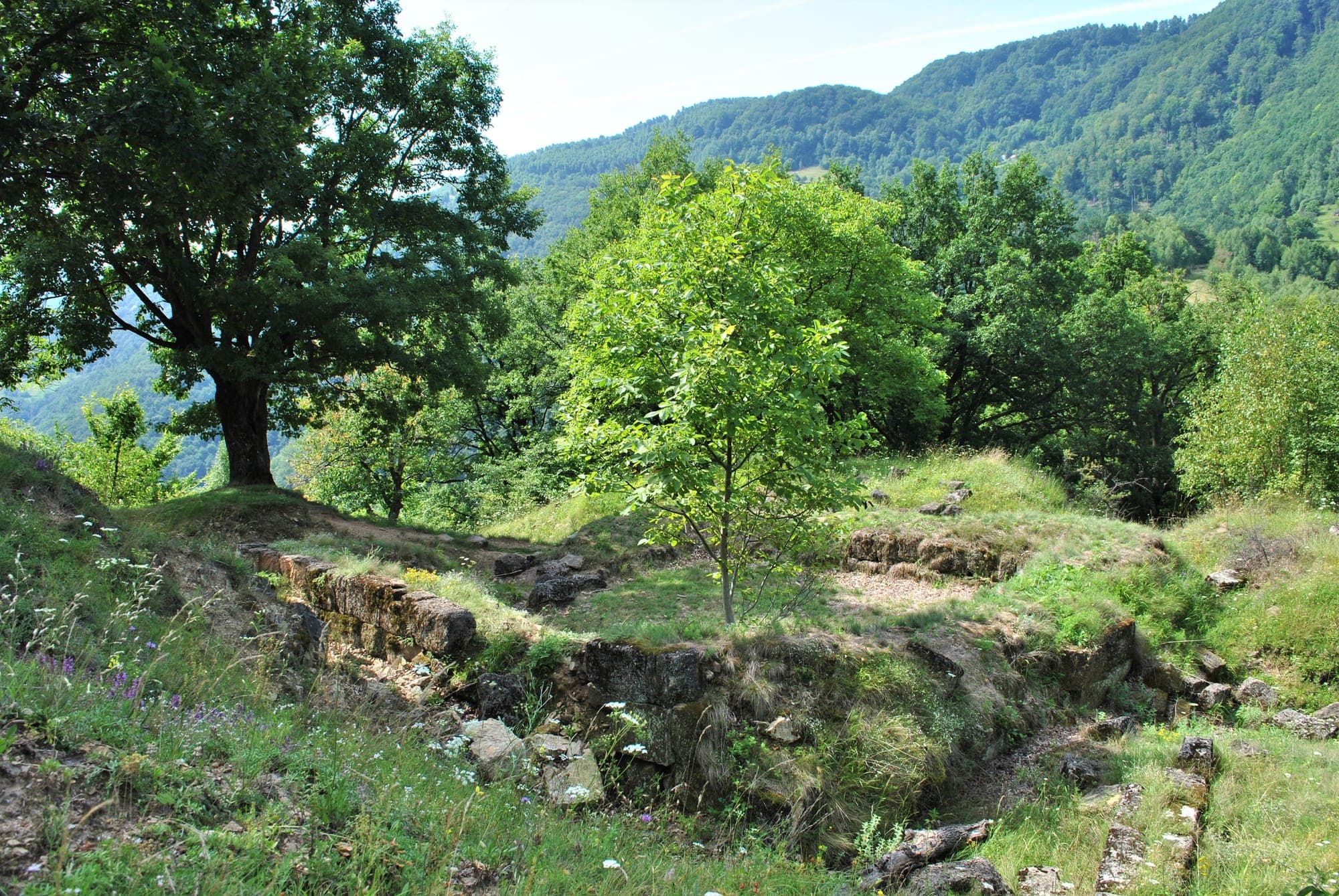
The ruins of a Dacian fortress on a wooded hill above the Sebeș valley: limestone walls in the murus dacicus technique and the base of a tower house, the only Dacian UNESCO site in Alba County.
Fortresses and fortificationsMonuments and historic sitesUNESCO
One of the strongest Dacian fortresses in the Orăștie Mountains: murus dacicus walls, six towers and a dog-leg entrance, on a wooded hill above Costești, a UNESCO site.
Fortresses and fortificationsMonuments and historic sitesUNESCO
A Dacian fortress on top of a rocky hill above Luncani, with an ancient paved road of stone steps and tower ruins hidden in the forest; a UNESCO site, far from the crowds.
Fortresses and fortificationsMonuments and historic sitesUNESCO
The northernmost bastion of Roman Dacia: the fort with its reconstructed gates, the paved imperial road, the civil town and the amphitheatre, on the hills at Moigrad in Sălaj.
Monuments and historic sitesFortresses and fortificationsUNESCO
 Top 20