A 13th-century Romanesque basilica enclosed by 12 m walls with seven towers, with the tallest bell tower in the Burzenland and a chapel of 15th-century Gothic frescoes.
ChurchesFortresses and fortifications
The Baroque Jesuit church on the Grand Square, built in 1726–1733, with the fresco behind the high altar, the 1860 organ and the funerary monument of Marshal Traun.
ChurchesMonuments and historic sites
A Brâncoveanu-style church of exposed brick, built in 1720–1722 on Calea Victoriei near Revolution Square, with an open porch on stone columns, two towers and the original painting in the porch.
ChurchesMonuments and historic sites
A Romanesque brick basilica built in the 13th century by Benedictine monks, with three aisles and two west towers, on a hill above the village.
Churches
The Orthodox church of the Dormition of the Mother of God in Piața Unirii, built in 1784–1790 and known for the globe in its tower that shows the phases of the Moon, in a mechanism of 1793.
ChurchesMonuments and historic sites
The church built in 1654–1658 on Metropolitan Hill, a patriarchal cathedral since 1925, with the relics of Saint Demetrius the New and a Brâncoveanu bell tower from 1698.
ChurchesMonuments and historic sites
An Orthodox church in Sector 2, built in 1910–1918 to plans by Cristofi Cerchez, with a porch on eight columns, two towers and interior painting redone after the 1977 earthquake.
ChurchesMonuments and historic sites
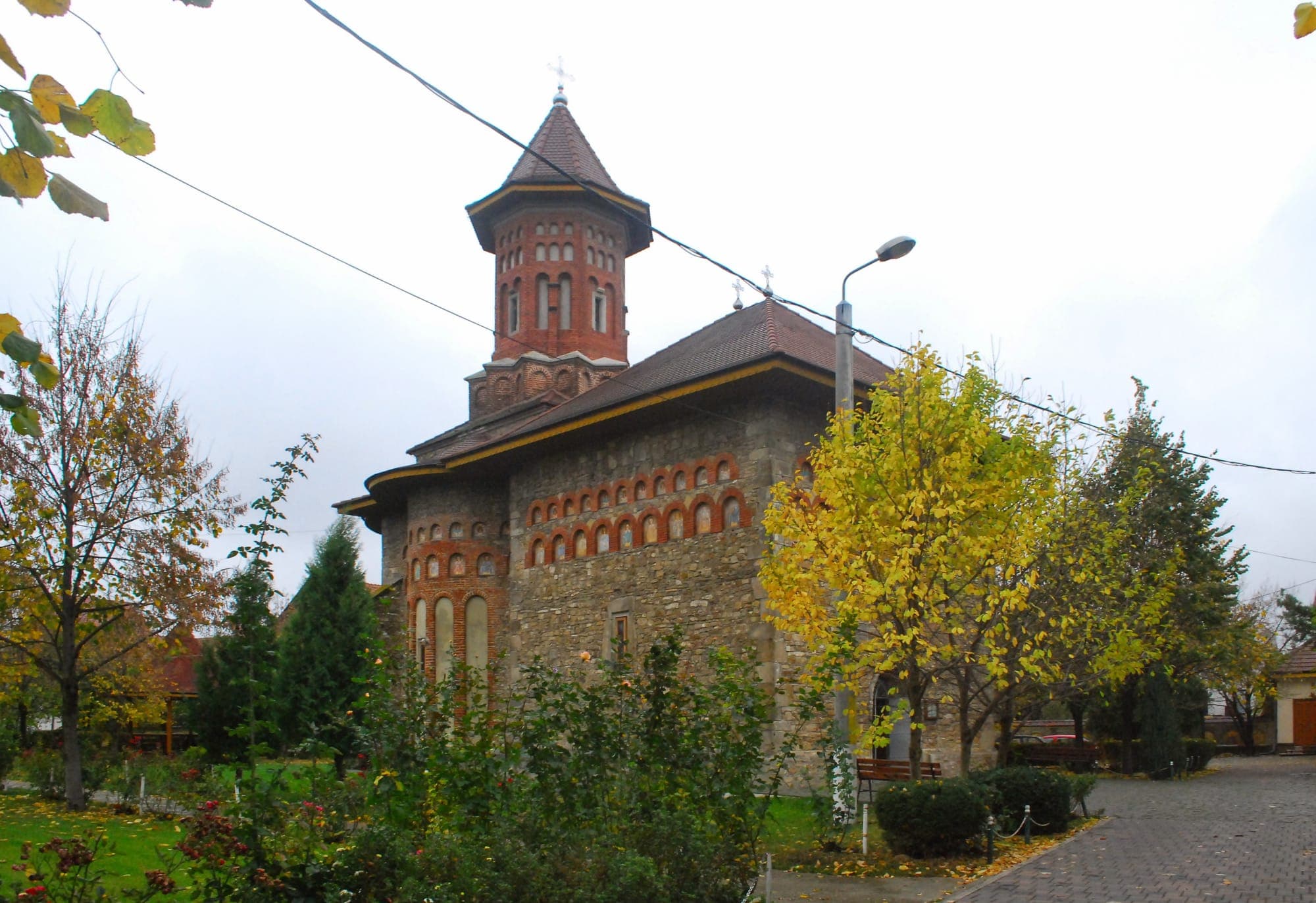
The church built in 1489–1491 by Alexandru, son of Stephen the Great, on 9 Mai Street in Bacău: a trefoil plan, an octagonal tower and rows of brick niches, next to the ruins of the princely court.
ChurchesMonuments and historic sites
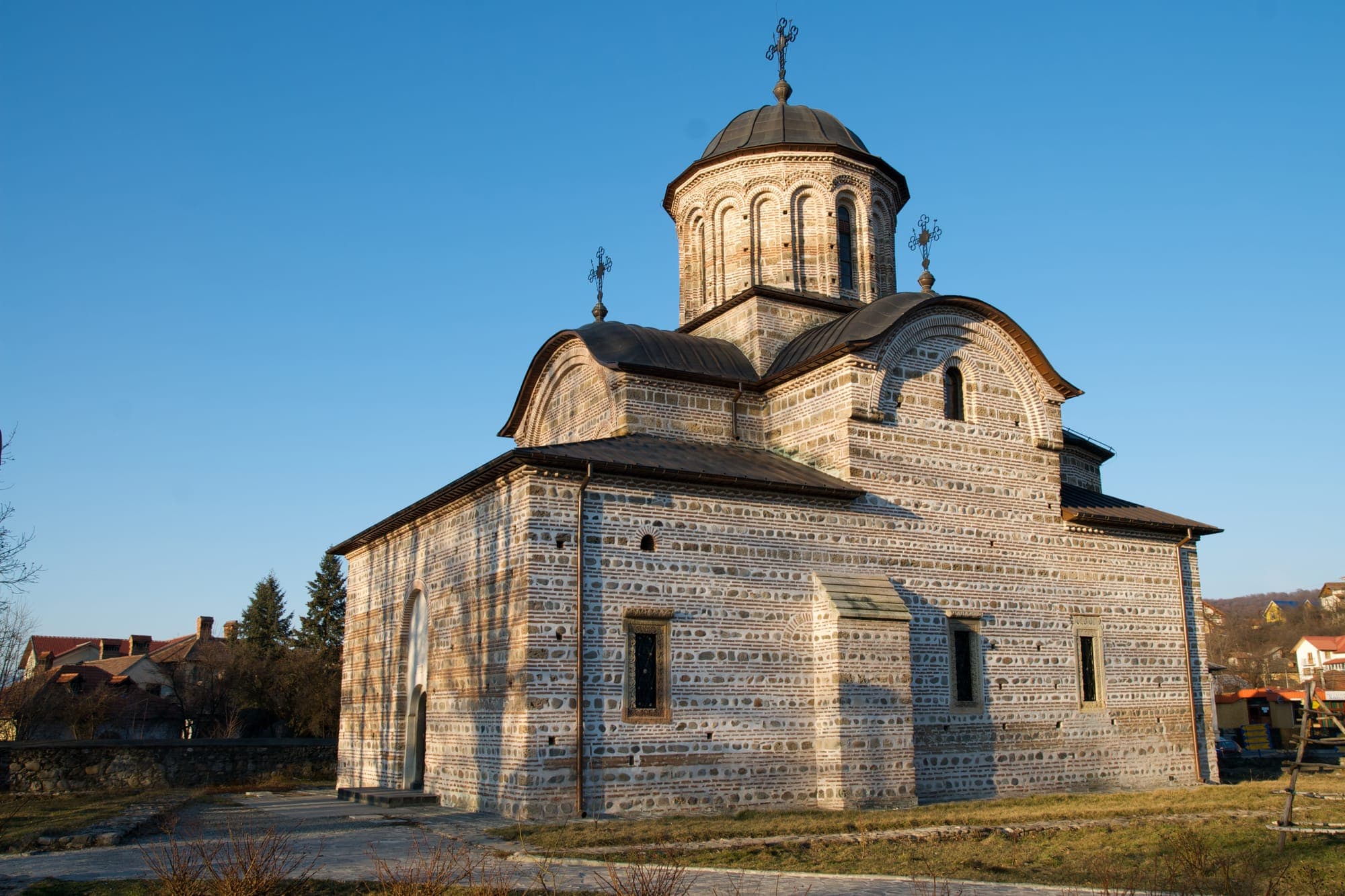
Basarab I's foundation in Curtea de Argeș, with 14th-century frescoes, surrounded by the ruins of the princely court of Wallachia.
ChurchesMonuments and historic sites
A Gothic church of the 14th–16th centuries, protected by a fortified wall with loopholes and a gate tower, in the centre of a village in Lower Ciuc. One of the largest medieval churches in the area.
ChurchesFortresses and fortifications
A wooden church of 1802 (listed monument) on a hill in the village of Larga, with a bell tower with an open gallery and interior paintings of the Wheel of Life and the Last Judgment.
Churches
A wooden church moved twice, with a tall bell-tower spire and folk-style painting, in the grounds of Dragoslavele Hermitage on the hill north of the village.
Churches
A small wooden church of around 1752, with a tall tower and a shingle spire, in a village cemetery in the Beiuș Land, with traces of painting by David Zugravul.
Churches
An 18th-century wooden church dedicated to Saint Parascheva, in the village of Ciocâltei in Roești commune, with an octagonal tower, a painted façade and a concrete bell tower at the gate.
Churches
A wooden church from the late 18th century in a hilltop cemetery in the village of Capu Dealului, with a glazed porch and a small bell tower rising from the roof.
Churches