Palace of Culture in Iași
Iași, IS
The Neo-Gothic palace with a clock tower and carillon in the centre of Iași, built in 1906–1925 as a Palace of Justice; today it houses four national museums of art, history, ethnography and science.
18 results
The Neo-Gothic palace with a clock tower and carillon in the centre of Iași, built in 1906–1925 as a Palace of Justice; today it houses four national museums of art, history, ethnography and science.

The oldest public park in Iași, laid out from 1834 on Copou hill, with the Lions' Obelisk, Eminescu's Linden Tree, the busts of the Junimea writers and the "Mihai Eminescu" Museum.

The first botanical garden in Romania, run by “Alexandru Ioan Cuza” University: almost 90 hectares on Copou Hill, with a rose garden, a greenhouse complex, a lake and annual chrysanthemum shows.
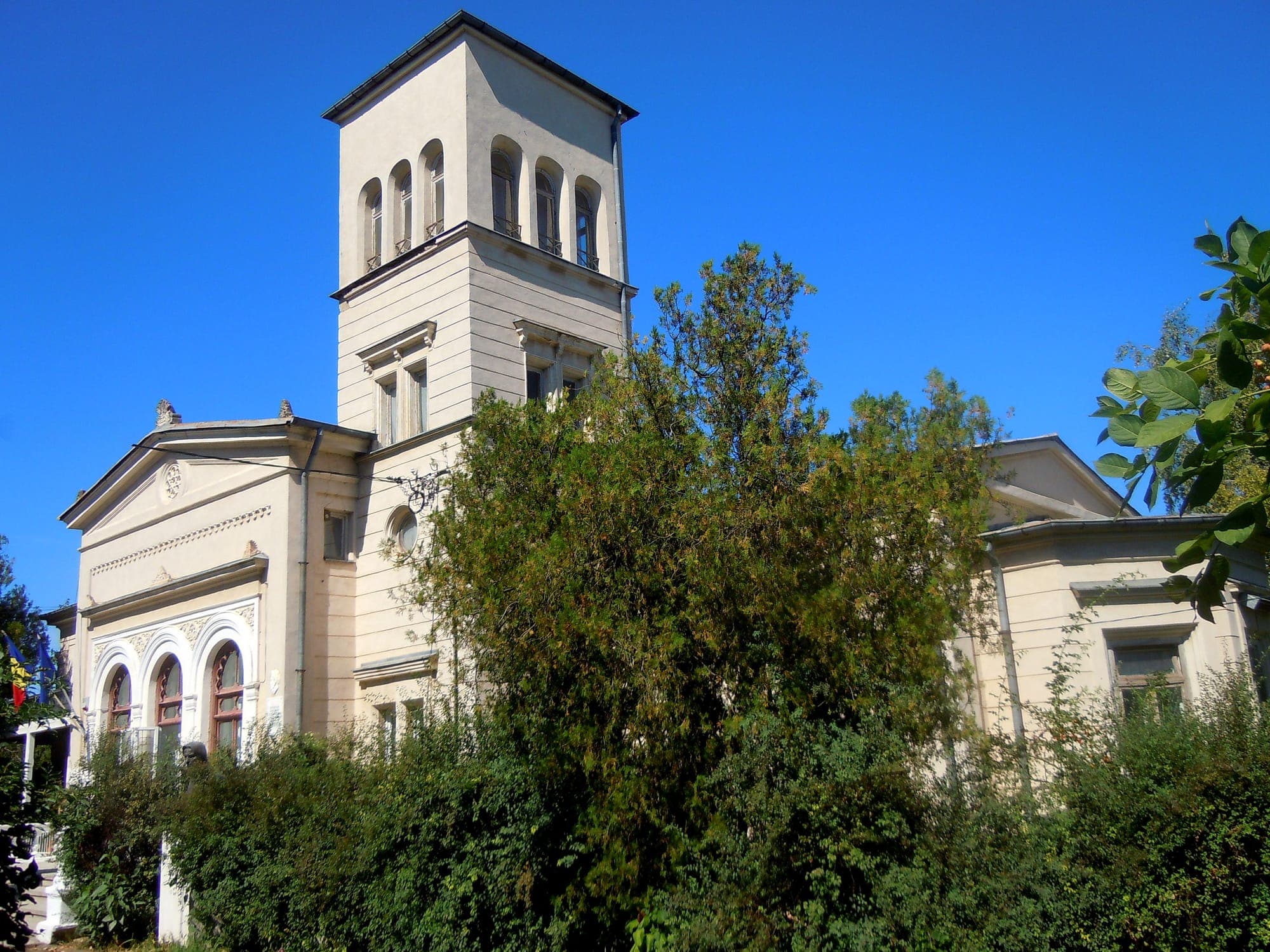
The “Tower House” on Copou hill, where Mihail Sadoveanu lived from 1918 to 1936. The museum, opened in 1980, has been closed for conservation since January 2024, ahead of the building's restoration.
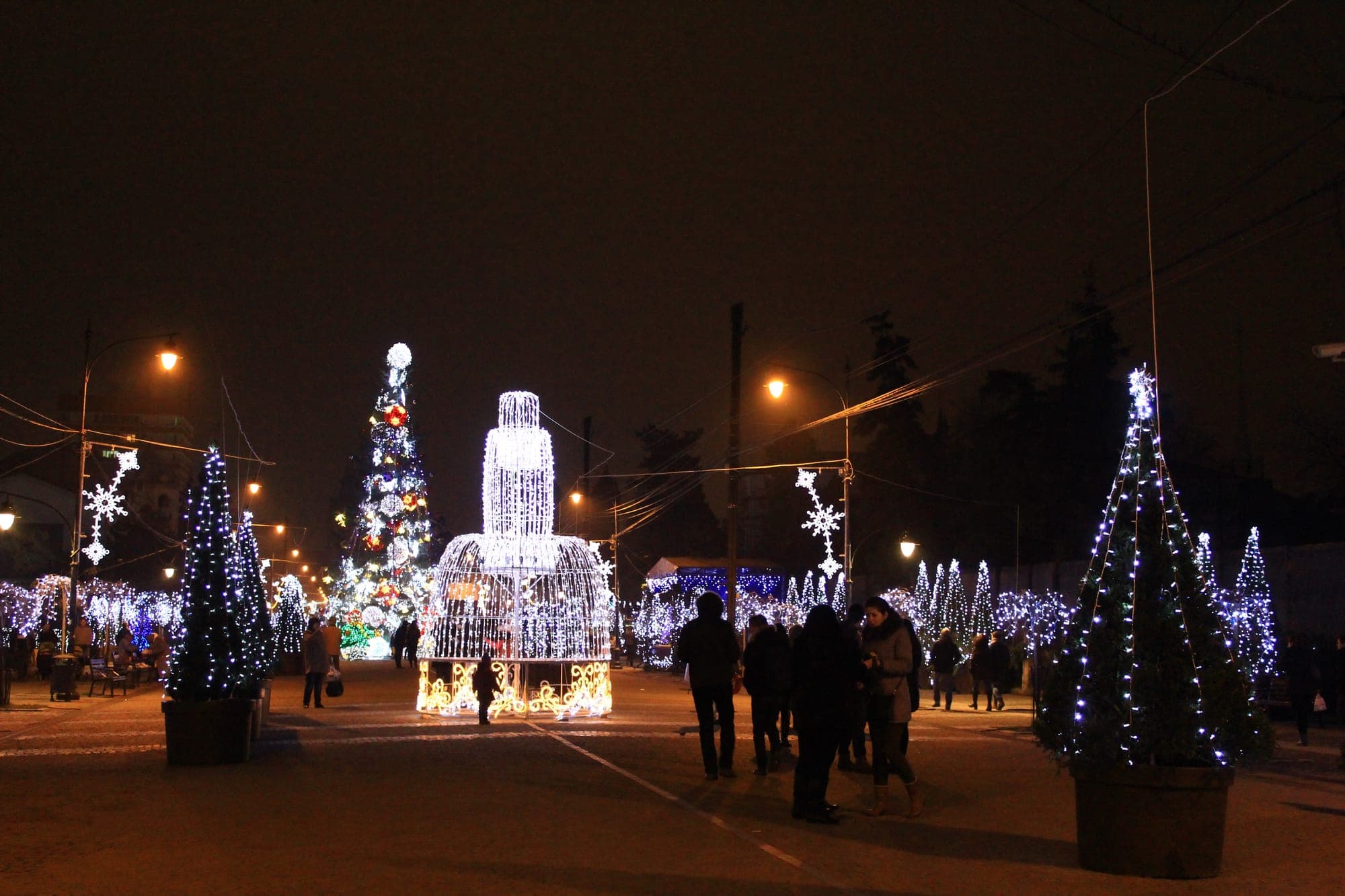
The pedestrian street in the centre of Iași, from Piața Unirii to the Palace of Culture, with the Metropolitan Cathedral, Roznovanu Palace and Trei Ierarhi Church along its sides and, in winter, the city's Christmas market.

Vasile Lupu's foundation of 1639 in the centre of Iași, its facades covered in lace-like stone carving; the tombs of Cuza and Cantemir are here.
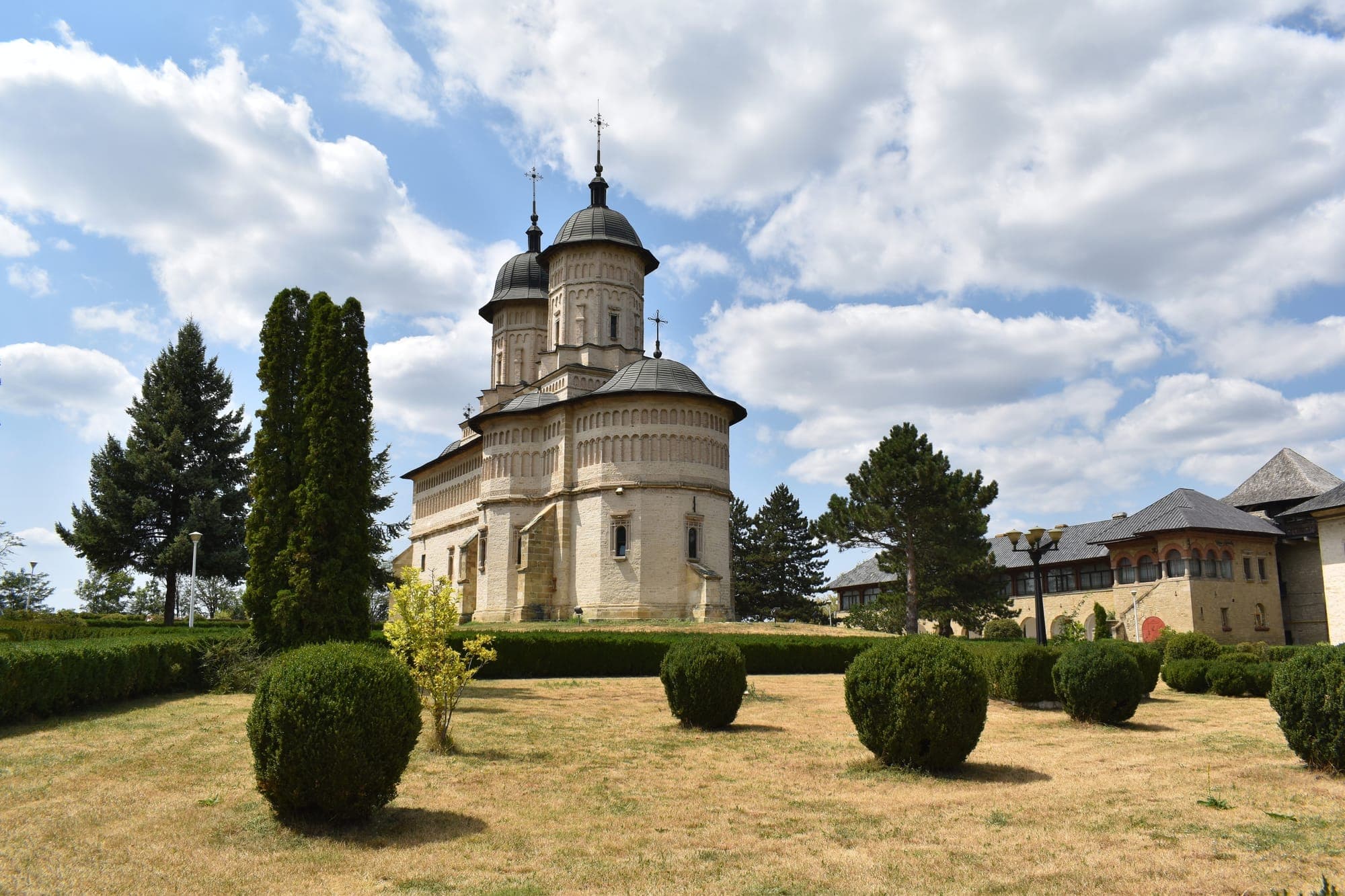
A fortified monastery on a hill in the south of Iași, built by Gheorghe Duca in 1669–1672, with a church modelled on the Three Hierarchs, enclosure walls and a bell tower at the entrance.
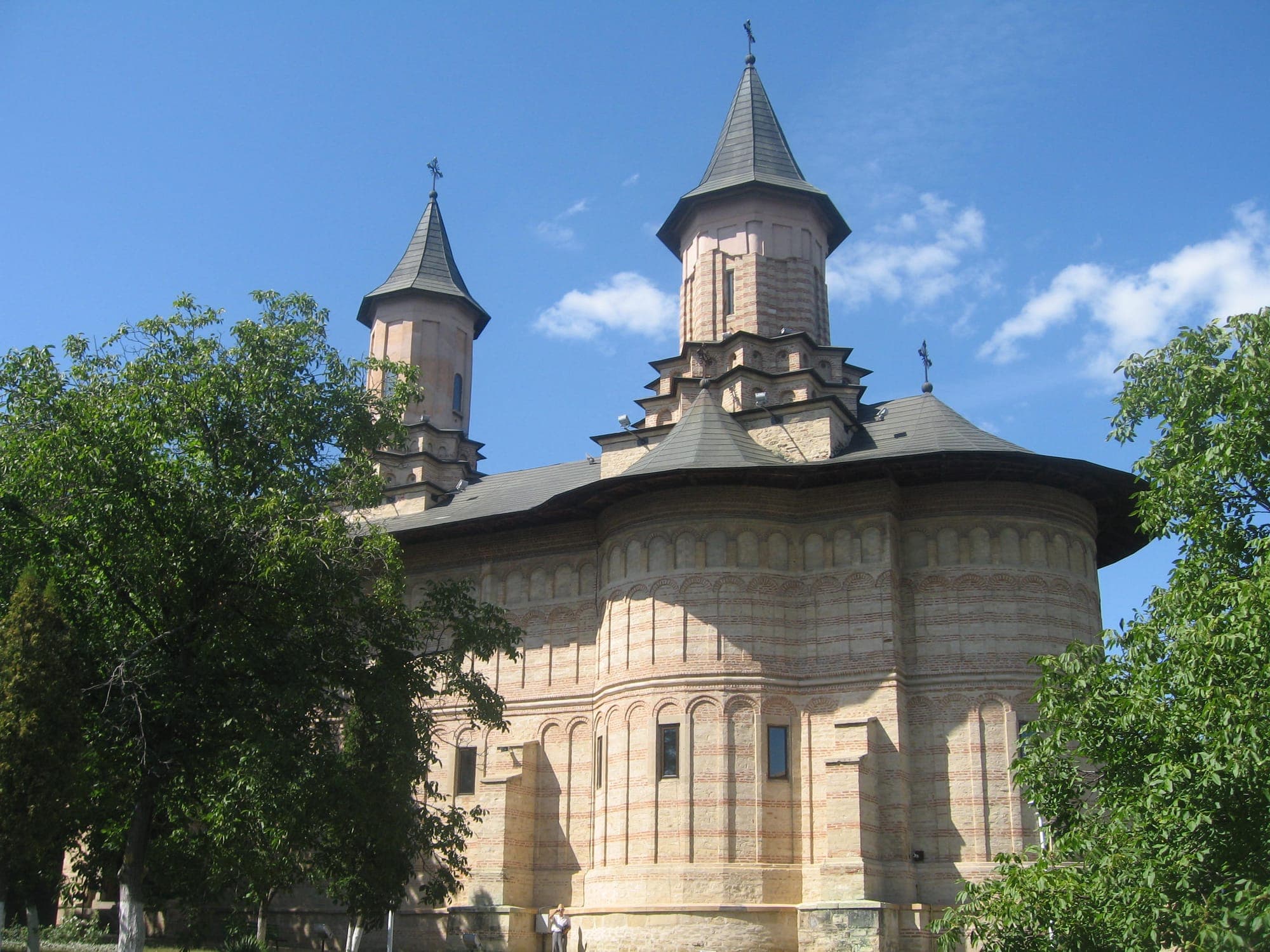
A convent on Galata Hill in Iași, founded by Petru Șchiopul in the 1580s, with a stone-and-brick church, the first in Moldavia with two towers, and a walled enclosure with a fortress-like bell tower.
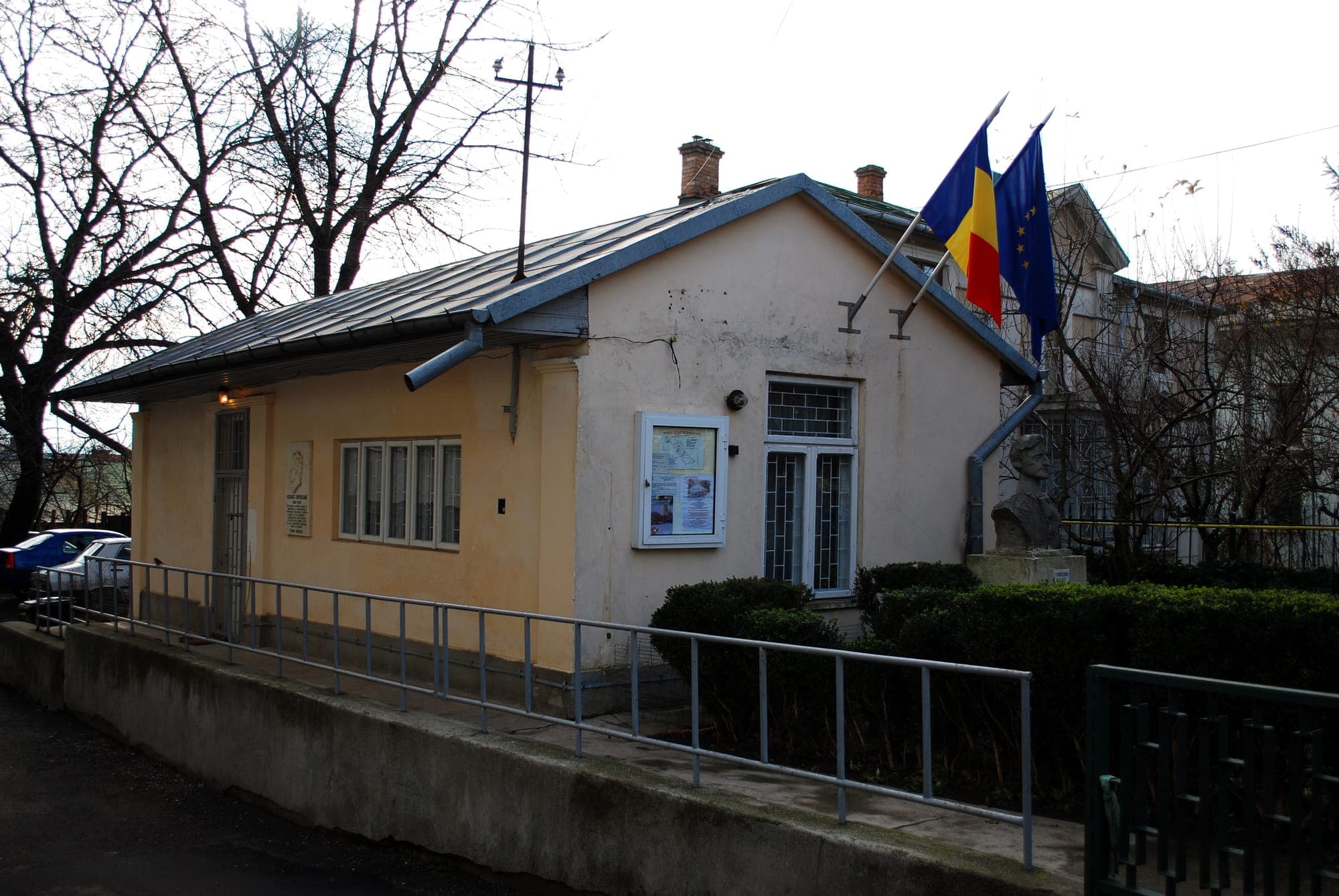
The small house on Strada Ralet where the poet George Topîrceanu lived from 1932 until his death. The memorial museum inside, opened in 1985, keeps his working desk, manuscripts and cameras.

A fortified monastery in the centre of Iași, with Vasile Lupu's church, unique in Moldavia for its classical facades and seven towers, and a tower almost 30 m high with views over the city.

The two-room cottage in Țicău where Ion Creangă lived from 1872 until his death and wrote “Memories of My Boyhood”. Opened as a museum in 1918, it is Romania's first literary memorial museum.

The cathedral of the Metropolis of Moldavia, consecrated in 1887 in the centre of Iași and home to the relics of Saint Parascheva, which draw hundreds of thousands of pilgrims every October.
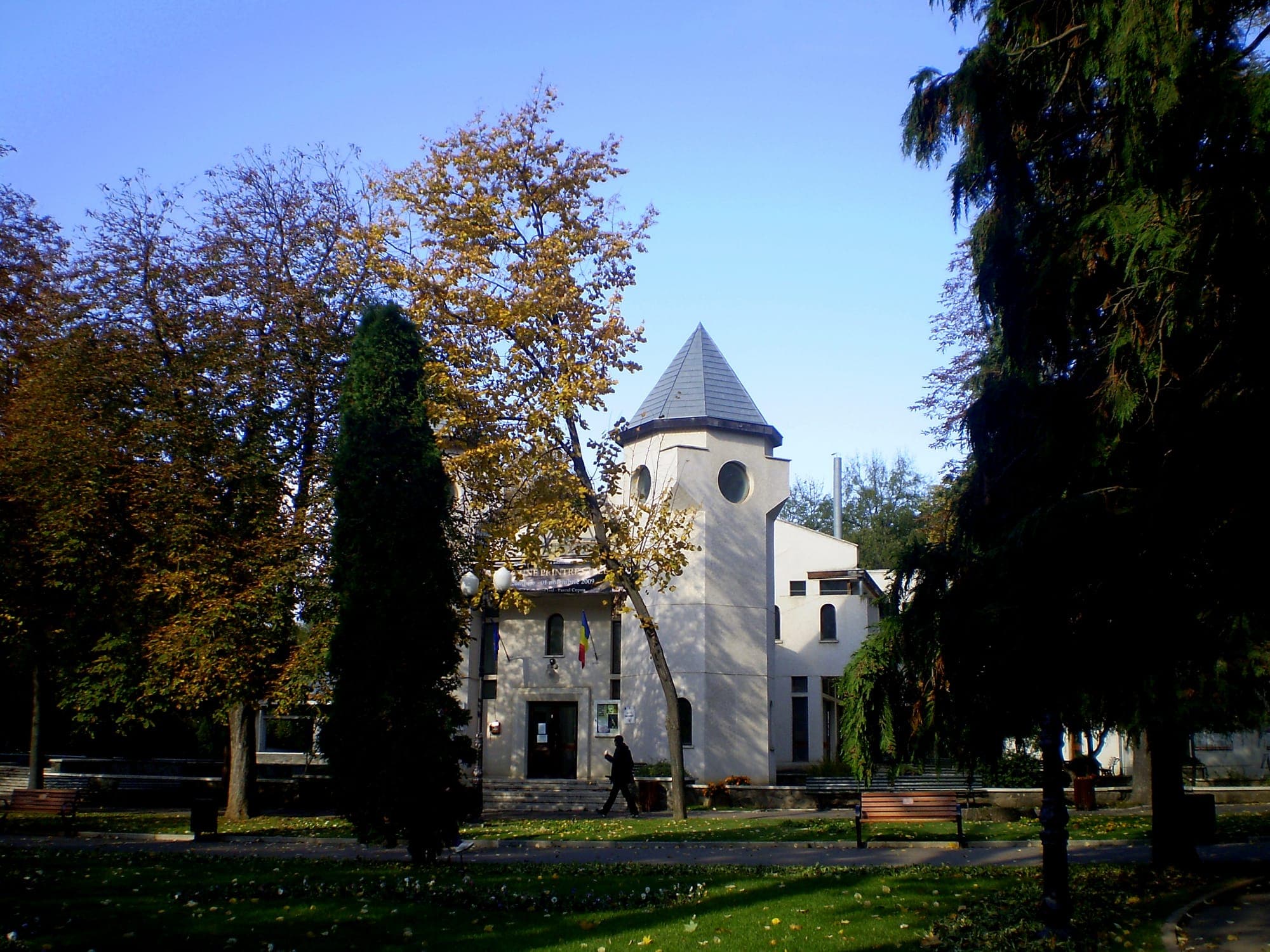
A modernist museum in the heart of Copou Park, opened in 1989, with old editions, photocopies of the poet's manuscripts, photographs and a collection of fine art.
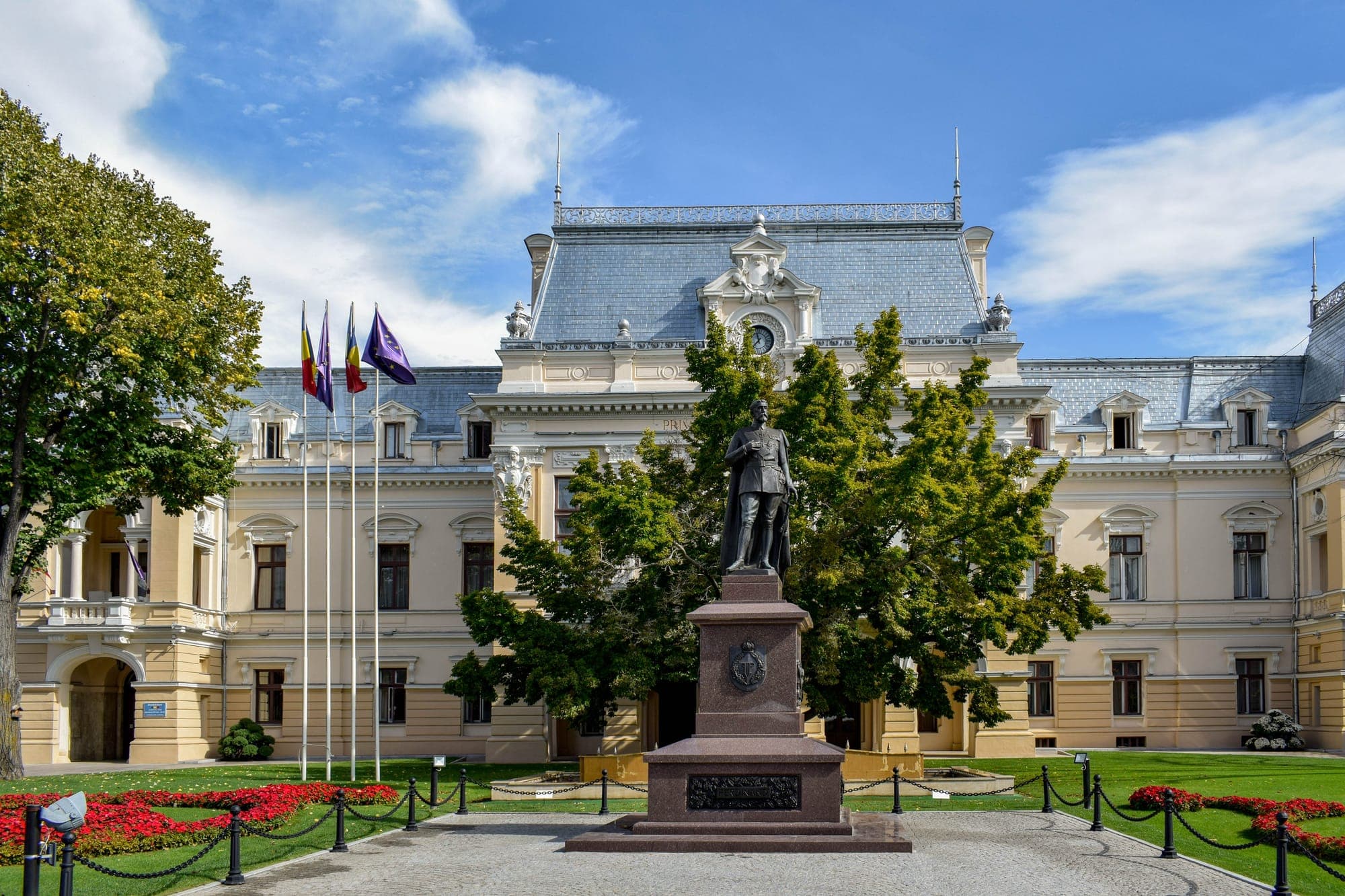
A Neoclassical palace rebuilt in 1830–1833 on Bulevardul Ștefan cel Mare și Sfânt, home to the Iași city hall; the façade can be seen from the boulevard, and the interior is visited by appointment.
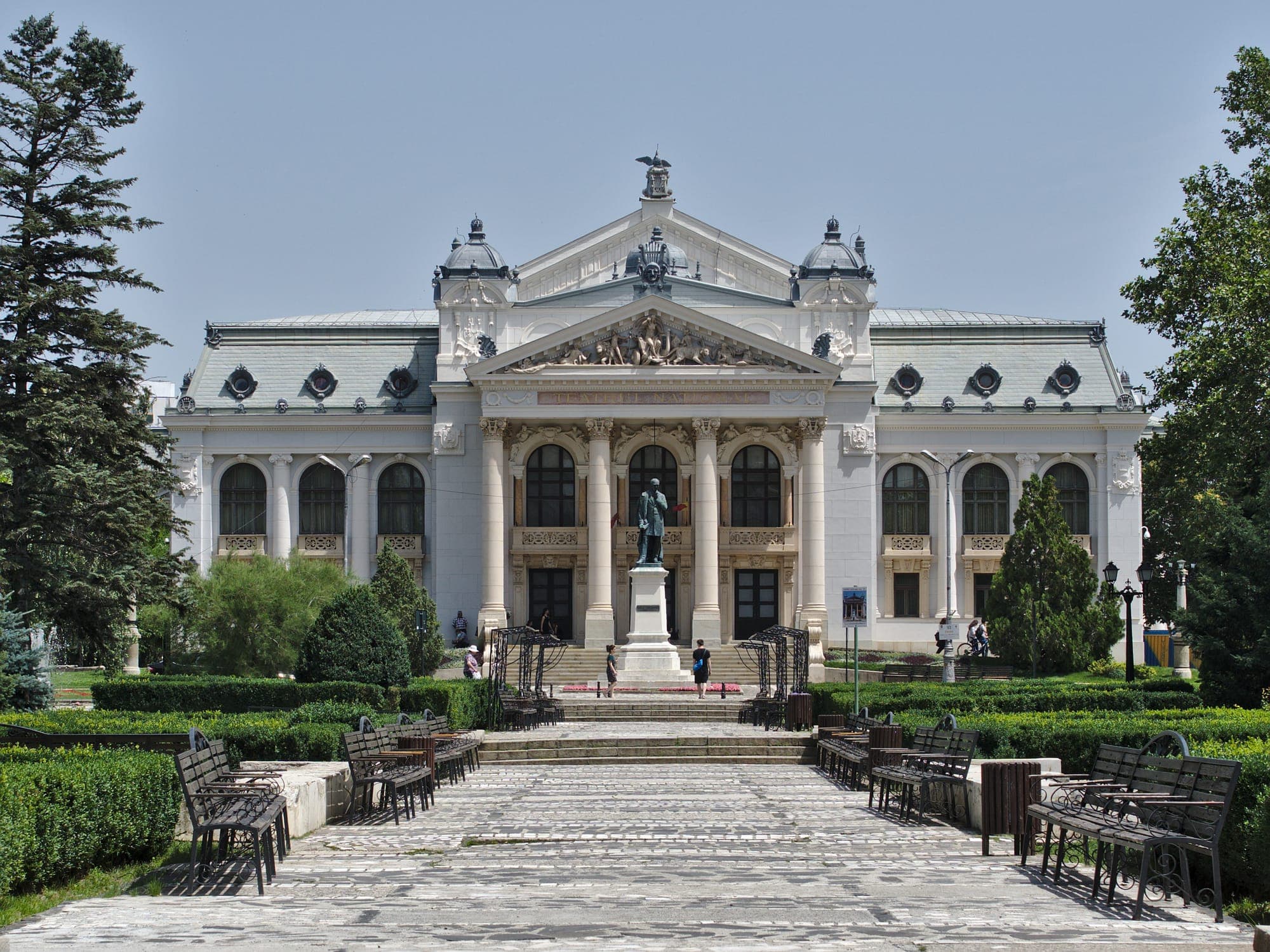
The Iași National Theatre building, designed by Fellner & Helmer and opened in 1896: an Ionic portico façade and a rococo auditorium with 740 seats, shared with the Romanian National Opera.
Guided walking tour of central Iași

Taste of Iași: heritage walk and Moldavian feast
Guided tour of Iași's Orthodox churches and monasteries
Not in Iași itself, but in the surrounding area — sorted by distance from Iași.