

Endless Column
Târgu Jiu, GJ
The 29.35 m column of brass-coated cast-iron modules raised by Constantin Brâncuși in 1938 in Târgu Jiu for the heroes of 1916: the eastern end of the “Heroes' Avenue” ensemble, a UNESCO World Heritage Site.
8 results
The 29.35 m column of brass-coated cast-iron modules raised by Constantin Brâncuși in 1938 in Târgu Jiu for the heroes of 1916: the eastern end of the “Heroes' Avenue” ensemble, a UNESCO World Heritage Site.

Constantin Brâncuși's round stone table with 12 hourglass seats, in the park on the banks of the Jiu: the western end of the Heroes' Way ensemble, a UNESCO World Heritage Site.

The travertine gate carved by Constantin Brâncuși in 1937–1938 at the entrance to Târgu Jiu's Central Park, part of the “Heroes' Way” ensemble, a UNESCO World Heritage Site.
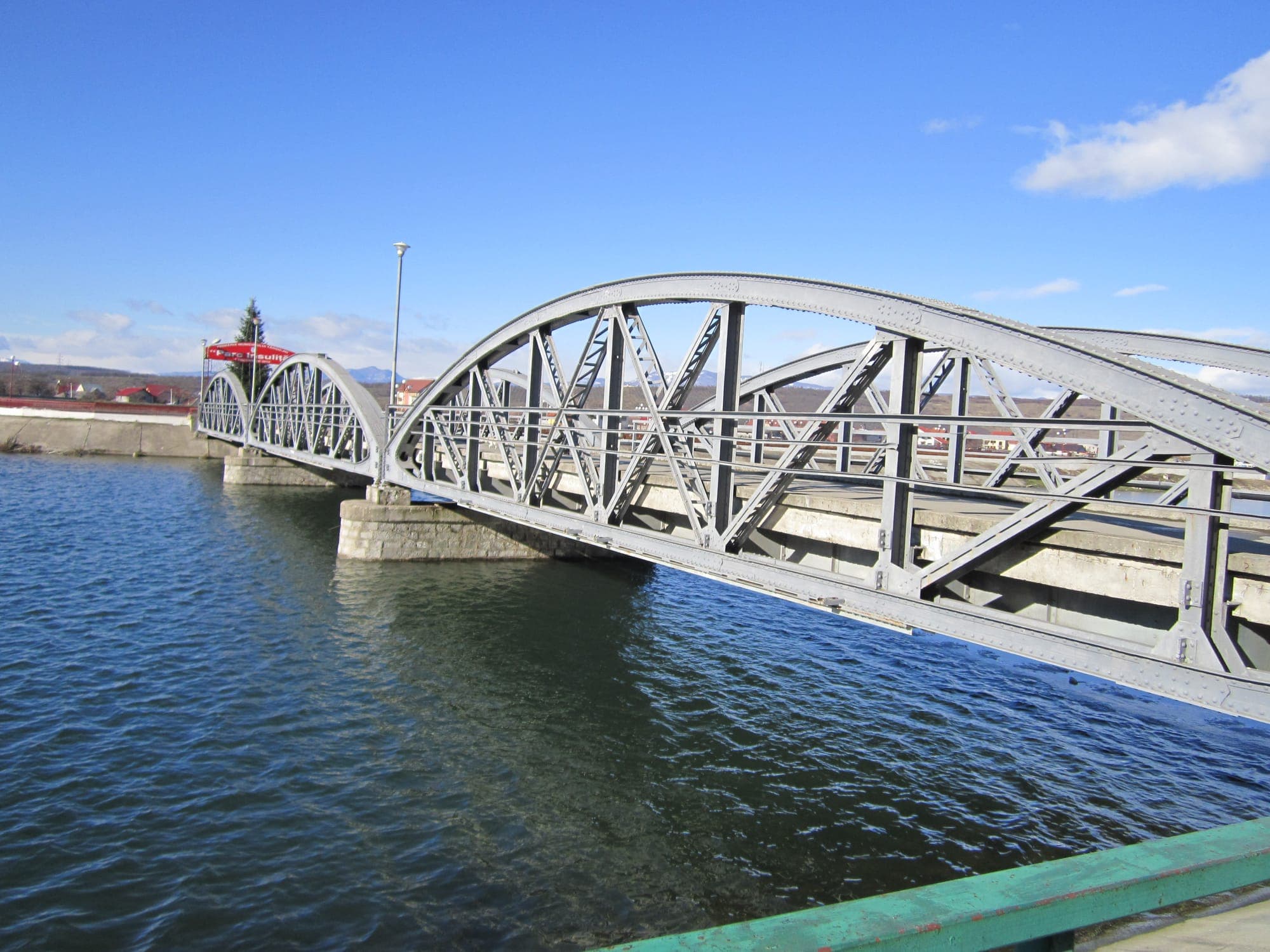
Historic metal bridge associated with the defence of Târgu Jiu in October 1916; three spans of the old structure now link the Central Park to the island on the Jiu.
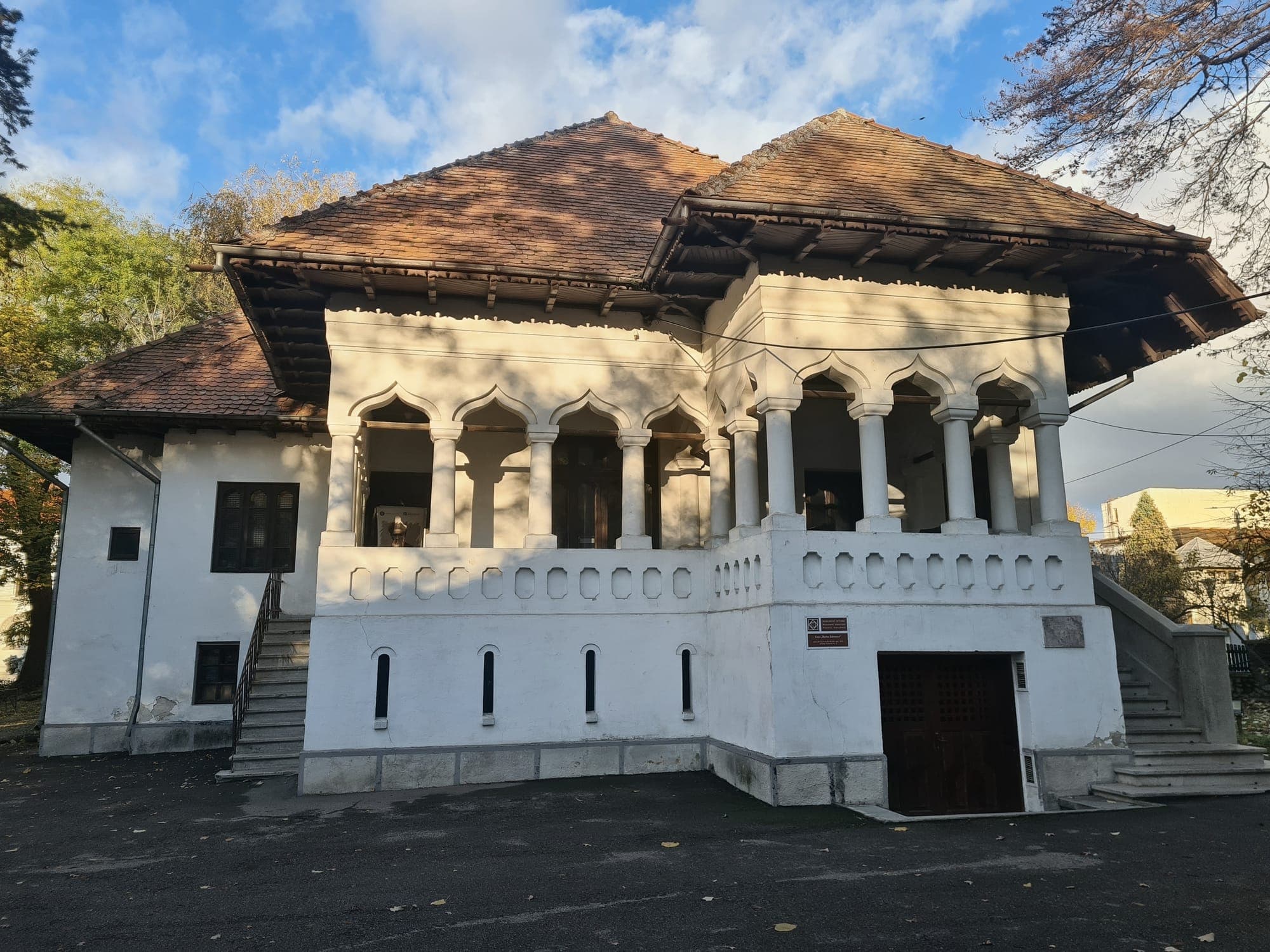
Art museum in Barbu Gănescu House, where Brâncuși stayed in 1937–1938, with temporary exhibitions and a Neo-Romanian porch with arches.

The three-towered Orthodox church built in 1927–1937 on Heroes' Avenue in Târgu Jiu, halfway along the axis between the Gate of the Kiss and the Endless Column, and part of the UNESCO-listed Brâncuși ensemble.
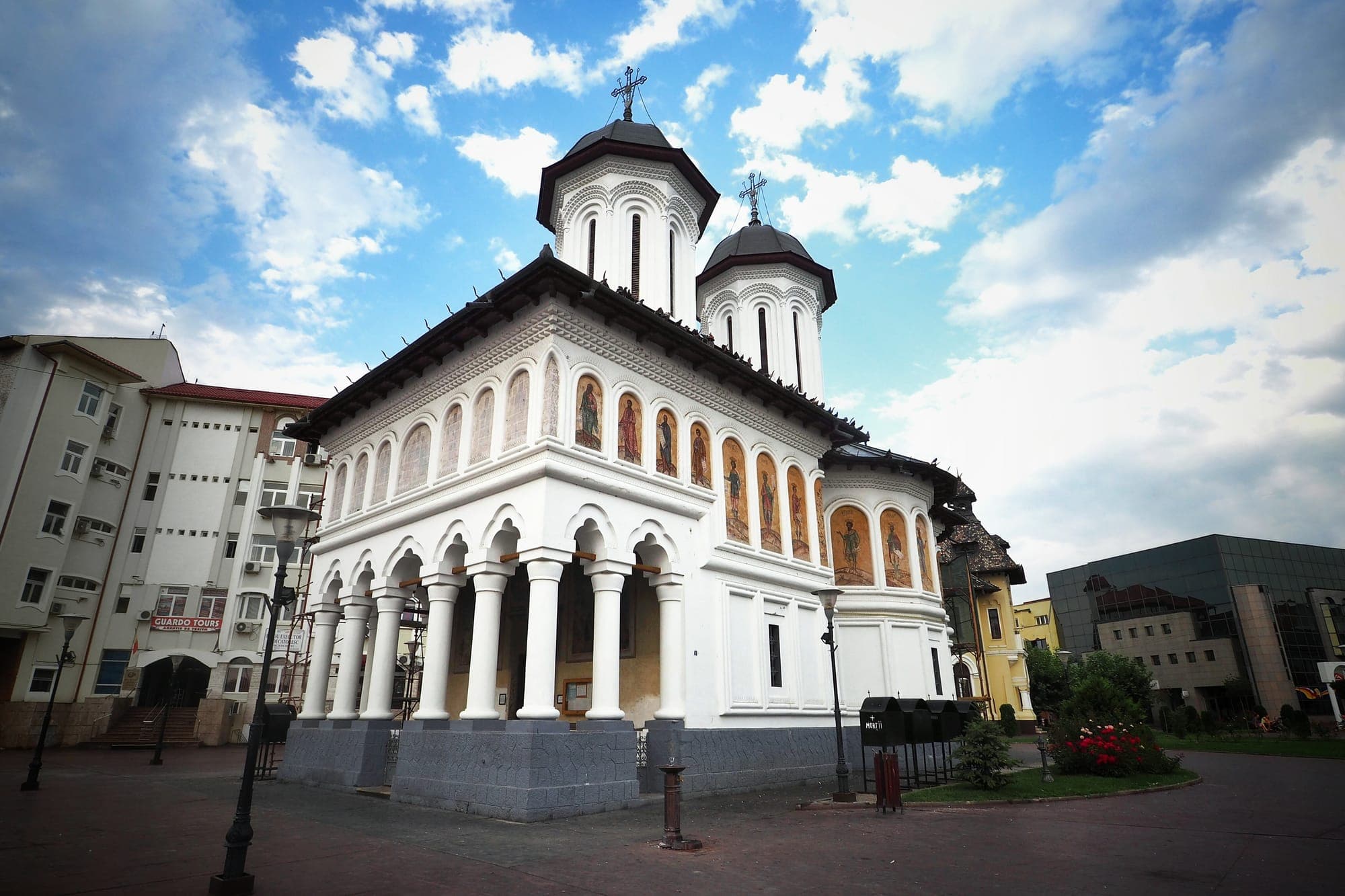
The two-towered Orthodox church on Victory Square, built in 1748–1764 by merchants, with exterior frescoes of ancient philosophers and a past as a museum under communism.
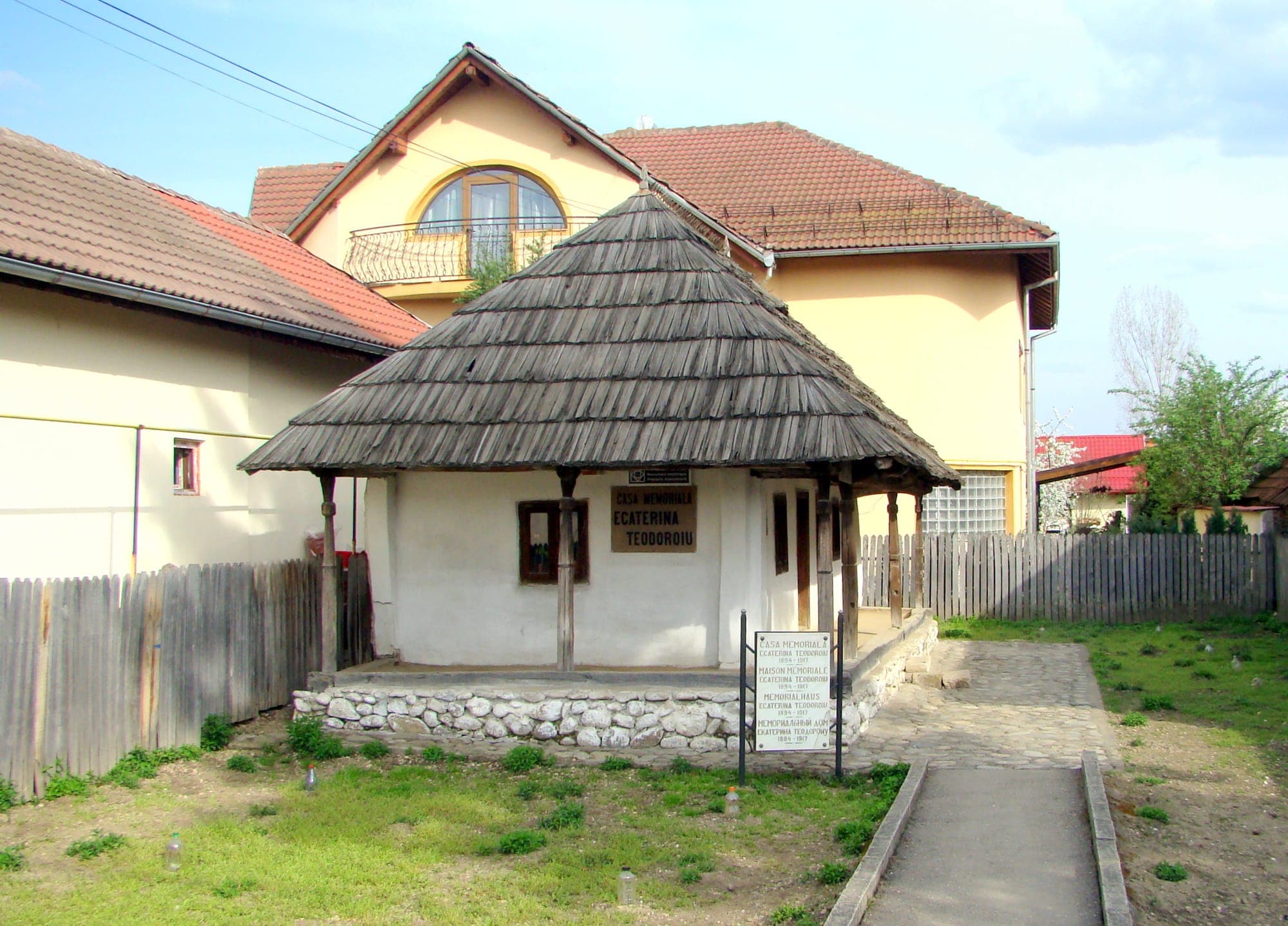
The family house in Vădeni, now a district of Târgu Jiu, where Ecaterina Teodoroiu, the “heroine of the Jiu”, was born. A memorial house since 1938, with personal belongings, documents and photographs.
Not in Târgu Jiu itself, but in the surrounding area — sorted by distance from Târgu Jiu.


