Regina Maria Theatre
The Oradea State Theatre building, designed by the Viennese firm Fellner & Helmer and opened in 1900: an Ionic portico on Piața Ferdinand and an auditorium with boxes and a balcony, still in use every week.

The Oradea State Theatre building, designed by the Viennese firm Fellner & Helmer and opened in 1900: an Ionic portico on Piața Ferdinand and an auditorium with boxes and a balcony, still in use every week.

The Cathedral of the Assumption, built between 1752 and 1780: the largest Baroque church in Romania, with an organ given by Maria Theresa and an interior of marble, frescoes and gilding.
A wild waterfall on the Ieduțul stream, hidden among ferns and fir trees above the Iad Valley, a quarter of an hour's walk through the forest from the road between Stâna de Vale and Lake Leșu.

A synagogue of 1877–1878 on the bank of the Crișul Repede, with a broad dome and a Moorish-style painted interior; restored and reopened in 2015, it is now a cultural venue.

Bihor's county museum, housed since its move in the former Royal Cadet School of 1898: archaeology, history, art, ethnography, natural sciences and a vivarium under one roof.

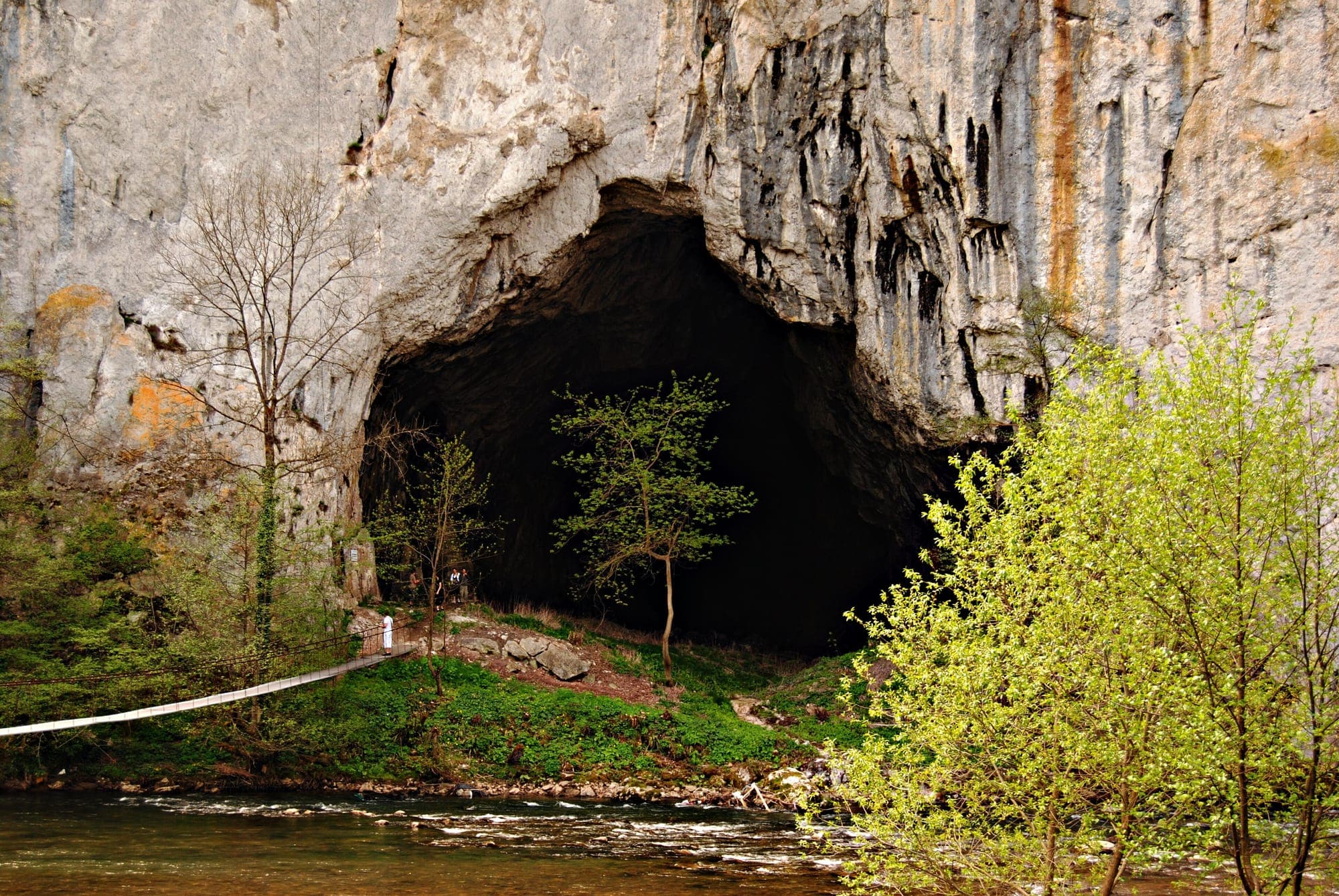
A cave with an entrance more than 30 m high facing the Crișul Repede, reached over a suspension bridge and inhabited by people as far back as the Neolithic.

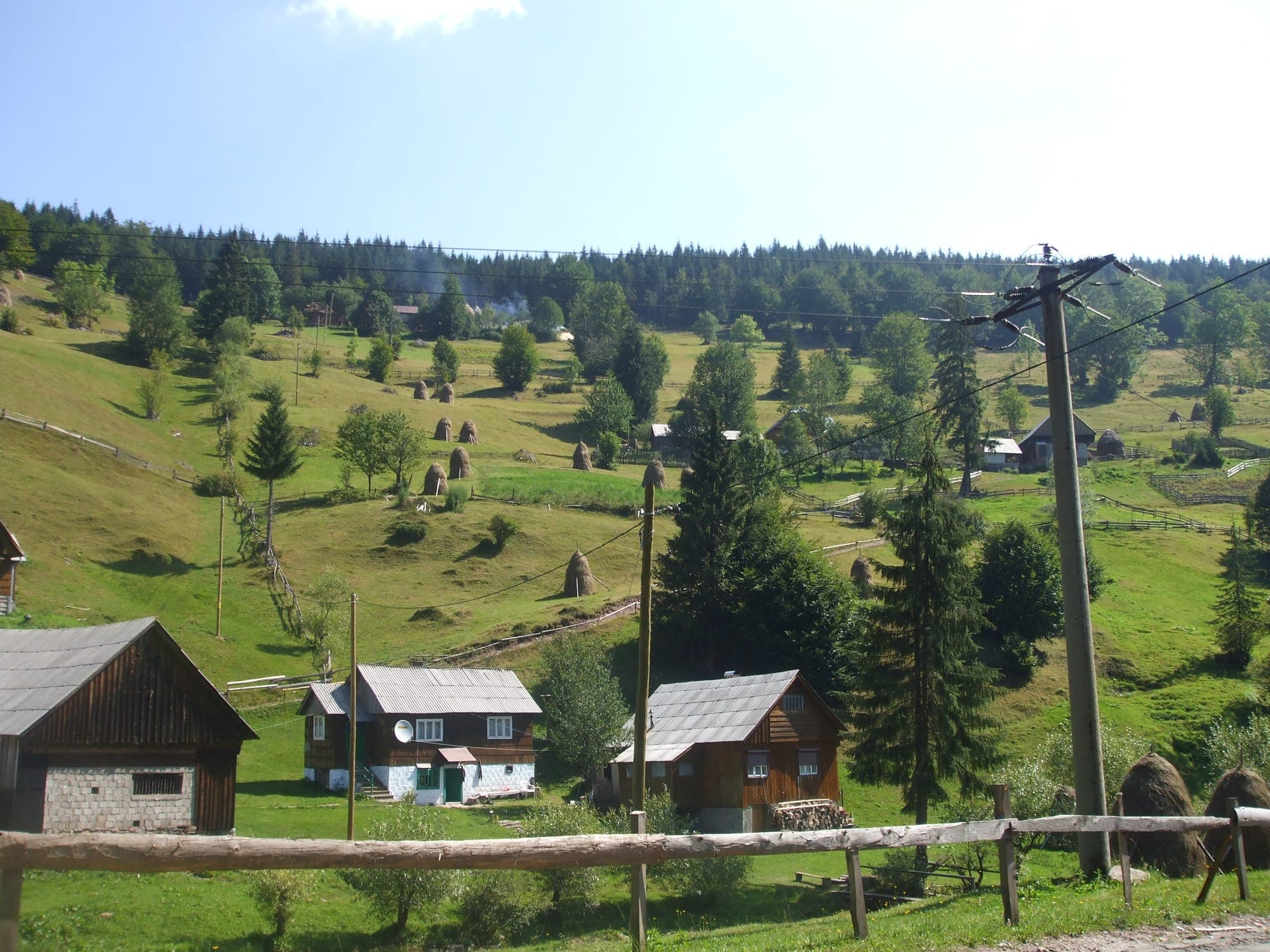
The pass where the DN75 crosses the Bihor Mountains at 1,160 m, between Nucet and Arieșeni: the Vârtop holiday village, ski slopes and trails to Groapa Ruginoasă and Piatra Grăitoare.