
Bicaz Gorge
Bicaz-Chei, NT · 57 km from Piatra Neamț
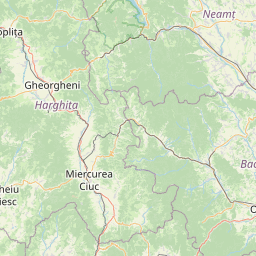
The best-known gorge in the Carpathians: the DN12C road runs between limestone walls over 300 m high, along the Bicaz river, between Lacu Roșu and Bicaz-Chei.
Neamț County climbs from the Siret valley, around Roman, up into the Eastern Carpathians, where the Ceahlău massif overlooks Lake Izvorul Muntelui and the Bicaz Gorge cuts through the limestone towards Transylvania. Piatra Neamț, the county seat, lies on the Bistrița between the Cozla and Pietricica hills; Târgu Neamț, to the north, is the town of the fortress and of Creangă's Humulești, with the monasteries of Neamț, Agapia and Văratec gathered around it. The places to visit in Neamț County combine mountains, lakes, history and monasteries within short distances.
Neamț Fortress stands on a spur above Târgu Neamț and is one of the Moldavian strongholds reinforced by Stephen the Great. On the Bistrița, Lake Izvorul Muntelui, the reservoir at Bicaz, spreads out at the foot of the Ceahlău, where trails lead to the Duruitoarea Waterfall. The Bicaz Gorge can be driven through, while Lake Cuejdel, formed by landslides, makes a quiet walk near Piatra Neamț.
22 results
The best-known gorge in the Carpathians: the DN12C road runs between limestone walls over 300 m high, along the Bicaz river, between Lacu Roșu and Bicaz-Chei.

A medieval Moldavian fortress on a rocky spur above Târgu Neamț, built by the Mușatin princes and strengthened by Stephen the Great, which held out against Mehmed II's siege in 1476.

Better known as Lake Bicaz, it is the largest reservoir on Romania's inland rivers: 35 km of water on the Bistrița, below Mount Ceahlău, held back by a 127 m dam.

The “holy mountain” of Moldavia, with the Ocolașul Mare (1,907 m) and Toaca (1,904 m) peaks, legendary rocks, the Dochia Chalet and marked trails from Durău and Izvorul Muntelui, in the Ceahlău National Park.
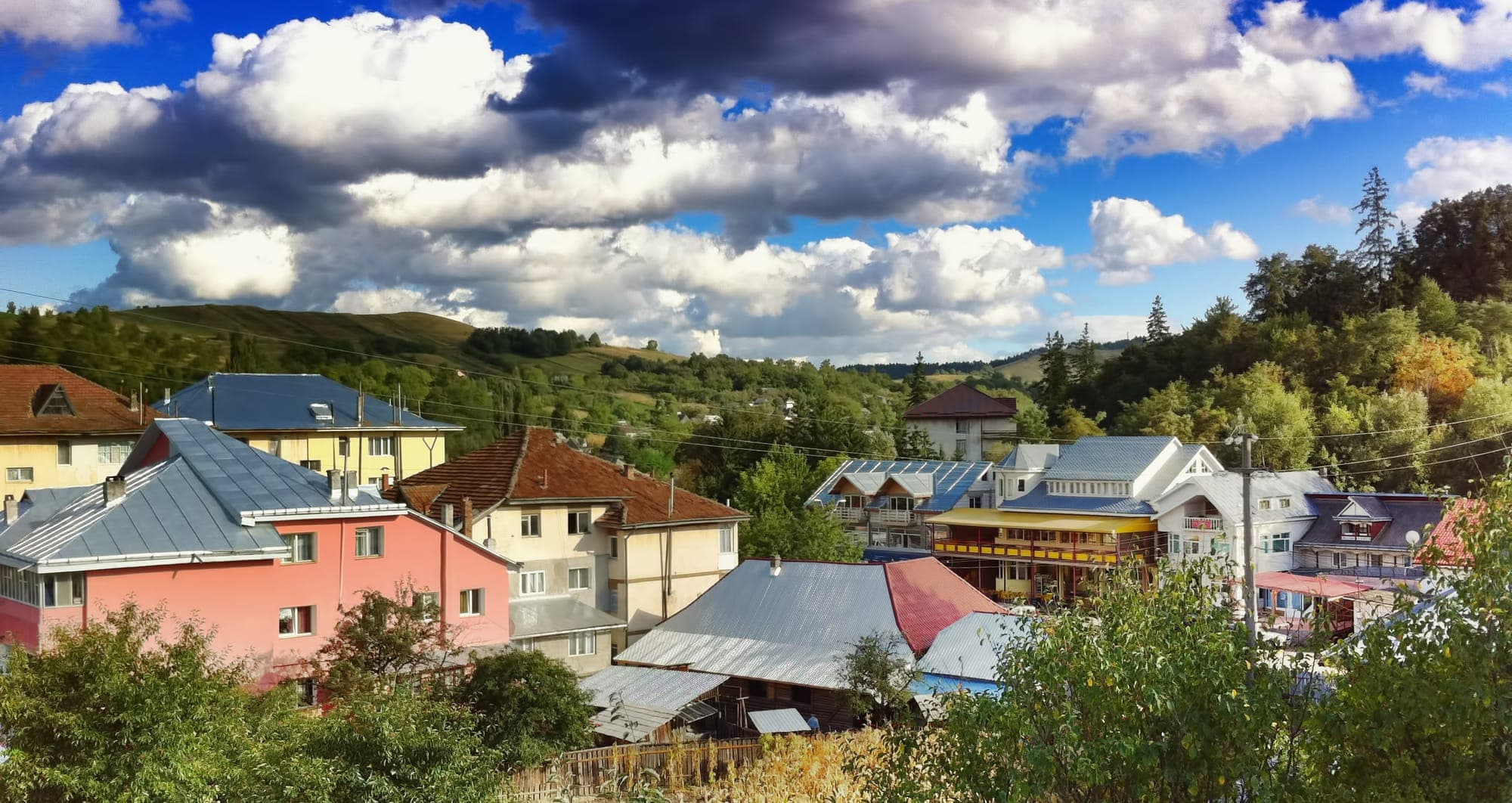
A small spa resort in the Salty Valley, 12 km from Târgu Neamț, with sodium chloride salt water from 14 springs, a treatment centre with 75 bath cabins and the “Dr. Dimitrie Cantemir” sanatorium.

The “Dragoș Vodă” reserve, founded in 1968 in Vânători-Neamț Nature Park: a small zoo with bison, deer and birds, at the edge of the forest where free-ranging bison live.

One of the largest convents in the country, built in 1641–1643 in the Agapia valley, with a church whose interior was painted by the young Nicolae Grigorescu in 1858–1861.

A monastery of monks in the Neamț mountains, founded in 1655, home of the spiritual fathers Cleopa Ilie and Paisie Olaru, whose relics have been open for veneration since 2025.

The largest convent in Romania, home to more than 400 nuns, founded in 1785 in a clearing at the foot of the mountains, where the poet Veronica Micle is also buried.

A 25 m, two-tier waterfall on the Rupturi stream, in the forests below Toaca peak in Ceahlău National Park; reached on foot from the Durău resort in about two hours.

A museum devoted entirely to the art of the Cucuteni culture, with painted pots and clay figurines 5,500–7,000 years old, in a Neo-Romanian building in the historic centre of Piatra Neamț.

Romania's largest natural dam lake, formed by landslides between 1978 and 1991 in the Stânișoarei Mountains, with bare spruce trunks rising out of the water; reached on foot through the forest.

The oldest and largest monastic settlement in Moldavia, recorded since 1407, with the Church of the Ascension built by Stephen the Great and consecrated in 1497.

A small stone church built by Stephen the Great in 1496, twenty years after the Battle of Valea Albă, where the fallen Moldavian soldiers lie; today a convent.

A hermitage of monks hidden among the crags of the Neamț mountains, with a wooden church of 1813 and the cave where St Theodora of Sihla lived as a recluse.