Lake Sfânta Ana
Harghita County · 35 km from Miercurea Ciuc
Romania's only volcanic lake: an almost round sheet of water in the Ciomatu crater, ringed by forest, with a Catholic chapel on the shore and the Mohoș peat bog in the neighbouring crater.
Harghita is one of the highest counties in the country, with the Ciuc and Giurgeu basins enclosed between the Harghita, Gurghiu, Hășmaș and Giurgeu Mountains, a place of long winters and cool summers. Miercurea Ciuc is the county seat, Odorheiu Secuiesc and Gheorgheni the other main towns, and most of the inhabitants are Székely Hungarians, with a culture of their own visible in churches, gates and festivals. The things to see in Harghita county are mostly natural: lakes, mineral-water resorts, gorges and a salt mine.
Lake Sfânta Ana, the only volcanic lake in the country, and the Red Lake, formed in 1837 when a landslide dammed the valley, are the two places not to miss. The Praid Salt Mine has an underground area laid out with playgrounds and resting places, Băile Tușnad, on the Olt valley, is the best-known resort in the area, and at Borsec mineral water has been bottled for two centuries. At Dârjiu, the Székely fortified church, with its medieval frescoes, is on the UNESCO list.
27 results
Romania's only volcanic lake: an almost round sheet of water in the Ciomatu crater, ringed by forest, with a Catholic chapel on the shore and the Mohoș peat bog in the neighbouring crater.

The salt mine of the Land of Salt, with huge leisure and treatment halls 120 m underground, once Romania's most visited. Closed indefinitely since the flood of May 2025.

A natural dam lake formed in 1837, when a mountainside blocked the Bicaz valley; the trunks of the drowned forest still rise from the water, at the upper end of the Bicaz Gorge.

A spa resort in the Olt gorge between the Harghita and Bodoc mountains: naturally sparkling mineral springs, mofettes, a wellness centre with thermal water and trails up to Falcon Rock.

The only Székely and Unitarian church in the UNESCO fortified-church site: a Gothic church with 1419 frescoes of the legend of Saint Ladislaus, whose fortress villagers still use to store their bacon.

The Baroque Franciscan church of Șumuleu Ciuc (Csíksomlyó) holds a 16th-century statue of the Virgin Mary and is the goal of Romania's largest Catholic pilgrimage, at Pentecost.
A Székely noble house in Armășeni with a vaulted cellar and a wooden gate from 1828, a listed monument restored and reopened in 2021.

A mountain spa resort at 900 m in northern Harghita, with carbonated mineral springs you can drink from for free, old wooden villas, travertine caves and a new spa centre.

A Gothic and Baroque church on a rocky hill in the Ciuc region, ringed by a defensive wall with a tower; inside is a Gothic font from the 15th century.

A Gothic church of the 14th–15th centuries, with a stone portal from the early 16th century, set within an enclosure wall and a tall tower with a pointed roof. Inside are coffered ceilings and a polychrome pulpit.
A ski area and rail bobsled track in the Ghimeș valley at Lunca de Sus: two slopes of 800 and 700 m with drag lifts, evening skiing and an alpine coaster open all year.
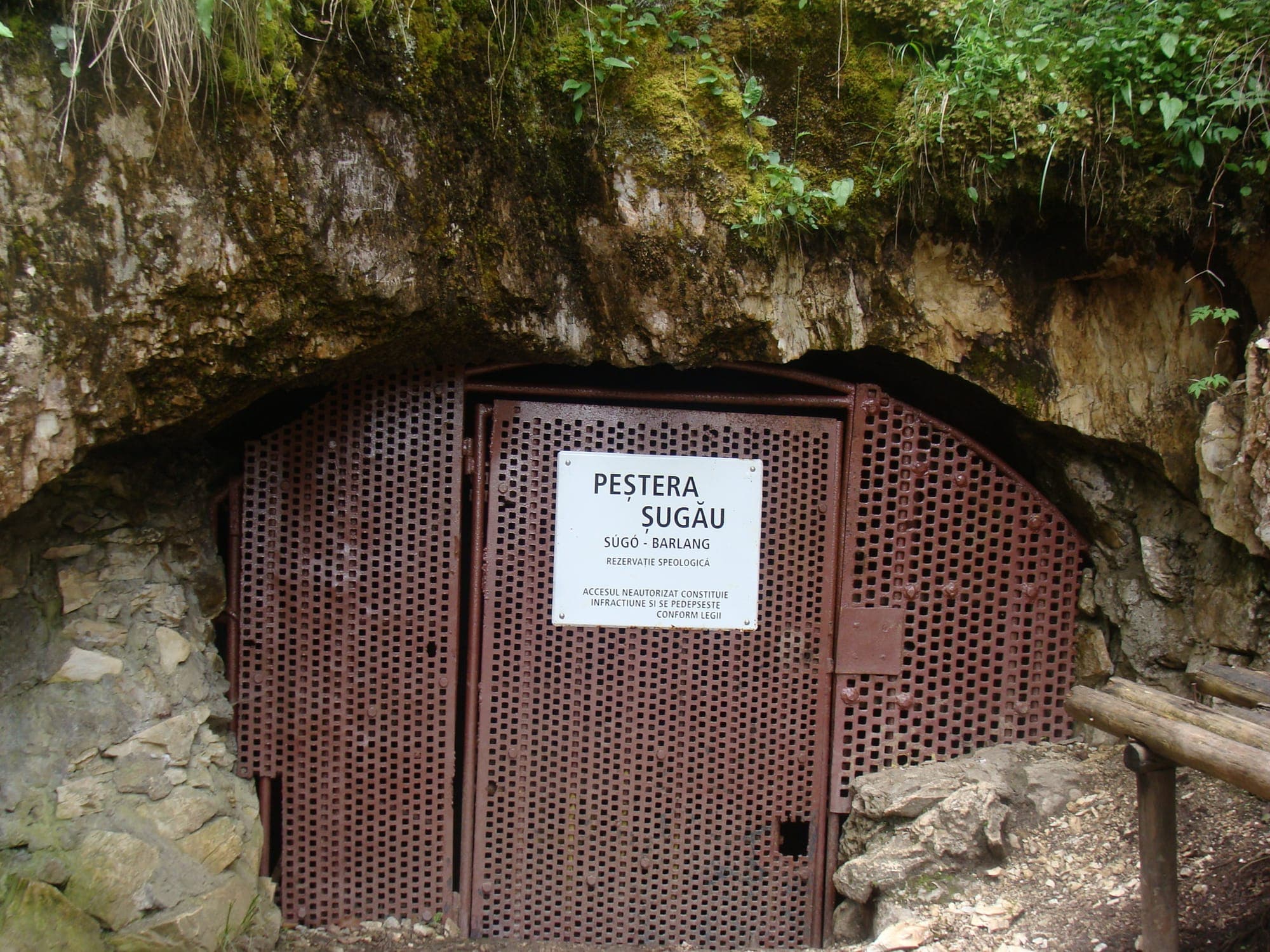
A cave reserve in the Giurgeu Mountains, with over 1,000 m of passages on four levels, visited only with a guide on a torch-lit route, among stalactites, columns and aragonite crystals.

A 15th-century Gothic church, extended in 1819 and ringed by a wall with loopholes; its slender tower is an example of the Ciuc type, and 15th-century frescoes survive inside.
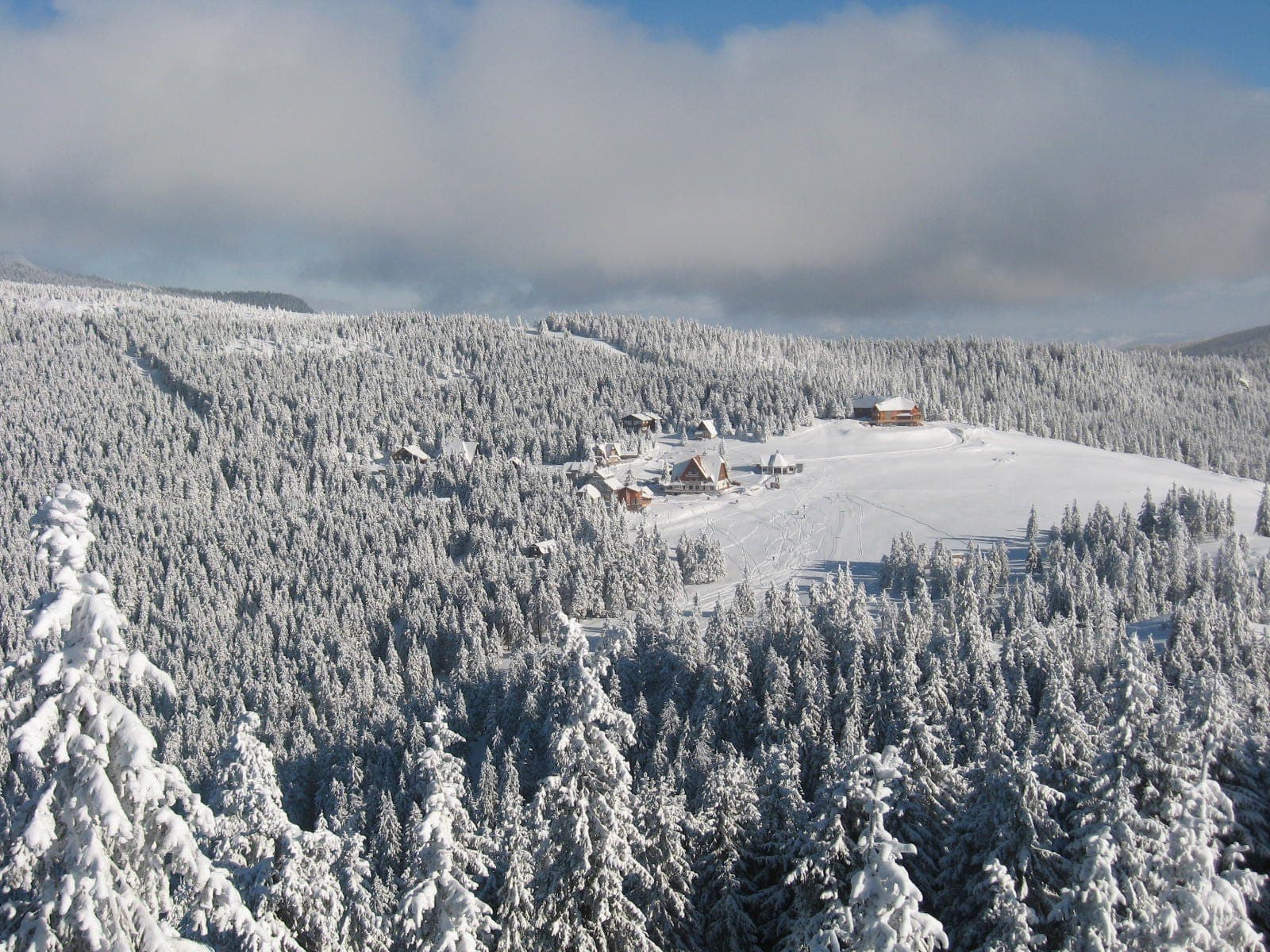
A ski area below Harghita Mădăraș, the highest peak of the Harghita Mountains: 4.5 km of runs through spruce forest, evening skiing and, in summer, hikes to the summit and a via ferrata.
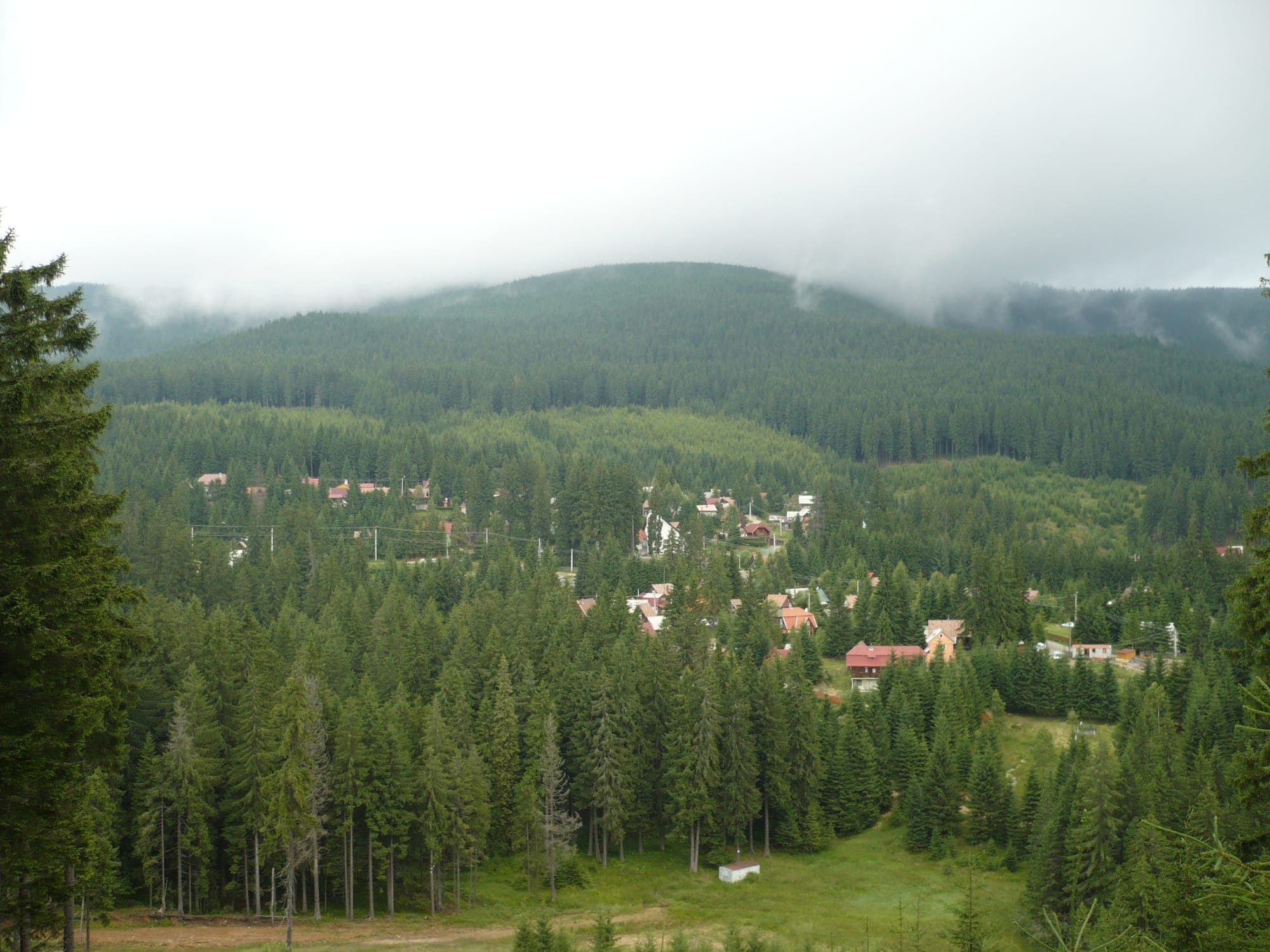
A mountain resort at about 1,300 m, on the slopes of the Harghita Mountains above the town of Miercurea Ciuc: ski runs through spruce forest in winter, a mofette and ridge hikes in summer.