

Slănic-Moldova
Slănic-Moldova, BC · 71 km from Bacău
A spa resort more than two centuries old in the Nemira Mountains: numbered mineral springs you drink from for free, the 1894 Art Nouveau Casino and the Nemira ski slope.
Bacău County sits in the middle of Moldavia, between the ridges of the Nemira and Ciuc Mountains to the west and the hills between the Siret and the Bârlad to the east. The Trotuș valley runs through it from Ghimeș to where the river joins the Siret, lining its banks with Comănești, Moinești, Târgu Ocna and Onești, old oil and salt country. The county seat, Bacău, is a university town and road hub on the Siret, linked with the name of the poet George Bacovia. Anyone wondering what to visit in Bacău County will find, above all, resorts and places to unwind at the foot of the mountains.
The best-known sights are on the Trotuș: Slănic-Moldova, the resort with mineral springs at the foot of the Nemira, and the Târgu Ocna Salt Mine, with its small church and leisure areas laid out underground. Nearby, Cașin Monastery and Lake Poiana Uzului are good reasons for an extra day in the surrounding valleys.
5 results
A spa resort more than two centuries old in the Nemira Mountains: numbered mineral springs you drink from for free, the 1894 Art Nouveau Casino and the Nemira ski slope.

One of Moldavia's oldest salt mines, still being worked: a bus takes you through a tunnel over 3 km long to 240 m below ground, to a salt church, a lake with a waterfall and sports courts.

A 17th-century wooden church, rebuilt in 1725 for the salt-mine workers and convicts of Târgu Ocna, with an iconostasis painted in 1833 and a bell tower with a bulb-shaped spire.

A foundation of Prince Gheorghe Ștefan from 1655–1657: a dressed-stone church inside a walled enclosure with towers, near Onești; today a parish church.
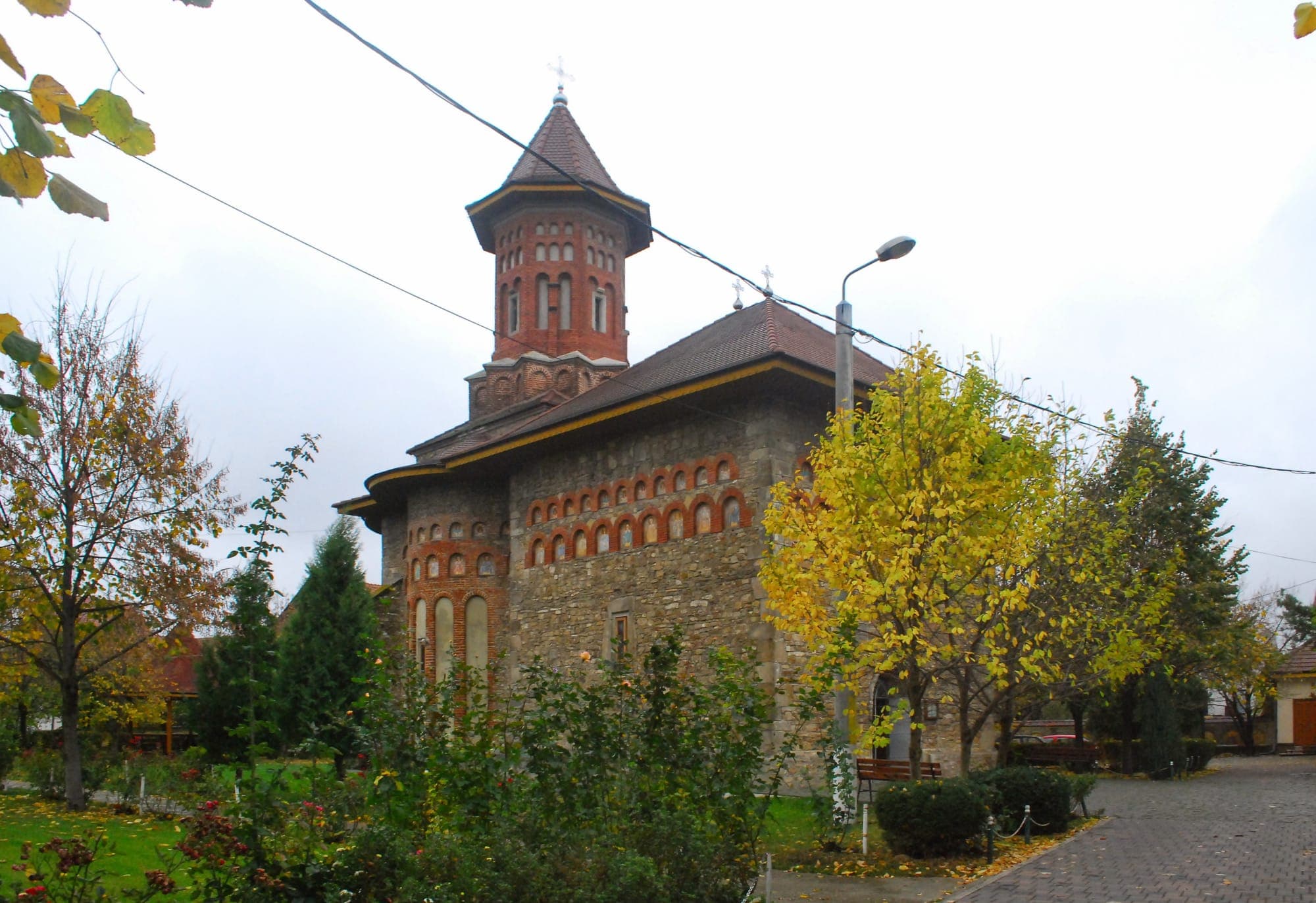
The church built in 1489–1491 by Alexandru, son of Stephen the Great, on 9 Mai Street in Bacău: a trefoil plan, an octagonal tower and rows of brick niches, next to the ruins of the princely court.


