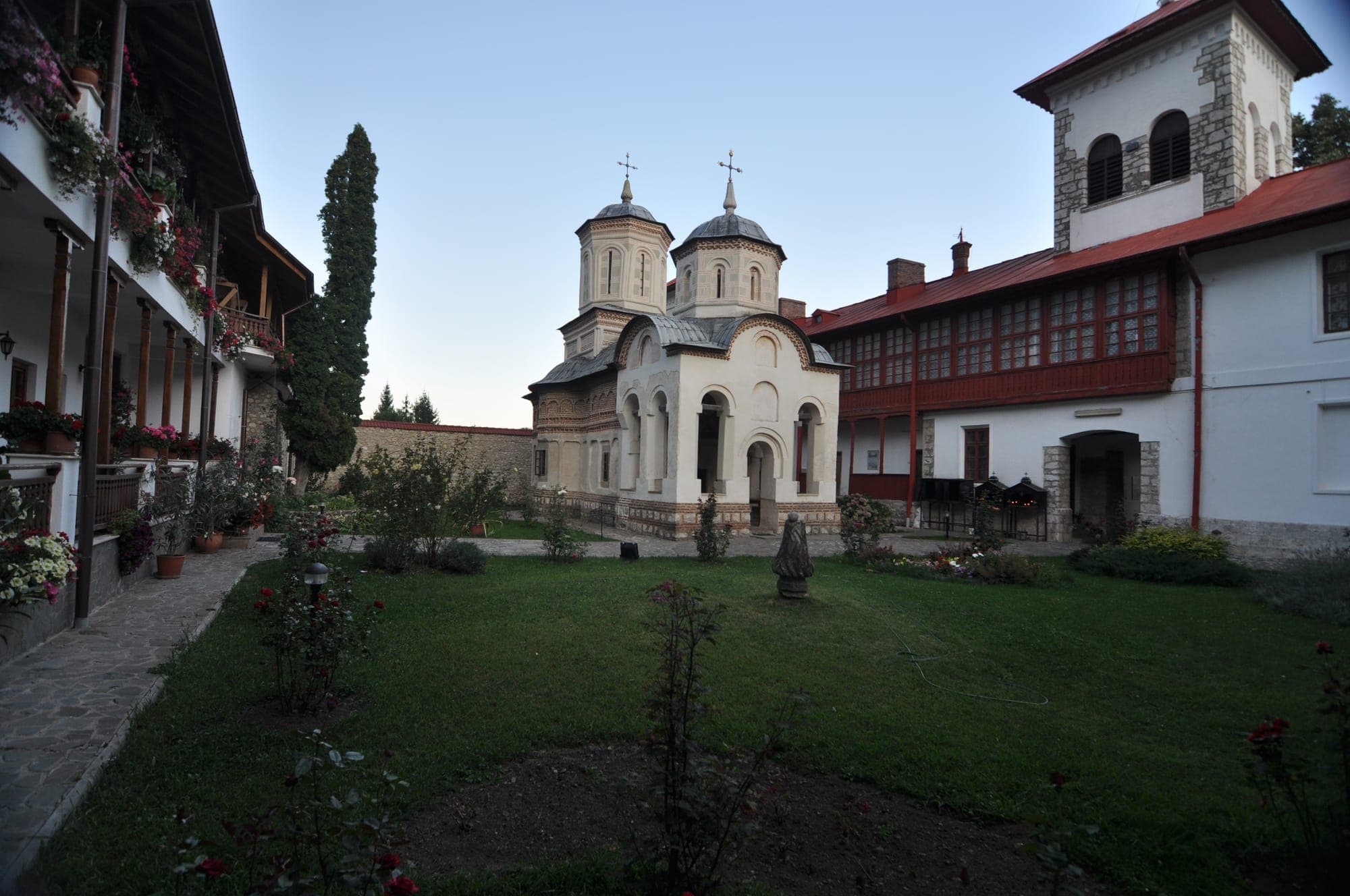
Arnota Monastery
Costești, VL
Matei Basarab's foundation of 1633–1634, on a limestone spur above Bistrița Monastery: a small princely church, painted in 1644, which holds the prince's tomb.
MonasteriesMonuments and historic sites
45 min
79 results
Matei Basarab's foundation of 1633–1634, on a limestone spur above Bistrița Monastery: a small princely church, painted in 1644, which holds the prince's tomb.
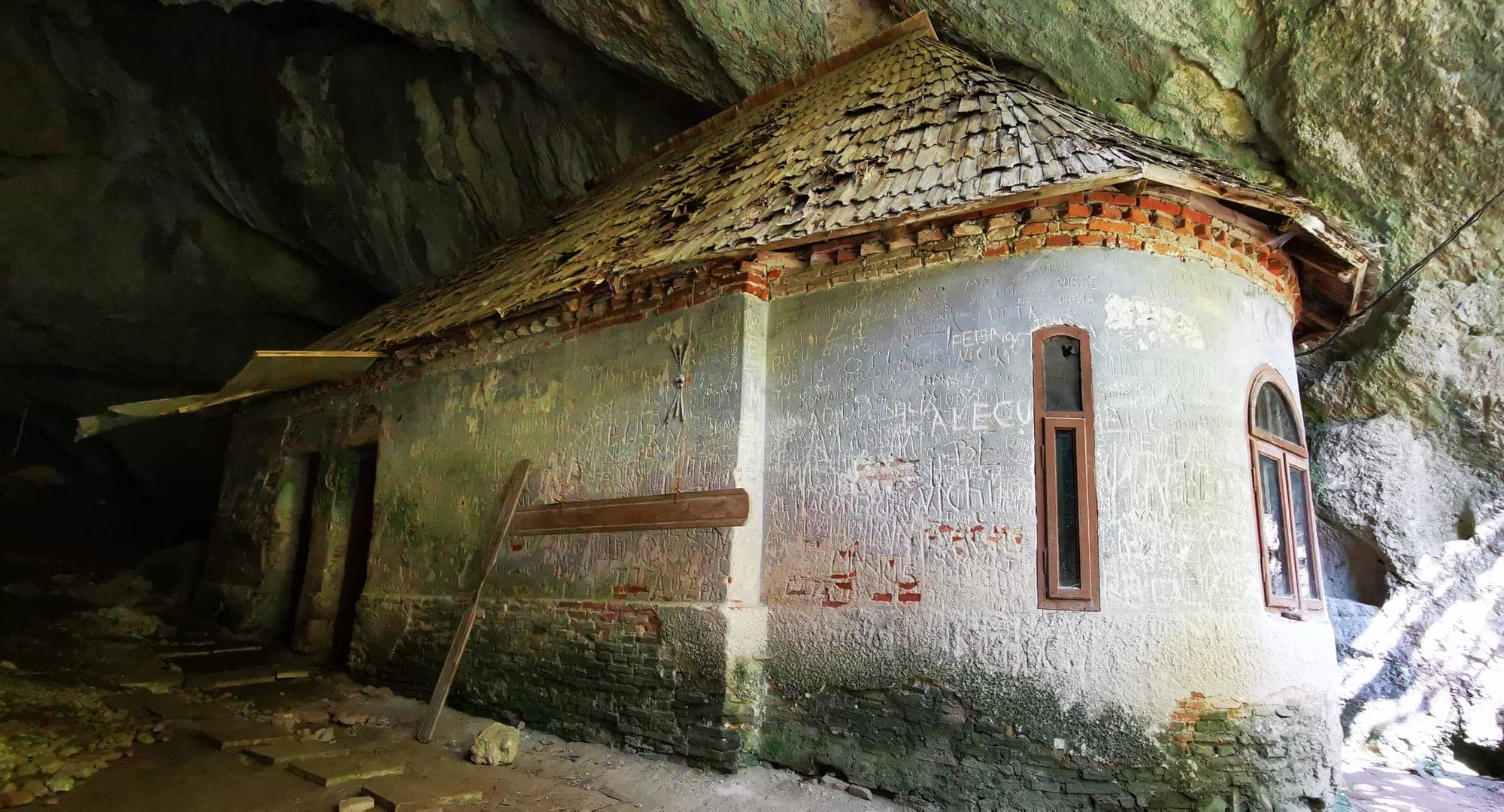
The cave of St Gregory Decapolites, in the Bistrița Gorges near Bistrița Monastery, with two churches built inside: Ovidenia (15th c.) and the Holy Archangels (1633); it shelters bats.
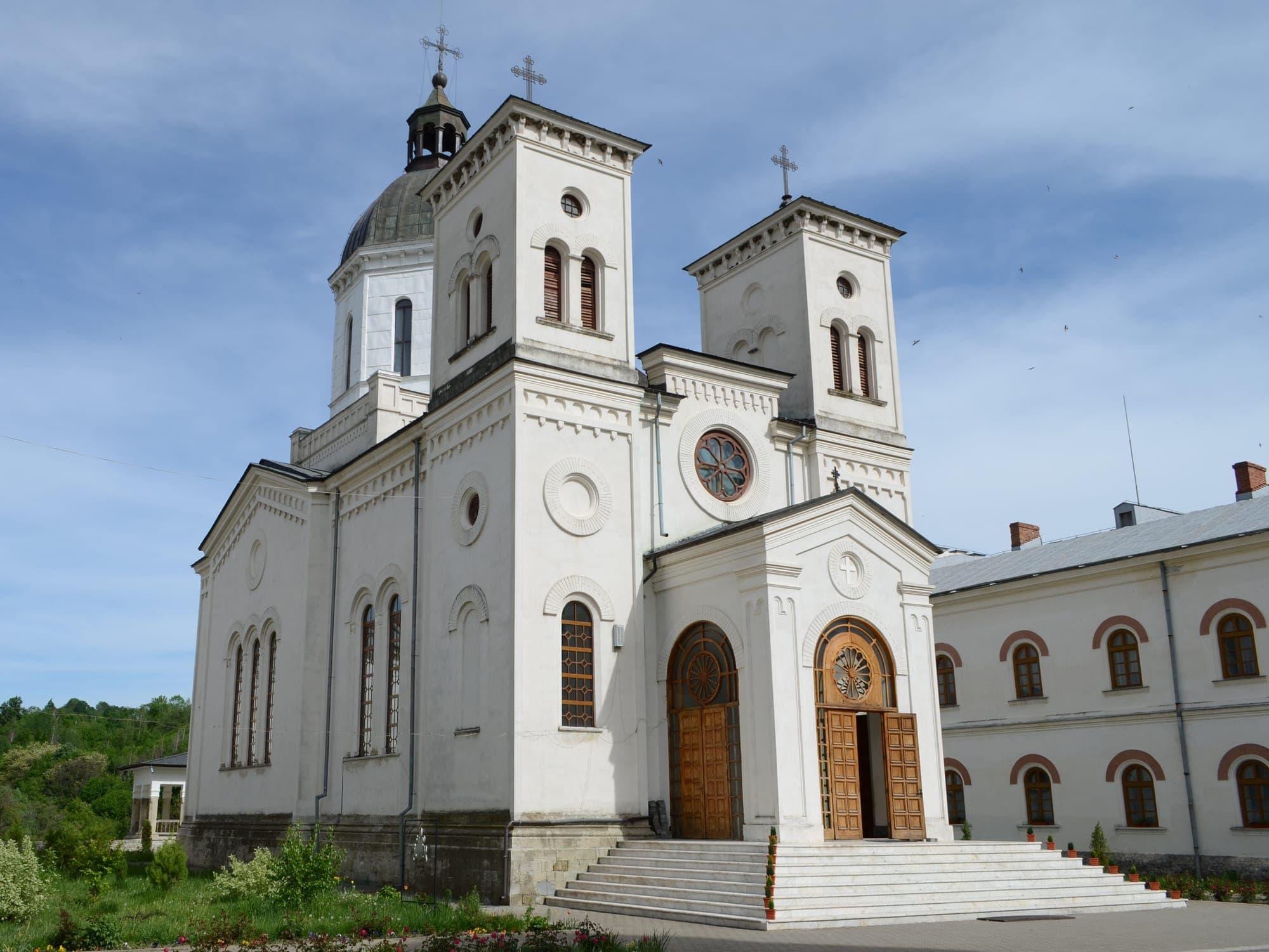
A late 15th-century foundation of the Craiovești boyars at the entrance to the Bistrița Gorges: it keeps the relics of St Gregory the Decapolite and the little infirmary church of 1520–1521.

In the centre of Rădăuți, the Church of St Nicholas, founded by Bogdan I around 1360, is the oldest surviving stone church in Moldavia and the resting place of the first Moldavian princes.

A convent in Olt, in the village that Matei Basarab and Constantin Brâncoveanu came from: defensive wall and bell tower of 1634–1640, a Brâncovenesc great church of 1699, and a museum with a lapidary.

A sixteenth-century foundation of the Buzești boyars, tucked into a valley in Olt County: a church with the votive painting of Michael the Brave, the Buzești tombs and a brick enclosure wall.

A foundation of Prince Gheorghe Ștefan from 1655–1657: a dressed-stone church inside a walled enclosure with towers, near Onești; today a parish church.
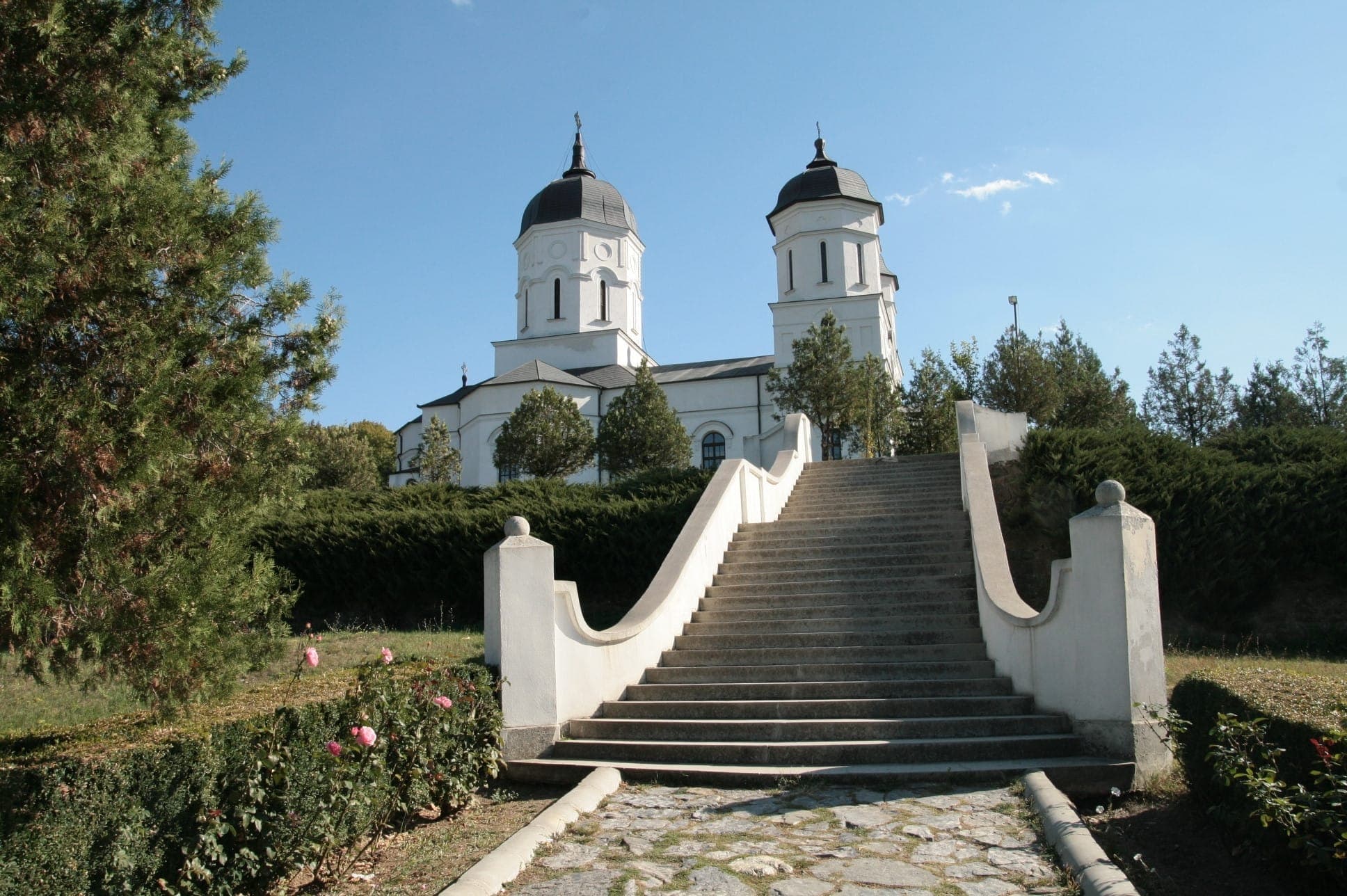
A convent in the Tulcea hills, with a white church built in 1901–1932 reached by a monumental staircase, rose gardens and a wooden windmill listed as a historic monument.
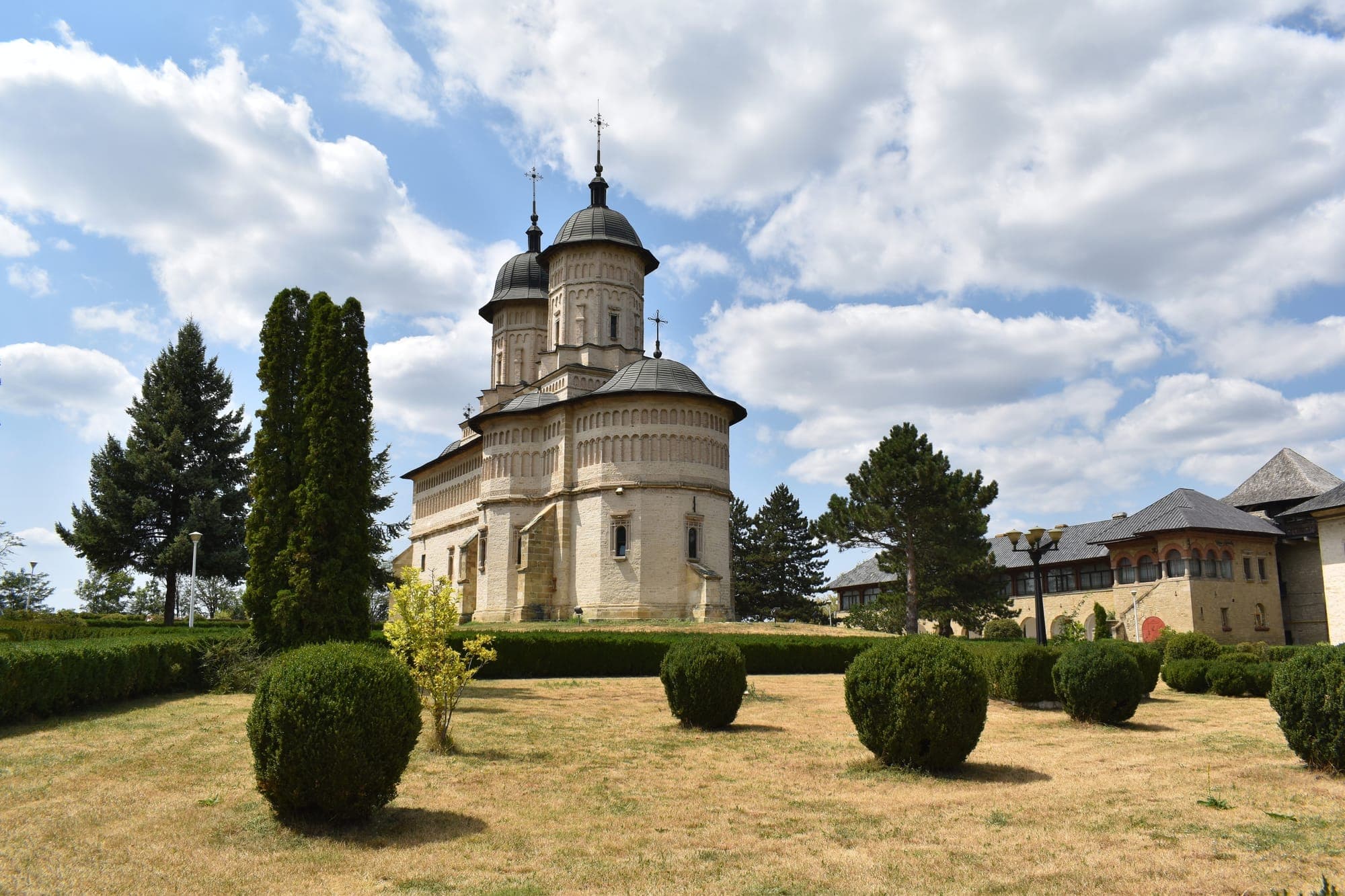
A fortified monastery on a hill in the south of Iași, built by Gheorghe Duca in 1669–1672, with a church modelled on the Three Hierarchs, enclosure walls and a bell tower at the entrance.
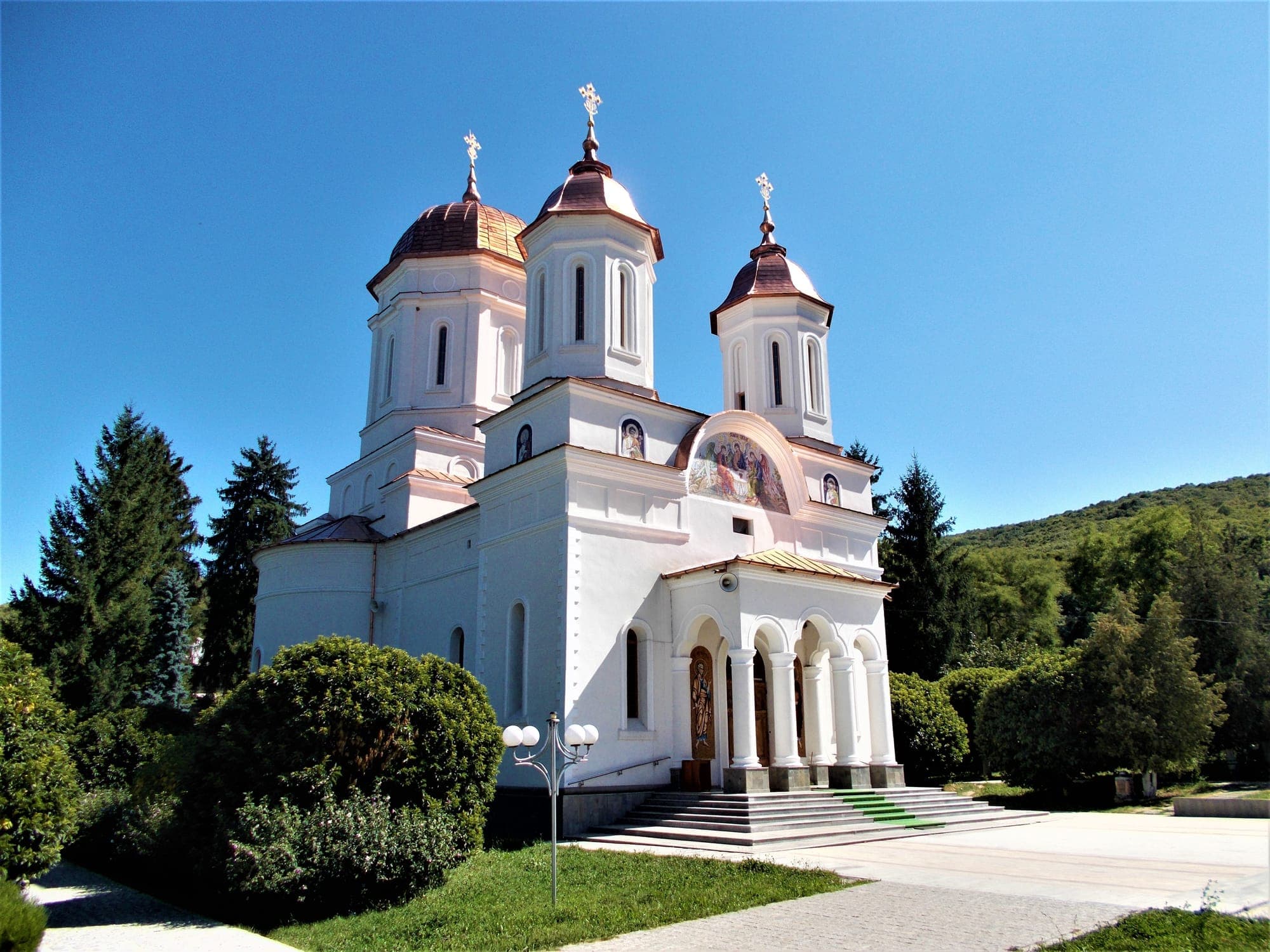
A monastery for monks hidden in a forest clearing in northern Dobruja, with a three-domed church, a 30 m bell tower and cells with timber balconies; it keeps the relics of the Niculițel martyrs.

A fortified lowland monastery founded by Vlad the Impaler in 1461 and rebuilt by Radu Șerban in 1588, with thick walls, a Brâncoveanu-style loggia and the church of St Nicholas, on the edge of the Comana marsh.

A monastery from 1535 founded by Grand Treasurer Mateiaș, with the trefoil-plan Church of St Nicholas, an 18th-century bell tower and an abbot's house turned into a museum.
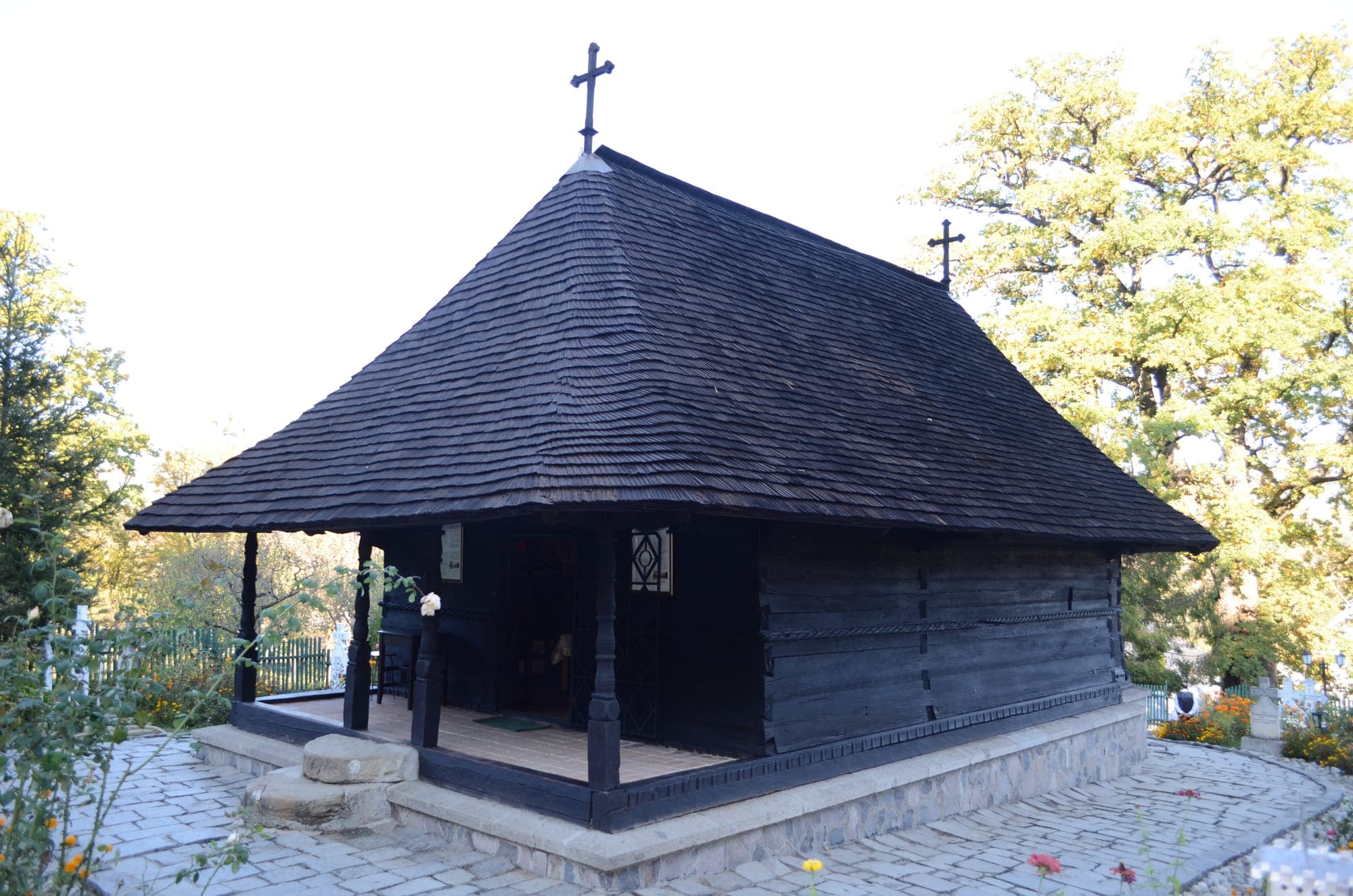
A convent in Vâlcea named after the legend of a church carved from a single oak: the little wooden church in the cemetery and Matei Basarab's stone church, with its icon of the Mother of God.
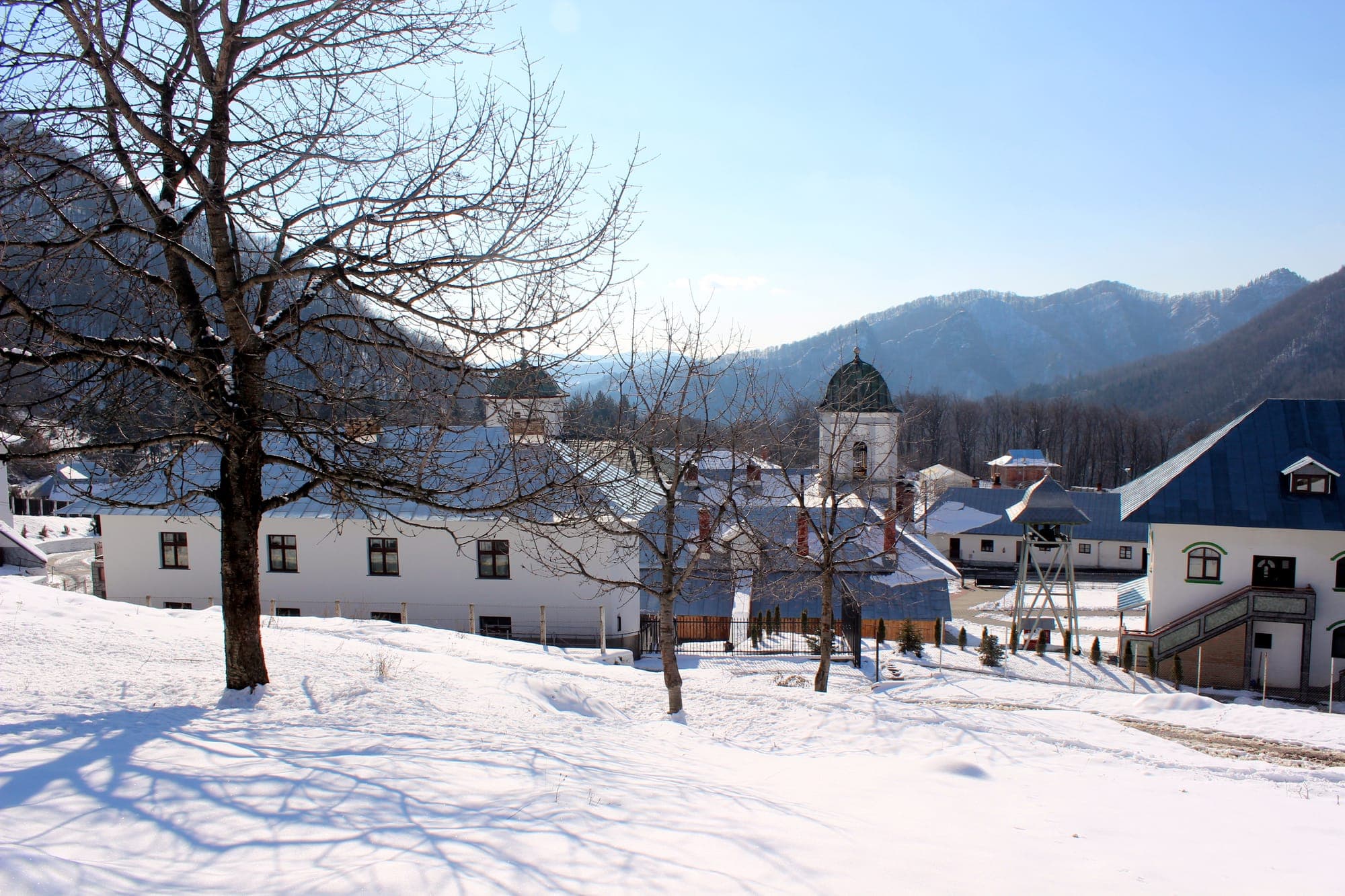
A monastery for monks founded by St Calinic of Cernica in 1860–1863 and run according to the rule of Mount Athos: no meat, services until dawn and no entry for women.
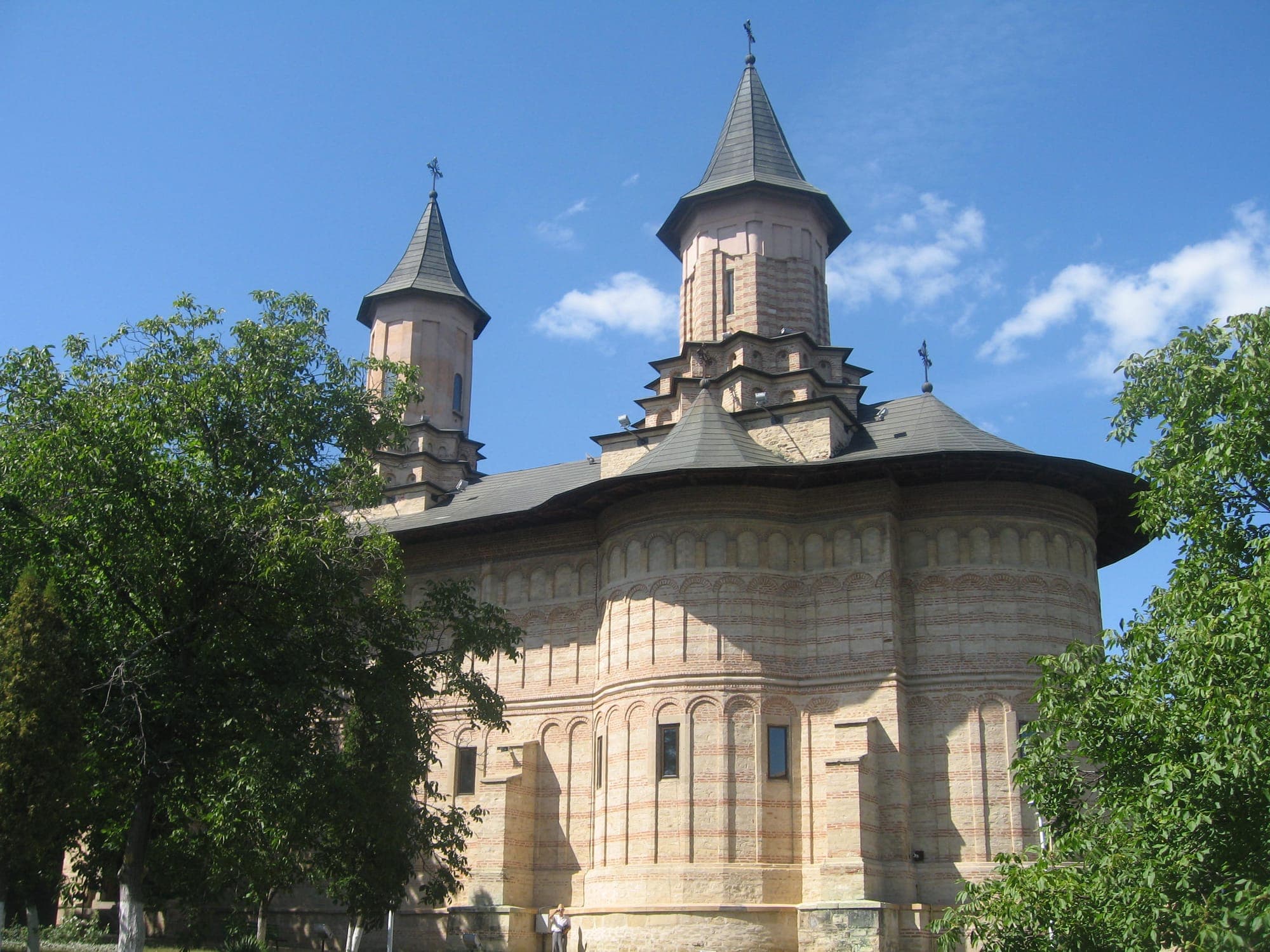
A convent on Galata Hill in Iași, founded by Petru Șchiopul in the 1580s, with a stone-and-brick church, the first in Moldavia with two towers, and a walled enclosure with a fortress-like bell tower.