

The Baroque Jesuit church on the Grand Square, built in 1726–1733, with the fresco behind the high altar, the 1860 organ and the funerary monument of Marshal Traun.
ChurchesMonuments and historic sites
30 minFree
275 results
The Baroque Jesuit church on the Grand Square, built in 1726–1733, with the fresco behind the high altar, the 1860 organ and the funerary monument of Marshal Traun.

The former Casa Scânteii, the Socialist Realist building in northern Bucharest with a central tower and antenna, 104 m tall: between 1956 and 2007 it was the tallest in the city. It can be seen from outside, from Free Press Square.

The peasant house of logs and clay, with a shingle roof, where Ion Creangă grew up, the hero of “Memories of My Boyhood”. A museum since 1951, restored and reopened in 2024.

The Eminovici family house in Ipotești, rebuilt on the foundations of the one from Mihai Eminescu's childhood, with the family's wooden church, his parents' graves and a peasant house holding an ethnographic collection.

The Jidova or Jidava fort, at the entrance to Câmpulung, the only stone fort on the Limes Transalutanus, with walls, rebuilt towers, a hypocaust and a site museum; part of the UNESCO site of the Roman frontier in Dacia.

A ruined peasant fortress with a stone curtain wall and towers on a hill at the edge of Jimbor village, on the road from Rupea towards the Székely Land; it bears a restoration inscription dated 1692.

Renaissance residence of the Keresztúri and Kornis families, now a ruin near Dej: the 1720 gate tower, a neoclassical wing with a colonnade and the plinths of the two unicorns.

A Brâncoveanu-style church of exposed brick, built in 1720–1722 on Calea Victoriei near Revolution Square, with an open porch on stone columns, two towers and the original painting in the porch.
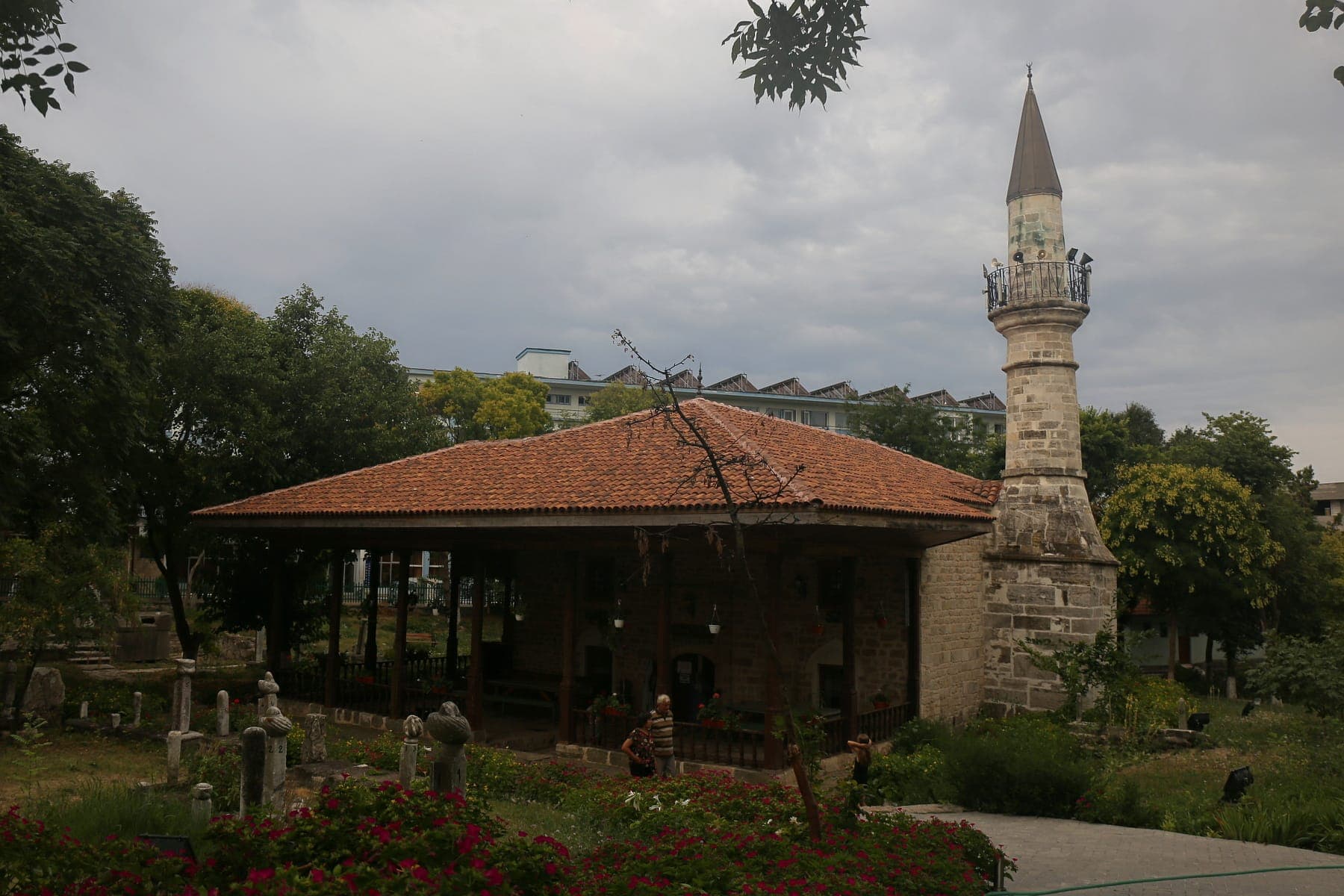
The town at the southern end of the Romanian coast: the 1575 Esmahan Sultan Mosque, the marina, the archaeology museum, the Callatis ruins and the seafront, in the same municipality as the Saturn–Olimp resorts.

The former Rally Theatre, a heritage building in Brăila's historic centre, with a richly ornamented façade on Calea Regală, restored with EU funds and still a working repertory theatre.

The ruin of a Renaissance residence in Vințu de Jos, built by Cardinal Martinuzzi on the site of a Dominican monastery and remade as a fortress by Gabriel Bethlen; it is now fenced off and awaiting restoration.
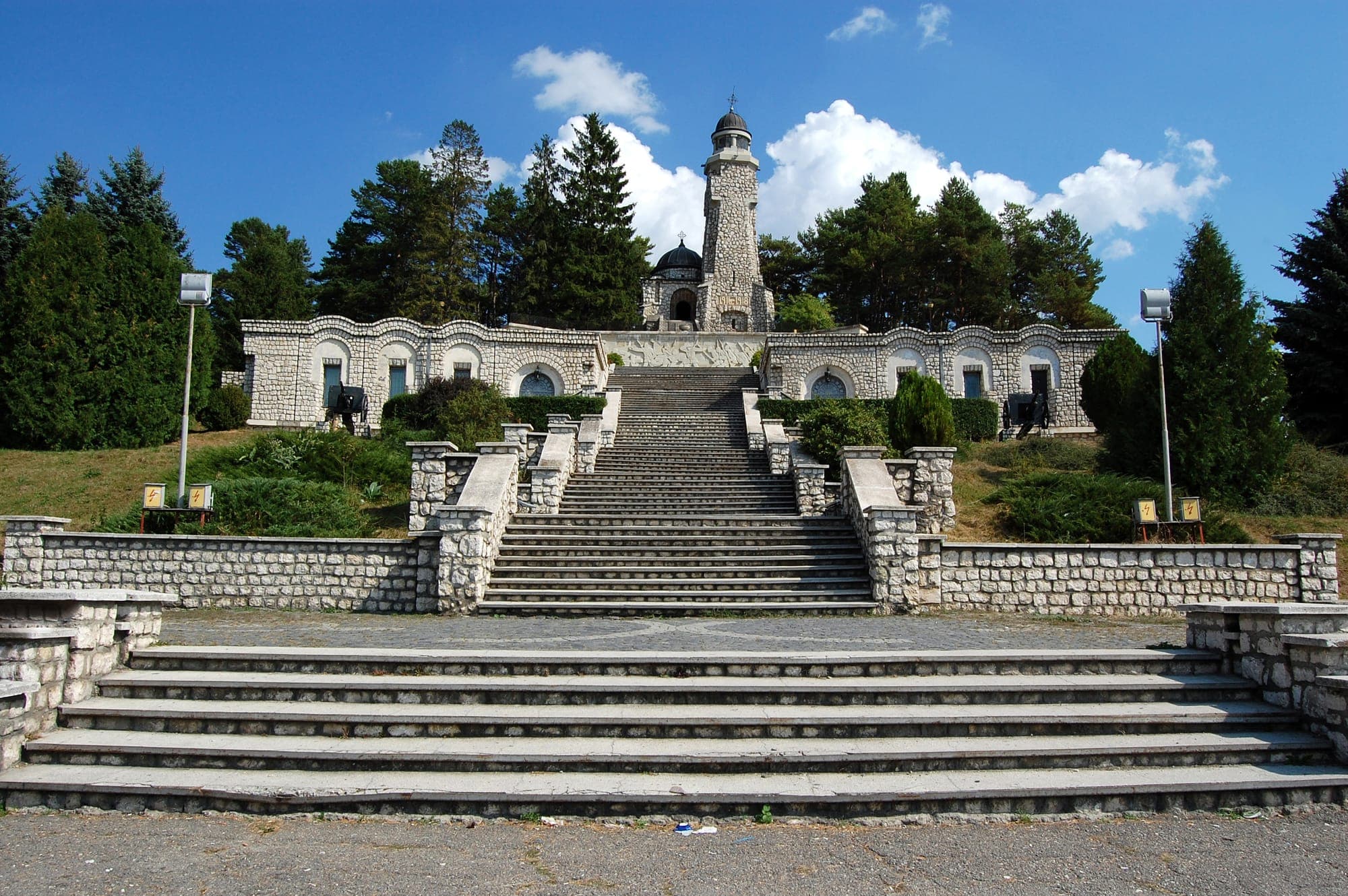
The First World War heroes' mausoleum on Mateiaș Hill, built between 1928 and 1935 beside the DN73 on the site of the autumn 1916 fighting, with an ossuary, a bas-relief and two museum rooms.

A Gothic house of the 15th century where King Matthias Corvinus was born in 1443; today it belongs to the University of Art and Design and is best seen from the street, with its pointed-arch portal and commemorative plaques.

The museum of the Memorial of the Revolution Association, in a former military building in Timișoara: clothes and flags from the days of December 1989, a chapel of the hero-martyrs and the only section of the Berlin Wall in Romania.

The Orthodox church of the Dormition of the Mother of God in Piața Unirii, built in 1784–1790 and known for the globe in its tower that shows the phases of the Moon, in a mechanism of 1793.



