

A stone church built in 1636 by Matei Basarab, hidden among the blocks beside Bulevardul Națiunile Unite, with a columned porch, two towers and an inscription of 1715 by Ștefan Cantacuzino.
ChurchesMonuments and historic sites
20 min
275 results
A stone church built in 1636 by Matei Basarab, hidden among the blocks beside Bulevardul Națiunile Unite, with a columned porch, two towers and an inscription of 1715 by Ștefan Cantacuzino.
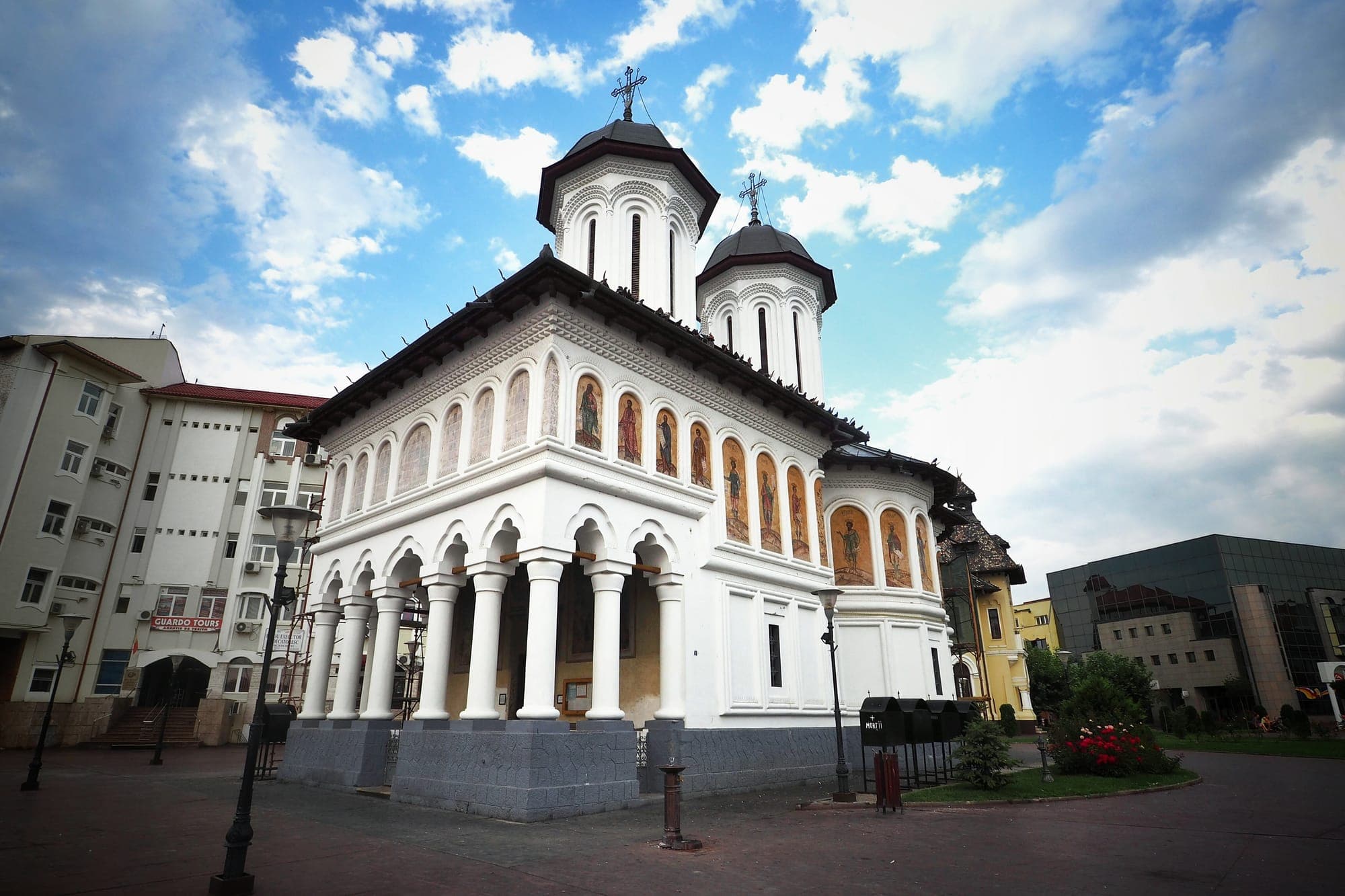
The two-towered Orthodox church on Victory Square, built in 1748–1764 by merchants, with exterior frescoes of ancient philosophers and a past as a museum under communism.
A karst reserve in the Șureanu Mountains: a 6.7 km underground traverse along the Ponorici stream and the fossil cave where the roughly 33,000-year-old “Cioclovina 1” skull was found; access for authorised cavers only.
A cave in the Sighiștel Valley, in the Bihor Mountains, with charcoal cave drawings some 32,000–36,000 years old, considered the oldest in Central Europe; closed to the public.

A fortified lowland monastery founded by Vlad the Impaler in 1461 and rebuilt by Radu Șerban in 1588, with thick walls, a Brâncoveanu-style loggia and the church of St Nicholas, on the edge of the Comana marsh.
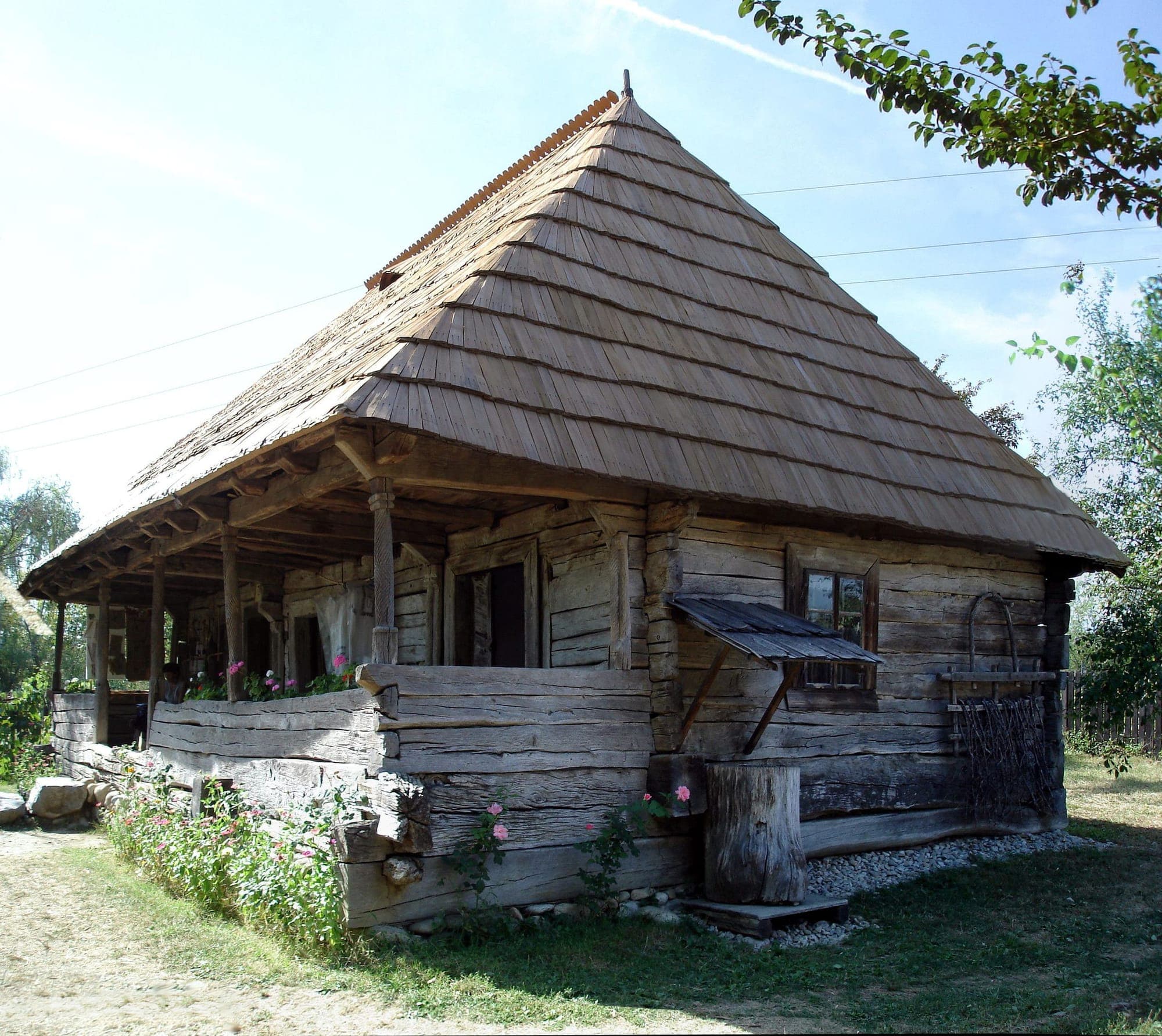
The wooden homestead in the village where Brâncuși was born in 1876: a house with a porch of twist-carved posts, a carved gate, outbuildings and peasant furniture, a museum since 1971.

The oldest public park in Iași, laid out from 1834 on Copou hill, with the Lions' Obelisk, Eminescu's Linden Tree, the busts of the Junimea writers and the "Mihai Eminescu" Museum.

An Oltenian fortified tower-house from 1812–1827, with a massive ground floor and a decorated veranda, built by the Măldărescu family and bought in 1910 by I.G. Duca; now part of the Măldărești Museum Complex near Horezu.

The former Pannonia Hotel, built in 1901–1902 in Liberty Square to plans by Zoltán Bálint and Lajos Jámbor, is one of the finest Secession buildings in Satu Mare. It can only be seen from outside: it is under restoration.

The ruins of a Roman and Byzantine fortress near Garvăn, on a hillock in the Danube floodplain, its curtain wall and towers still standing, facing Galați across the river.
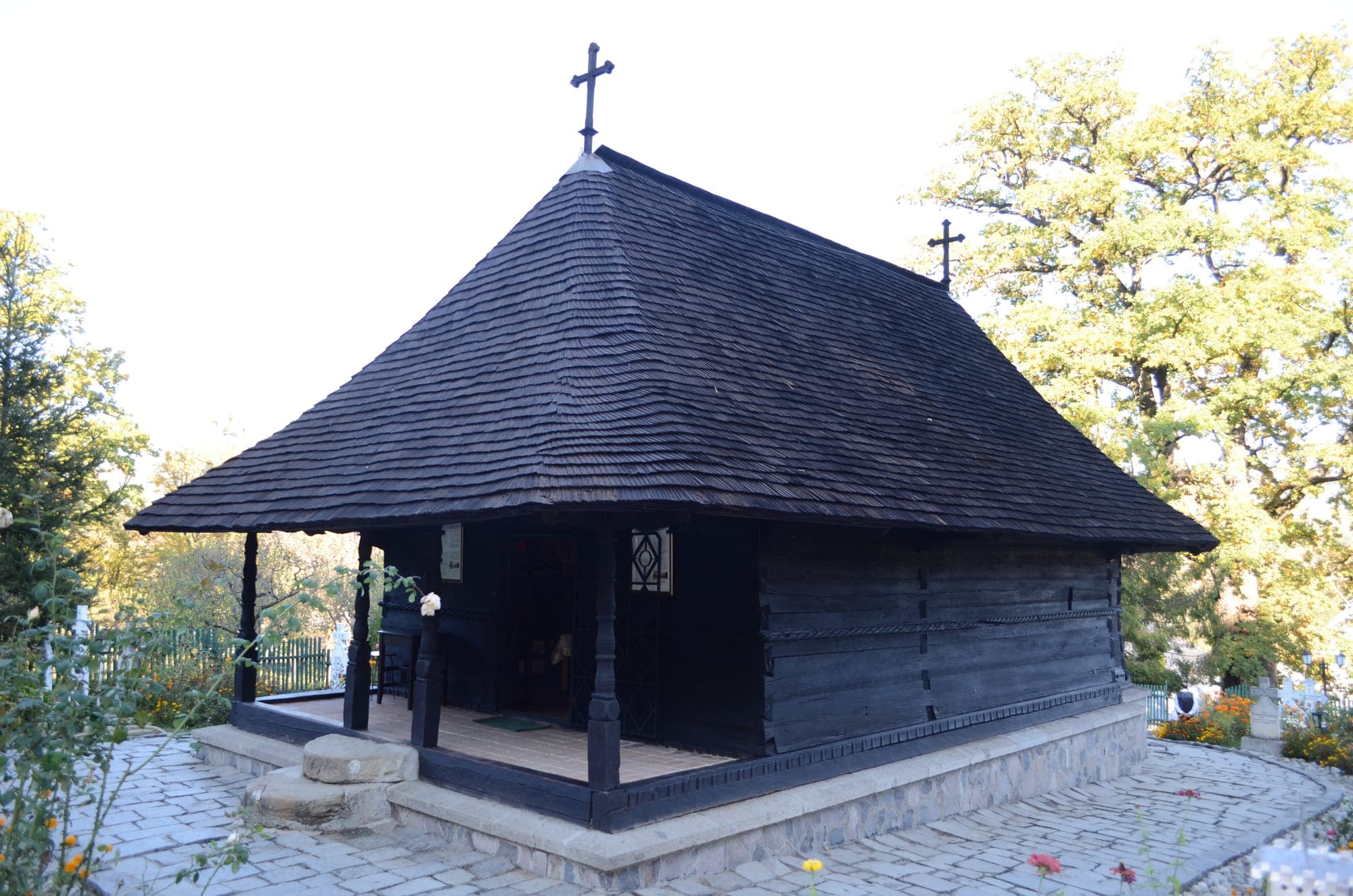
A convent in Vâlcea named after the legend of a church carved from a single oak: the little wooden church in the cemetery and Matei Basarab's stone church, with its icon of the Mother of God.
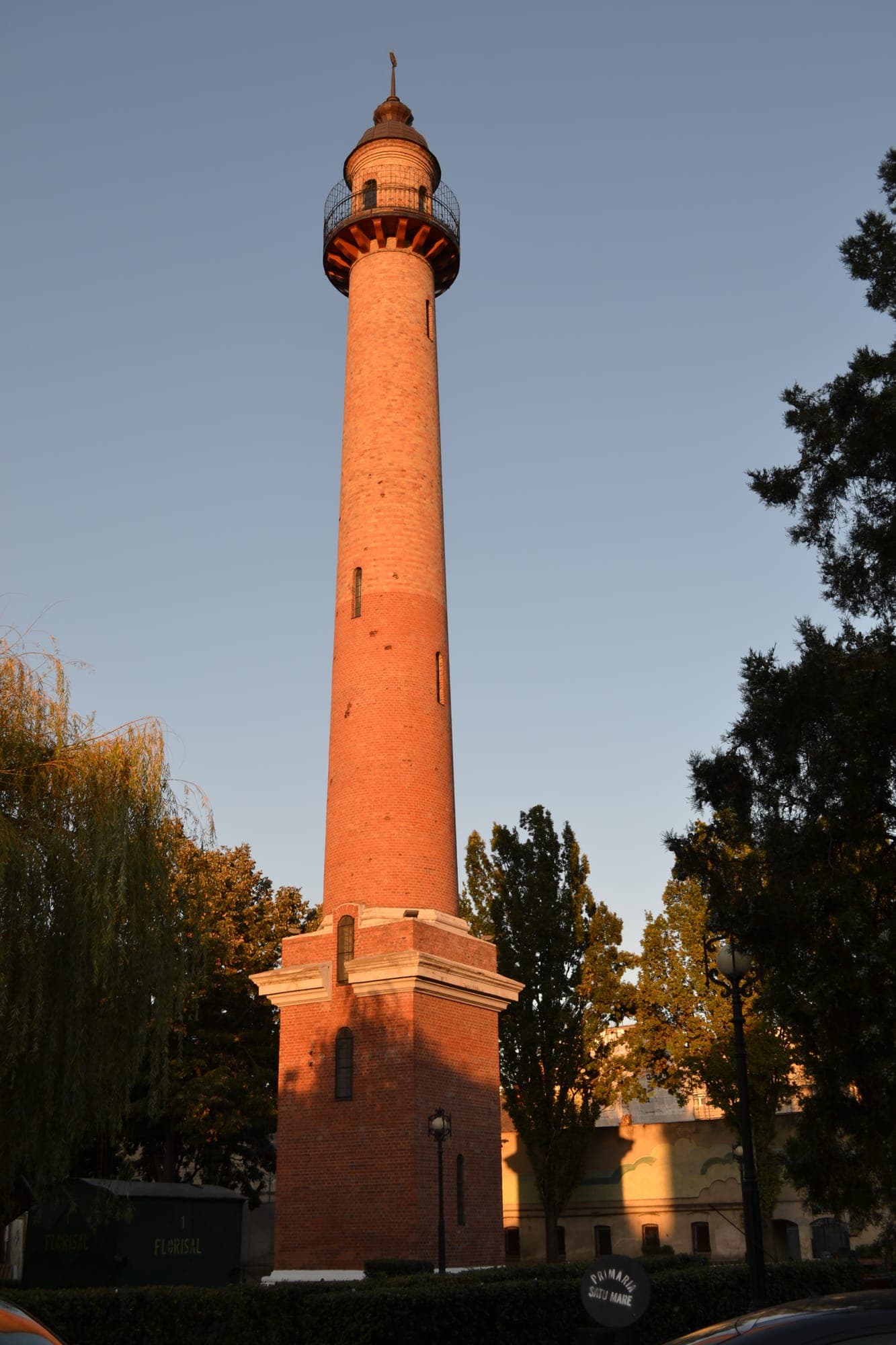
A red-brick fire tower, 47 m tall, built in 1904 on the initiative of Bishop Gyula Meszlényi; the balcony at the top looks out over the whole centre of Satu Mare.
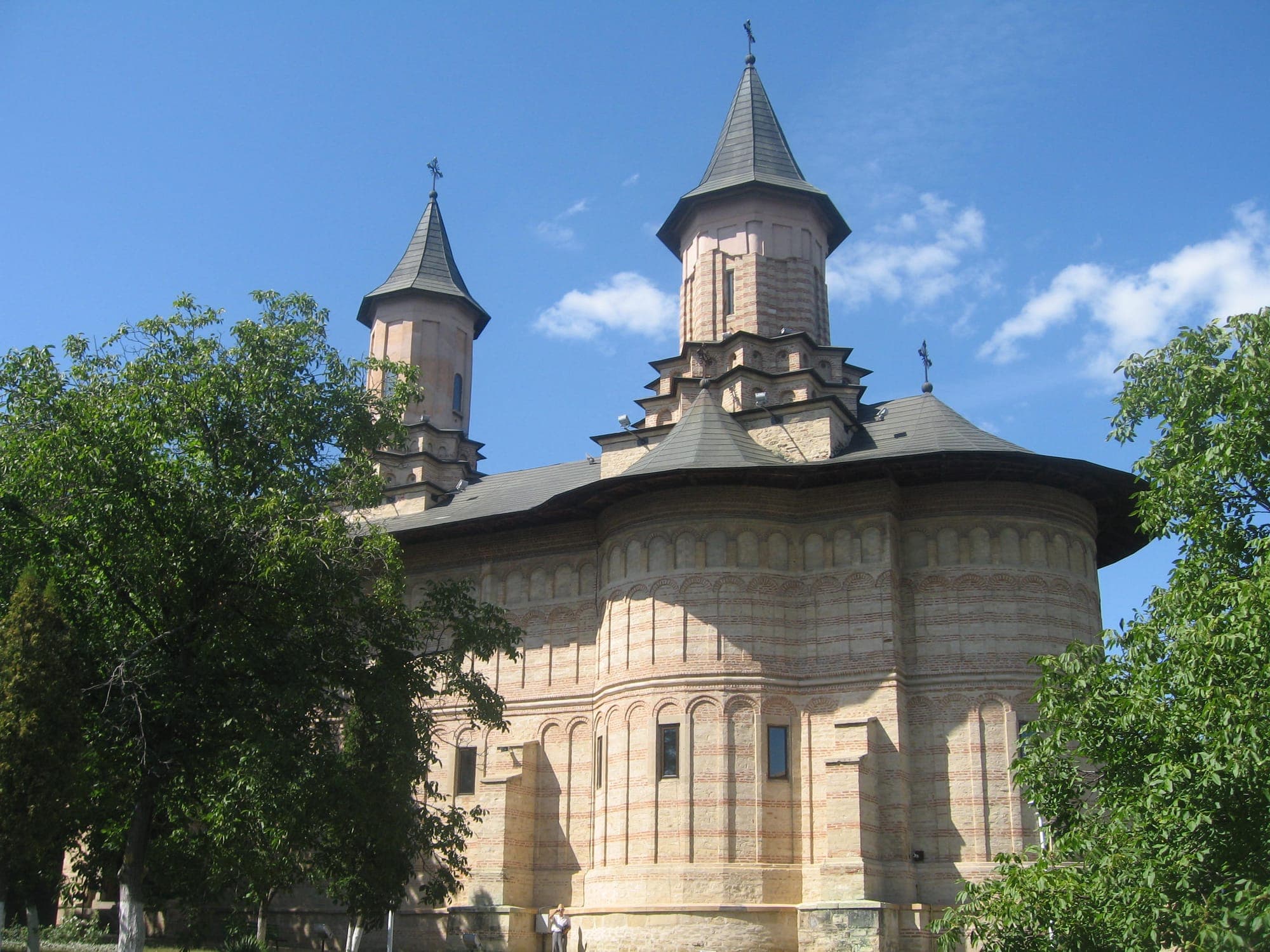
A convent on Galata Hill in Iași, founded by Petru Șchiopul in the 1580s, with a stone-and-brick church, the first in Moldavia with two towers, and a walled enclosure with a fortress-like bell tower.

The oldest kula of the Măldărești museum complex, a boyar tower from the 16th century completed in the 18th, with arcaded porches and an upper floor laid out as an Oltenian minor boyar's court.

A Classicist manor in Cristuru Secuiesc, begun in 1728, where Petőfi Sándor spent the night before the Battle of Albești; restored and reopened in May 2026, with the poet's pear tree in the yard.



