A palace in central Bucharest, built in 1911–1923 to plans by Dimitrie Maimarolu, with a façade of Corinthian columns, steps down to the Sărindar Fountain and richly decorated ceremonial halls.
The museum in the Babylon building and the Union Hall, where the union of Transylvania with Romania was voted on 1 December 1918, in the heart of the Alba Carolina Fortress.
Museums and memorial housesMonuments and historic sites
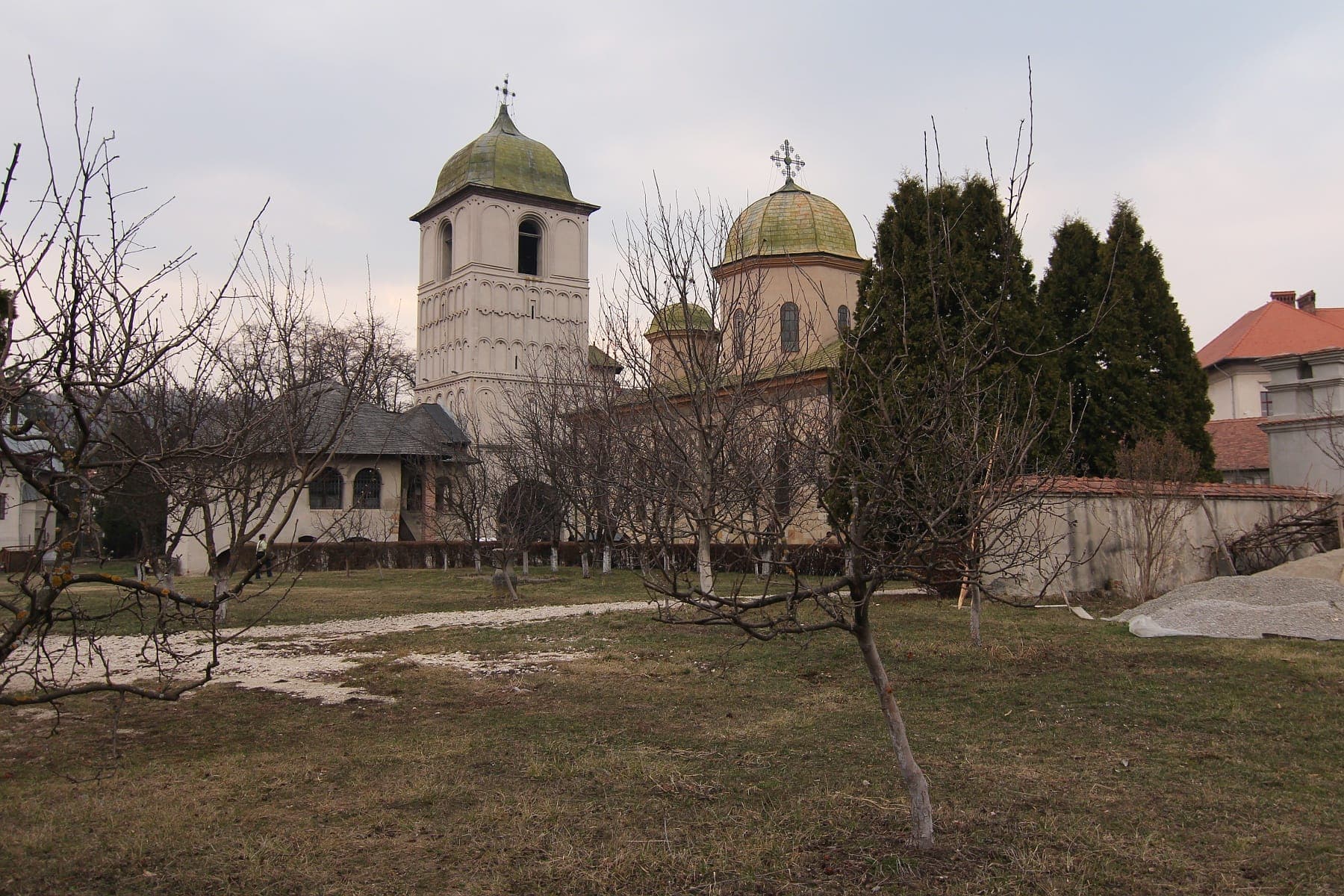
The ensemble on the site of the old princely court of Câmpulung, with the 1647 bell tower, the 1364 tombstone of Prince Nicolae Alexandru and Matei Basarab's Princely House.
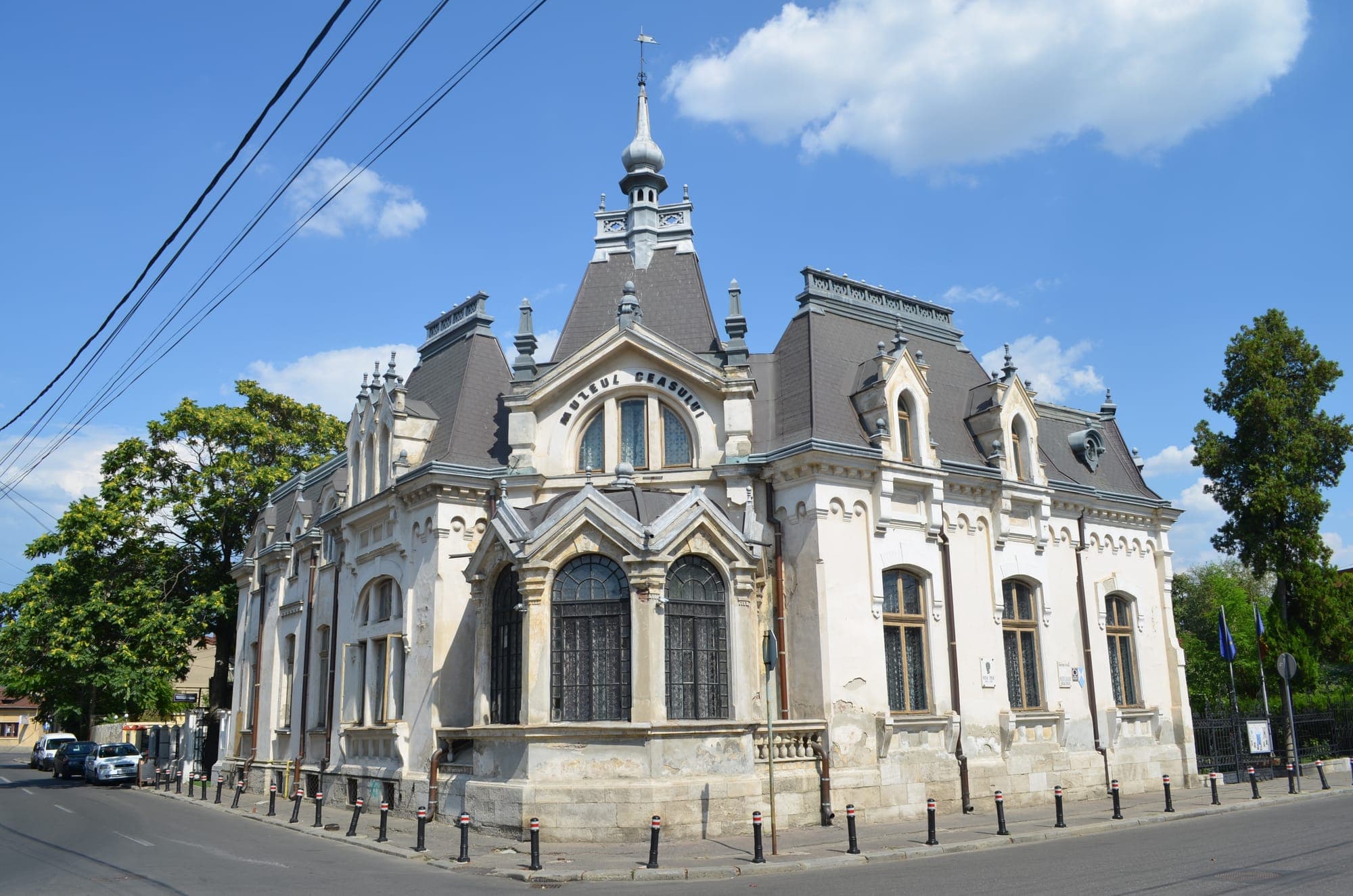
A museum of timekeeping in a late 19th-century house in Ploiești: astronomical clocks from the 16th century, pocket watches, mantel clocks and musical mechanisms that still work today.
Museums and memorial housesMonuments and historic sites
The white tower of the European Commission of the Danube in the middle of Sulina, now a museum about the town called “Europolis”, the writer Jean Bart and the conductor George Georgescu.
Museums and memorial housesMonuments and historic sites
The Church of the Exaltation of the Holy Cross, built by Stephen the Great in 1487: his oldest surviving foundation, with the "Cavalcade of the Holy Cross" fresco; a UNESCO site near Suceava.
The church built in 1654–1658 on Metropolitan Hill, a patriarchal cathedral since 1925, with the relics of Saint Demetrius the New and a Brâncoveanu bell tower from 1698.
A cave closed to visitors in the Miniș valley near Anina, where some of the oldest modern human fossils in Europe, about 40,000 years old, came to light in 2002.
A department of the Brukenthal National Museum, in an arcaded house on the Small Square, the former "At the Black Bear" pharmacy: the dispensary, the laboratory and a homeopathy collection of almost 3,000 pieces.
Museums and memorial housesMonuments and historic sites
The central square of Cluj, with the Gothic St Michael's Church, the 1902 equestrian statue of Matthias Corvinus and the façades of the Bánffy Palace and the surrounding houses.
An Orthodox church in Sector 2, built in 1910–1918 to plans by Cristofi Cerchez, with a porch on eight columns, two towers and interior painting redone after the 1977 earthquake.
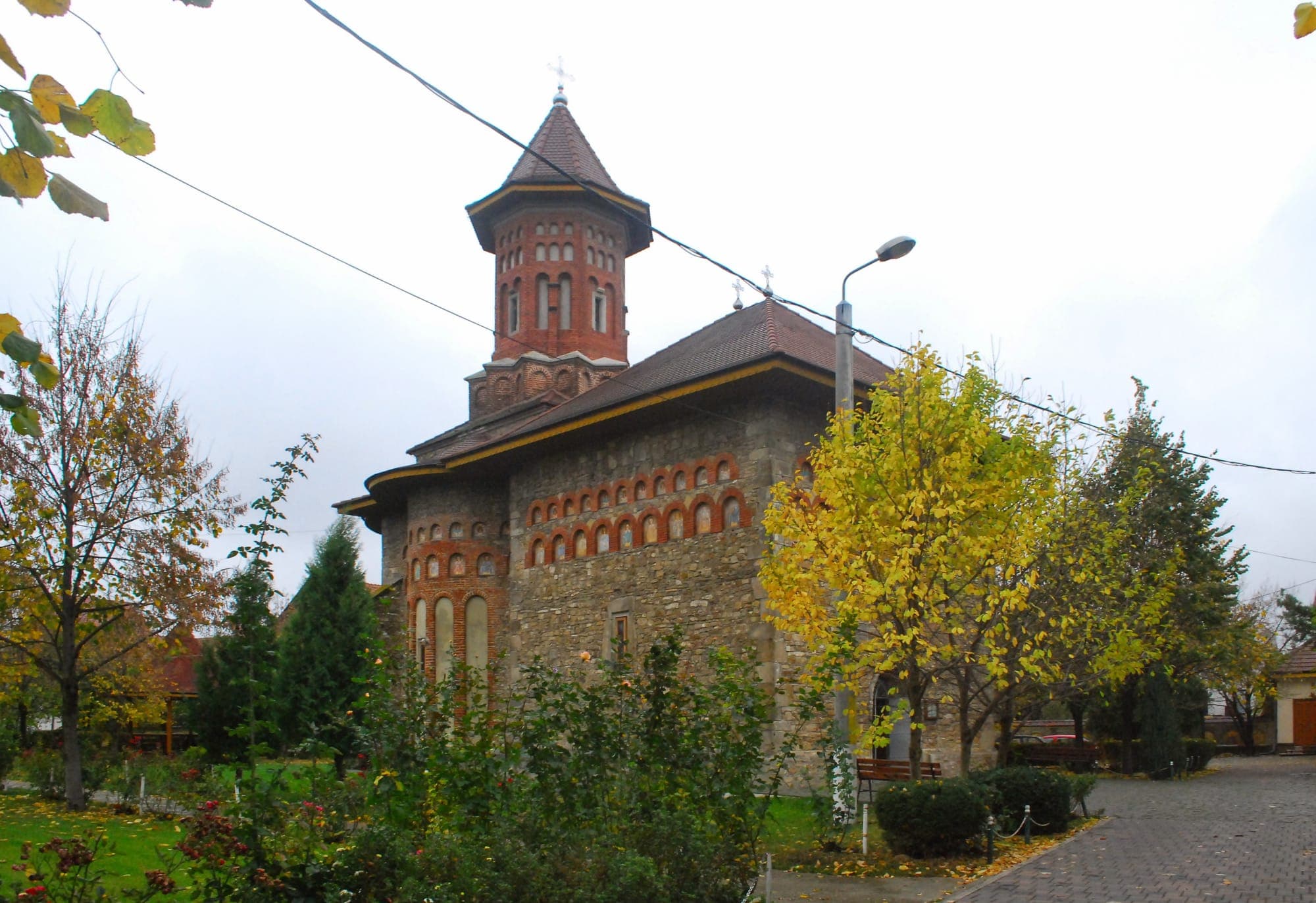
The Church of St Nicholas, built by Stephen the Great in 1496: the oldest church in Botoșani, of bare red brick, with a stone bell tower from the same period.
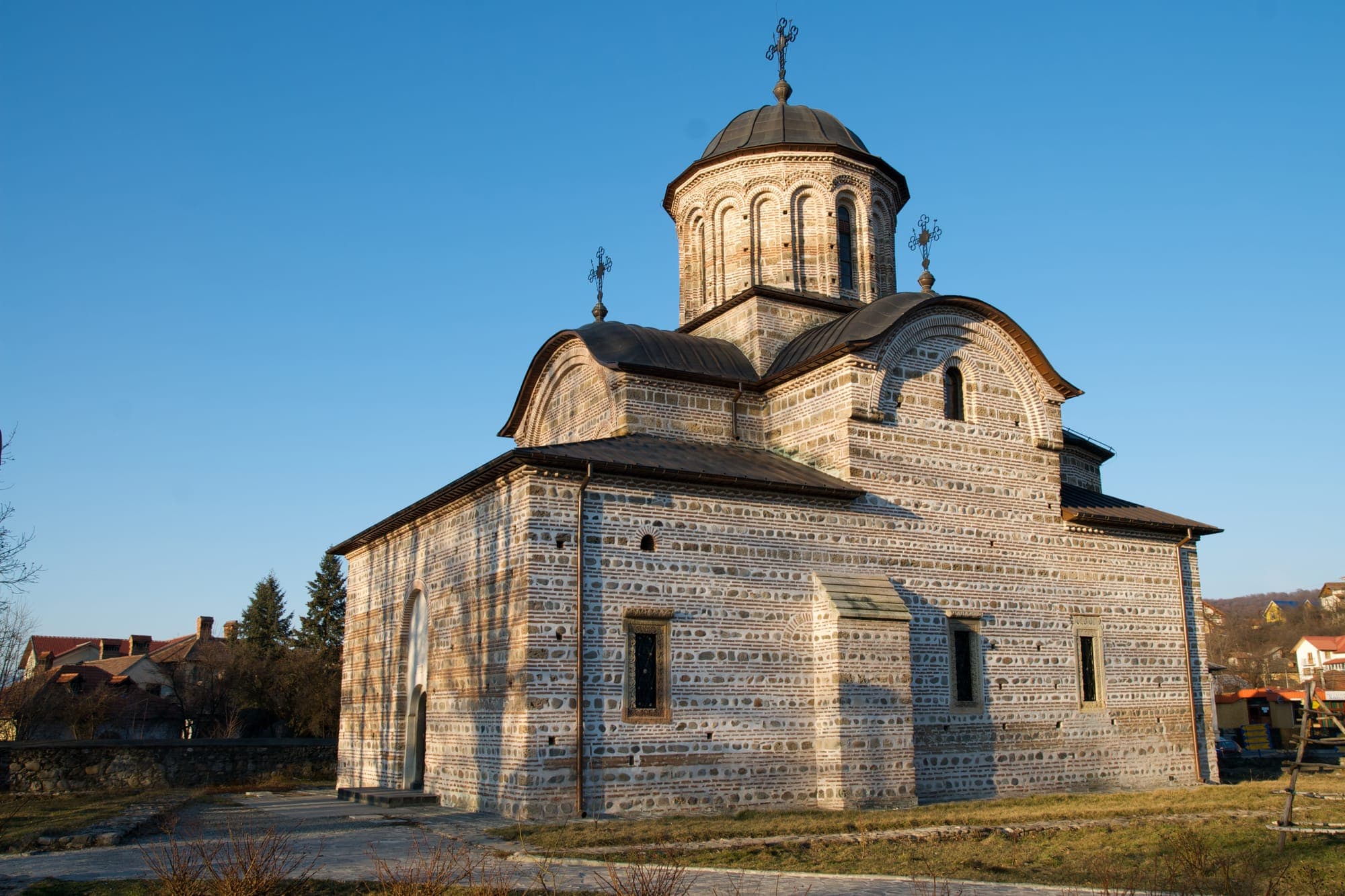
The church built in 1489–1491 by Alexandru, son of Stephen the Great, on 9 Mai Street in Bacău: a trefoil plan, an octagonal tower and rows of brick niches, next to the ruins of the princely court.
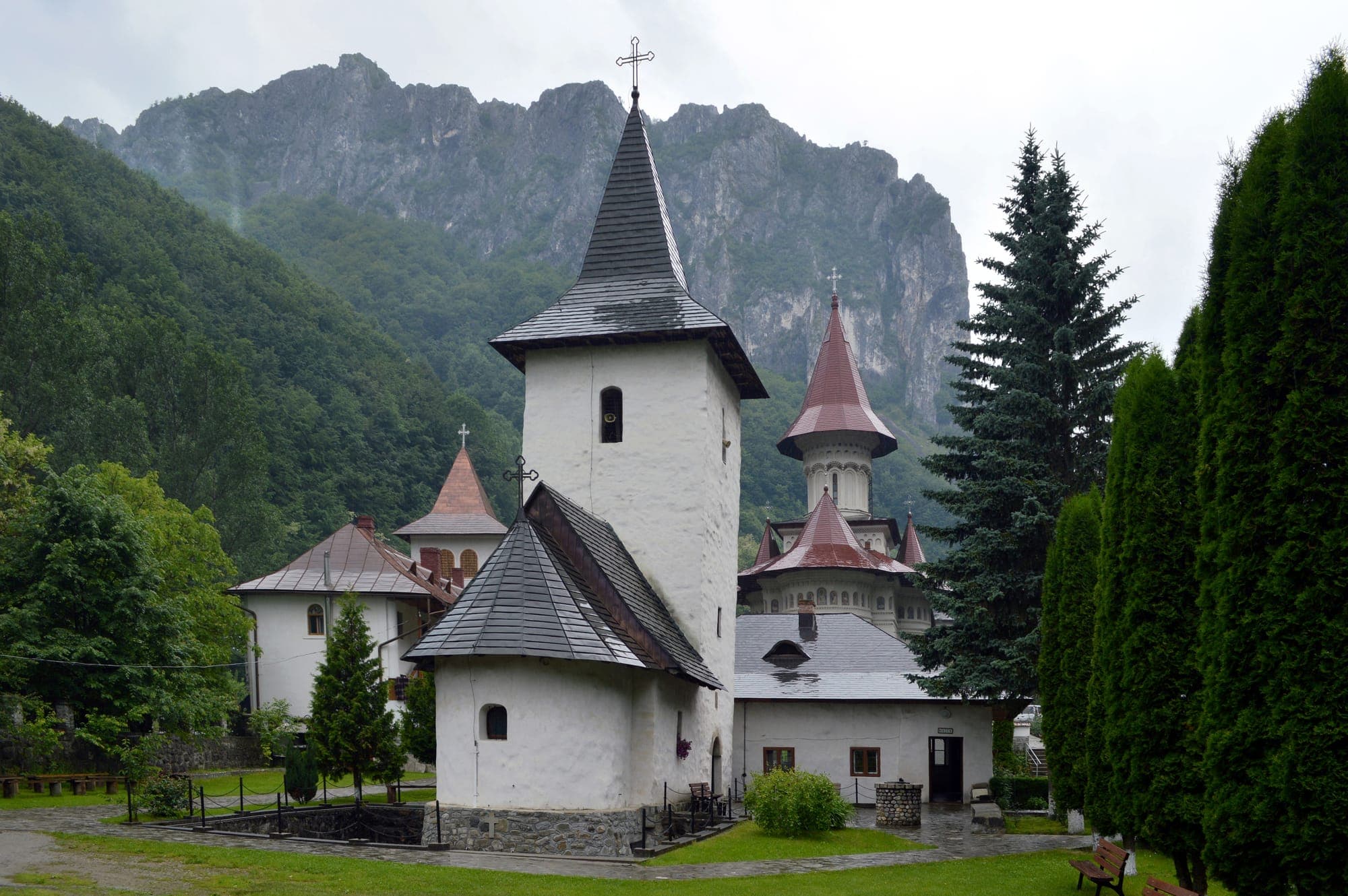
A convent at the mouth of the Râmeț Gorge in the Trascău Mountains, with an old stone church whose murals go back to around 1300, and a new church dating from 1992.