The white tower of the European Commission of the Danube in the middle of Sulina, now a museum about the town called “Europolis”, the writer Jean Bart and the conductor George Georgescu.
Museums and memorial housesMonuments and historic sites
A red-brick house-museum in Brăila's Public Garden, with manuscripts, signed books and personal belongings of the writer Panait Istrati. It is not his birthplace but a former gardener's house.
Museums and memorial houses
A department of the Brukenthal National Museum, in an arcaded house on the Small Square, the former "At the Black Bear" pharmacy: the dispensary, the laboratory and a homeopathy collection of almost 3,000 pieces.
Museums and memorial housesMonuments and historic sites
The Monastery of St Anne in the Lăpuș Land, hidden in a beech and oak forest, where the monk and writer Nicolae Steinhardt lived and is buried, with a library of over 40,000 volumes.
MonasteriesMuseums and memorial houses
Romania's first open-air museum, on Hoia hill: farmsteads, workshops, peasant installations and three wooden churches gathered over ~16 hectares into a scattered village.
Museums and memorial housesVillages and traditions
A fortress-like monastery in the Neamț mountains, built in 1602 by the high steward Nestor Ureche, with walls up to 3 m thick, a church with its original inscription and a treasury of old church objects.
MonasteriesMuseums and memorial houses
A 17th-century fortified enclosure with seven bastions built by the town's guilds and the Franciscans' Gothic church in the courtyard, now a park open to all, with a museum and events.
Fortresses and fortificationsMuseums and memorial houses
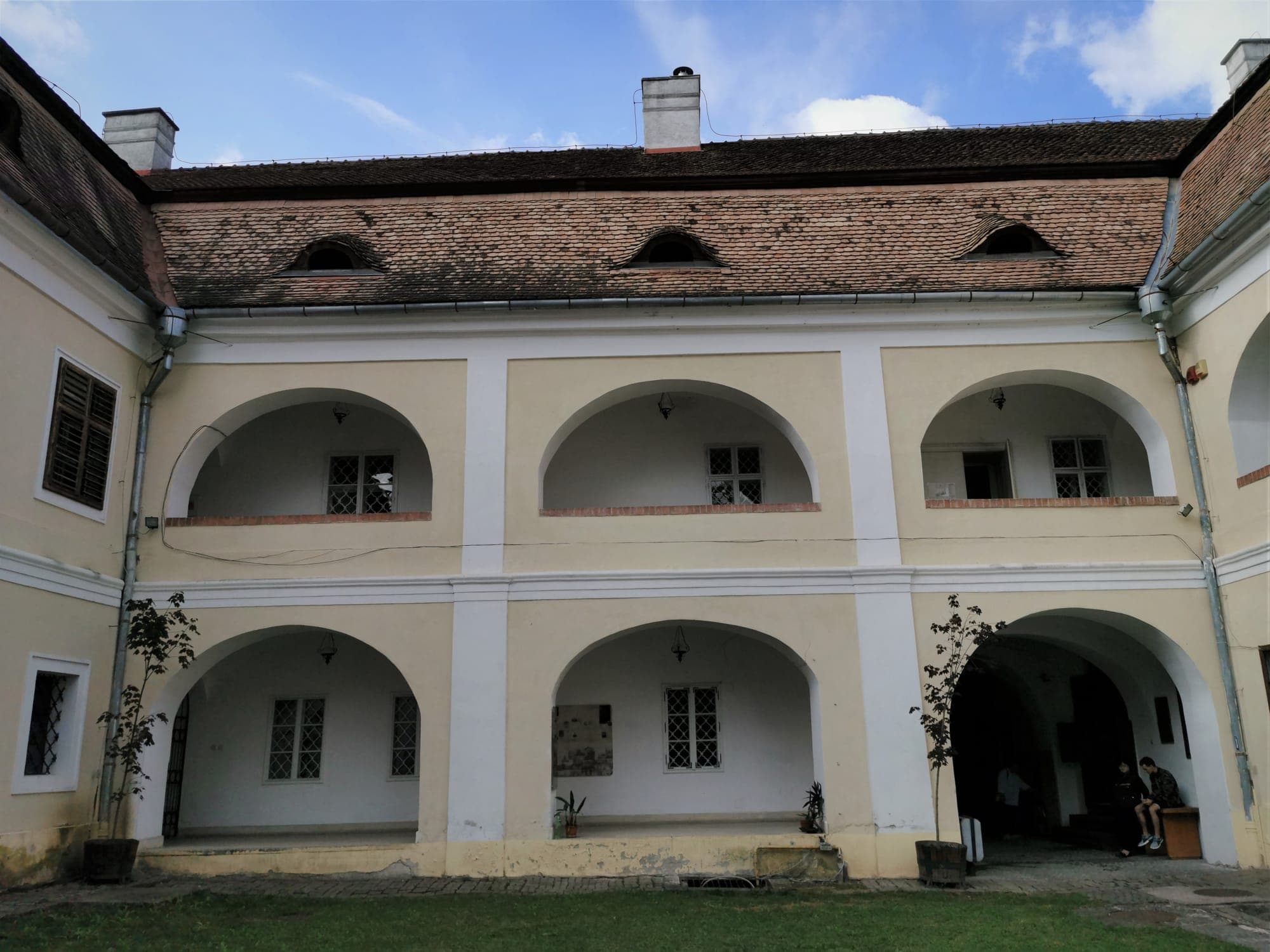
A U-shaped Baroque residence with 52 rooms and 365 windows, built between 1772 and 1803; restored with Romania's recovery funds and reopened in July 2026 as a museum, with guided tours and a historic park.
Castles and palacesMuseums and memorial houses
A town palace in Târgu Mureș housing the first public library in Transylvania, founded by Count Sámuel Teleki: a great hall with original cabinets, old books in display cases and the Bolyai Museum.
Museums and memorial houses
Melik House, an 18th-century merchant's house in the Armenian Quarter, holds the Răut collection: canvases and over 800 drawings and engravings by Theodor Pallady, alongside European art and decorative objects.
Museums and memorial houses
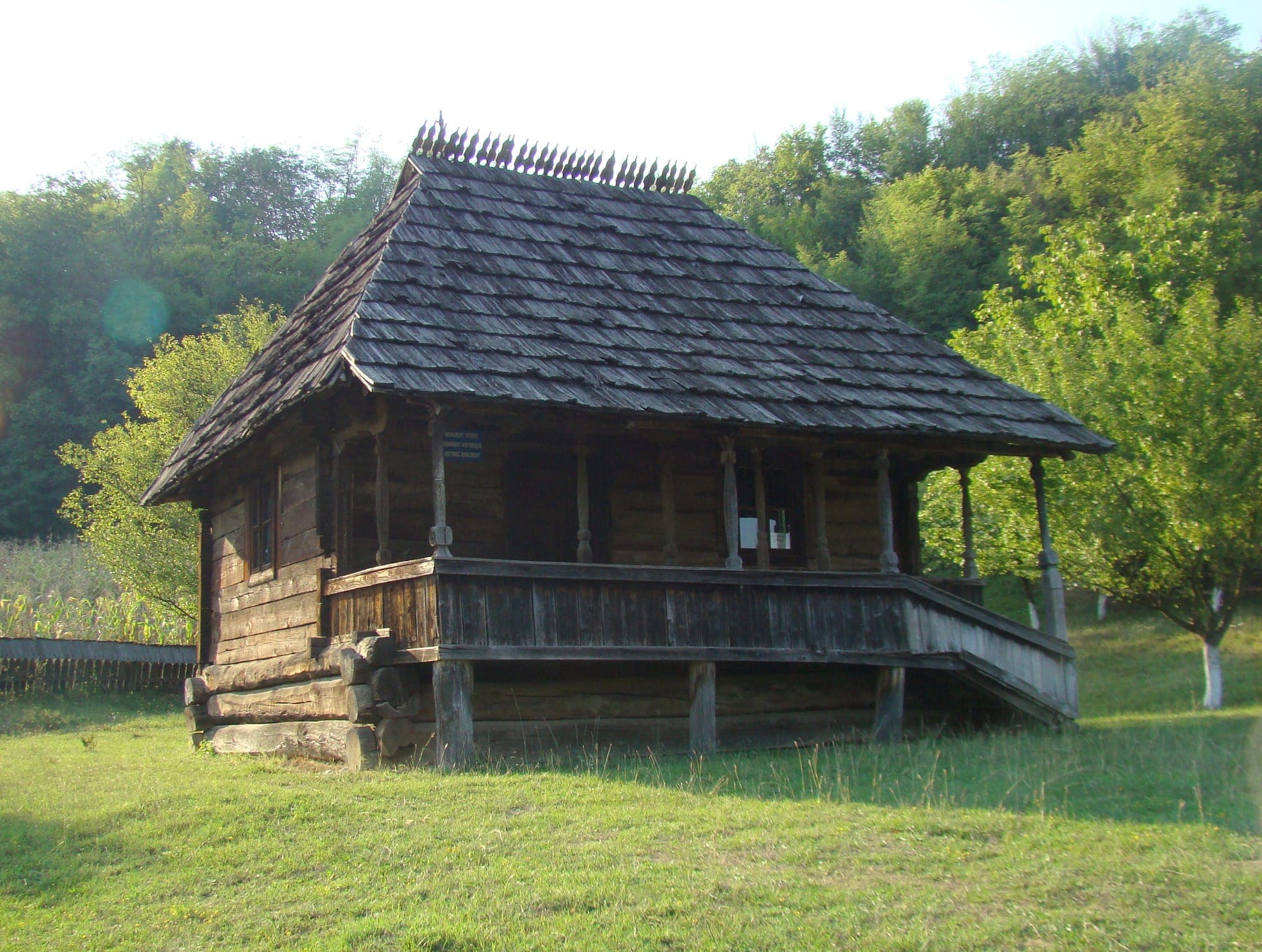
The wooden house in the village of Vladimir, birthplace of Tudor Vladimirescu, leader of the 1821 Revolution. Rebuilt in 1932 from an original photograph, now a museum with two furnished rooms.
Museums and memorial houses
The capital of Roman Dacia in the Hațeg Country: the restored amphitheatre and the ruins of the forum, walls and temples of the city founded by Trajan, plus the site's archaeological museum.
Monuments and historic sitesFortresses and fortificationsMuseums and memorial housesUNESCO
An open-air village museum on the road out of Râmnicu Vâlcea towards Sibiu: nearly 80 peasant houses, workshops and installations from across the county, gathered on 8 hectares around the Bujoreanu Kula.
Museums and memorial housesVillages and traditions
Vaslui County's museum, in a neoclassical palace that was once a prefecture: archaeology, history, art, local figures, plus an astronomical observatory and planetarium.
Museums and memorial houses
A monks' skete hidden among fir trees near Neamț Monastery, with a church of 1849–1857 painted on the outside too and the house of Metropolitan Visarion Puiu, where Mihail Sadoveanu lived, now a memorial museum.
MonasteriesMuseums and memorial houses