The technical museum in Carol I Park, founded in 1909 by Dimitrie Leonida, keeps over 40,000 objects, from mills and steam engines to Aurel Perșu's aerodynamic car.
151 results
The technical museum in Carol I Park, founded in 1909 by Dimitrie Leonida, keeps over 40,000 objects, from mills and steam engines to Aurel Perșu's aerodynamic car.
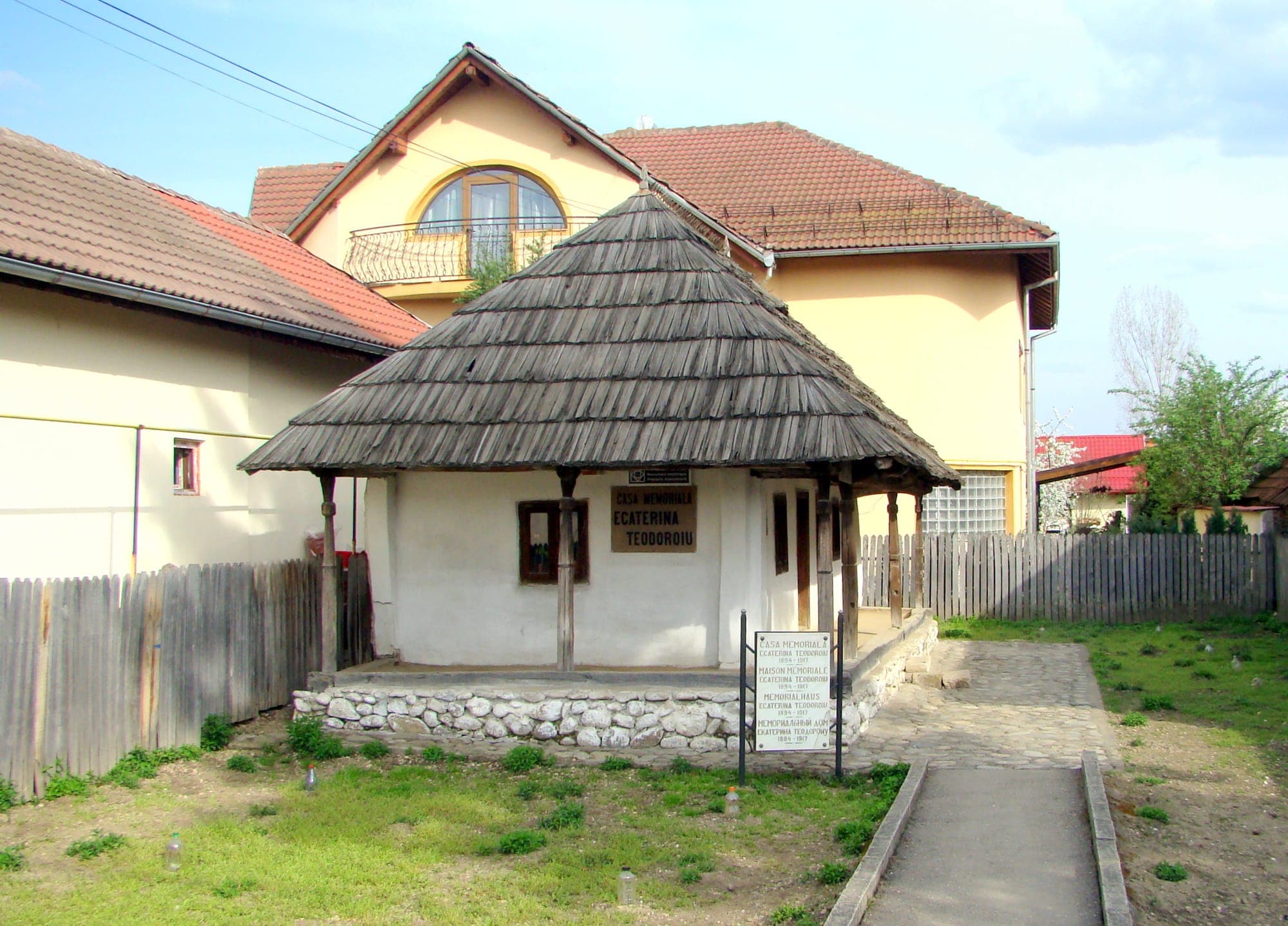
The family house in Vădeni, now a district of Târgu Jiu, where Ecaterina Teodoroiu, the “heroine of the Jiu”, was born. A memorial house since 1938, with personal belongings, documents and photographs.

The permanent folk culture exhibition in the Reduta Palace, the building in central Cluj where the Memorandum Trial was held: tools, costumes, ceramics and textiles from Transylvanian villages.

The oldest kula of the Măldărești museum complex, a boyar tower from the 16th century completed in the 18th, with arcaded porches and an upper floor laid out as an Oltenian minor boyar's court.

The peasant house of logs and clay, with a shingle roof, where Ion Creangă grew up, the hero of “Memories of My Boyhood”. A museum since 1951, restored and reopened in 2024.

The Eminovici family house in Ipotești, rebuilt on the foundations of the one from Mihai Eminescu's childhood, with the family's wooden church, his parents' graves and a peasant house holding an ethnographic collection.

The Jidova or Jidava fort, at the entrance to Câmpulung, the only stone fort on the Limes Transalutanus, with walls, rebuilt towers, a hypocaust and a site museum; part of the UNESCO site of the Roman frontier in Dacia.

The military history museum near Gara de Nord follows, in its general military history pavilion, the story of weapons and the army from prehistory to the contemporary era.
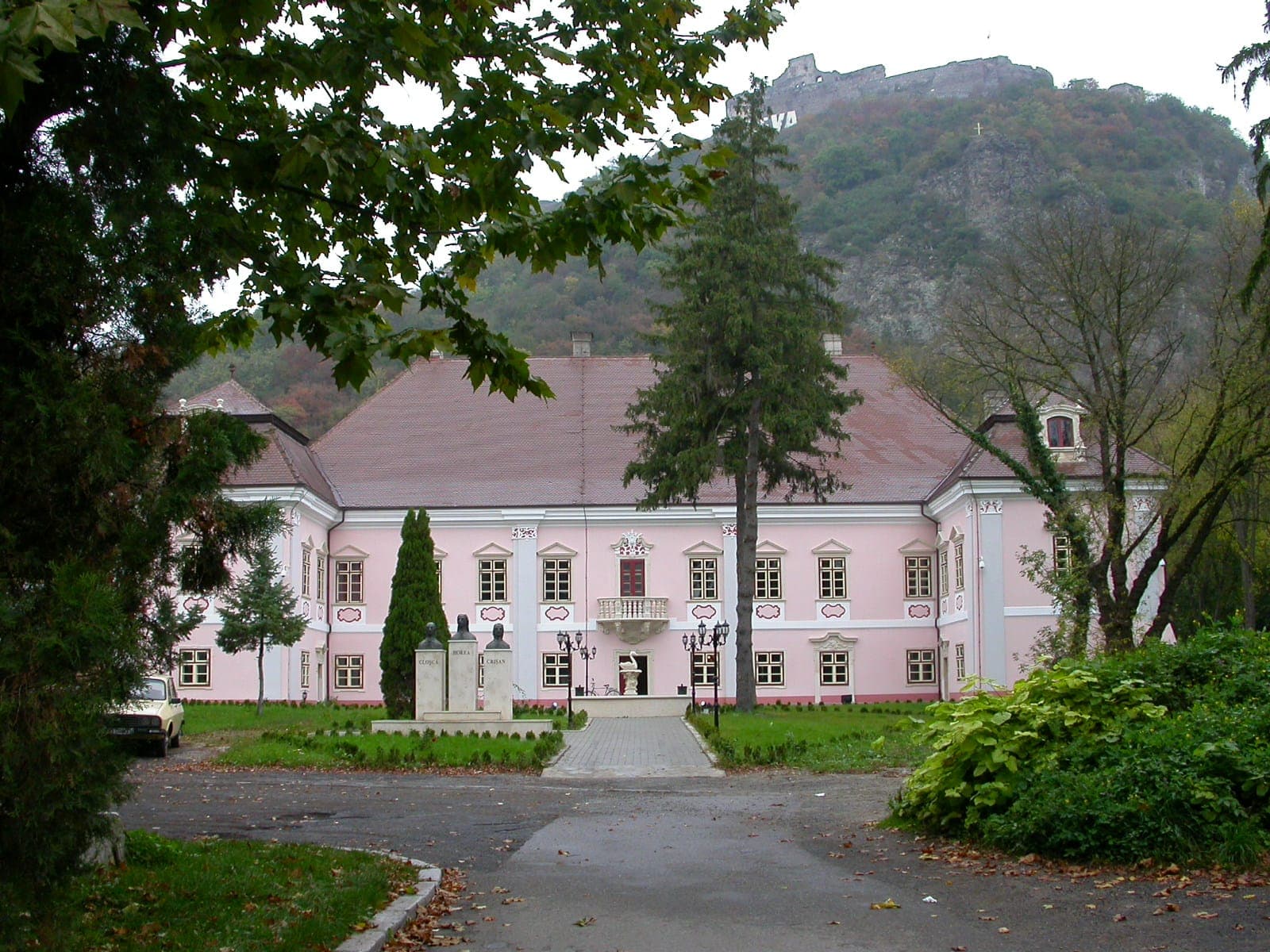
A Baroque palace at the foot of Citadel Hill in Deva, also known as Bethlen Castle, now home to the Museum of Dacian and Roman Civilisation, with a lapidarium in its courtyard.
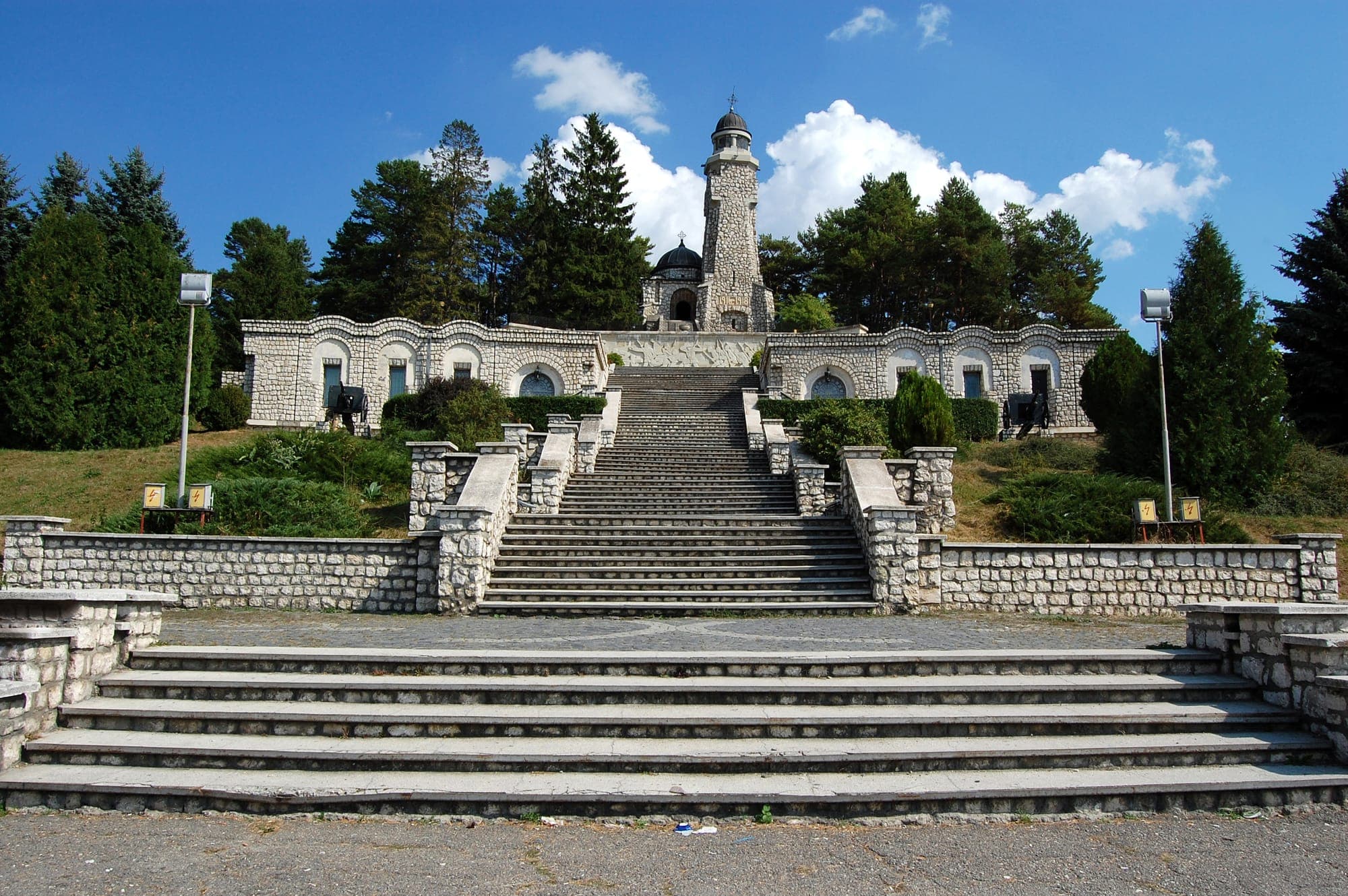
The First World War heroes' mausoleum on Mateiaș Hill, built between 1928 and 1935 beside the DN73 on the site of the autumn 1916 fighting, with an ossuary, a bas-relief and two museum rooms.

The museum of the Memorial of the Revolution Association, in a former military building in Timișoara: clothes and flags from the days of December 1989, a chapel of the hero-martyrs and the only section of the Berlin Wall in Romania.

The museum in the Baroque Palace on Union Square holds old European painting, Banat and Romanian art and the Corneliu Baba collection, in a building begun in 1754.

The permanent exhibition on Romanian literature, in an early 20th-century house in the Amzei area: manuscripts, books and writers' personal belongings, plus interactive installations, over four levels.

The museum in the Babylon building and the Union Hall, where the union of Transylvania with Romania was voted on 1 December 1918, in the heart of the Alba Carolina Fortress.
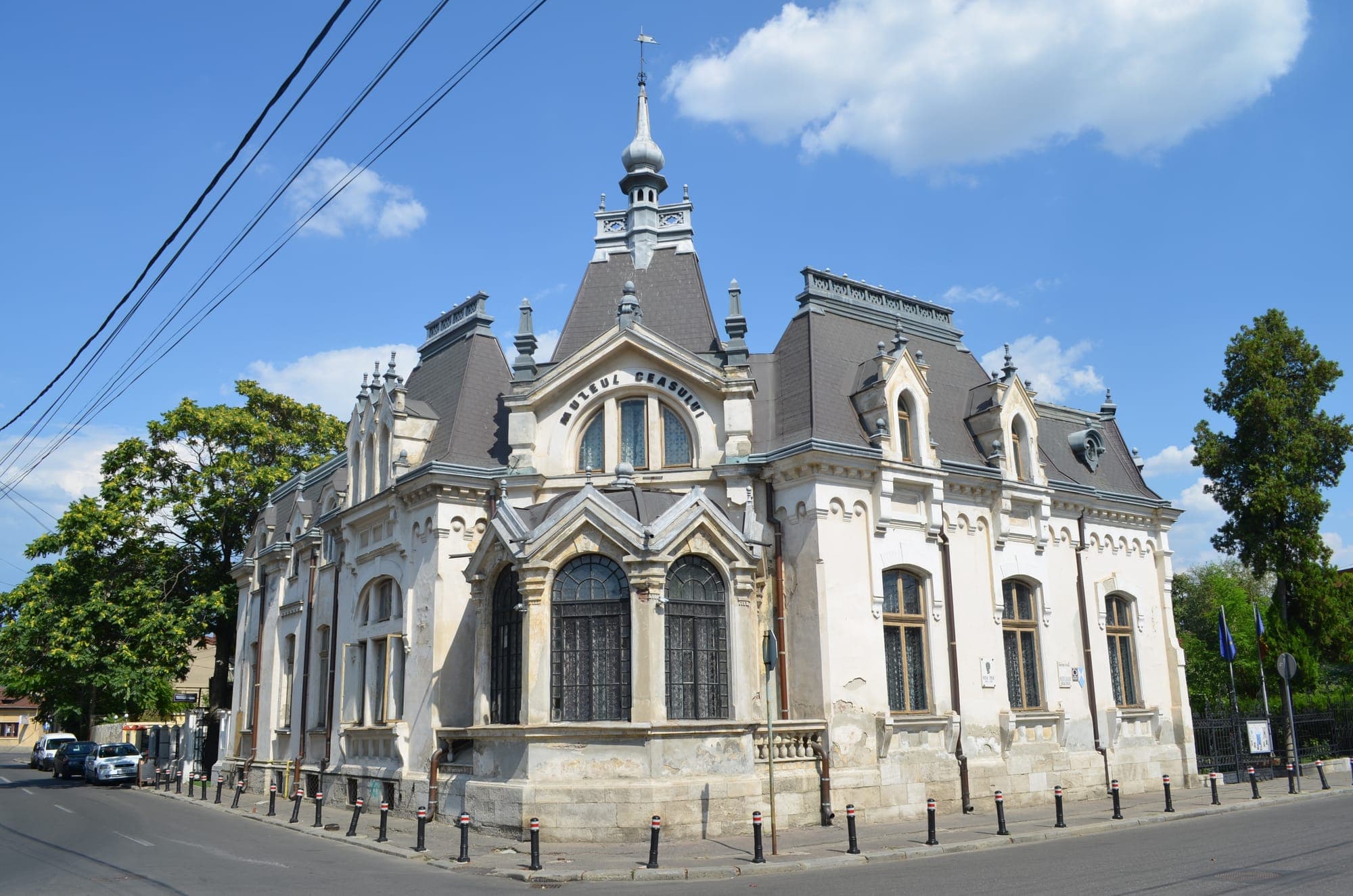
A museum of timekeeping in a late 19th-century house in Ploiești: astronomical clocks from the 16th century, pocket watches, mantel clocks and musical mechanisms that still work today.