Fort 13 Jilava
A fort in Bucharest's defensive ring turned political prison: the 1940 massacre, the 1946 executions and thousands of prisoners of the communist regime; on the UNESCO Tentative List since 2024.
151 results

A fort in Bucharest's defensive ring turned political prison: the 1940 massacre, the 1946 executions and thousands of prisoners of the communist regime; on the UNESCO Tentative List since 2024.

The Beaux-Arts palace on Calea Victoriei, built in 1901–1903 for Gheorghe Grigore Cantacuzino, is the seat of the George Enescu National Museum; the building is closed for restoration, but its façade can be seen from the street.

The museum on Kiseleff Road holds the 1907 dioramas, the Deinotherium skeleton and over 2 million zoological, palaeontological and mineralogical pieces, in a building inaugurated in 1908.

The land of dwarf dinosaurs around Hațeg, Romania's first geopark: small museums with reconstructions and fossils, themed trails through villages, palaeontological sites and traces of 70-million-year-old volcanoes.

The history department of the Brukenthal National Museum, in a civil Gothic complex of the 15th–16th centuries, Sibiu's former town hall: lapidary, arms and armour, treasury and guild objects.

The county museum of Drobeta-Turnu Severin, with a 1:50 model of Trajan's Bridge, an aquarium of Danube fish and sections on archaeology, natural sciences and ethnography.

The museum that holds the Tomis Sculpture Hoard, with the Glykon serpent, in the former Town Hall on Piața Ovidiu, closed for restoration; next door you can visit the Roman Mosaic Edifice.

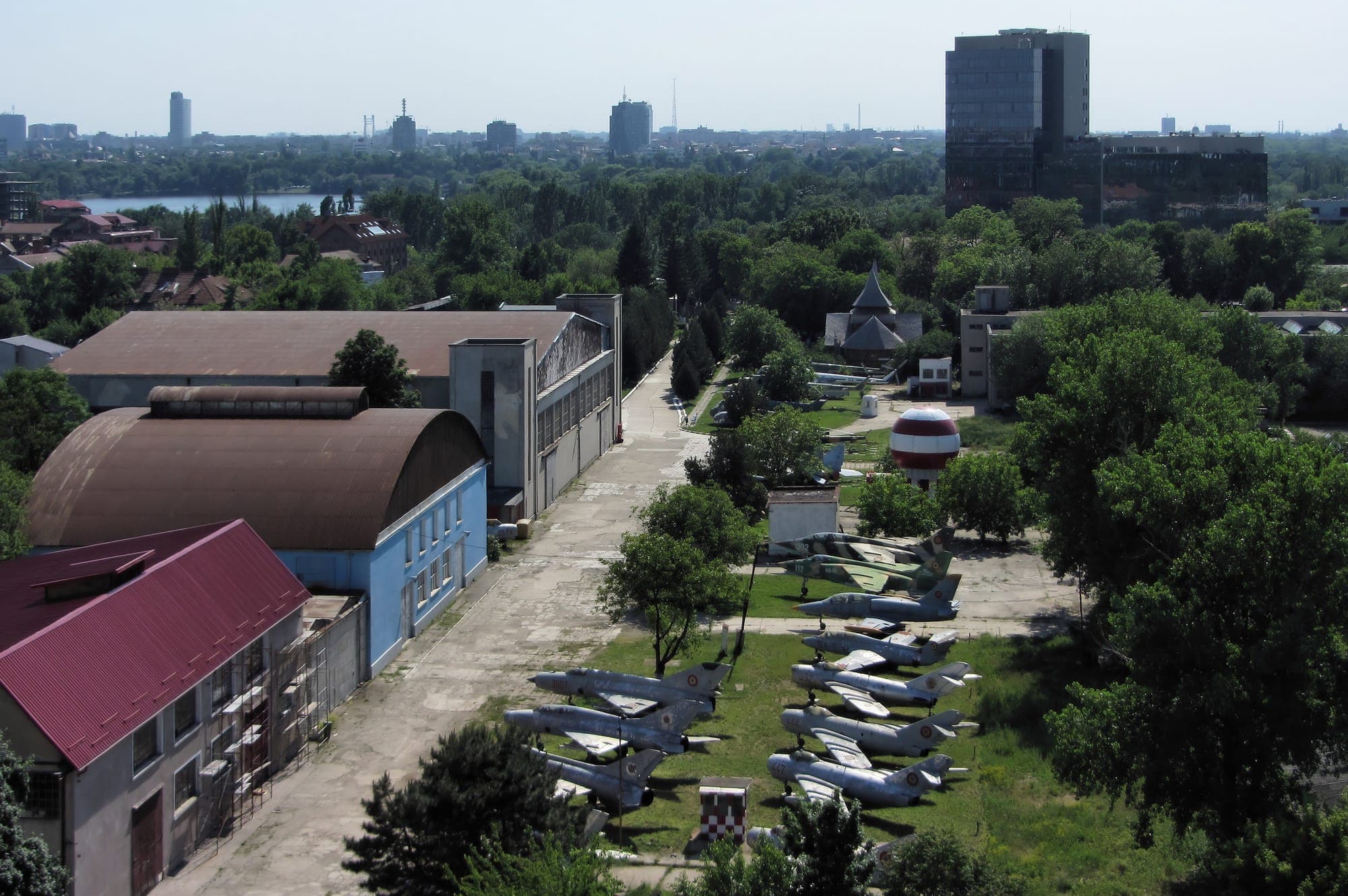
The museum of the history of flight in Romania, in the hangars of the former Pipera airfield: from replicas of Vuia's and Vlaicu's aircraft to MiGs, helicopters and radars displayed in the open air.

Cluj's museum of history and archaeology, in the building on Piața Muzeului: the exhibition “Untold Treasures”, the Roman Lapidarium and the Medieval Lapidarium, from the museum's collections of over 450,000 items.

The natural sciences department of the Brukenthal National Museum, in a building from 1895: dioramas with sound and light, a Bison priscus skeleton, mammoth bones and a mineral collection.

The former Pitești prison, where in 1949–1951 students held as political prisoners were subjected to “re-education” through torture, now a private memorial museum; on the UNESCO Tentative List since 2024.

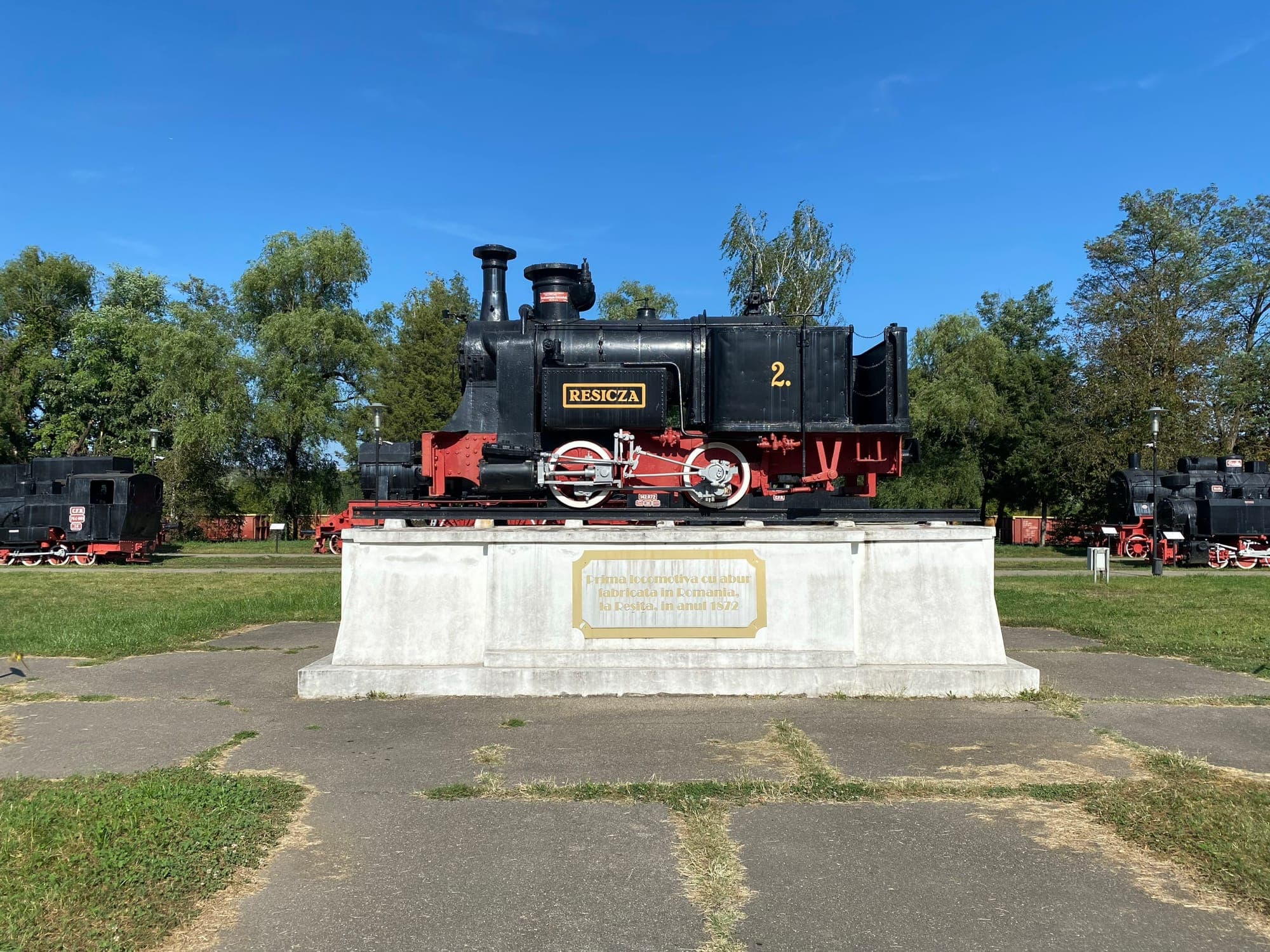
An open-air museum opened in 1972 in Triaj Park, Reșița: 16 steam locomotives, most of them built in the town's works, led by the “Resicza” of 1872.

A Late Baroque castle in Sângeorgiu de Pădure, rebuilt in 1807–1809 by Count László Rhédey; today a museum with guided visits about Countess Claudia Rhédey.

A mining museum where 157 steps lead down to 170 m of original Roman galleries of Alburnus Maior, part of the Roșia Montană UNESCO site, plus stamp mills and a Roman lapidarium.

The 64-metre main gate tower of Sighișoara Citadel, with a colourful tiled Baroque roof, a clock with wooden figures and the History Museum, climbed all the way to the top gallery.