Golești Museum of Viticulture and Fruit Growing
Ștefănești, AG
The Golescu boyars' manor house, built in 1640 near Pitești, and an open-air museum with more than 30 farmsteads from the country's vineyards and orchards, on 10 hectares.
151 results
The Golescu boyars' manor house, built in 1640 near Pitești, and an open-air museum with more than 30 farmsteads from the country's vineyards and orchards, on 10 hectares.

The temple-castle built by Bogdan Petriceicu Hasdeu in memory of his daughter Iulia, to plans he claimed she gave him in spiritualist séances; today a memorial museum.
A Renaissance hunting manor of the Counts Kálnoky, begun in 1648, with bastions and rare stucco work, restored and opened in 2017 as the Museum of Transylvanian Life, with guided tours.

A museum in the former Romanit Palace on Calea Victoriei, with over 30 collections donated by Bucharest residents: modern Romanian painting, Oriental carpets, French furniture and a lapidarium in the cellars.
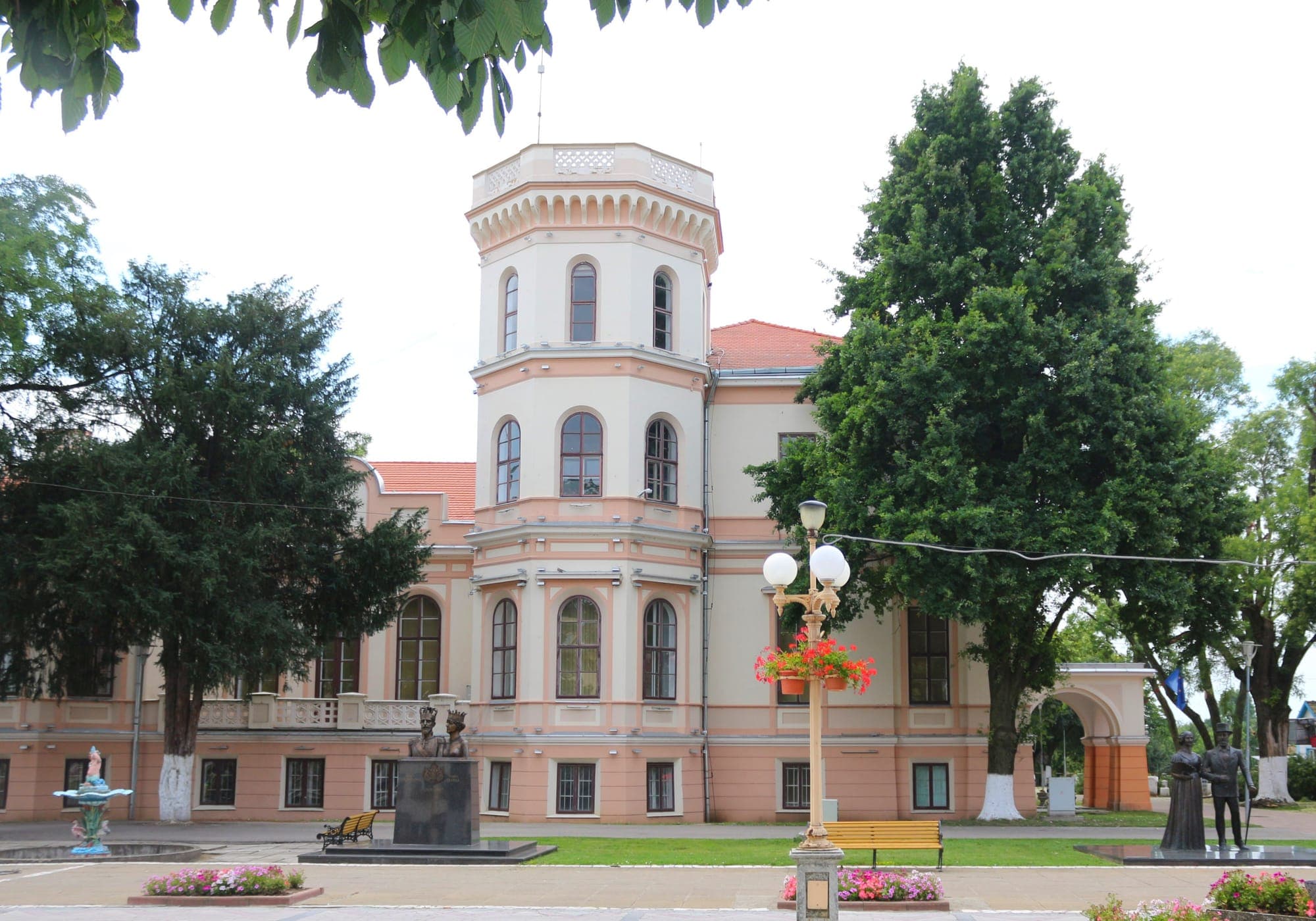
A Neoclassical castle begun in 1864, with a medieval-style tower and 99 rooms, in the town centre; it houses the House of Culture and the "Béla Bartók" Memorial Exhibition.

A department of the National Museum of Transylvanian History, in Hintz House on Union Square, in the oldest pharmacy in Cluj: the dispensary with 18th-century decoration, the laboratory and old medical equipment.

The largest convent in Romania, home to more than 400 nuns, founded in 1785 in a clearing at the foot of the mountains, where the poet Veronica Micle is also buried.

A 16th-century Renaissance castle in the centre of Dumbrăveni, home of Prince Mihai Apafi I; today partly ruined, it houses a collection on Transylvanian Armenians and is due to be restored.
A Baroque castle of the Bánffy family, reopened in September 2026 after a restoration costing over two million euros: exhibitions on ethnography, the family and the poet János Arany, plus a wine exhibition in the cellar.

The museum in the 1902 Neo-Baroque building on Bulevardul Eroilor shows over 100 works in its Romanian Art Gallery, from portraits of Brașov patricians to the avant-garde.

The 1833–1835 palace near University Square, one of Bucharest's oldest aristocratic residences, houses the permanent exhibition “Time of the City”, on the history of the capital.
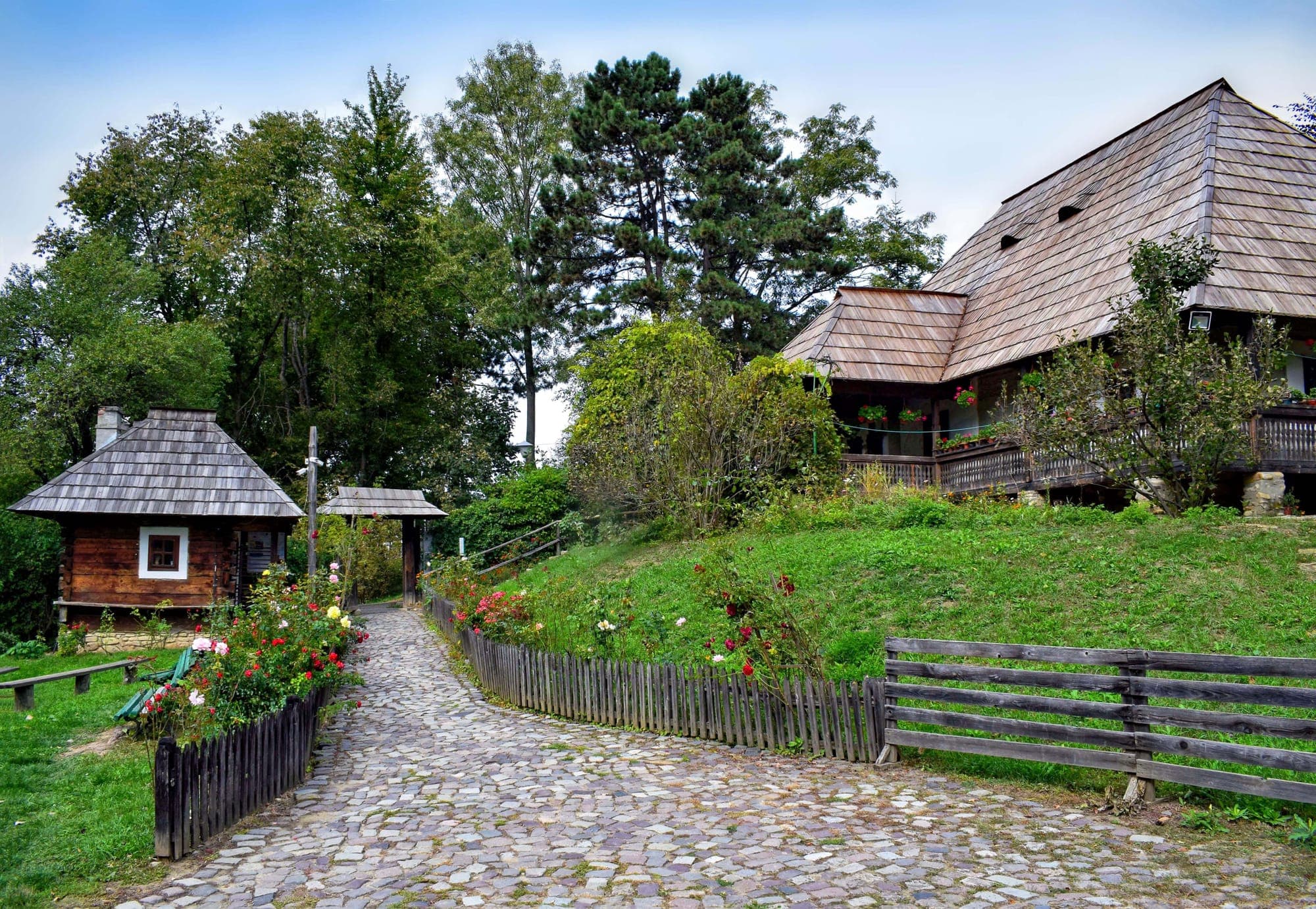
An open-air ethnographic museum on the plateau next to the Suceava Princely Fortress: farmsteads, workshops and installations from Bukovina villages, a wooden church from 1783, an inn and a school, all gathered into one village.

A house-museum on Piața Sfatului dedicated to the Mureșianu family, who ran "Gazeta Transilvaniei": an archive of over 25,000 documents, furniture, paintings and evidence on the history of the anthem "Deșteaptă-te, române!".

A monastery for monks built on two islands in Lake Cernica, on the edge of Bucharest: the lavra of St Calinic, with two large churches, a museum and the graves of figures from Romanian culture.

The museum in the Jean Mihail Palace, built in 1898–1907 to plans by Paul Gottereau, holds six works by Brâncuși, including “The Kiss”, as well as Romanian and European art.