A cave in the Sighiștel Valley, in the Bihor Mountains, with charcoal cave drawings some 32,000–36,000 years old, considered the oldest in Central Europe; closed to the public.
CavesNational parks and reservesMonuments and historic sites
Steep gneiss mountains above the Olt Gorge, with Cozia Peak at 1,668 m, a chalet on the ridge and ancient beech forests on the UNESCO World Heritage List.
National parks and reservesMountains and trailsUNESCO
A small cave lined with calcite crystals, broken into by miners in a gallery of the Farcu bauxite mine; it is visited with a guide, after an exhibition on mining.
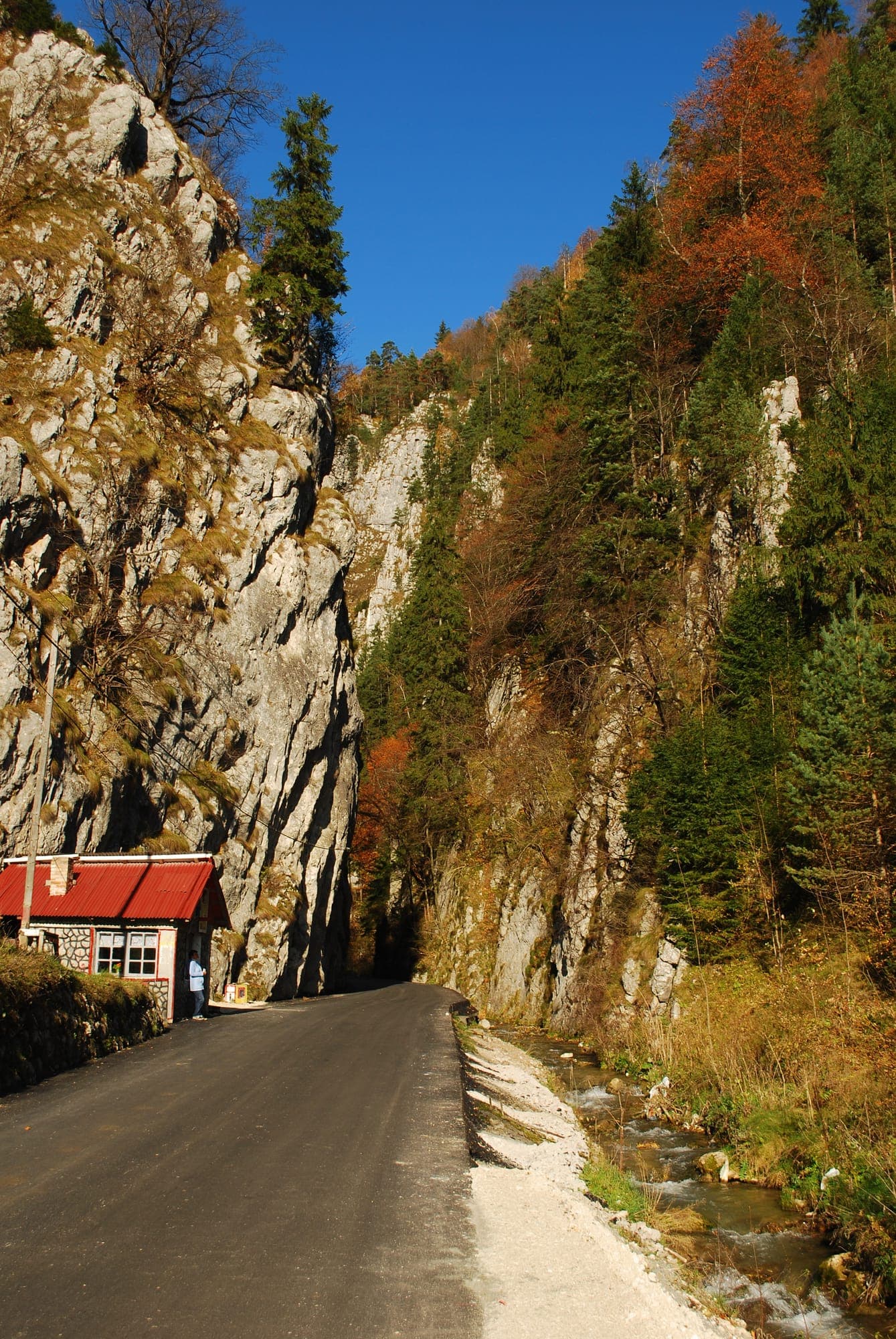
A 2.4 km limestone gorge carved by the Dâmbovicioara stream on the southern edge of Piatra Craiului National Park, with the road from Podu Dâmboviței to Dâmbovicioara running through it.
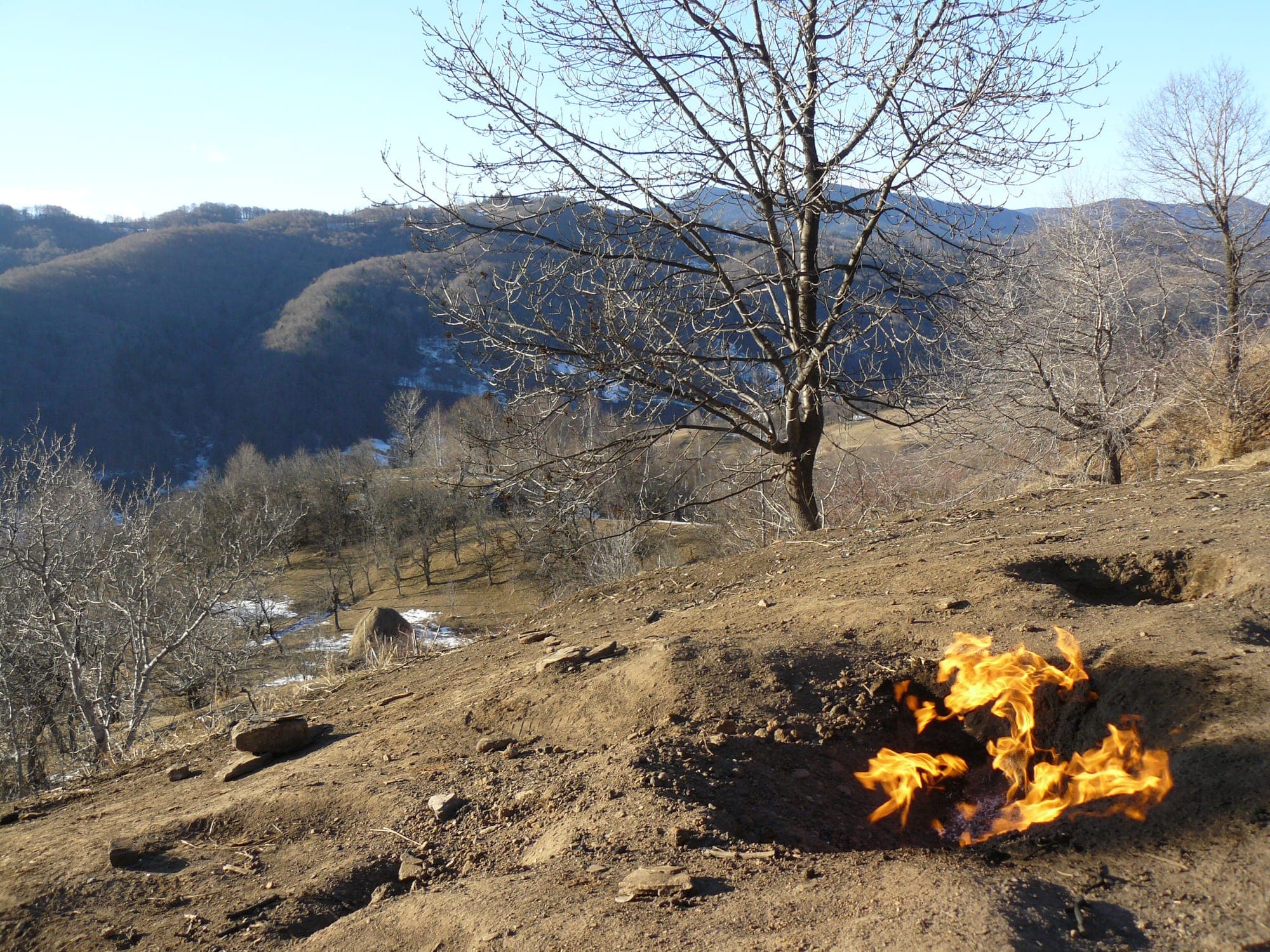
A nature reserve in the Vrancea Subcarpathians where methane gas seeps out of the ground and burns by itself, in small flames best seen in dry weather and towards evening.
Two tracts of primeval beech forest on the slopes of the Țibleș Mountains, Izvorul Șurii and Preluci, on the UNESCO World Heritage List since 2017, with trees two to three centuries old and bears, wolves and lynx.
National parks and reservesMountains and trailsUNESCO
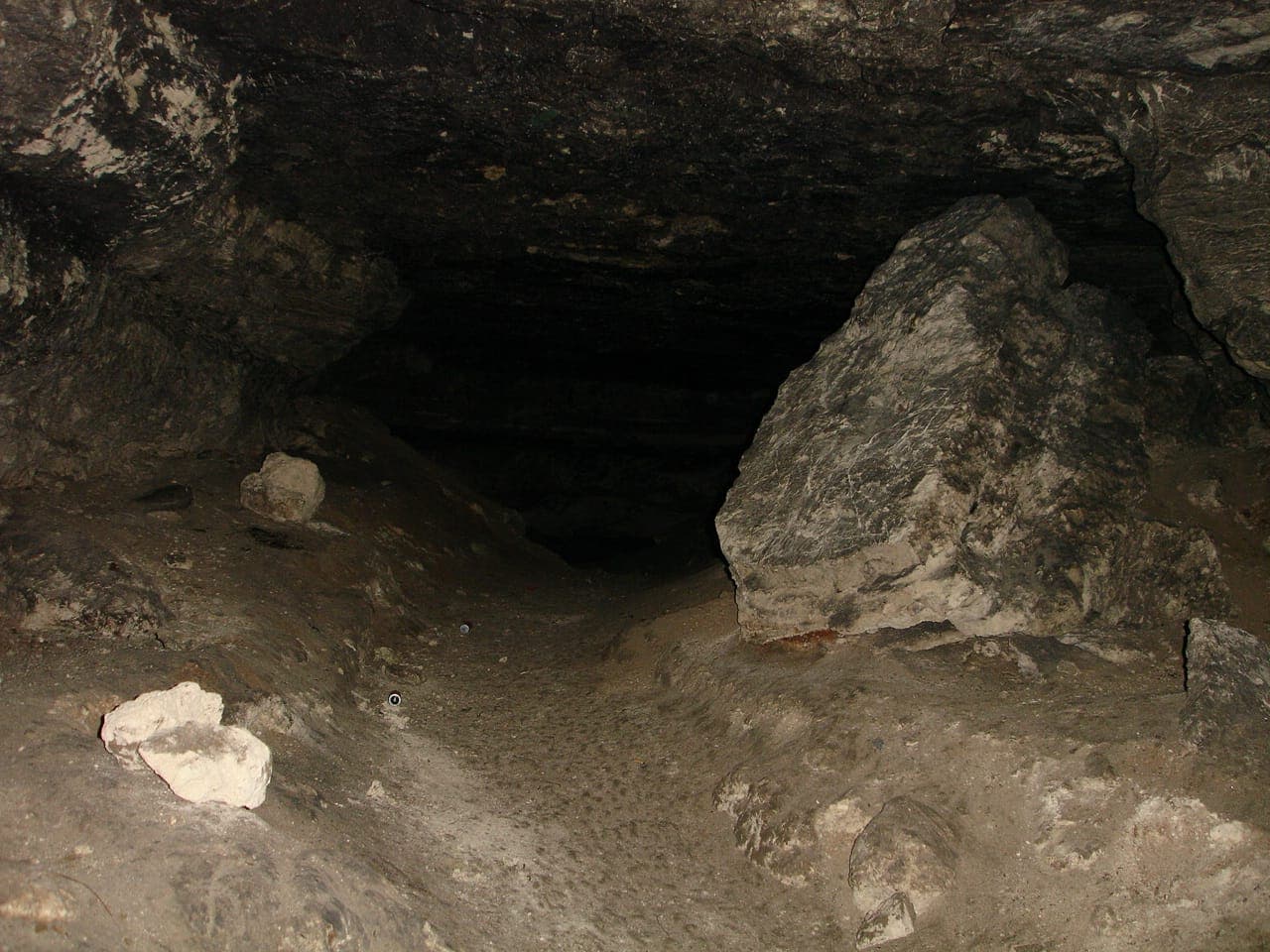
A cave reserve in the limestone plateau of Dobruja, also called the Bat Cave, with three entrances, more than 480 m of passages and colonies of protected bats; people sheltered here as early as the Palaeolithic.
An active cave in the Trascău Mountains, with a portal almost 40 m high in the limestone wall and an underground river of lakes and waterfalls, visited only on guided tours in a wetsuit.
A very deep cave in the southern Rodna Mountains, with gypsum flowers, mirabilite, the “Tăușoare balls” and cave bear bones; a reserve closed to ordinary tourism.
One of Romania's first nature reserves, protected since 1938: ancient oaks draped in lianas, sand dunes and herds of feral horses on the Letea sand bank in the north of the Danube Delta.
A labyrinth of galleries nearly 4 km long, cut into the limestone beneath the plateau of Limanu commune, close to Mangalia; a nature monument and bat shelter, not a cave developed for tourists.
A 98-hectare former lagoon between Saturn and Venus, with reed beds, open water and sulphur springs where swans, egrets and black-winged stilts stop over; you watch it from the surrounding roads.
A cave near Mangalia, sealed off from the surface, where life depends on chemosynthesis rather than sunlight; closed to the public, open only to researchers with permission.
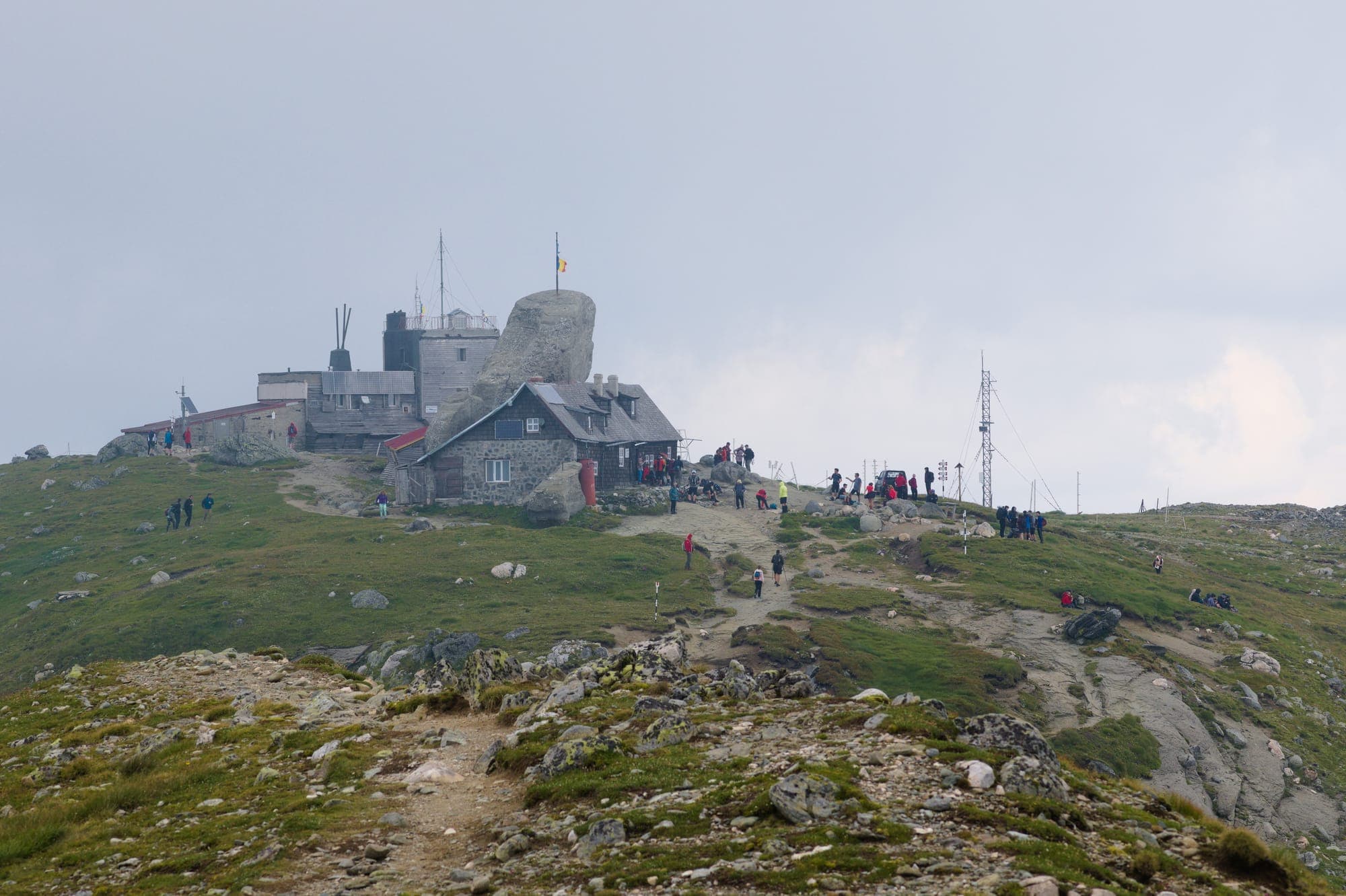
The highest point in the Bucegi Mountains (2,507 m), a stony plateau with the Omu Chalet and a weather station. It is climbed from Bușteni, Peștera or Padina on marked trails of 2–7 hours.