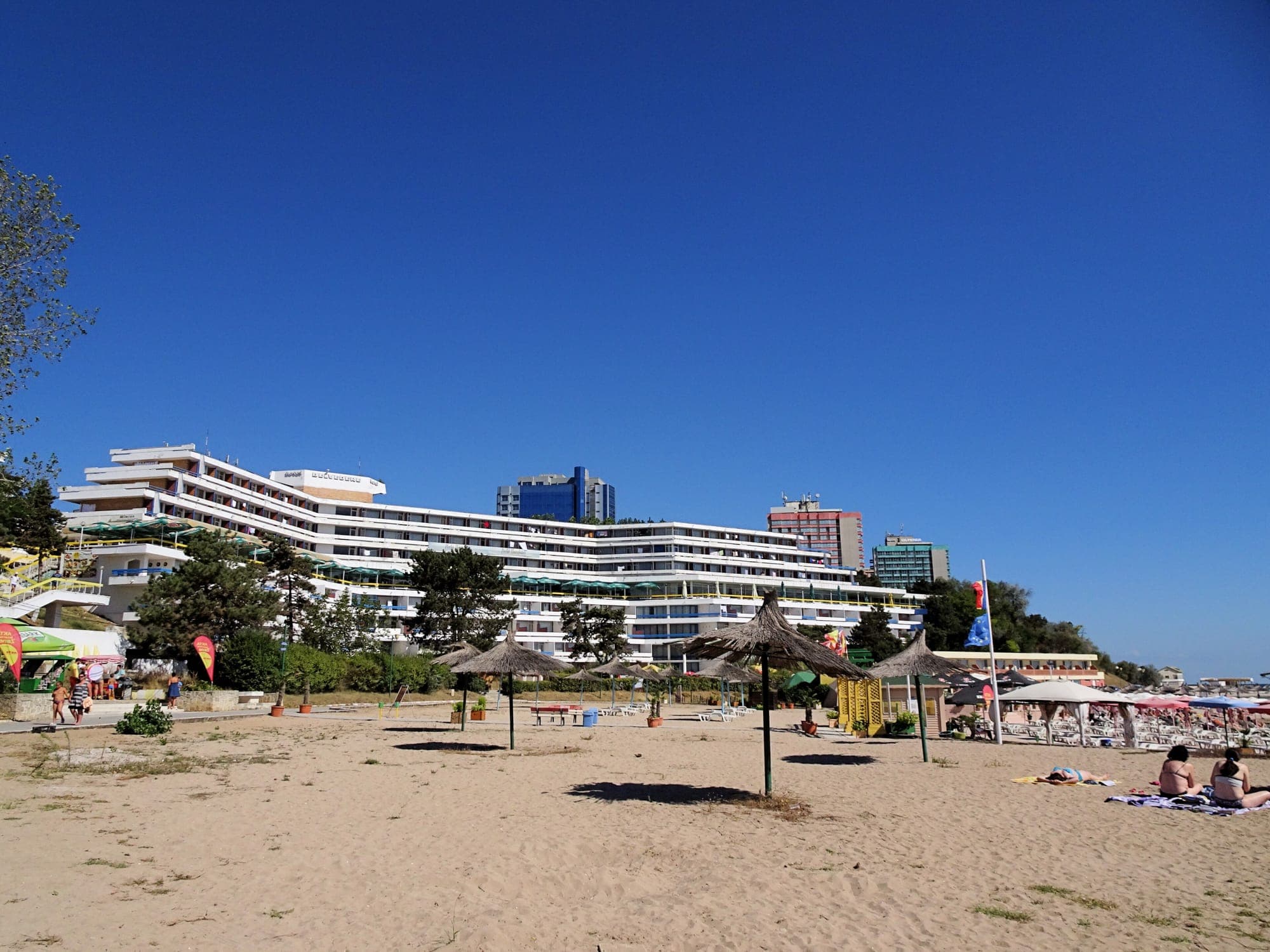
Two resorts built side by side north of Mangalia, between the sea and the Comorova forest: a beach widened to a hundred metres, two lakes right behind the sand and 1970s architecture.
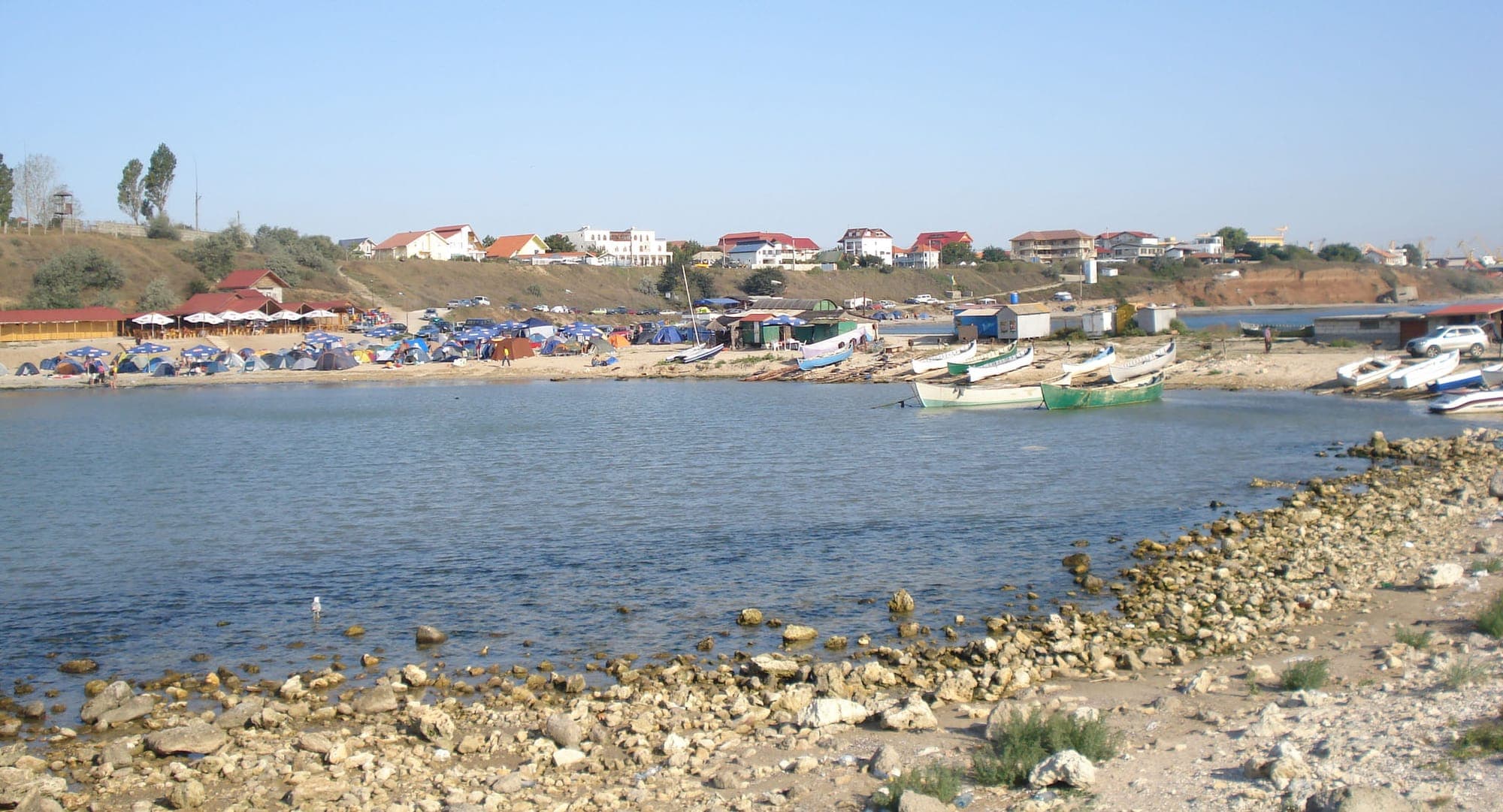
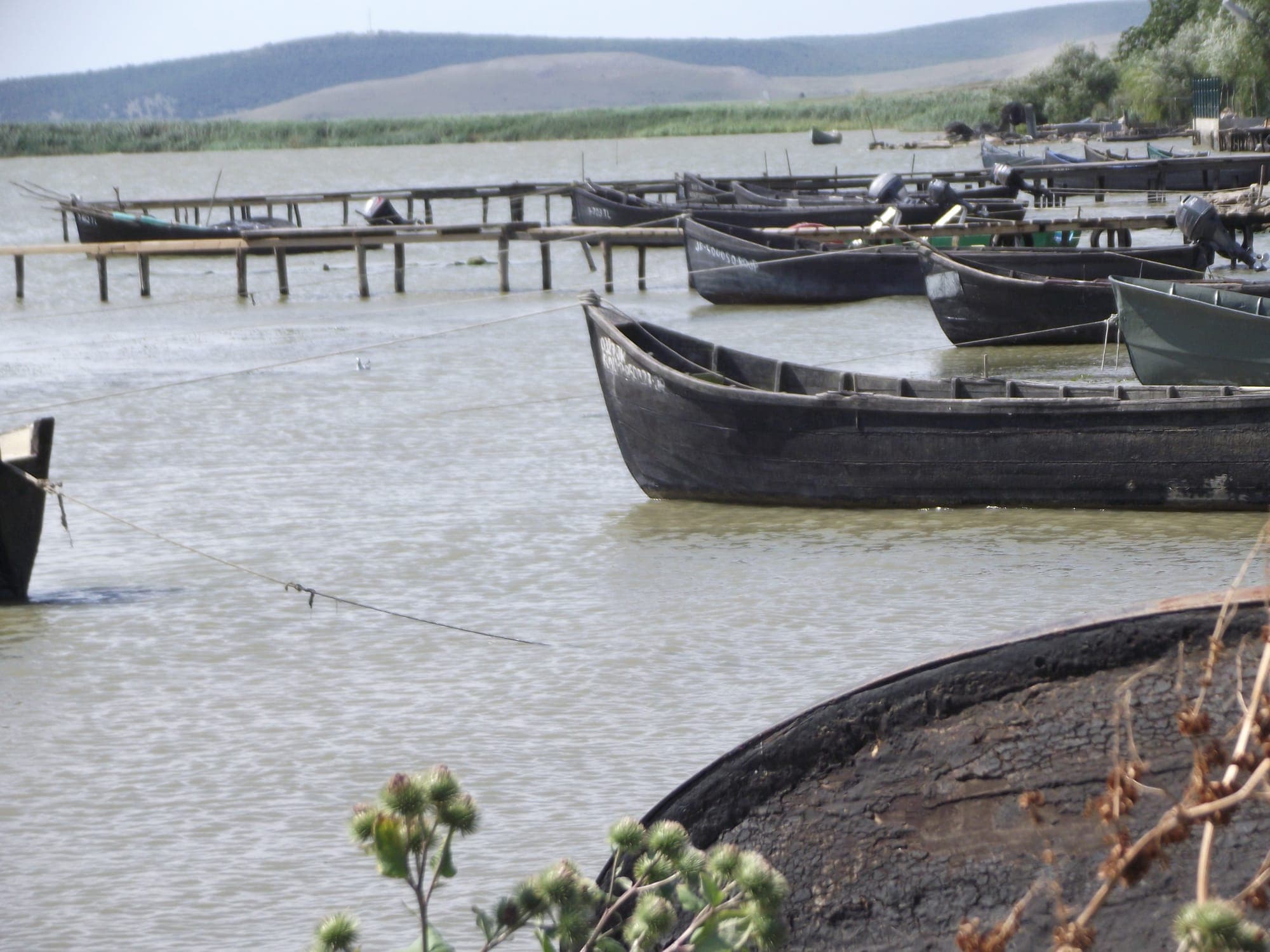
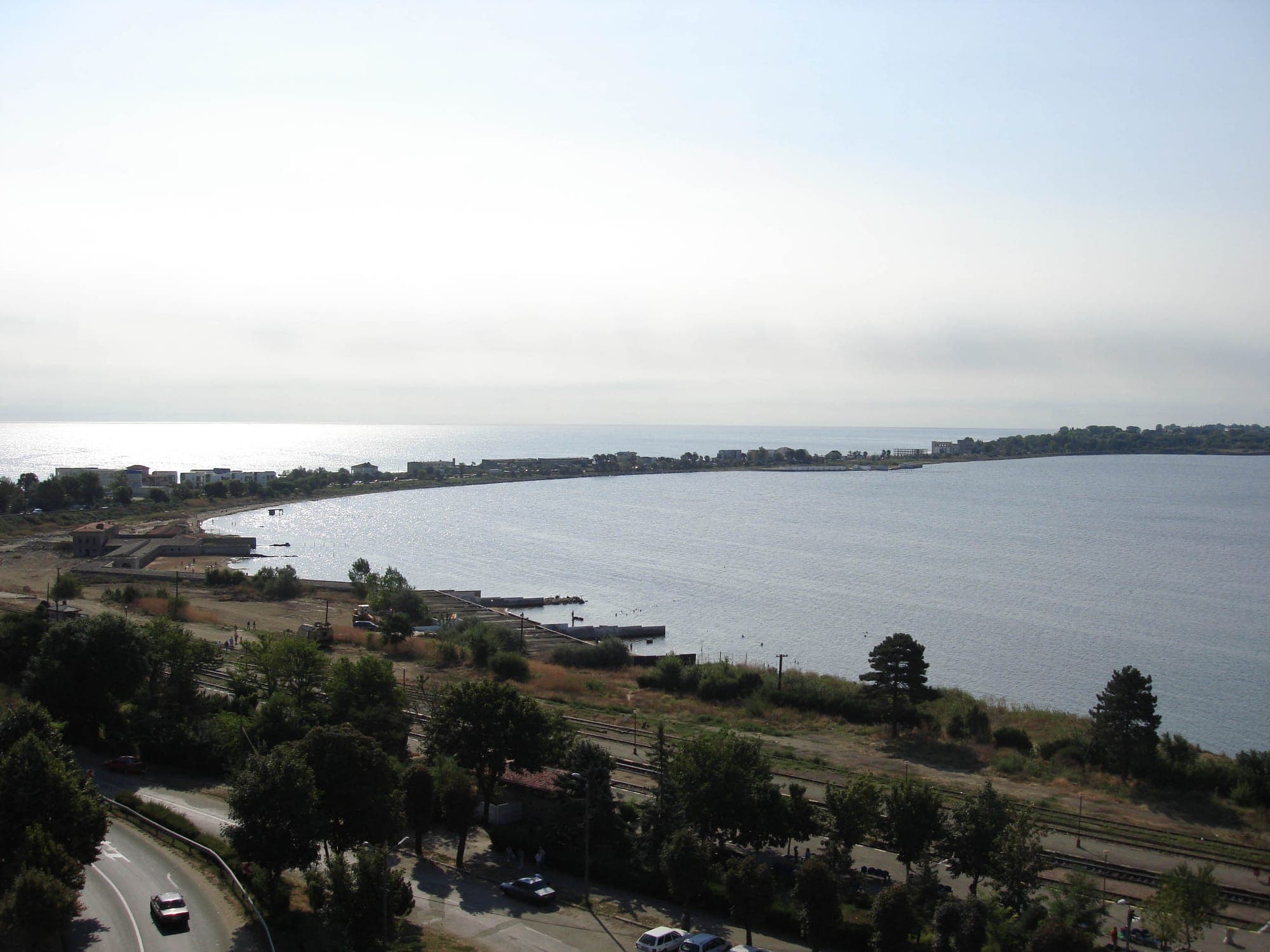
A Lipovan fishing village between Mangalia and Vama Veche, with a beach set in a small bay, a fish station at its southern end and the waters of the 2 Mai – Vama Veche marine reserve.
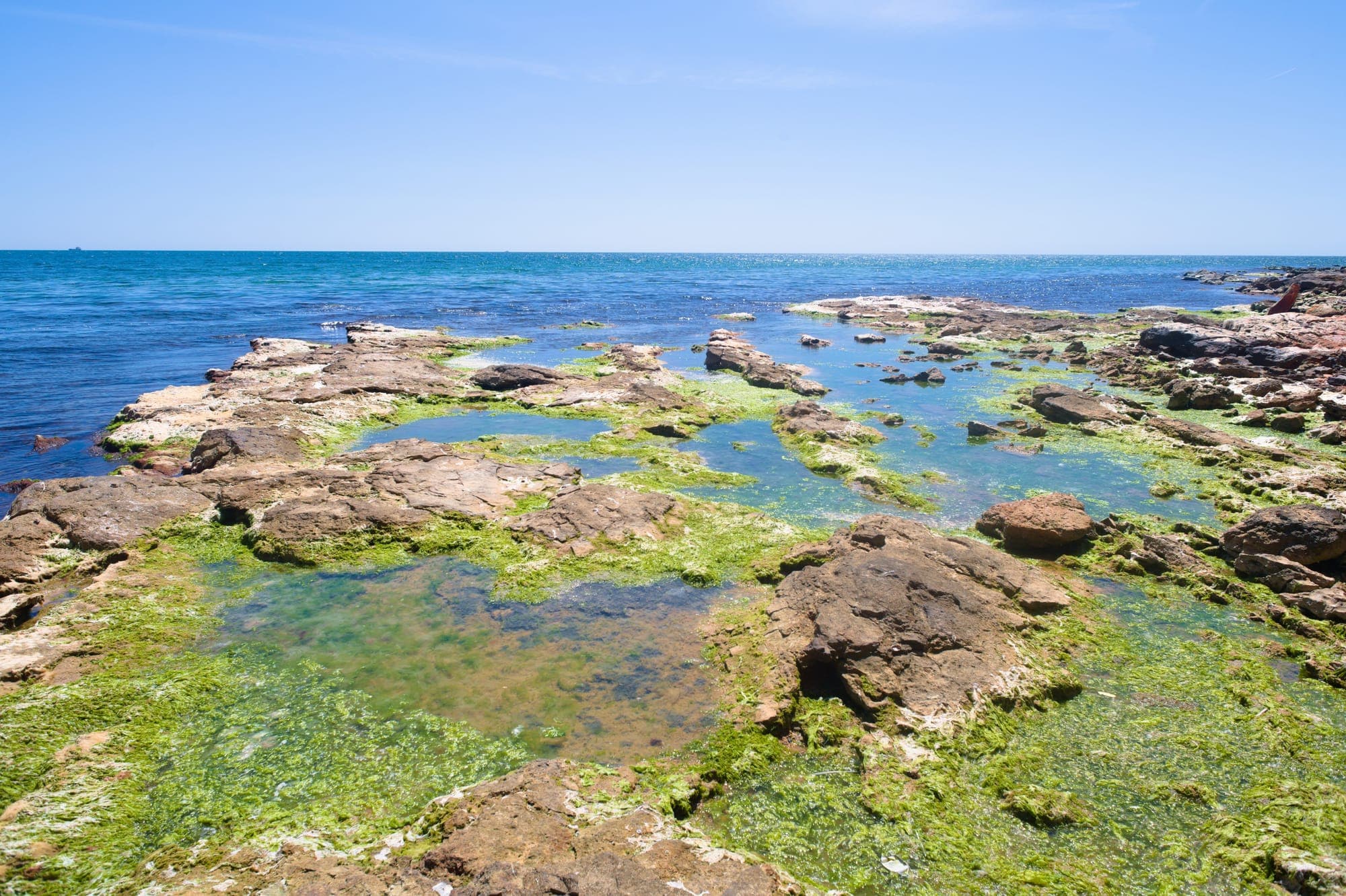
The only marine reserve on the Romanian coast: the waters between 2 Mai and the Bulgarian border, with stone reefs, brown seaweed beds and mussel banks to see with a mask or on a dive.
The only marine dunes left on the Romanian coast, protected since 1939 in the grounds of the Agigea Marine Biological Station: rare sand plants, tortoises and a free themed trail.
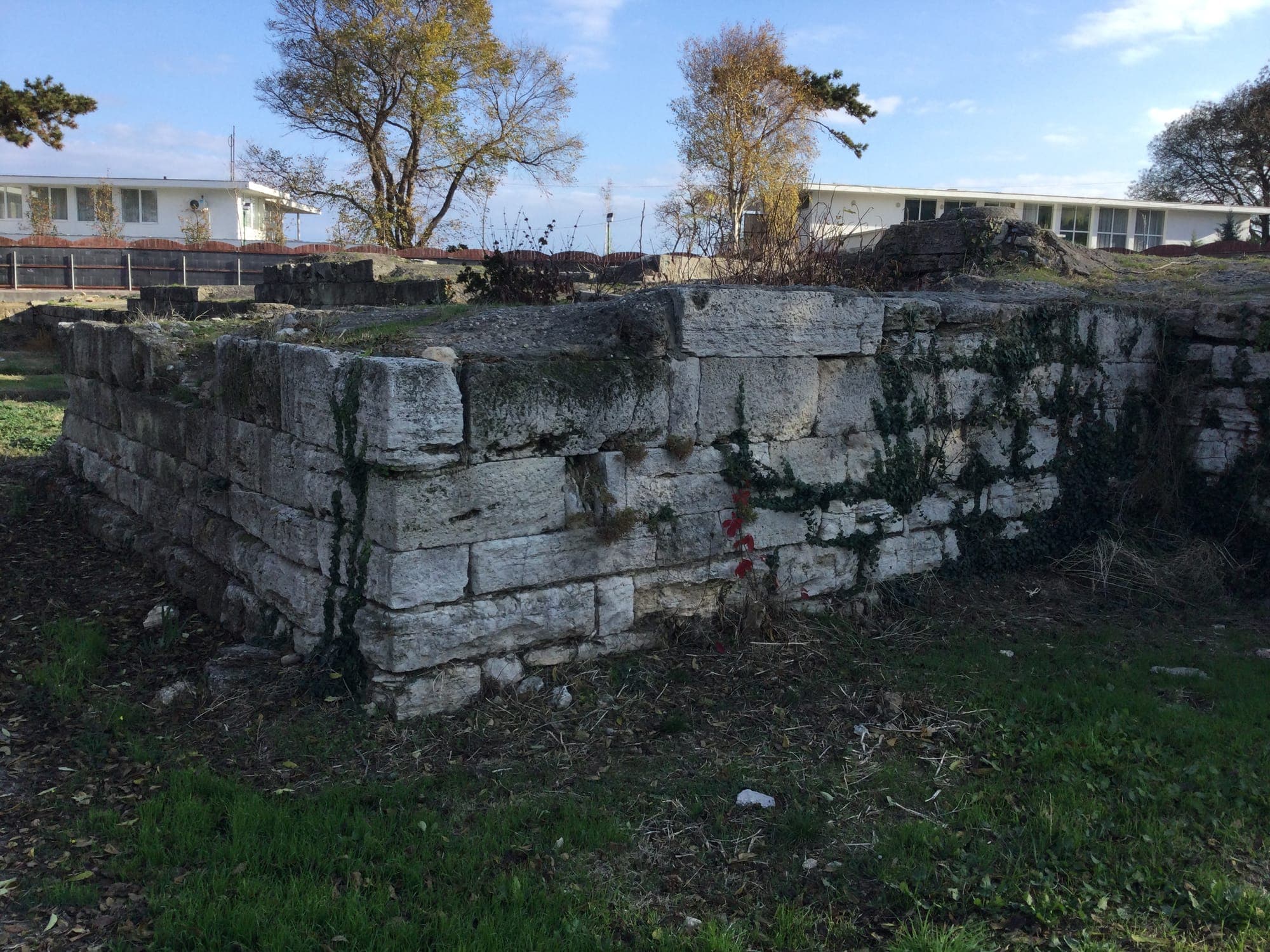
The ruins of the Greek city from which Mangalia grew: the circuit wall with its towers and the Syrian-type basilica on the clifftop promenade, steps from the beach, plus the town's archaeology museum.
Fortresses and fortificationsMonuments and historic sitesSeaside
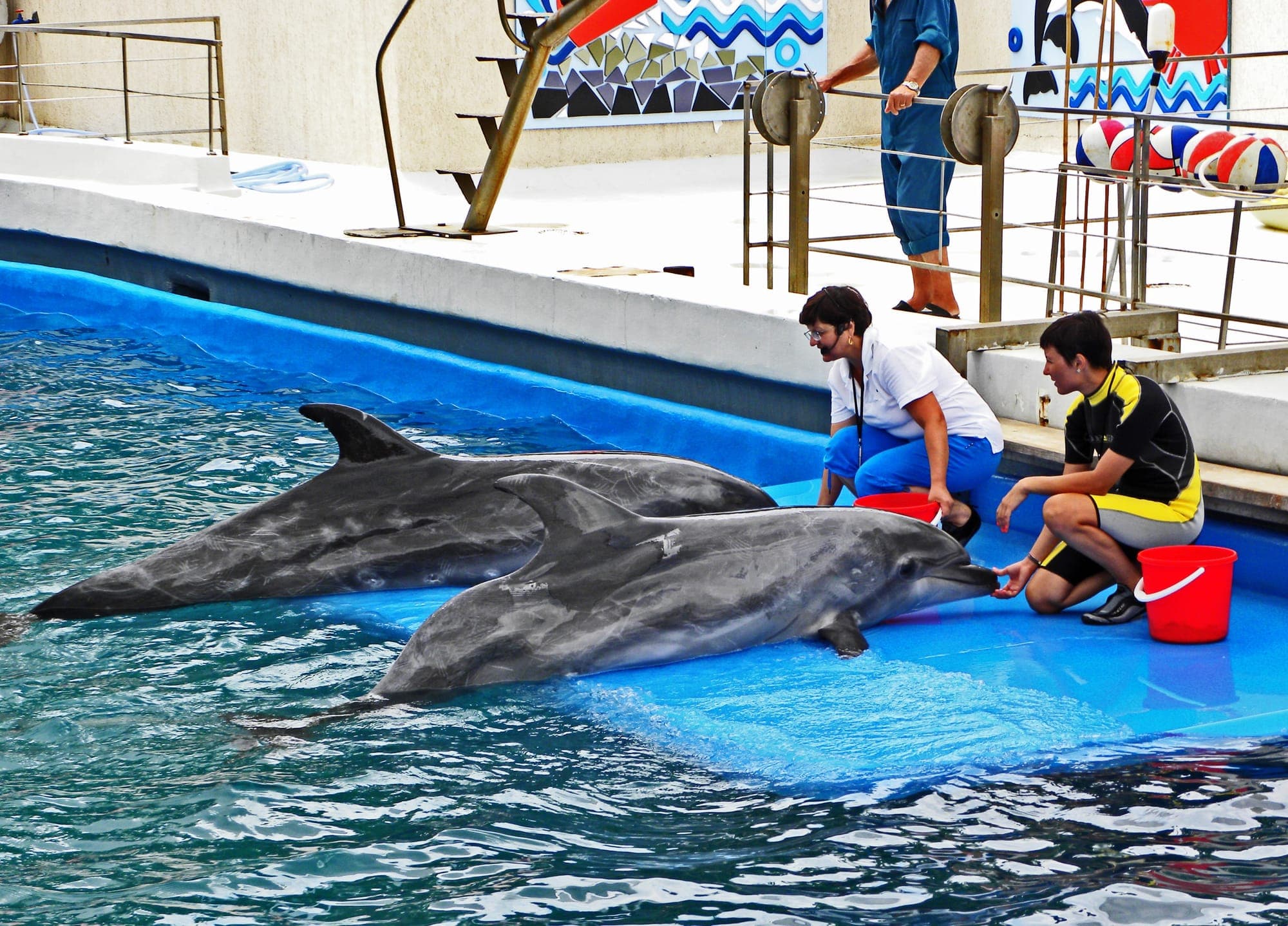
Romania's first dolphinarium, opened in 1972 on Mamaia Boulevard, with dolphin shows in a covered arena and, on the same ticket, a small reserve with Dobrujan birds and animals.
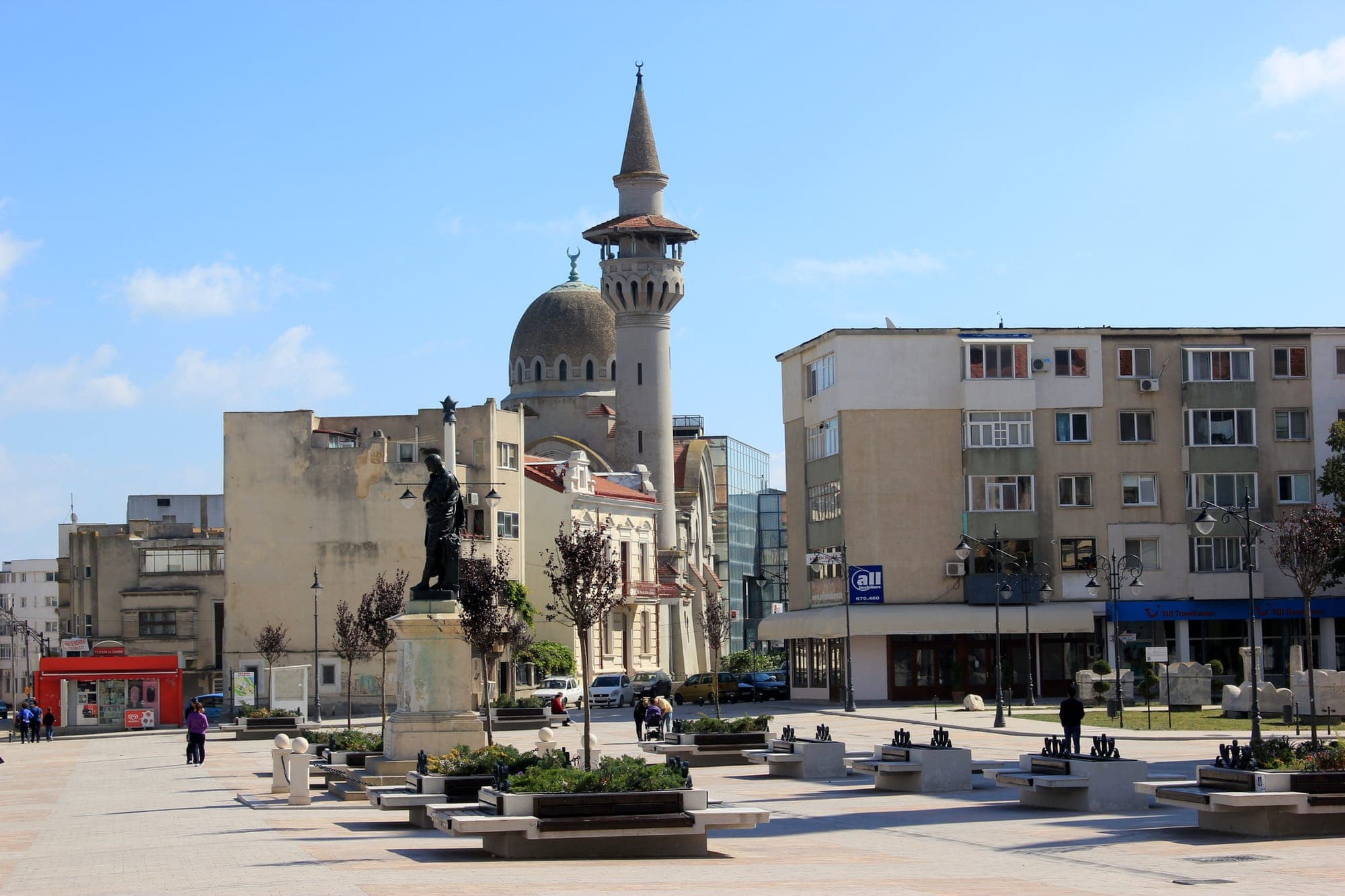
Constanța's old town, on the site of ancient Tomis: Ovid Square, the Roman mosaic, the mosque and its minaret, the cathedral, the Genoese Lighthouse and the casino seafront, all a few steps apart.
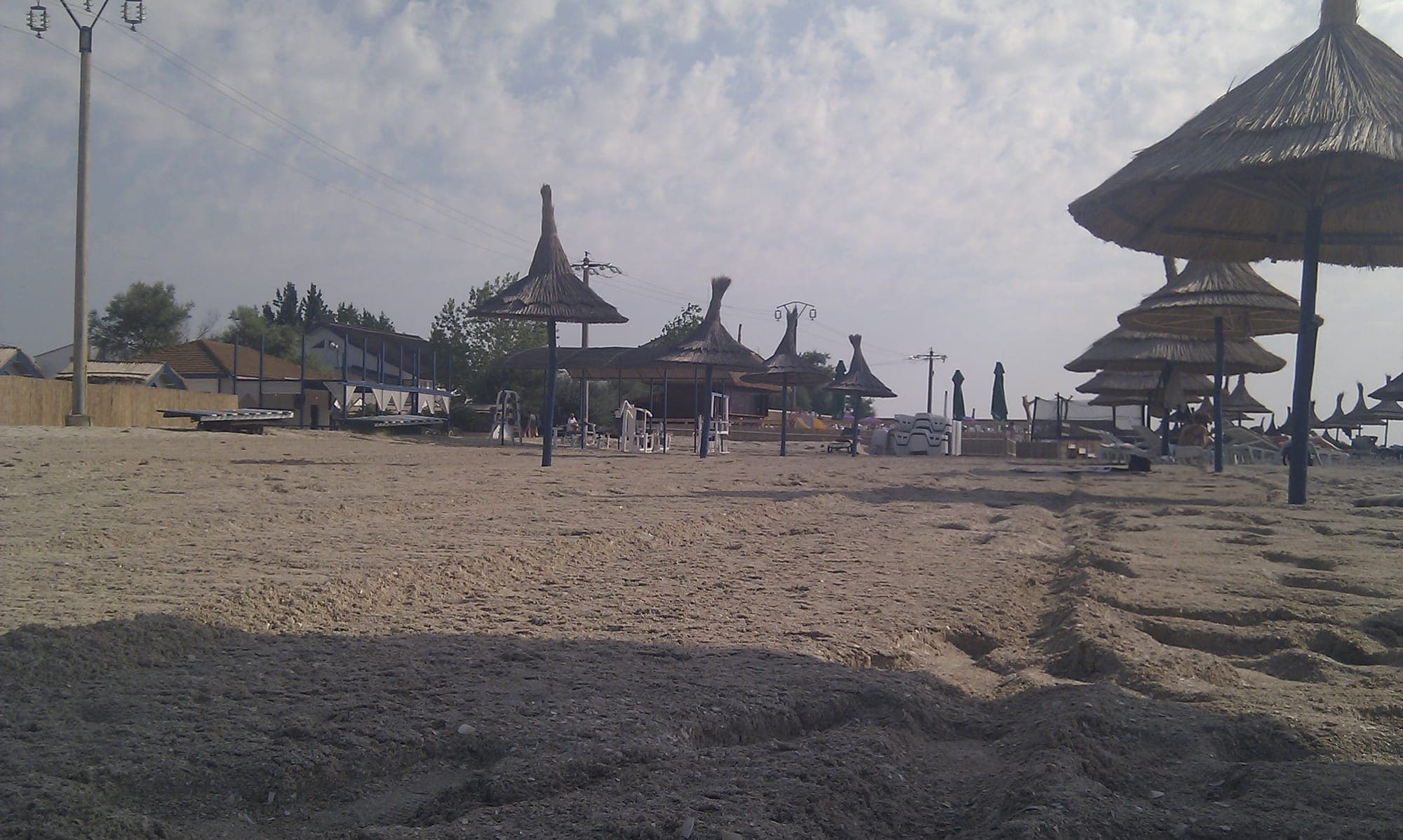
A strip of sand between the Black Sea and Lake Golovița, in the Danube Delta, reached only by boat from Jurilovca: a wide beach with reed sunshades and a single resort.
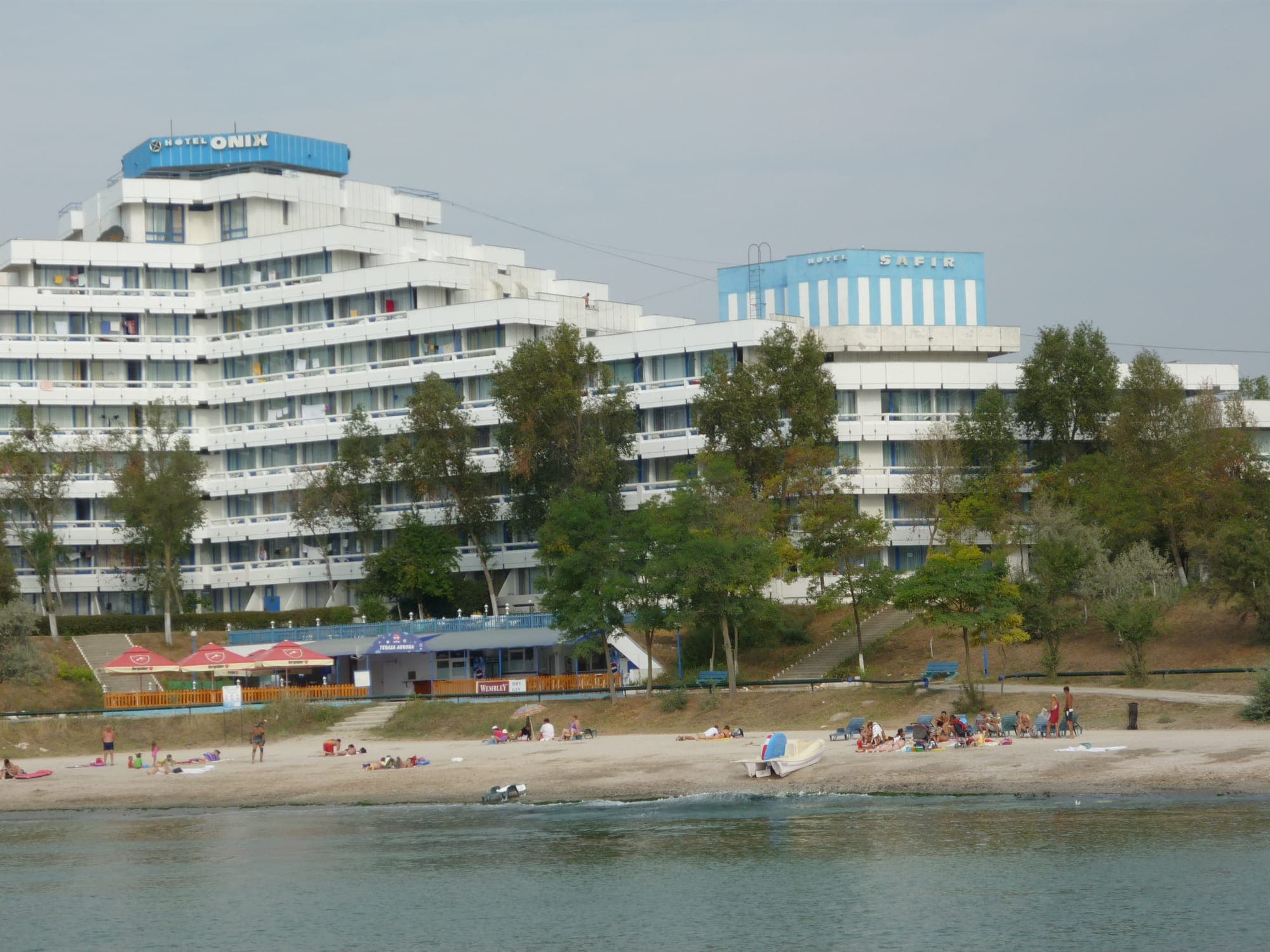
Two neighbouring resorts north of Mangalia: Jupiter, its beach split by groynes into small bays, and Cap Aurora, with stepped hotels named after precious stones.
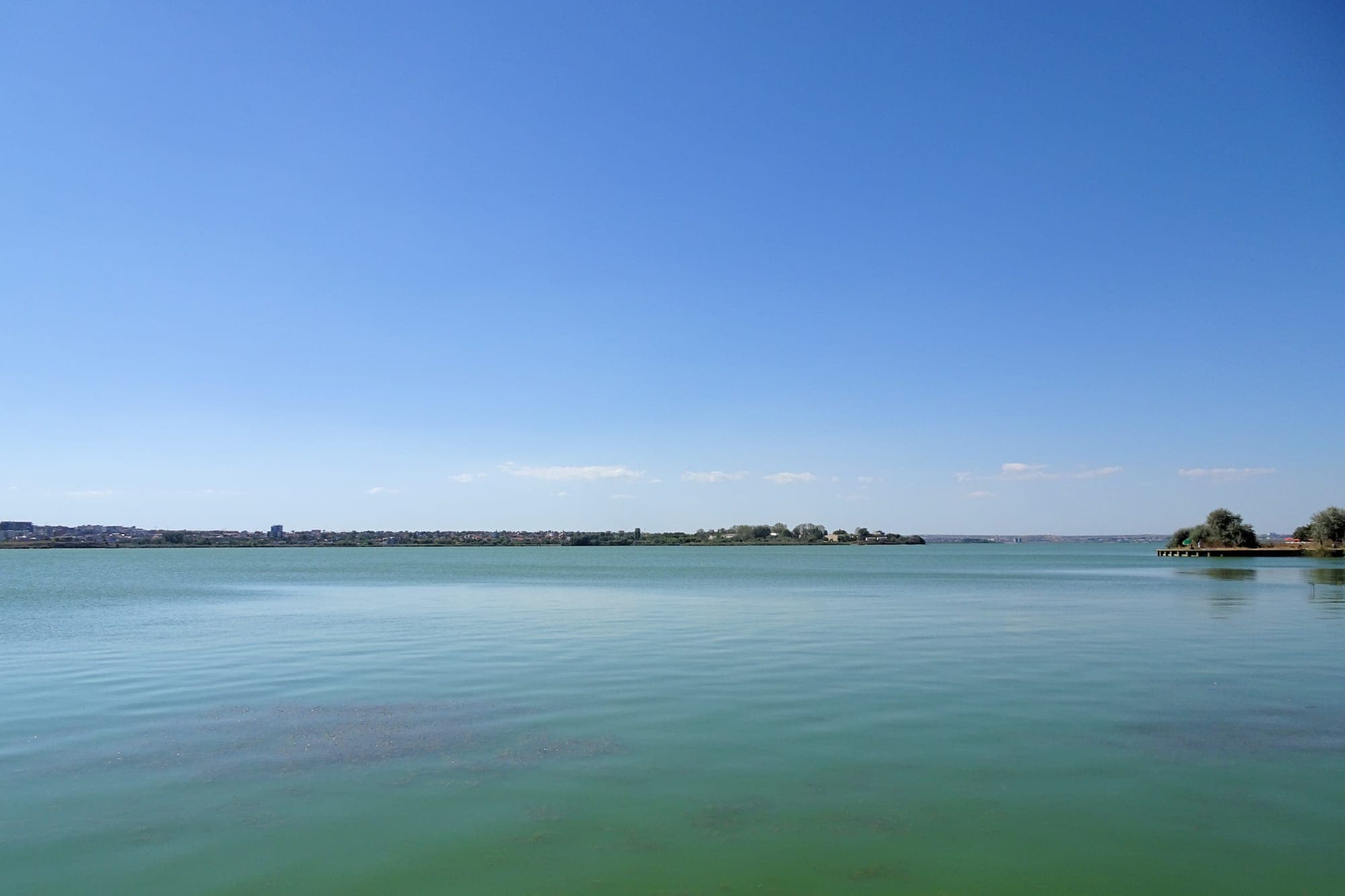
Romania's largest lake, a lagoon of about 415 km² south of the Danube Delta, with Lipovan fishing villages on its shores, protected islands and the ruins of Enisala and Argamum above the water.
The freshwater lake behind Mamaia, 7.5 km long, with water sports bases on the resort side and little Ovidiu Island, tied to the legend of the Roman poet, off the town of Ovidiu.
Romania's largest salt lake, a former sea bay next to Eforie: cold mud baths on the Techirghiol shore in summer, flocks of rare birds on water that does not freeze in winter.
LakesNational parks and reservesResorts and thermal baths
The town's own beach, running from the marina breakwater towards Saturn below the promenade rebuilt in 2022; since autumn 2026 it is being widened with sand, behind four new breakwaters.
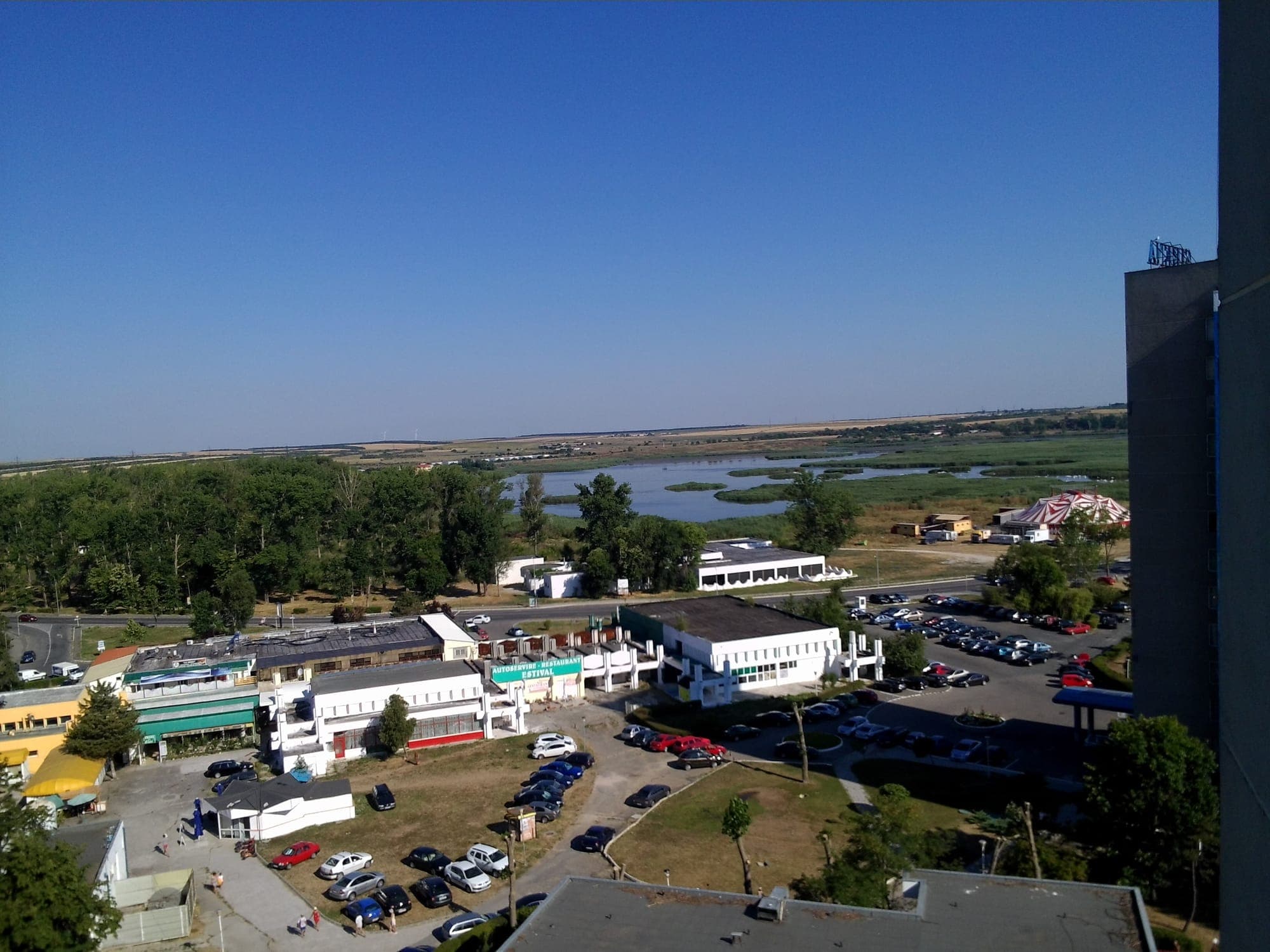
A 98-hectare former lagoon between Saturn and Venus, with reed beds, open water and sulphur springs where swans, egrets and black-winged stilts stop over; you watch it from the surrounding roads.
The resort that runs straight into Mangalia from the north: 1970s tower hotels, a beach in the middle of being widened, a public spa sanatorium and, behind it all, the Mlaștina Hergheliei nature reserve.