Constanța Casino
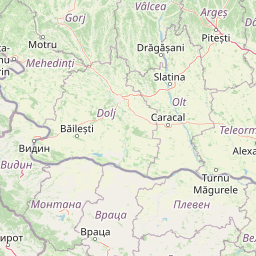
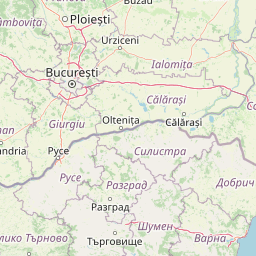
Constanța, CT · 3 km from Constanța
The Art Nouveau building on the Constanța seafront, opened in 1910, left to decay after 1990 and reopened in 2025 after restoration, with exhibitions on its history and on the Black Sea.
Constanța is the county of the Romanian seaside: almost the whole Black Sea coast, from Năvodari to Vama Veche, lies here, with the resorts strung along it and lakes Siutghiol and Techirghiol behind. The city of Constanța, on the site of ancient Tomis, has a historic centre on the peninsula, with the Carol I Mosque and the casino seafront; Mangalia, the former Callatis, closes the coast to the south. Inland, the Dobrujan plateau hides the Dobrogea Gorges, the Roman monument at Adamclisi and the Greek fortresses on the shore of Lake Sinoe. The tourist attractions in Constanța County are, first and foremost, the beaches.
Mamaia Beach is the best known and liveliest of them, while Vama Veche, on the border, has kept its unscheduled holiday mood for decades. Between them lie Eforie, Costinești and the resorts of the south, and to the north, towards Corbu and Vadu, the beaches remain wild. In the city, the Constanța Casino dominates the seafront; the Histria Fortress preserves the ruins of the Milesian colony by Lake Sinoe, and Lake Techirghiol is sought out for its mud and salt water.
44 results
The Art Nouveau building on the Constanța seafront, opened in 1910, left to decay after 1990 and reopened in 2025 after restoration, with exhibitions on its history and on the Black Sea.

The last village on the Romanian coast, a kilometre from the Bulgarian border: two kilometres of fine sand, terraces open until dawn and the waters of a marine reserve.

The resort with the longest developed beach on the Romanian coast: eight kilometres of sand on the spit between the Black Sea and Lake Siutghiol, widened by more than a hundred metres with dredged sand.

The ruins of the oldest city on Romanian soil, a Greek colony founded by Miletus in the 7th century BC on the shore of Lake Sinoe, with the site museum alongside.

The triumphal monument Trajan raised in 109 for his victory over the Dacians, reconstructed in 1977, with the original metopes in the village museum and the ruins of the Roman city nearby.

The second resort of the Romanian coast, on the strip between the Black Sea and Lake Techirghiol: three kilometres of fine sand and a sapropelic mud cure a few hundred metres from the waves.

The only marine reserve on the Romanian coast: the waters between 2 Mai and the Bulgarian border, with stone reefs, brown seaweed beds and mussel banks to see with a mask or on a dive.

The town's own beach, running from the marina breakwater towards Saturn below the promenade rebuilt in 2022; since autumn 2026 it is being widened with sand, behind four new breakwaters.

Six kilometres of wide sand north of Mamaia, split between the beach clubs of Mamaia Nord and the roomy, quieter town beach of Năvodari, with shallow water for hundreds of metres.

The youth resort of the Romanian coast, 31 kilometres south of Constanța: an east-facing beach, the white obelisk on the sand and the rusting wreck of the cargo ship Evangelia.

A small cave in the woods near Ion Corvin, fitted out as a church, where tradition says the Apostle Andrew lived; a monastery has grown up around it and draws pilgrims on 30 November.

The city's own beaches, from the fish market down to the cliff below the old town: three and a half kilometres of replenished sand, with Modern, Trei Papuci and Tataia one after another.

The resort where Romanian spa tourism began, on the highest cliff of the coast: interwar villas, an Art Deco casino and a beach recently widened to over a hundred metres.

A wild beach of shell-strewn sand at the village of Vadu, inside the Danube Delta Biosphere Reserve: low dunes, not a single building and an earth track down to the sea.

Romania's first dolphinarium, opened in 1972 on Mamaia Boulevard, with dolphin shows in a covered arena and, on the same ticket, a small reserve with Dobrujan birds and animals.