 Top 100
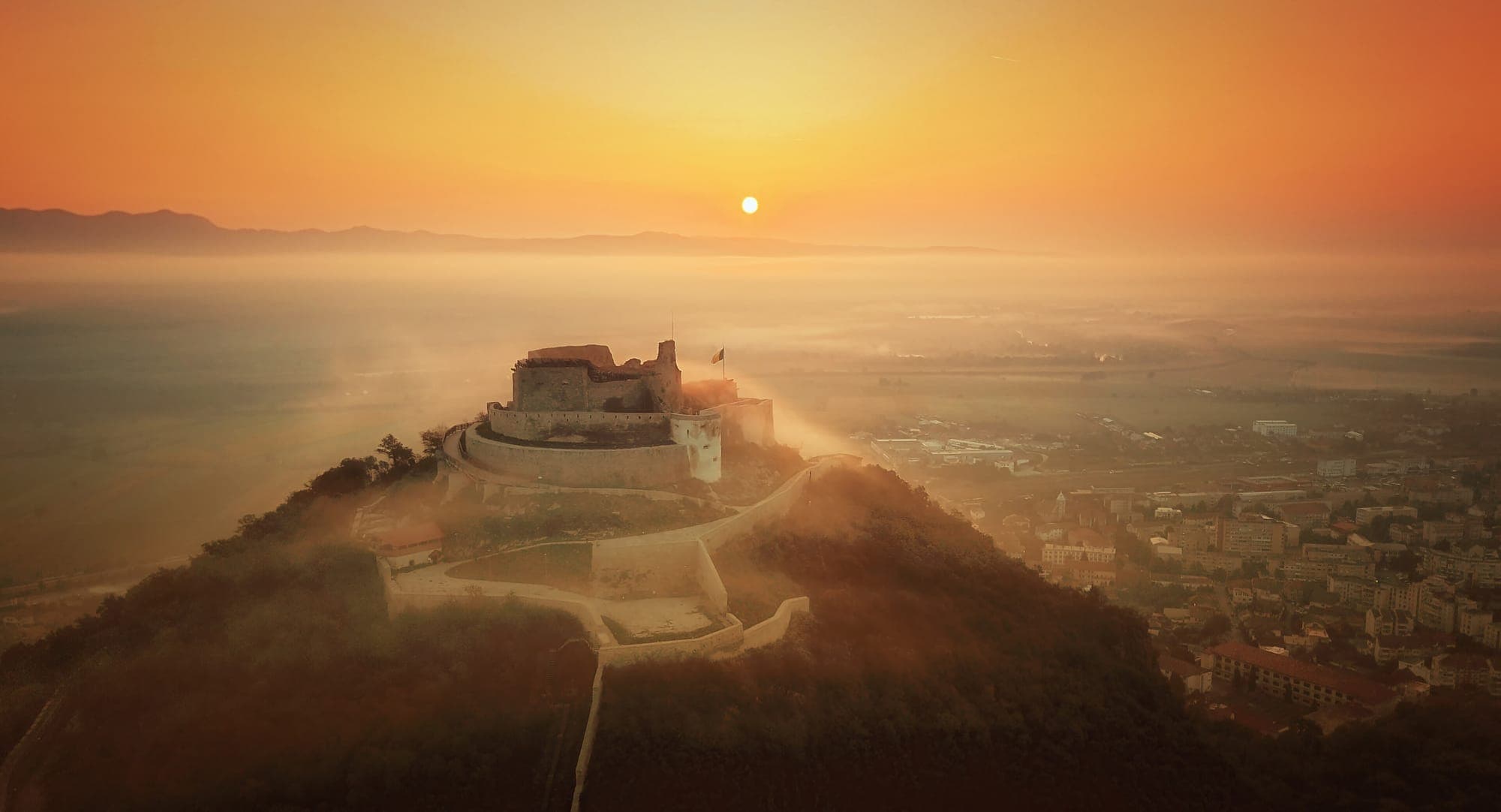
Deva Fortress
Deva, HD · 124 km from Sibiu
A 13th-century hilltop fortress on a volcanic hill above Deva, with three enclosures restored by 2024 and wide views over the Mureș valley.
Fortresses and fortifications
Closed1½ – 2 hoursFree
Top 100A 13th-century hilltop fortress on a volcanic hill above Deva, with three enclosures restored by 2024 and wide views over the Mureș valley.
 Top 100
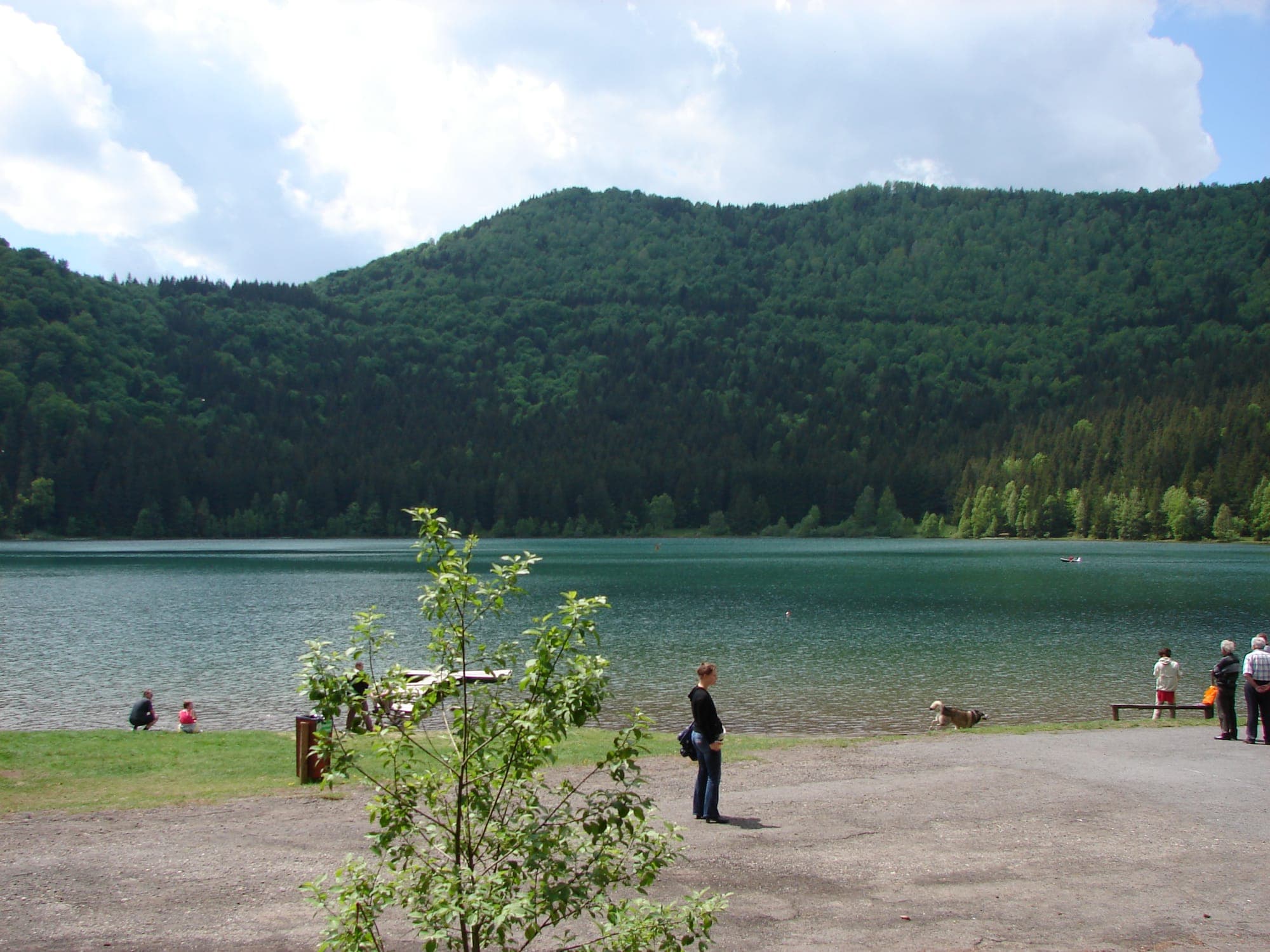
Romania's only volcanic lake: an almost round sheet of water in the Ciomatu crater, ringed by forest, with a Catholic chapel on the shore and the Mohoș peat bog in the neighbouring crater.
 Top 100
A heliothermal salt lake in Sovata, formed in 1875 over a salt massif: beneath a thin layer of fresh water the salt water goes above 40 °C in summer; a lido runs on the shore in season.
 Top 100
A masterpiece of Transylvanian Secession architecture, completed in 1913, with a gold-ground mosaic façade, the Hall of Mirrors and its 12 stained-glass windows, a concert hall with an organ and the Mureș County Museum's art galleries.
 Top 100
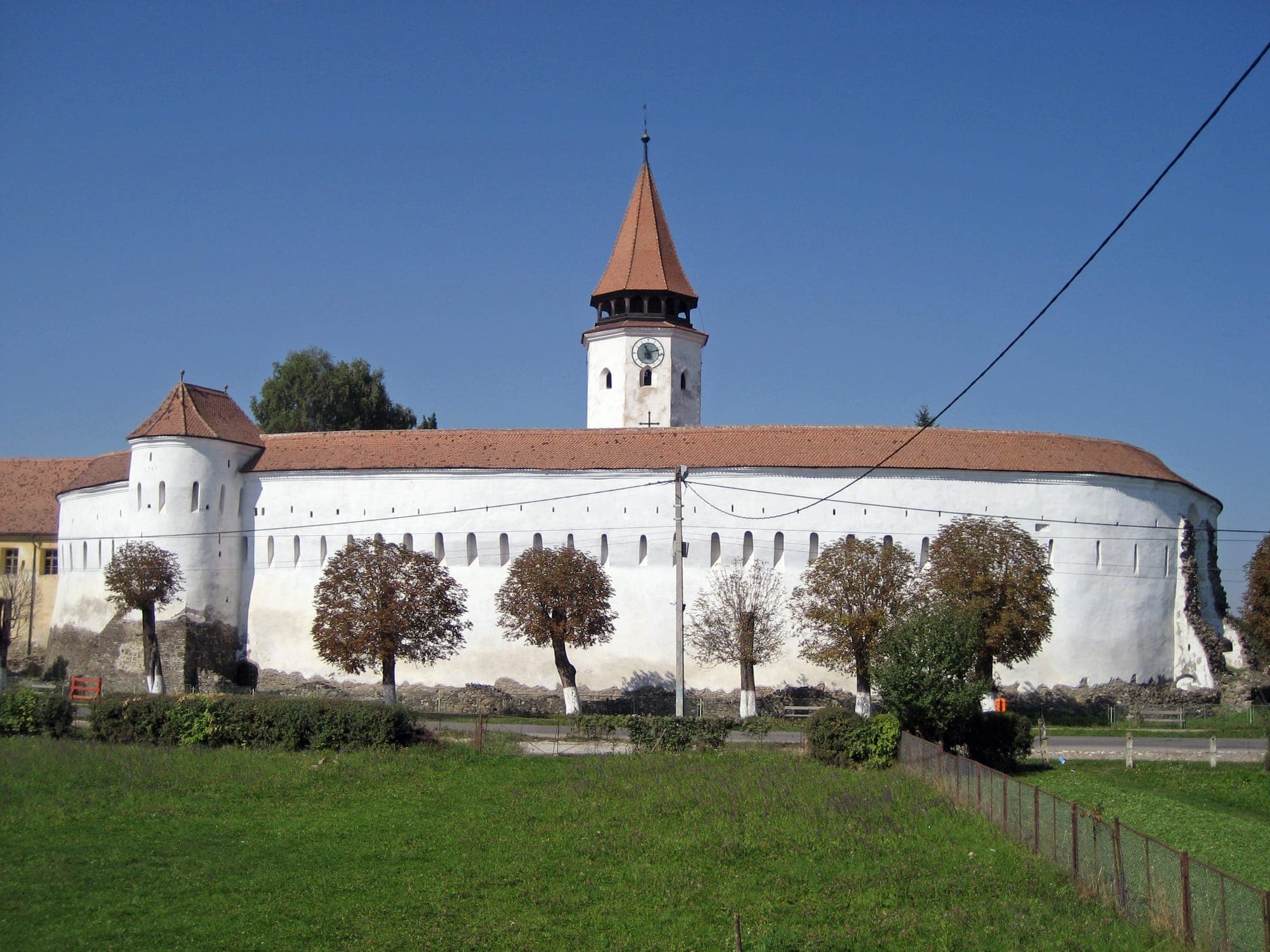
One of the largest Saxon fortified churches: a Gothic church on a cross-shaped plan, ringed by an oval wall with over 270 refuge rooms reached by timber galleries.
 Top 100
A natural dam lake formed in 1837, when a mountainside blocked the Bicaz valley; the trunks of the drowned forest still rise from the water, at the upper end of the Bicaz Gorge.
 Top 100
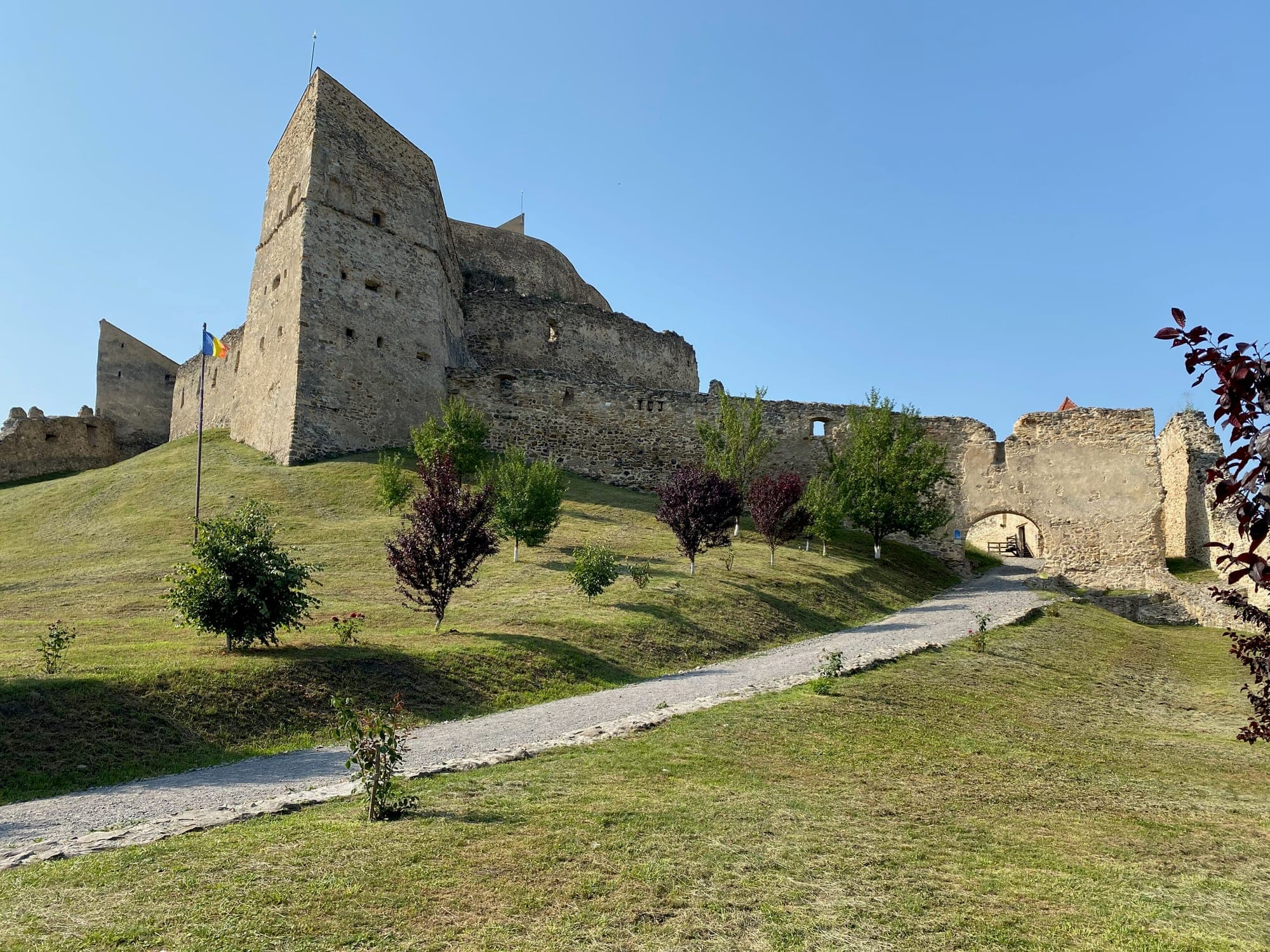
A Saxon peasant fortress climbing in tiers up a basalt hill above the town of Rupea, first recorded in 1324 and restored in 2010–2013, with wide views over the Transylvanian hills.
 Top 100
The capital of the Dacian kingdom, hidden in the beech forests of the Orăștie Mountains: the walls of Decebalus's fortress, the paved road and the sacred area with andesite and limestone sanctuaries, a UNESCO site.
 Top 100
A roughly 30 m, two-tiered waterfall at the foot of the Vlădeasa massif, on the Stanciului valley near Răchițele; the water fans out over the rock like a veil, and in winter the frozen wall is an ice-climbing spot.
 Top 100
A small white church on the hill above the village, grown from a 12th-century Romanesque chapel and ringed by walls, towers and grain galleries, in a Saxon village that has survived almost intact.
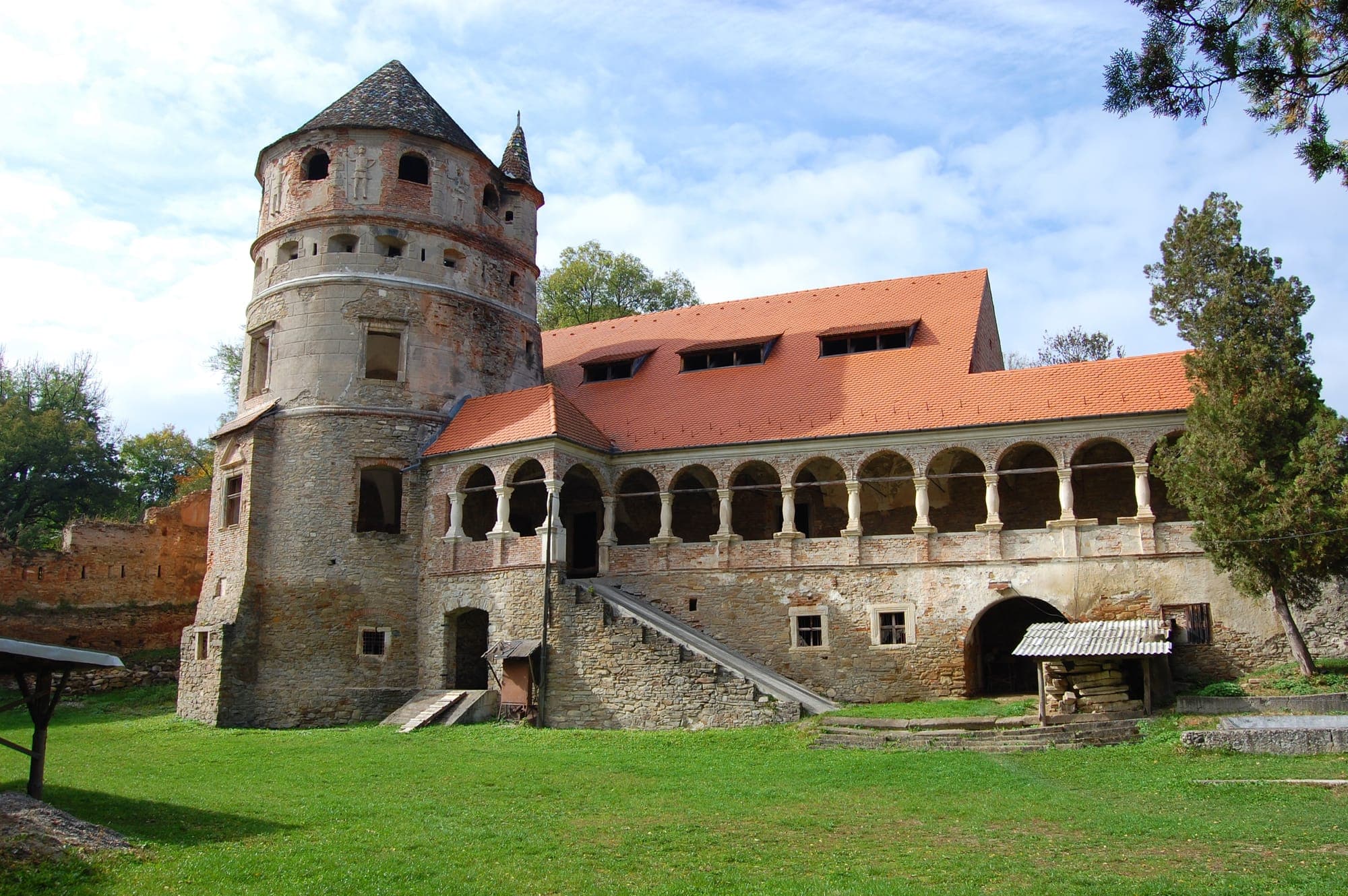
The most complete Renaissance residence left in Transylvania, seat of the Bethlen family: a tower with soldier reliefs, an arcaded loggia and bastioned walls, now under restoration.
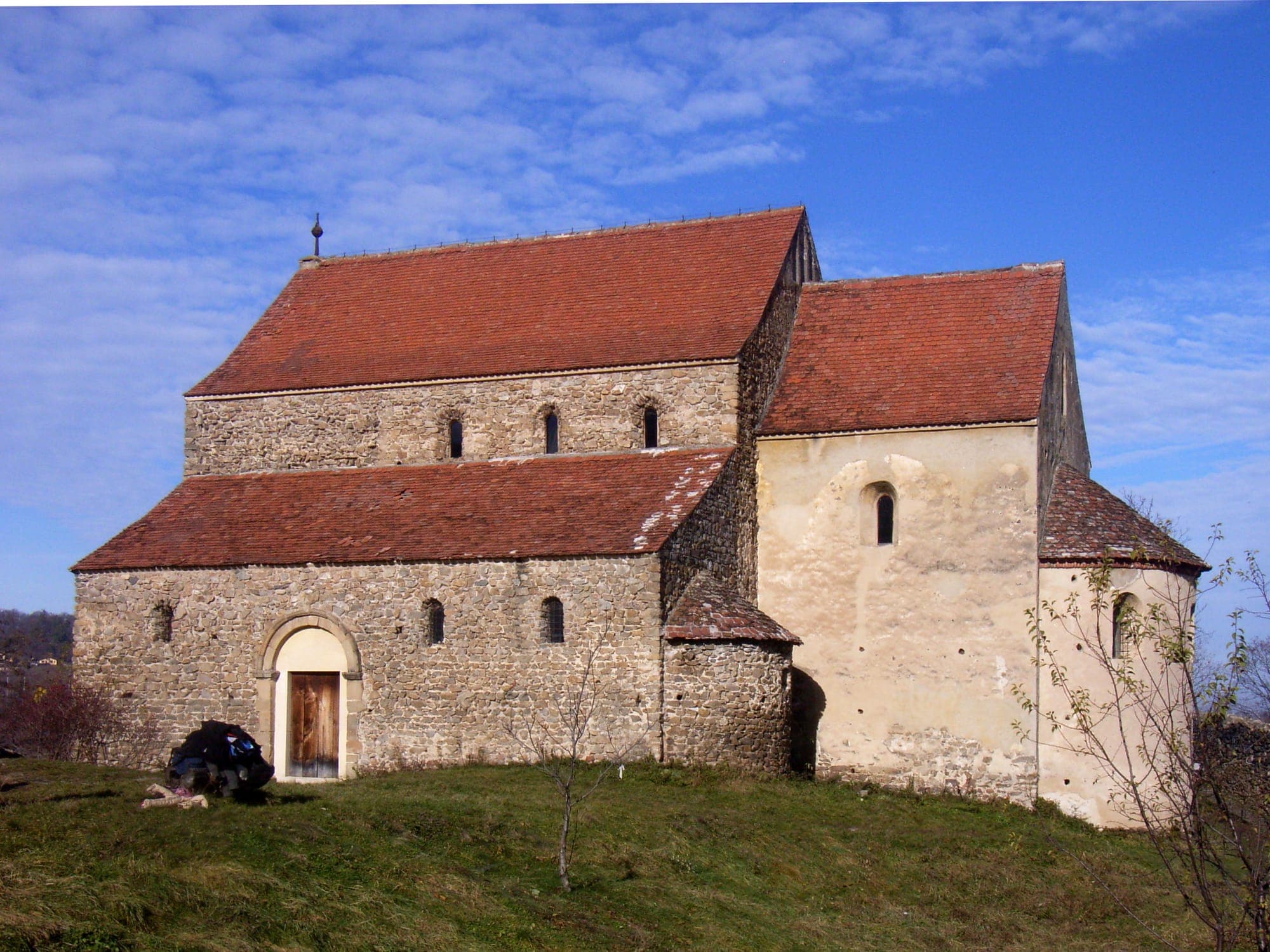
A Romanesque basilica from the turn of the 12th and 13th centuries, left almost unaltered, on the rocky top of St Michael's Hill, ringed by a defensive wall and looking out to the Făgăraș Mountains.

A lido with two salt lakes formed where old salt mines caved in, 24 km from Cluj-Napoca, plus an indoor pool of warm salt water that stays open all year.

A summer lido on two salt lakes formed in collapsed old salt pits, 100 m from the Durgău entrance of the Turda Salt Mine. The very salty water keeps you afloat; the mine is visited separately.
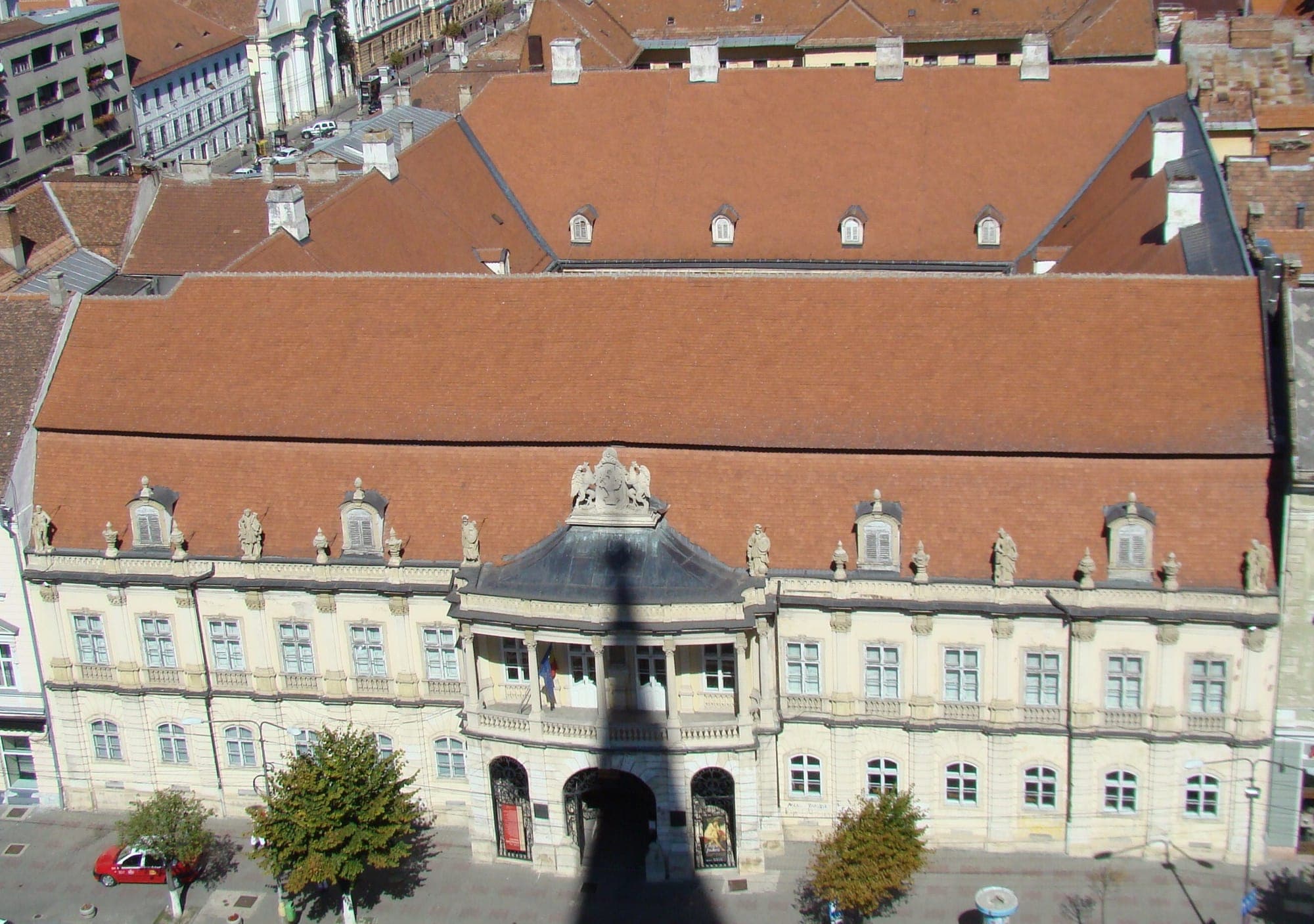
The finest Baroque palace in Transylvania, built between 1774 and 1785 on Cluj's Union Square, with classical statues along its attic; it houses the Art Museum, with five centuries of Romanian and Transylvanian painting.
Top 100Top 100Top 100Top 100Top 100Top 100Top 100Top 100Top 100Top 100