Corvin Castle
Hunedoara, HD · 19 km from Deva
5.0
John Hunyadi's Gothic residence, on a rock above the Zlaști river and reached by a long bridge on stone piers; inside, vaulted halls and towers from the 15th century.
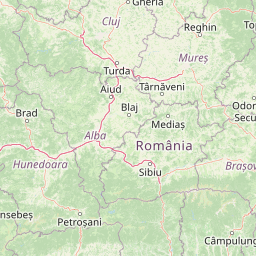
Hunedoara is the county in the south-west of Transylvania, on the Mureș valley, with the Retezat, Parâng and Șureanu Mountains to the south and the Metaliferi to the north; the Hațeg Land and the Jiu Valley, with the mining towns of Petroșani, Lupeni and Vulcan, give it a landscape and a history of its own. Deva, the county seat, lies at the foot of a hill with a fortress; Hunedoara, an industrial town, keeps its Gothic castle, and Orăștie is the gateway to the Dacian fortresses. For anyone who wants to see what there is to visit in Hunedoara county, ancient history and the mountains are the main thread.
Corvin Castle, built by the Hunyadi family in the 15th century, is among the largest Gothic castles in Europe, and Deva Fortress gives a wide view over the Mureș valley. In the Orăștie Mountains, Sarmizegetusa Regia, the capital of the Dacians, and the fortress at Costești-Blidaru are part of the UNESCO site of the Dacian fortresses. In the Retezat, Lake Bucura, the largest glacial lake in the country, is the classic goal of hikes starting from Cârnic.
39 results
John Hunyadi's Gothic residence, on a rock above the Zlaști river and reached by a long bridge on stone piers; inside, vaulted halls and towers from the 15th century.

The capital of the Dacian kingdom, hidden in the beech forests of the Orăștie Mountains: the walls of Decebalus's fortress, the paved road and the sacred area with andesite and limestone sanctuaries, a UNESCO site.

Romania's first national park, created in 1935 in the Retezat Mountains: granite ridges above 2,000 m, Peleaga Peak (2,509 m) and more than 80 glacial lakes, crossed by waymarked trails.

A 13th-century hilltop fortress on a volcanic hill above Deva, with three enclosures restored by 2024 and wide views over the Mureș valley.

A storybook estate in Chimindia, near Deva: a castle with a guided tour and an observation tower, a traditional village in miniature, a playground and a little train for children.

A cave crossed by a mountain stream north of Petroșani, with a 20 m-wide portal and a gallery of about 466 m walked end to end on footbridges, beneath the Dacian fortress of Bănița.

A private Italian-style garden at Banpotoc, near Deva: travertine paths, geometrically clipped hedges, fountains and vases brought from Italy, over almost 3.5 hectares, open to the public since 2018.

A thermal waterfall that never freezes, spilling over a moss-covered travertine wall, a quarter of an hour's walk from the centre of the Geoagiu-Băi spa resort.
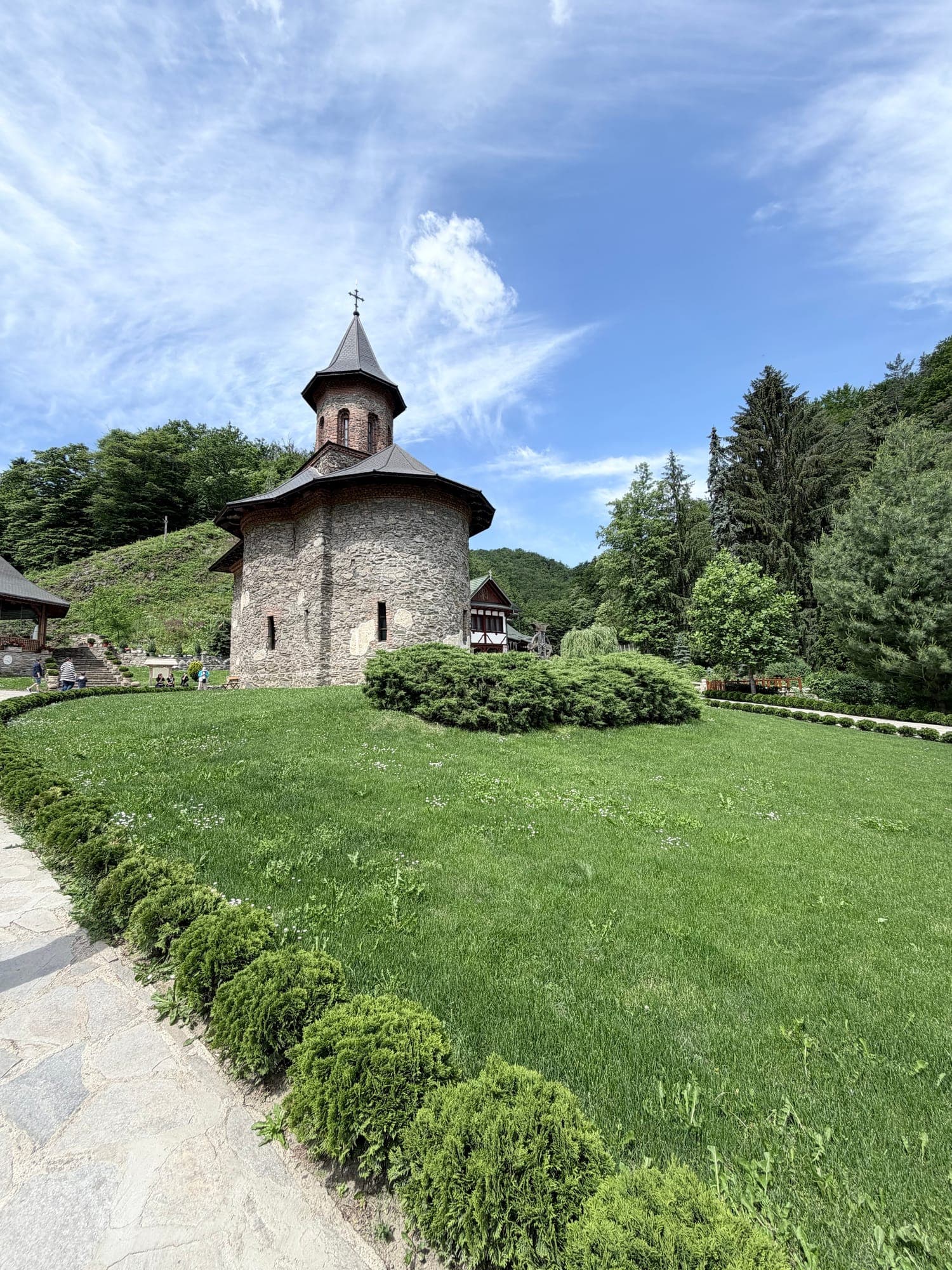
A convent in the Hațeg Country, with a stone church rebuilt in 1564 and the grave of St Arsenie of Prislop (Father Arsenie Boca), one of the largest pilgrimage sites in Romania.

An auxiliary Roman fort on Urieșilor Hill above the Mureș, near Geoagiu, with foundations, a headquarters building with an underground treasury unique in Dacia, and wide views over the valley.

The land of dwarf dinosaurs around Hațeg, Romania's first geopark: small museums with reconstructions and fossils, themed trails through villages, palaeontological sites and traces of 70-million-year-old volcanoes.

A small stone church in the Hațeg Country, built largely from Roman blocks brought from Ulpia Traiana Sarmizegetusa, with a tower over the nave, stone lions on the roof and paintings from 1443.

A military-themed park at Orăștie, on 88 hectares of forest: an open-air museum of military hardware, an adventure park, a 607 m zip line and a summer water park.

The Roman baths in the centre of the spa resort of Geoagiu-Băi: a sacred pool cut into a travertine mound, with channels, steps and rock-cut rooms, part of the Dacian Limes UNESCO site.

Romania's deepest glacial lake, 29 m deep, at almost 2,000 m in the south-west of Retezat National Park; it can only be reached on foot, on a long day hike.