The oldest public park in Iași, laid out from 1834 on Copou hill, with the Lions' Obelisk, Eminescu's Linden Tree, the busts of the Junimea writers and the "Mihai Eminescu" Museum.
The spa resort in the town of Covasna, Romania's "resort of the heart": carbon dioxide mofettes, sparkling mineral springs on every corner and the Devil's Pond, a mud volcano in the central park.
The museum in the Jean Mihail Palace, built in 1898–1907 to plans by Paul Gottereau, holds six works by Brâncuși, including “The Kiss”, as well as Romanian and European art.
A geological reserve in Sălaj with 10–15 m sandstone towers and spurs, shaped by erosion and named by locals "the Dragon and the Dragoness", "Fata Cătanei" or "the Monks".
A nature reserve in the Vrancea Subcarpathians where methane gas seeps out of the ground and burns by itself, in small flames best seen in dry weather and towards evening.
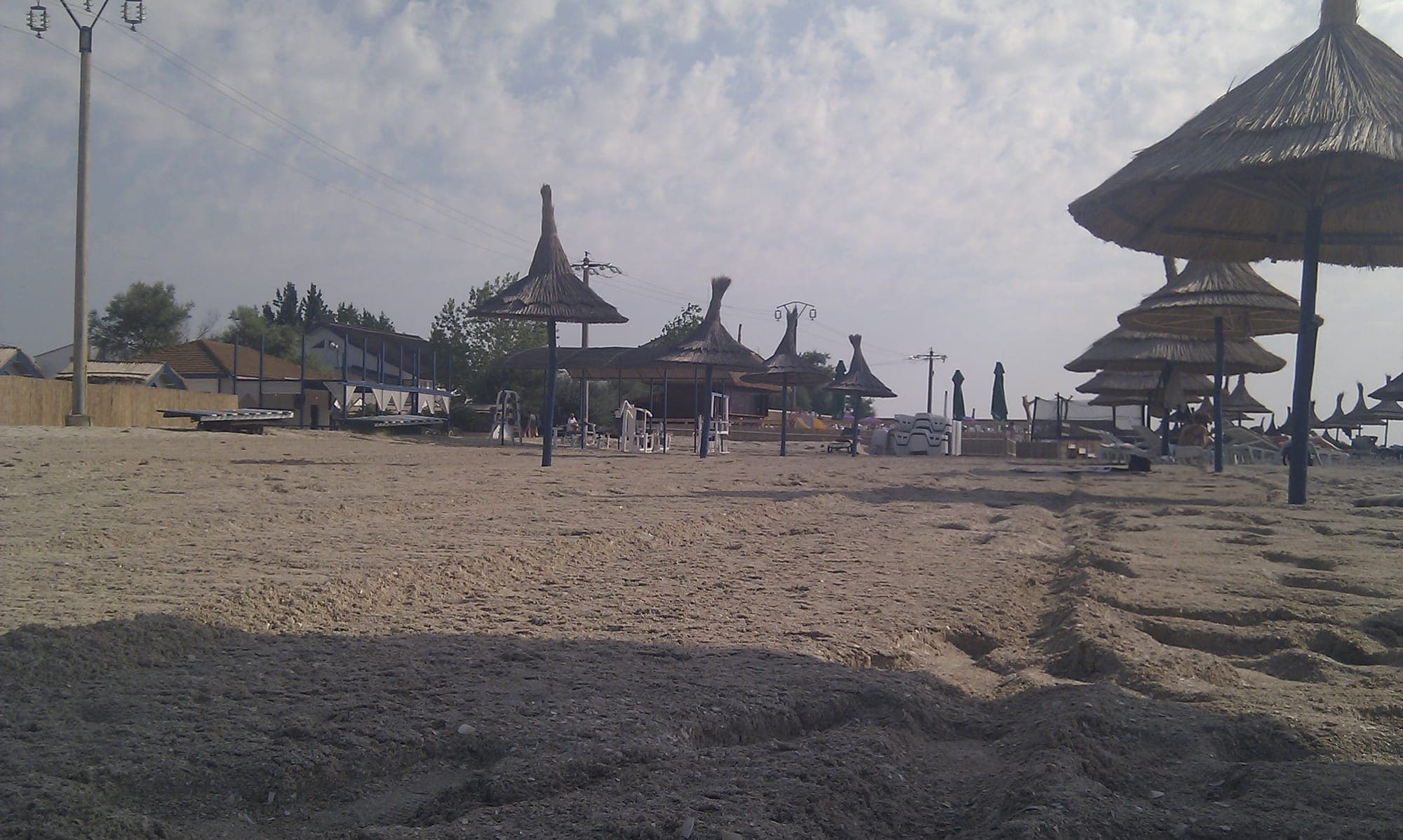
A strip of sand between the Black Sea and Lake Golovița, in the Danube Delta, reached only by boat from Jurilovca: a wide beach with reed sunshades and a single resort.
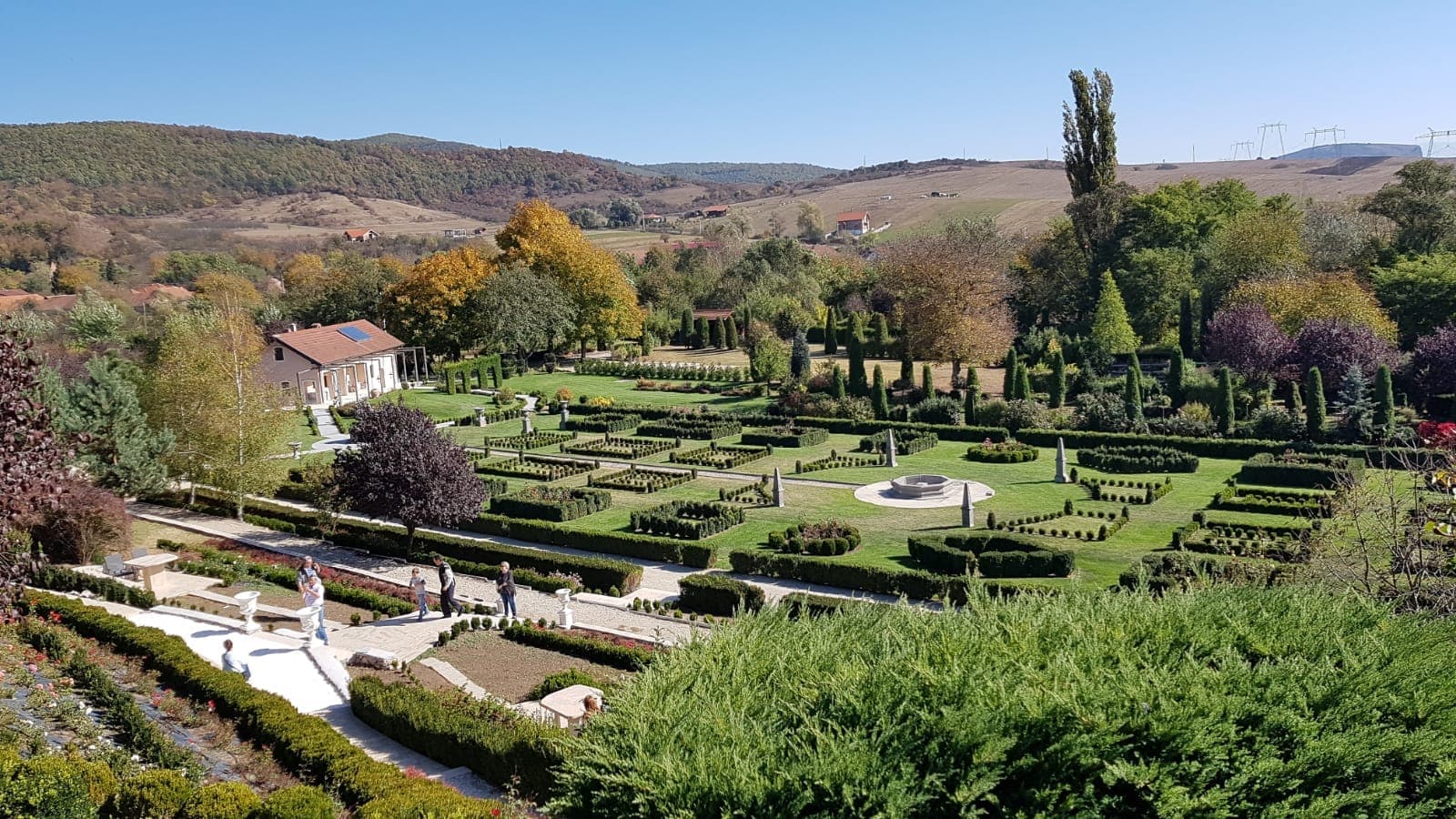
A private Italian-style garden at Banpotoc, near Deva: travertine paths, geometrically clipped hedges, fountains and vases brought from Italy, over almost 3.5 hectares, open to the public since 2018.
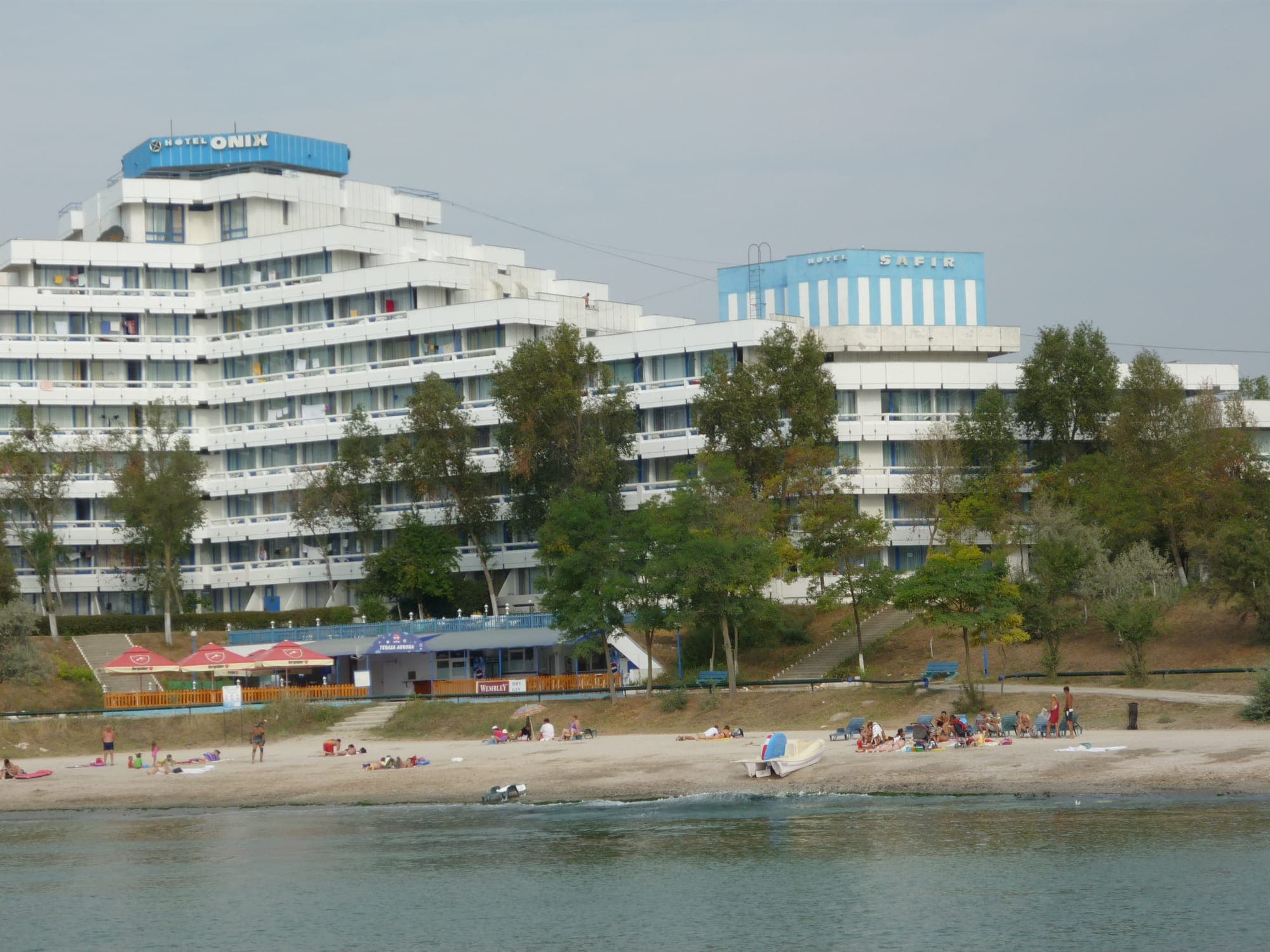
Two neighbouring resorts north of Mangalia: Jupiter, its beach split by groynes into small bays, and Cap Aurora, with stepped hotels named after precious stones.
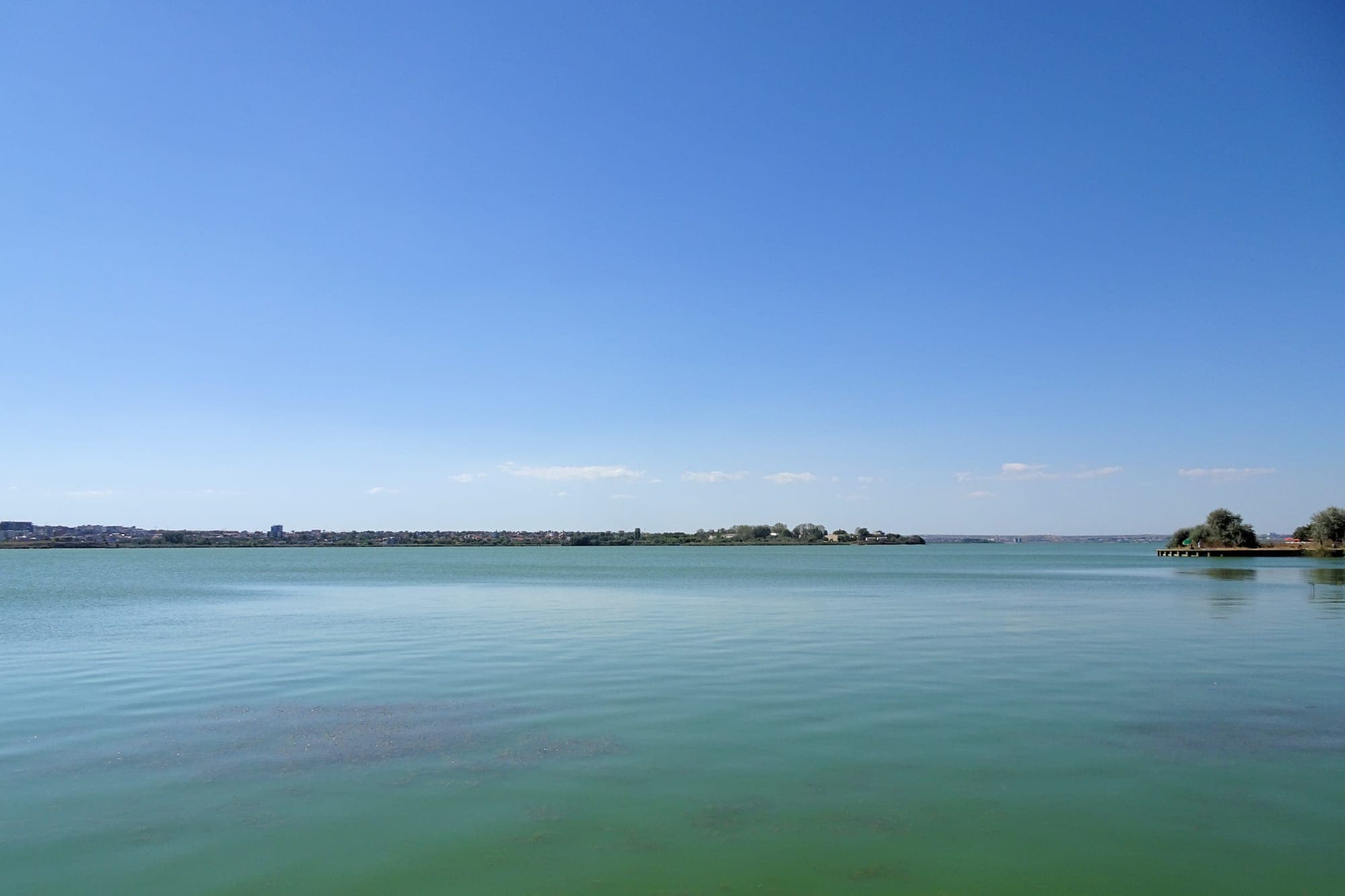
The freshwater lake behind Mamaia, 7.5 km long, with water sports bases on the resort side and little Ovidiu Island, tied to the legend of the Roman poet, off the town of Ovidiu.
A reservoir almost 9 km long on the Someșul Cald, about 30 km from Cluj-Napoca, with wooded slopes, a 97 m arch dam and sailing or kayaking on the water.
The First World War heroes' mausoleum, built between 1923 and 1938 on the 1917 battlefield, with 5,073 soldiers in its crypts and a museum of the battles.
Monuments and historic sitesMuseums and memorial houses
The former Rally Theatre, a heritage building in Brăila's historic centre, with a richly ornamented façade on Calea Regală, restored with EU funds and still a working repertory theatre.
Founded by Petru Rareș in 1532, with a church painted on the outside in shades of yellow and blue and the famous Siege of Constantinople fresco; a UNESCO site in Bukovina.
Monasteries and churchesMonuments and historic sitesUNESCO
One of the largest Gothic hall churches in the Târnava valley, with a massive bell tower and a walled enclosure with towers; part of the wall collapsed in June 2026.
Monasteries and churchesFortresses and fortifications
A spa resort in Maramureș with salt lakes that formed on the surface above old salt mines, including Lake Gavril, 30 m deep; salt-water bathing happens in the pools of the local complexes.