
Sibiu Zoo
Sibiu, SB
The zoo in the Dumbrava forest, opened in 1929 and considered the first in Romania, with tigers, lions, jaguars, white wolves, bears and lakes where you can go boating.
Zoos and aquariums
Open now2 – 2½ hours20 lei
The zoo in the Dumbrava forest, opened in 1929 and considered the first in Romania, with tigers, lions, jaguars, white wolves, bears and lakes where you can go boating.
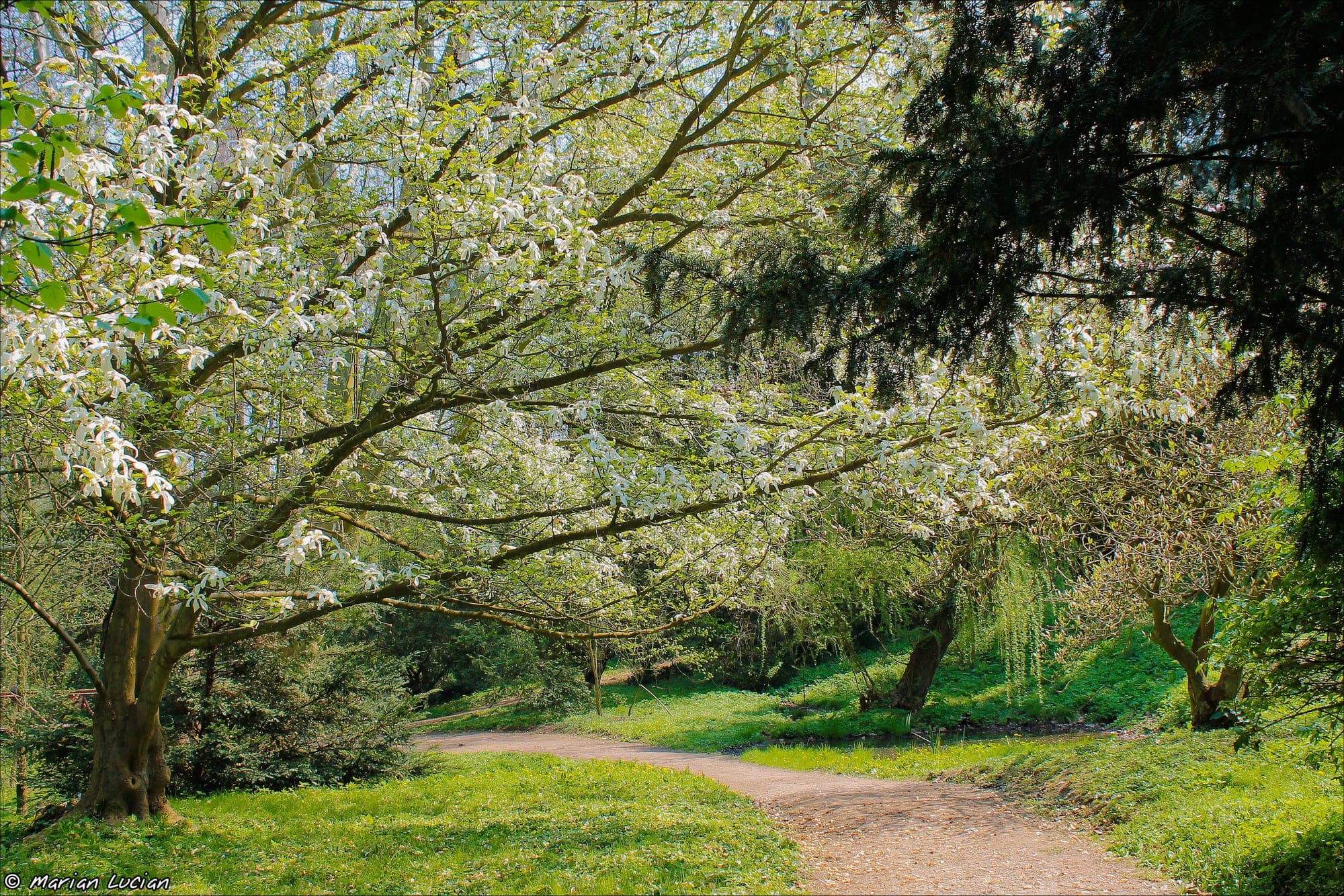
Romania's oldest dendrological park, on almost 70 hectares beside the Mureș: more than 2,000 taxa, magnolias in spring and paths among centuries-old trees.

A synagogue of 1877–1878 on the bank of the Crișul Repede, with a broad dome and a Moorish-style painted interior; restored and reopened in 2015, it is now a cultural venue.

A chain of travertine cascades on the Șipote stream, below the Bedeleu cliffs in the Trascău Mountains: the last one drops straight into the Arieș by the DN75, the upper ones are reached on a nature trail from Sălciua.

The ruins of a 13th-century stone fortress on Dealul Cetății above Șiria, with walls, towers and a wide view over the Arad Plain.

The former metropolitan cathedral of Moldavia, built in 1514–1522 in the centre of Suceava and home to the relics of St John the New; its church of St George is a UNESCO site.

The Lutheran church in the centre of Mediaș, late Gothic and enclosed in a fortress with walls and towers; its leaning tower, with a five-pointed spire, is the town's emblem.

A small stone church in the Hațeg Country, built largely from Roman blocks brought from Ulpia Traiana Sarmizegetusa, with a tower over the nave, stone lions on the roof and paintings from 1443.

The Orthodox church of the Romanians of Șcheii Brașovului, built from 1495 on the site of a wooden one, with Gothic-Baroque towers, painted façades and Nicolae Titulescu's grave in the churchyard.

A small convent in the Old Town with a Brâncoveanu-style church from 1724, façades painted with saints in medallions, an arcaded courtyard and a lapidary of stones from vanished Bucharest churches.
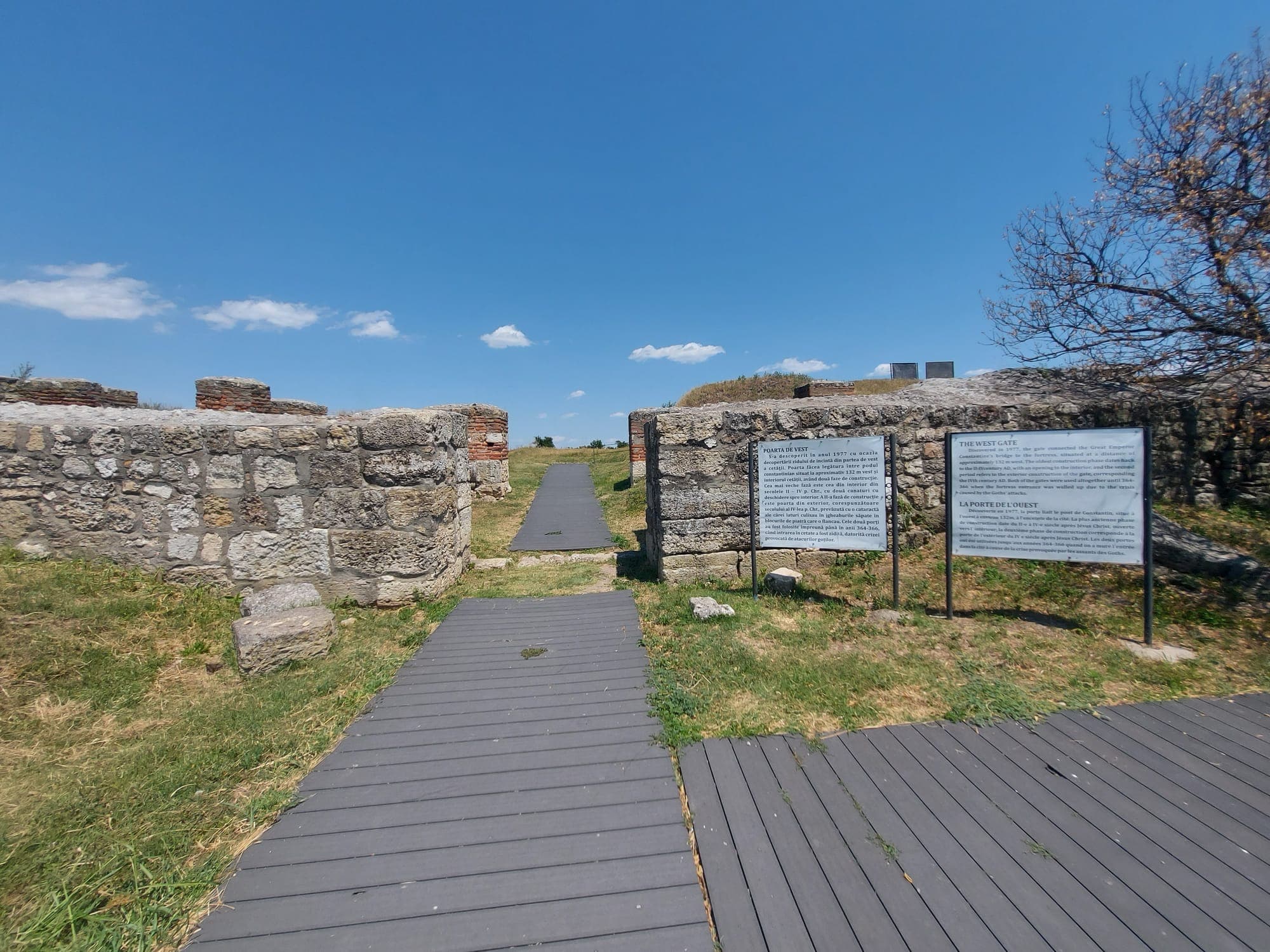
The Daco-Roman and Roman-Byzantine fortress in Corabia, with its excavated walls and towers, a 6th-century basilica, the "secret well" and the northern pier of Constantine the Great's bridge over the Danube.

The oldest museum in Székely Land, in a building designed by Kós Károly in 1911–1912: history, ethnography, natural sciences and a garden with Székely gates.
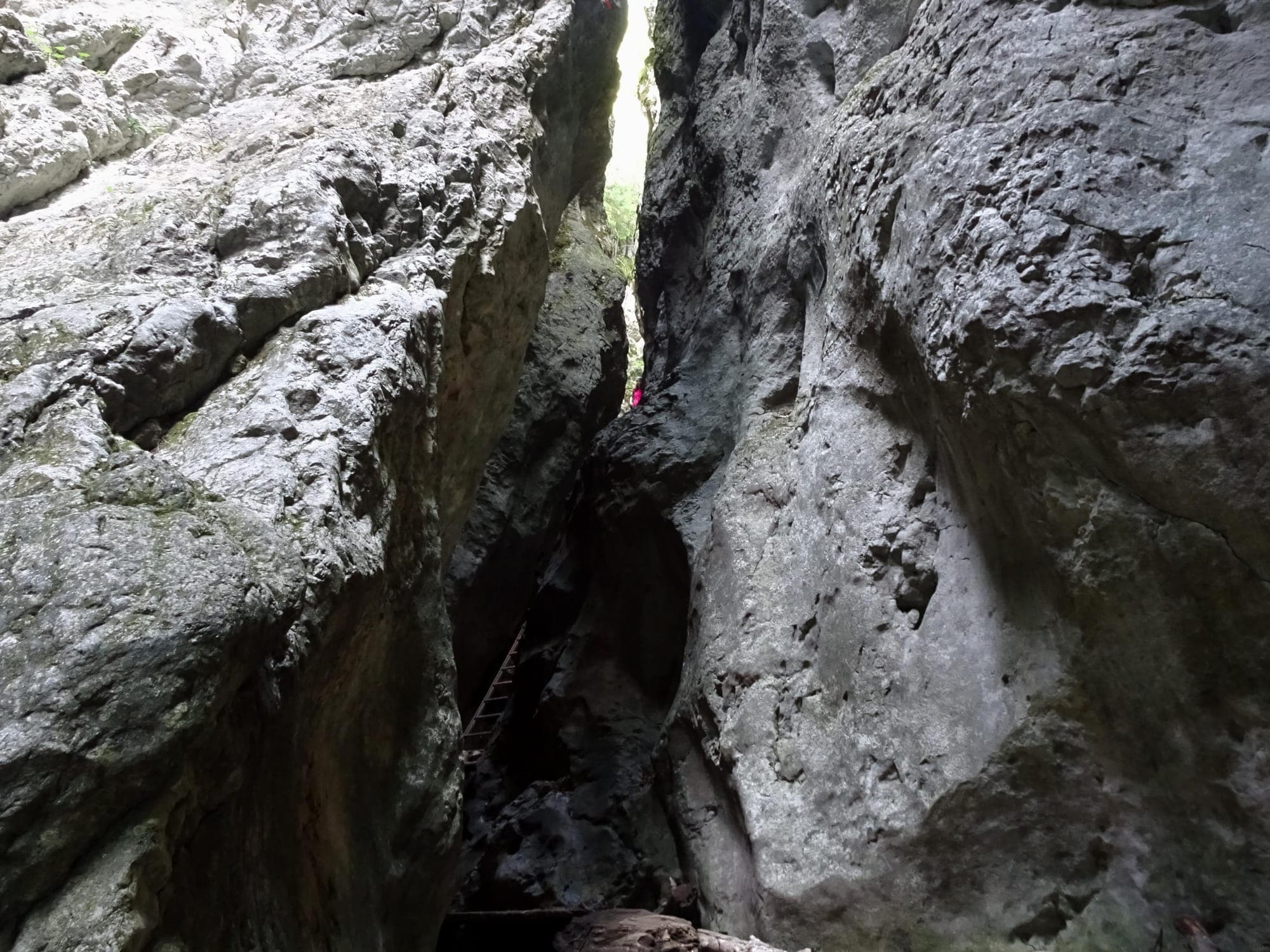
A chain of five waterfalls in a narrow limestone gorge in the Piatra Mare Mountains, above Timișu de Sus; reached in about an hour's climb on the blue-stripe trail.

The zoo on the Cornești Plateau, open since 1964 and now spread over 42 hectares of forest, with elephants, giraffes, gibbons, tigers, lions and bears, the largest in Romania by area.

Bihor's county museum, housed since its move in the former Royal Cadet School of 1898: archaeology, history, art, ethnography, natural sciences and a vivarium under one roof.