

Ascension of the Lord Wooden Church in Arieșeni
Arieșeni, AB
A wooden church of 1791, plastered and roofed in sheet metal, with rare peasant stucco decoration on its façades, a west bell tower and old painting in the nave.
908 results
A wooden church of 1791, plastered and roofed in sheet metal, with rare peasant stucco decoration on its façades, a west bell tower and old painting in the nave.
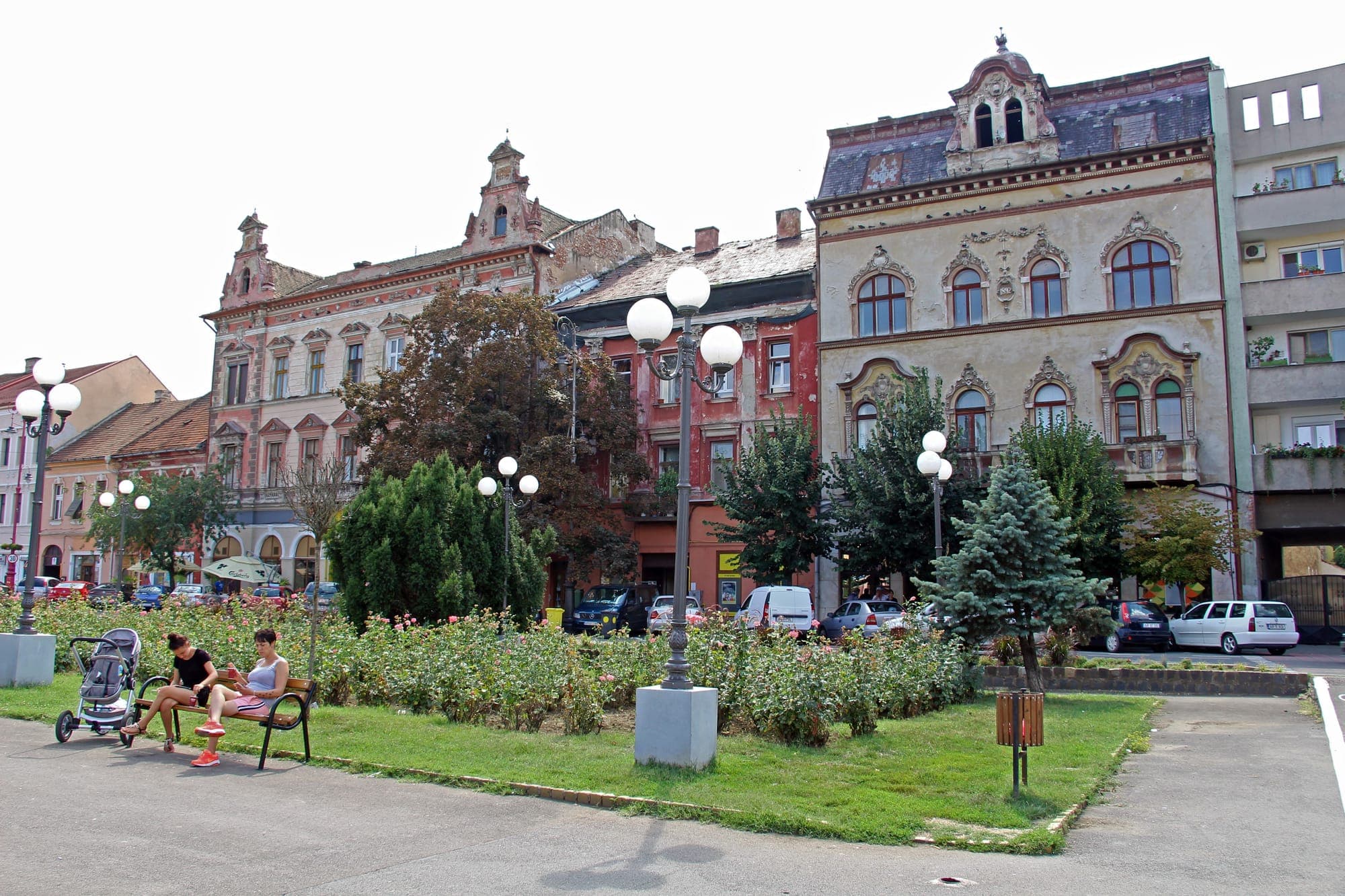
The square behind the Ioan Slavici Classical Theatre, with a park in the middle, Baroque and Secession houses and the Nádasdy and Rozsnyai palaces on its sides; in winter, part of Arad's festive route.

A 14th-century Gothic hall church with its bell tower raised above the choir, surrounded by an oval wall whose former food stores now house a museum and guest rooms.
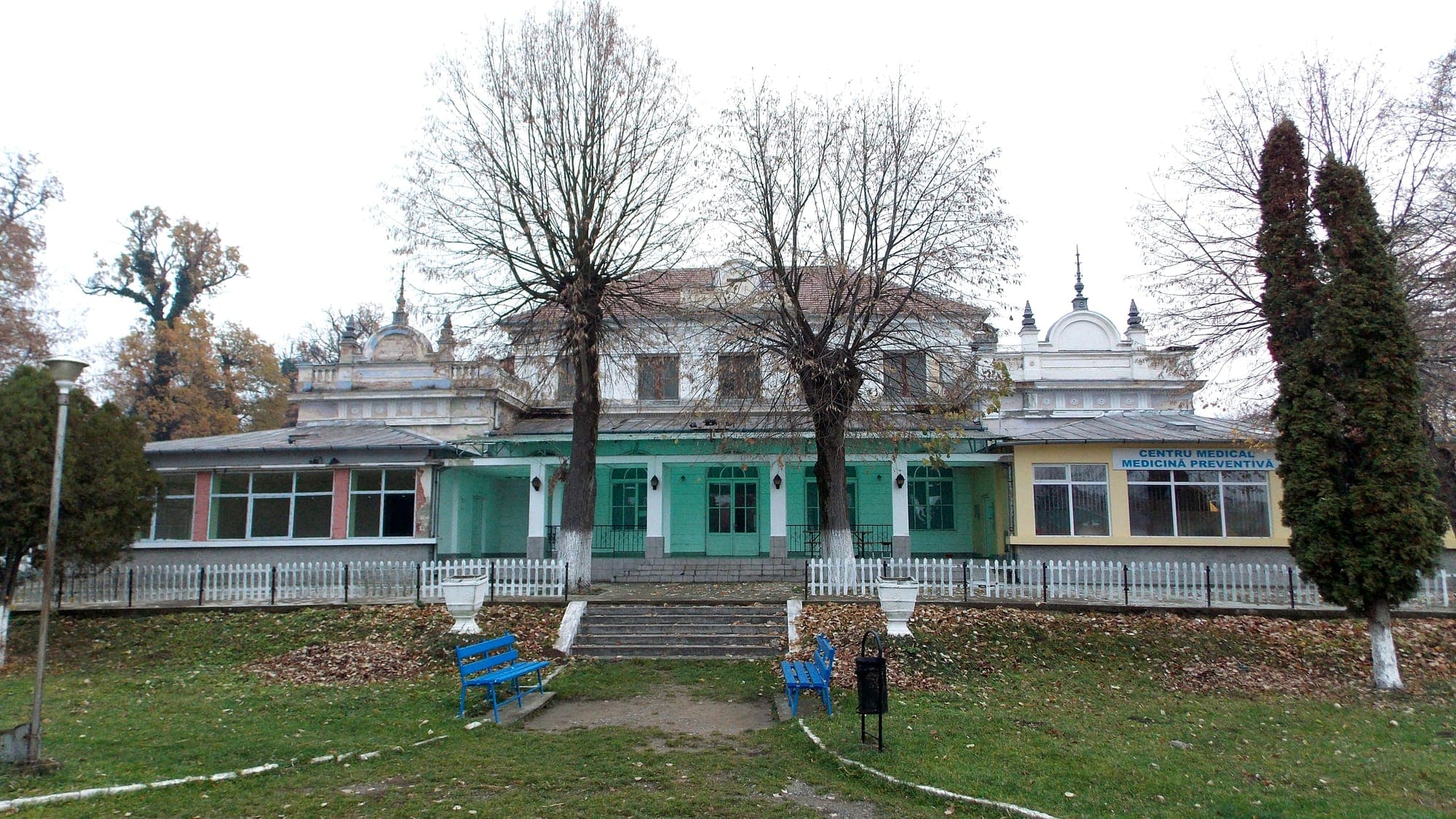
A small spa resort 8 km from Oradea, with thermal springs known since 1221, a wave pool from 1896, the Venus Waterland baths and a park with old buildings.
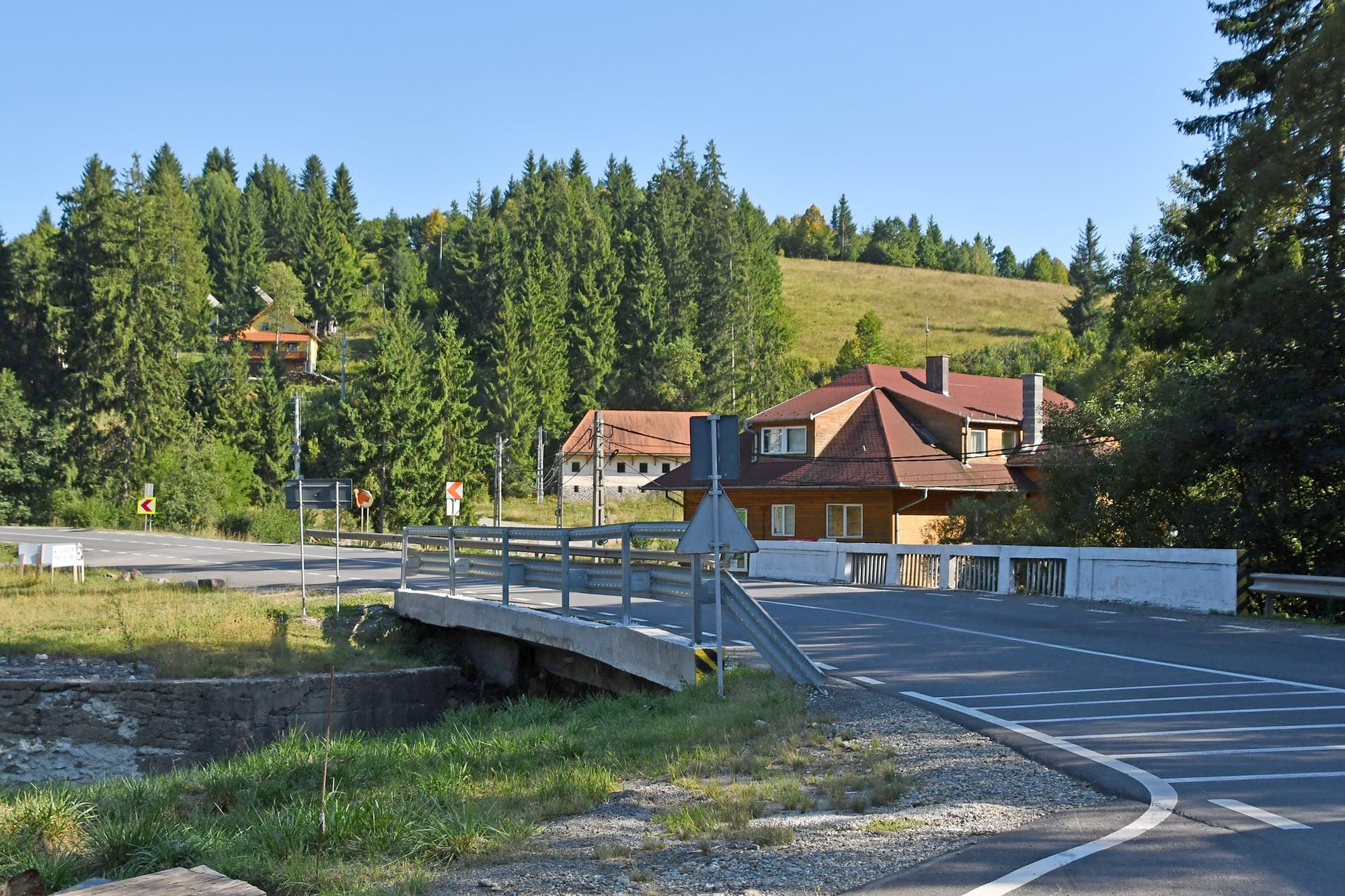
A small resort in the Homorodul Mare valley, among spruce forests: carbonated mineral springs, a chapel from 1765, the Lobogó ski run in winter and an alpine coaster.

A spa resort in a wooded valley below the Vâlcea mountains, with more than 30 numbered mineral springs, a springs walk along the river and Horea's wooden church, brought here from the Apuseni Mountains.
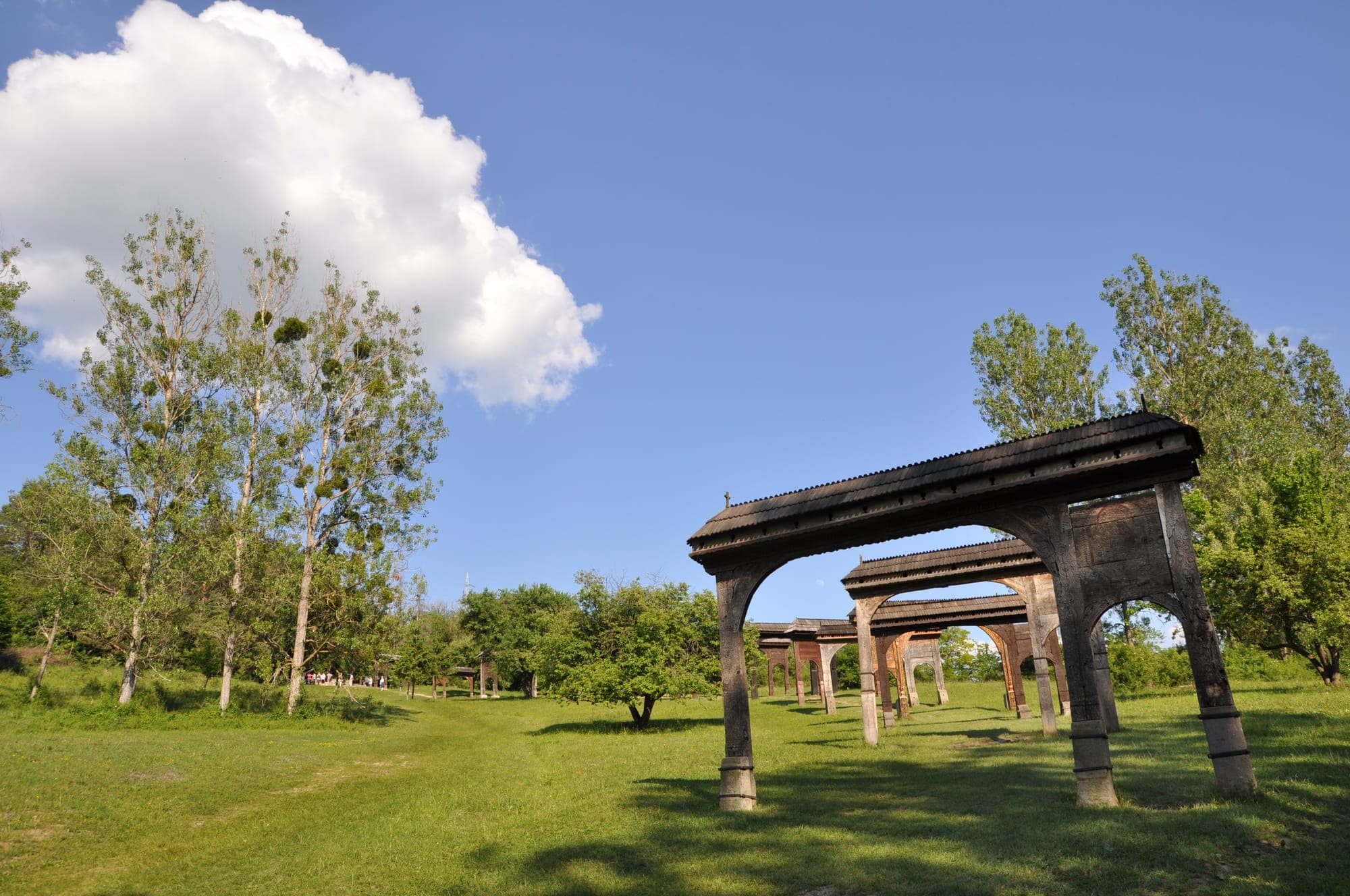
A leisure area in the valley of the Sos stream, a few kilometres from Odorheiu Secuiesc: mineral springs, the grave of Orbán Balázs with a row of Székely gates, and a mineral water museum.
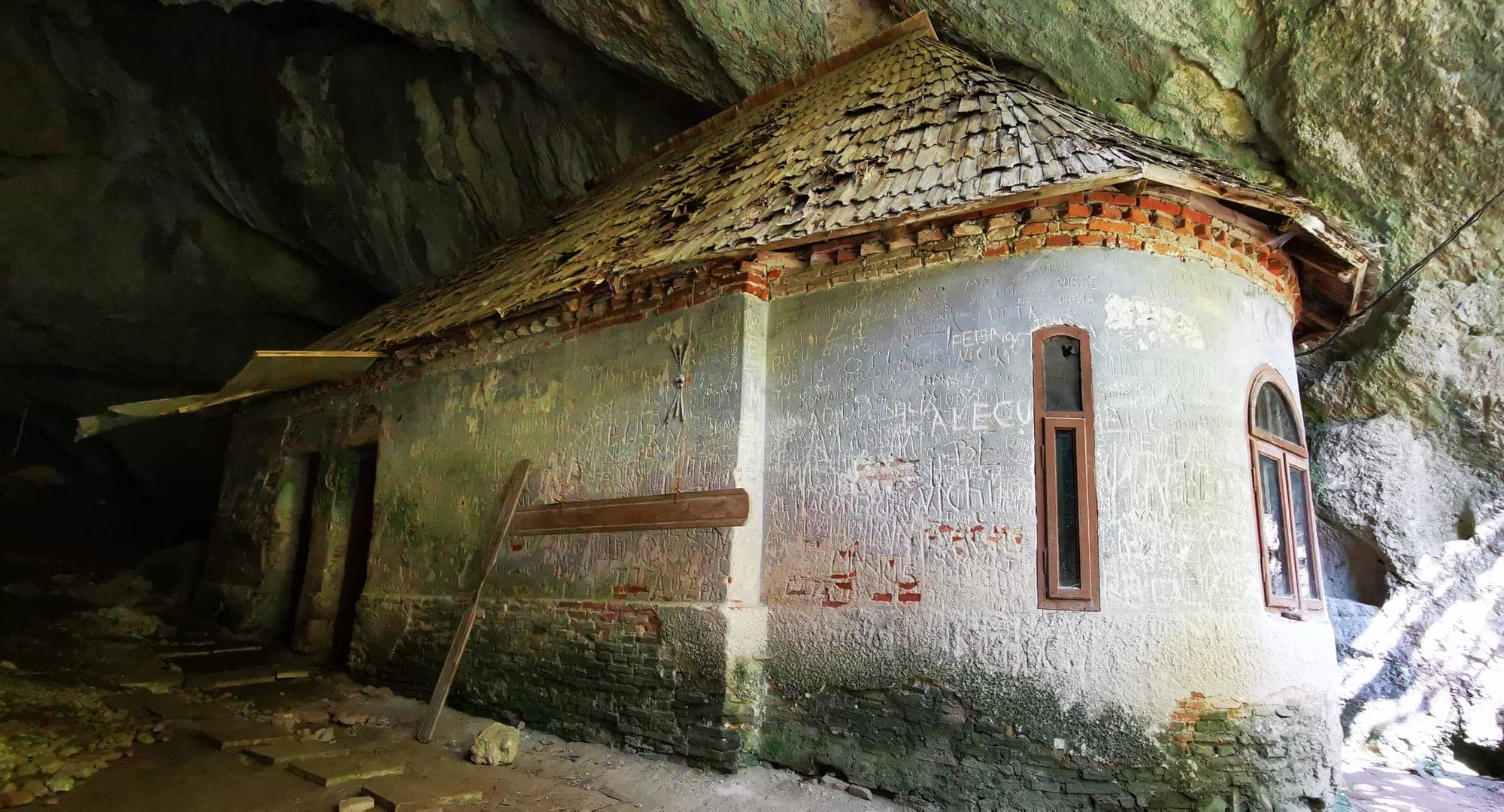
The cave of St Gregory Decapolites, in the Bistrița Gorges near Bistrița Monastery, with two churches built inside: Ovidenia (15th c.) and the Holy Archangels (1633); it shelters bats.
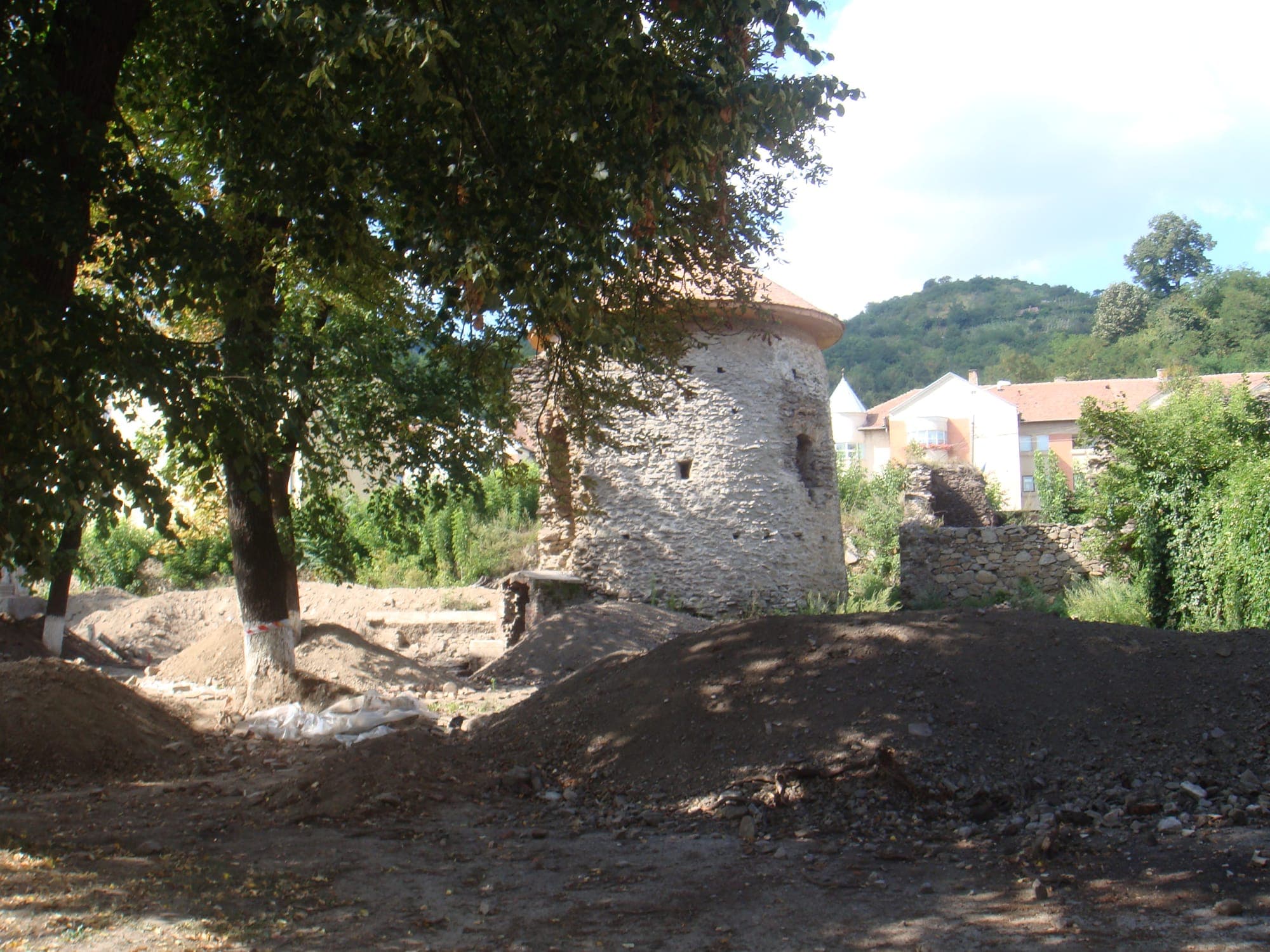
The ruins of the Báthory family’s fortified residence in central Șimleu Silvaniei, with round bastions and a Renaissance portal. Restoration is under way.

The residence of Count Pál Bethlen, rebuilt around 1900 on the site of the family's old fortress, with two hexagonal towers; a former town hall, now unused and not set up for visitors.
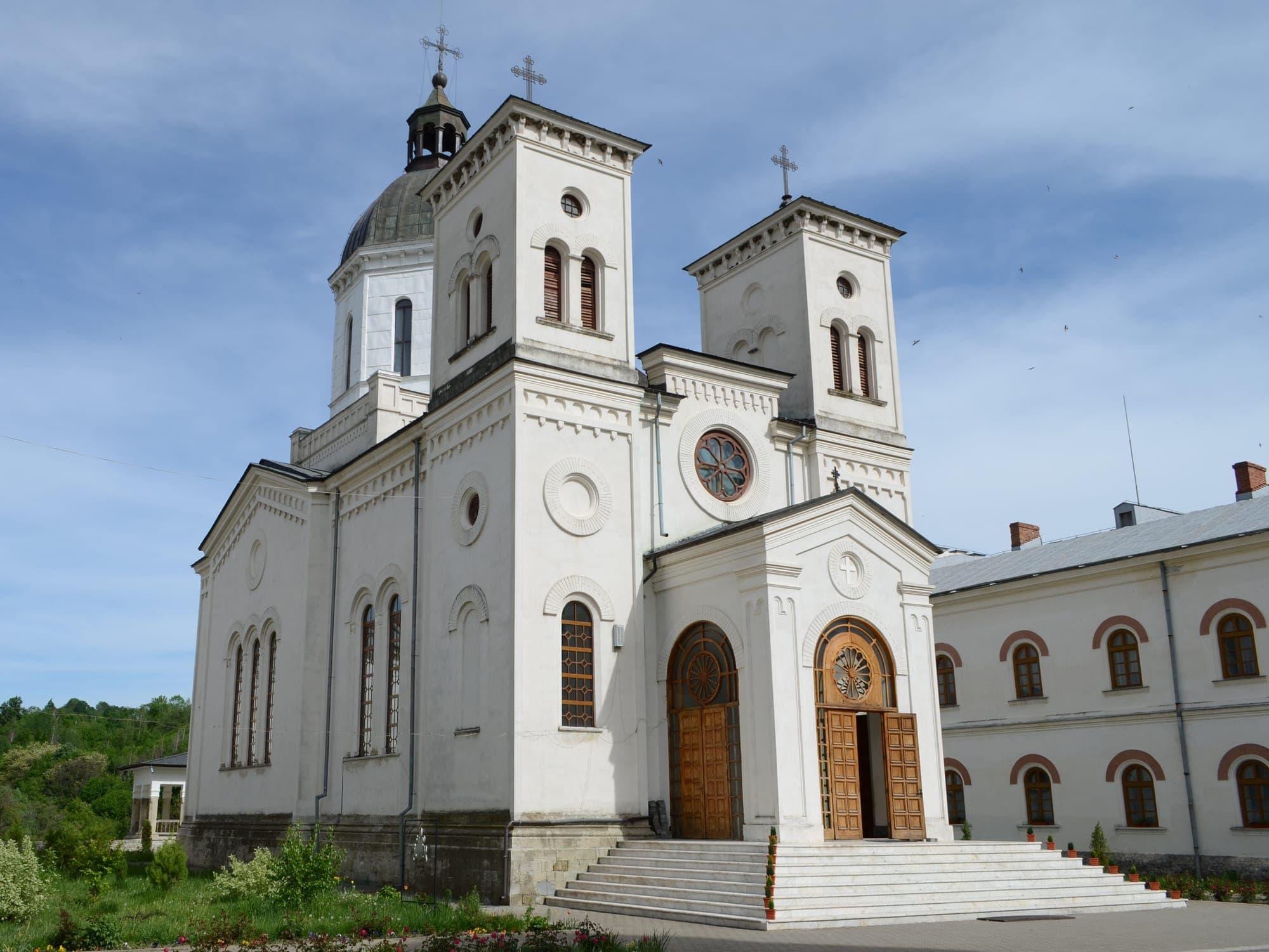
A late 15th-century foundation of the Craiovești boyars at the entrance to the Bistrița Gorges: it keeps the relics of St Gregory the Decapolite and the little infirmary church of 1520–1521.

A Secession building from 1907–1908 on Piața Unirii in Oradea, with a glass-roofed passage and a stained-glass window of a black eagle, from which it takes its name.

A Saxon Evangelical church in the Burzenland, built in 1804–1806 on the site of a Romanesque basilica, with a bell tower from the old fortification, an altar with a painting by Carl Dörschlag and an organ from 1816.

In the centre of Rădăuți, the Church of St Nicholas, founded by Bogdan I around 1360, is the oldest surviving stone church in Moldavia and the resting place of the first Moldavian princes.

A convent in Olt, in the village that Matei Basarab and Constantin Brâncoveanu came from: defensive wall and bell tower of 1634–1640, a Brâncovenesc great church of 1699, and a museum with a lapidary.



