
Vânătările Ponorului Waterfall
Dumești, AB
A 70–80 m chain of waterfalls, with a 25 m main drop, plunging into a huge sinkhole in the Trascău Mountains and vanishing underground; seen from a wooden balcony a short walk from the road.
908 results
A 70–80 m chain of waterfalls, with a 25 m main drop, plunging into a huge sinkhole in the Trascău Mountains and vanishing underground; seen from a wooden balcony a short walk from the road.

Nearly 31,000 hectares of forest in northern Neamț, where European bison roam free again, with woodland trails between monasteries, sessile oak and oak reserves and an interactive visitor centre.

Vaslui County's museum, in a neoclassical palace that was once a prefecture: archaeology, history, art, local figures, plus an astronomical observatory and planetarium.
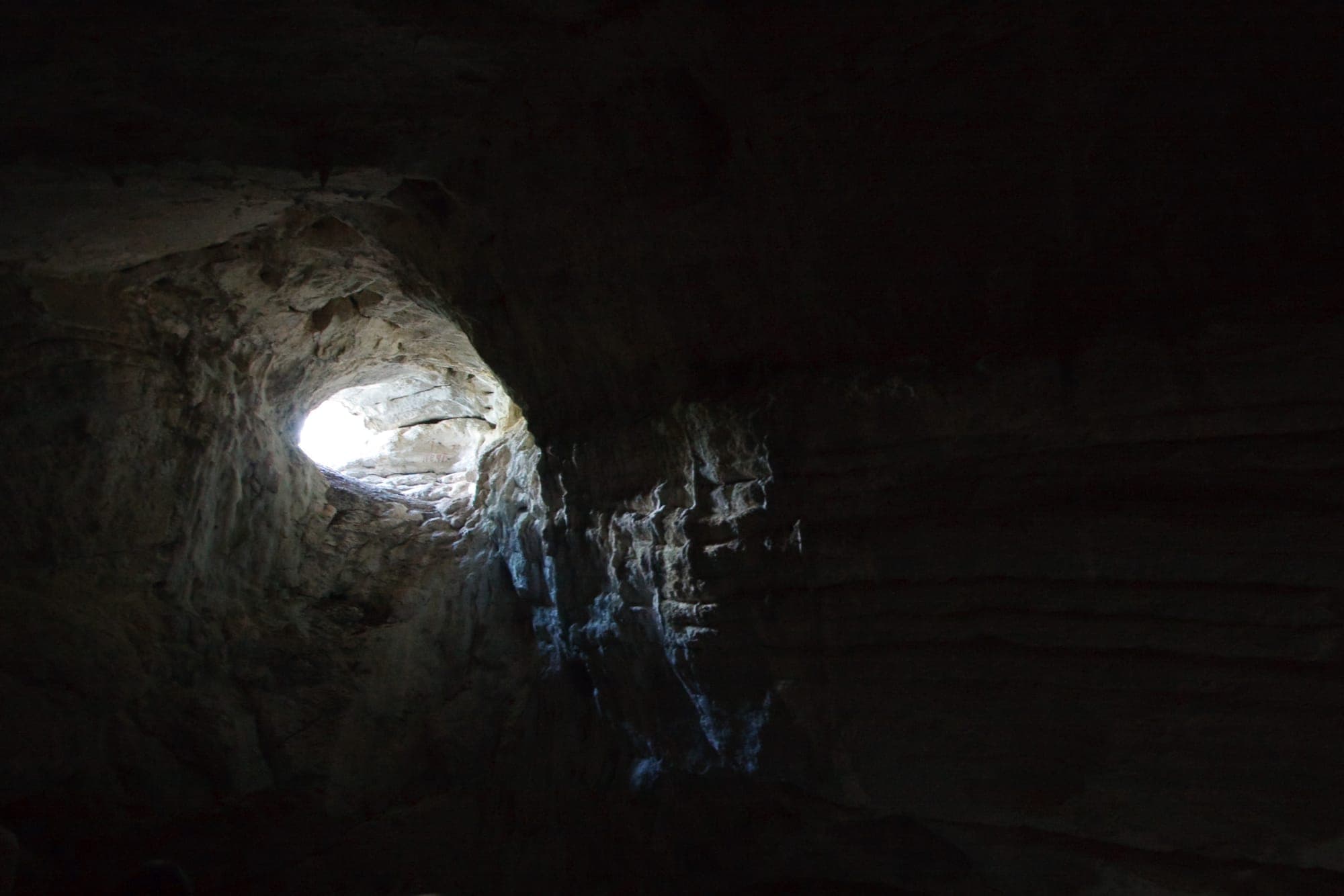
A broad grotto just above the Danube in the Great Cauldrons, with fortification walls from the Romans to the Austrians; reached only by boat, from Dubova or Eșelnița.
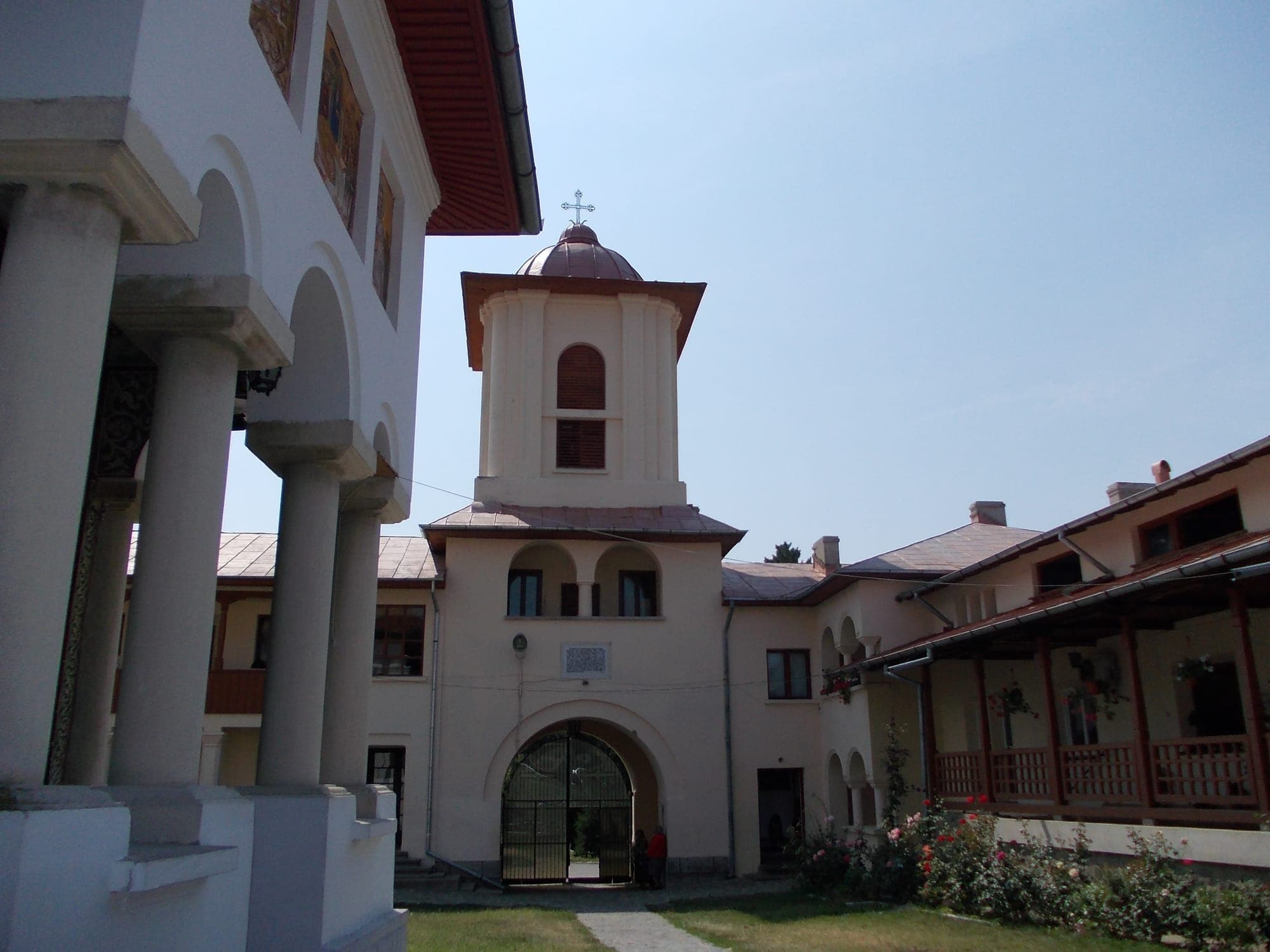
A convent first recorded in 1530, founded by Vlad the Drowned, a few kilometres from Târgoviște: a church with a porch painted with scenes from the Apocalypse, Brâncoveanu votive portraits and cells with wooden verandas.
A small mountain resort above the town of Vulcan, in the Jiu Valley: a gondola from the town, short easy slopes with drag lifts, sledging on the road closed in winter and, in summer, the climb to the 1,621 m pass.

An early 17th-century wooden church in the village cemetery, with the best-known depiction of Hell in Maramureș: devils, torments and village sins, painted in 1793–1794.

A wooden church of 1798 with a low bell tower over the narthex and paintings from the 18th and 19th centuries, raised with material from the former Cioara monastery, a place tied to Sofronie of Cioara.
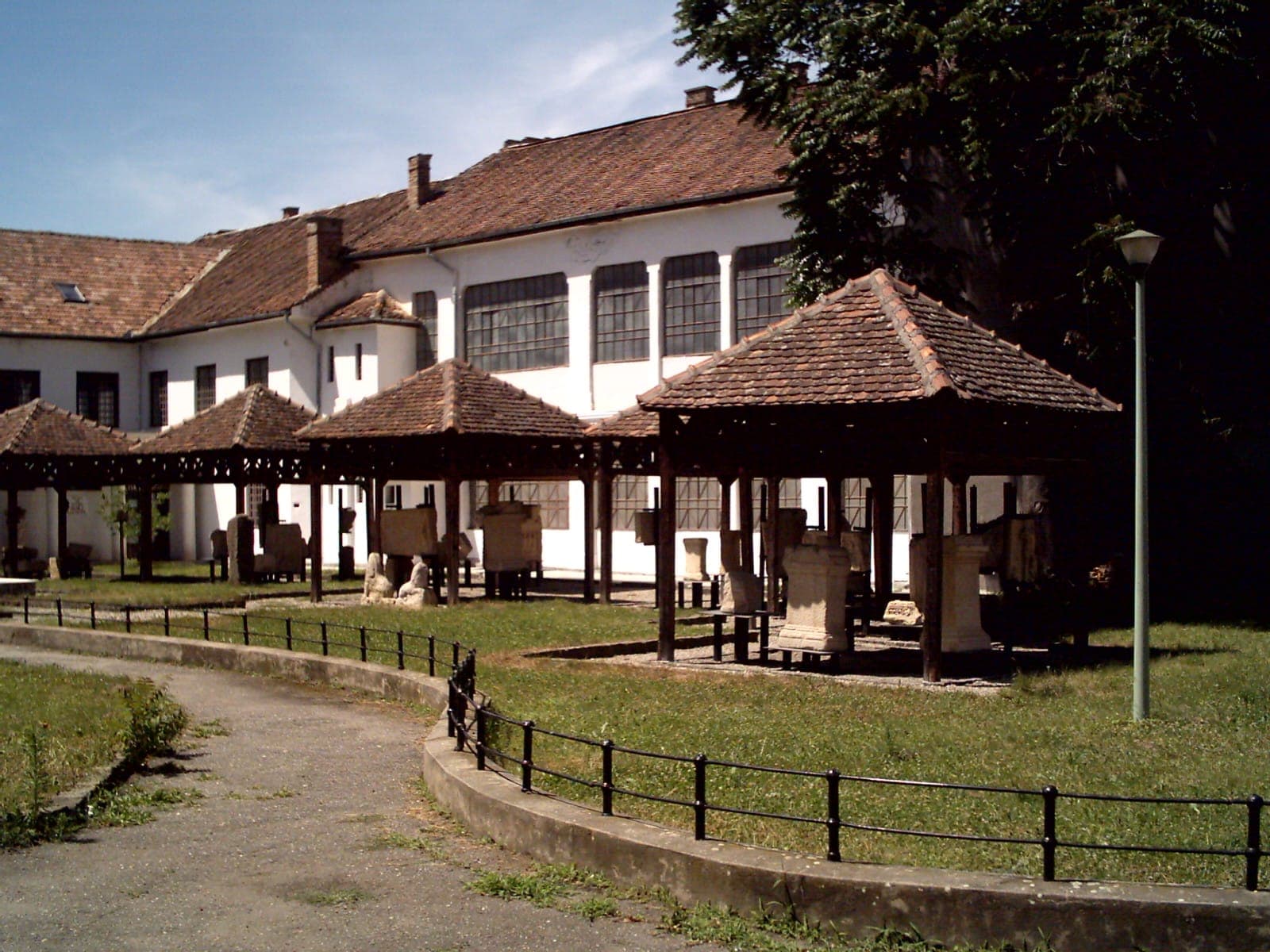
The museum of Sălaj County, in central Zalău: human settlement from the Palaeolithic to the 20th century, with life-size reconstructions and finds from the Roman town of Porolissum, plus a Roman lapidarium in the courtyard.
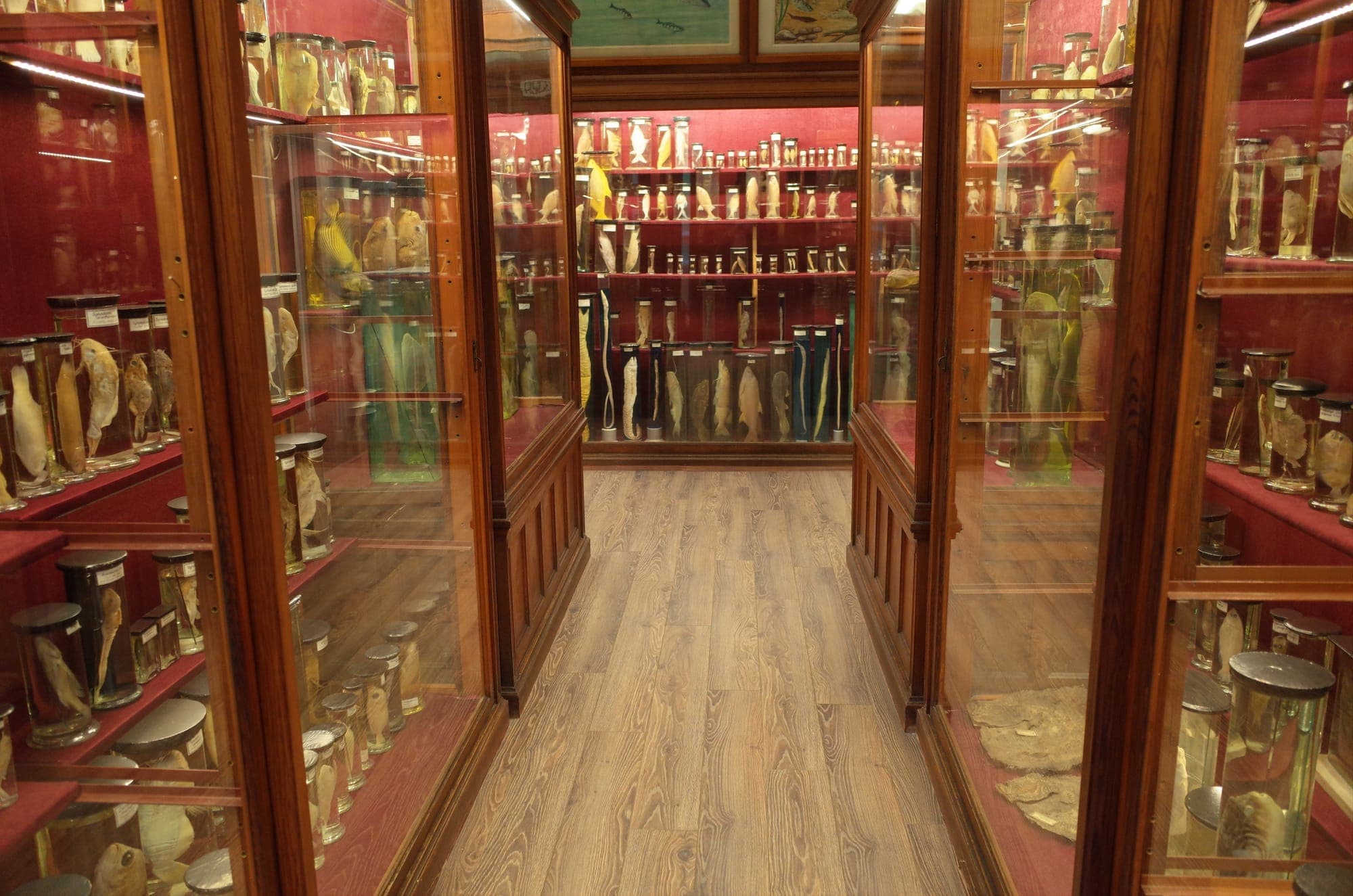
A university museum founded in 1859, in a building on Strada Clinicilor: bird dioramas, 19th-century butterfly and spider collections and an exhibition running from sponges to mammals.

The railway bridge over the Borcea branch, part of the complex Anghel Saligny built in 1890–1895 between Fetești and Cernavodă; best seen from a distance, next to the new A2 bridge.

The fortress of the 13th Legion Gemina beneath the citadel of Alba Iulia: the partly rebuilt south gate, the legion's headquarters preserved in the Principia Museum and a stretch of Roman road.
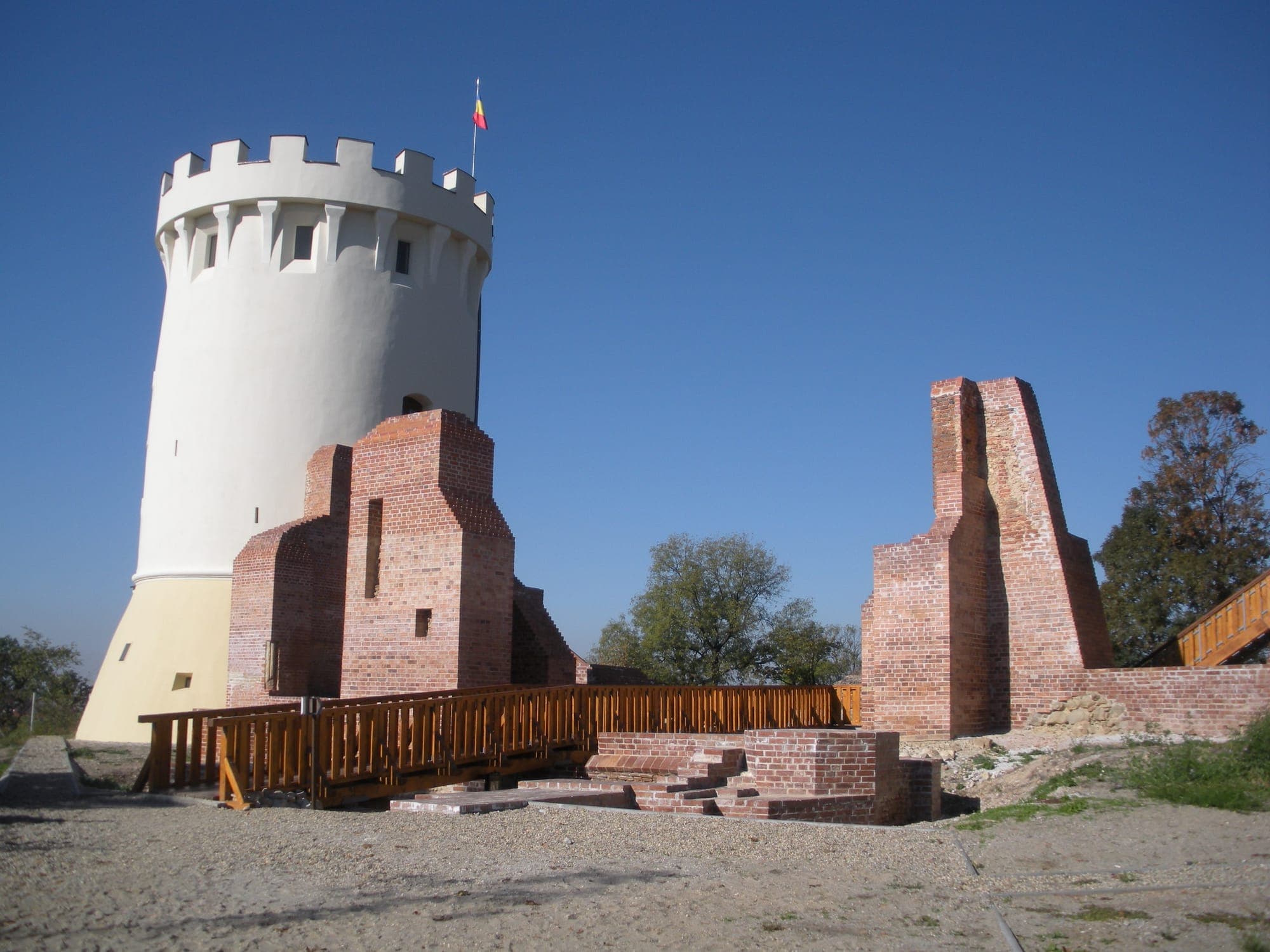
The medieval Drágfi fortress and former Károlyi residence on a hill at the edge of Ardud, with a white battlemented tower and brick ruins around the courtyard.
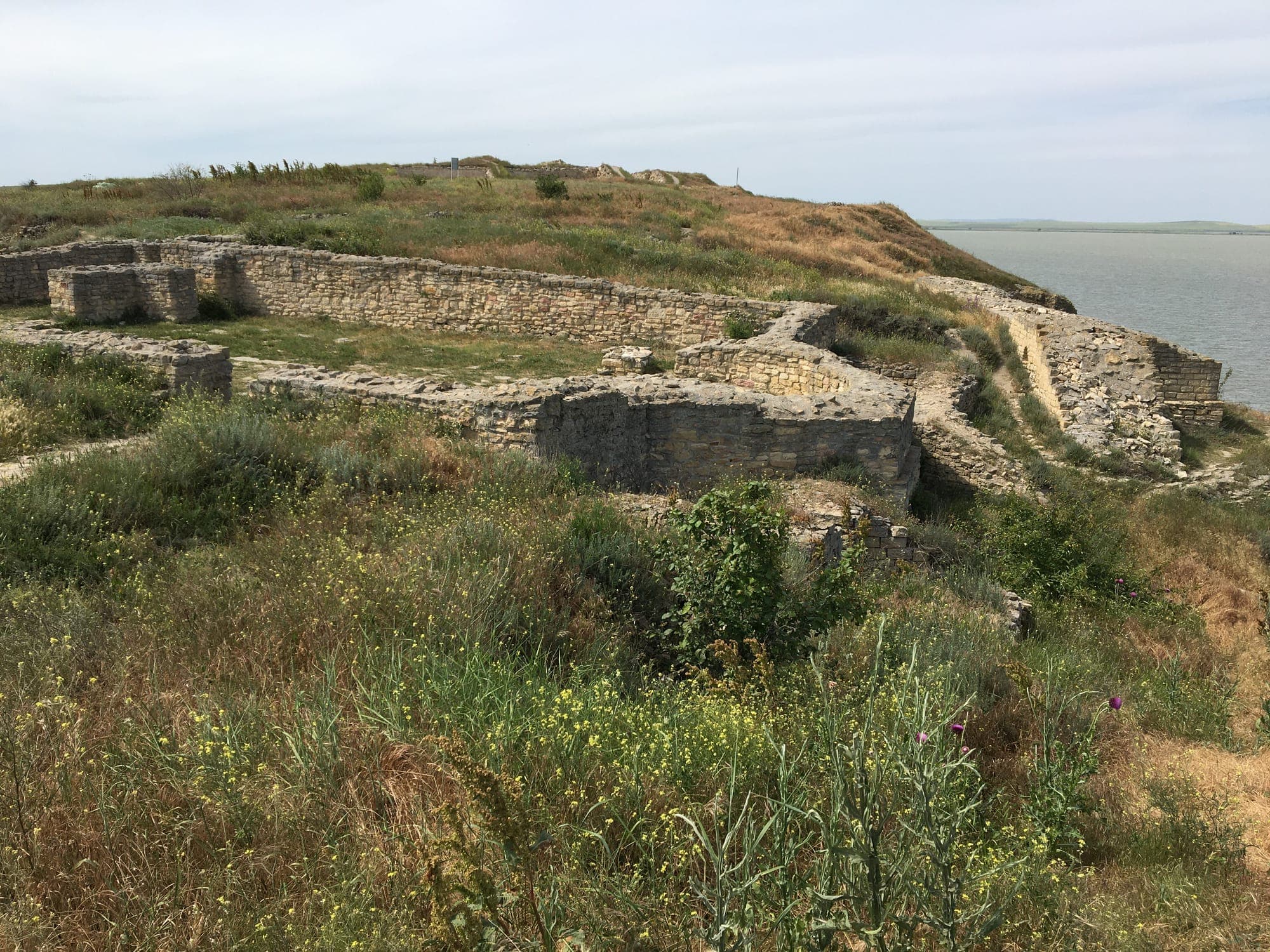
The ruins of the Greek city of Orgame and the late Roman fortress of Argamum on Cape Doloșman, above Lake Razim: walls, a gate and four early Christian basilicas in a wild landscape.
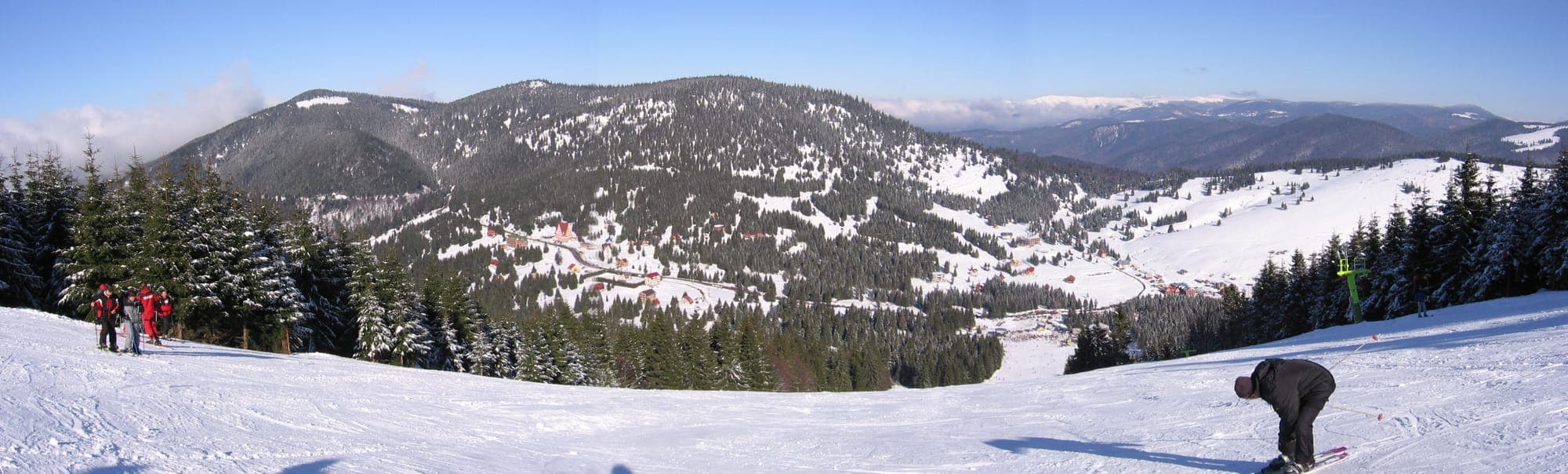
A tourist resort in the Apuseni Mountains, at the source of the Arieș: the Vârtop I and Vârtop II slopes, with drag lifts and floodlit skiing, below the Vârtop Pass, plus trails to Piatra Grăitoare and Bihor Peak.



