

Cucuteni Museum of Eneolithic Art
Piatra Neamț, NT
A museum devoted entirely to the art of the Cucuteni culture, with painted pots and clay figurines 5,500–7,000 years old, in a Neo-Romanian building in the historic centre of Piatra Neamț.
908 results
A museum devoted entirely to the art of the Cucuteni culture, with painted pots and clay figurines 5,500–7,000 years old, in a Neo-Romanian building in the historic centre of Piatra Neamț.

A wooden church from around 1728, with an ornamented porch and a bell tower added in the 19th century, in a hill village of Bălănești commune.

The former Pannonia Hotel, built in 1901–1902 in Liberty Square to plans by Zoltán Bálint and Lajos Jámbor, is one of the finest Secession buildings in Satu Mare. It can only be seen from outside: it is under restoration.

Galați's 3–4 km promenade, on two levels above the Danube, with metal sculptures from the 1976–1991 camps and restaurants on boats; under redevelopment since 2026.
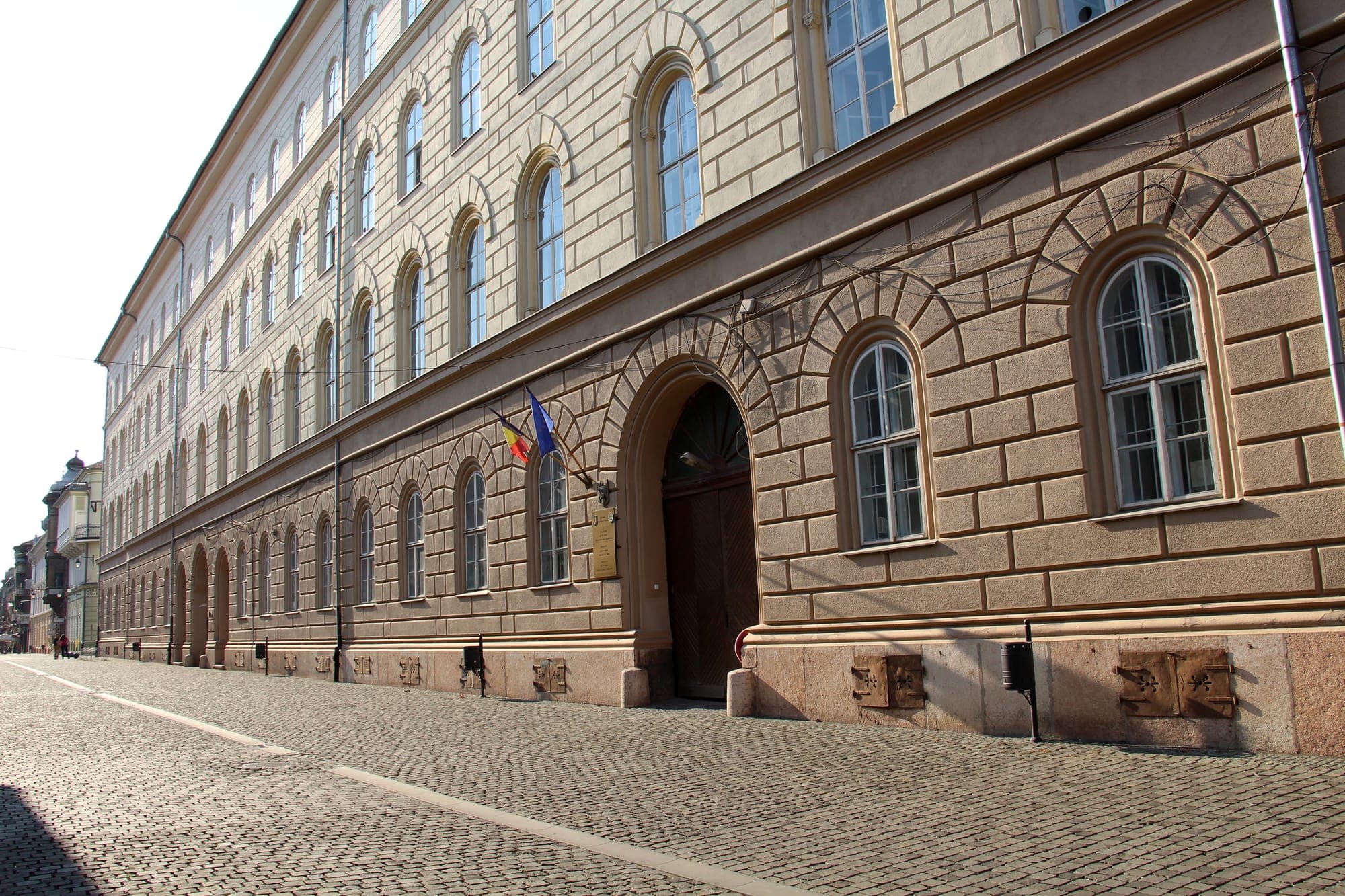
A monumental Neo-Renaissance building in the Cetate district, raised in 1855–1860 for the administration of the Banat; today it houses Timișoara's courts and can be seen from the outside only.

The ruins of a Roman and Byzantine fortress near Garvăn, on a hillock in the Danube floodplain, its curtain wall and towers still standing, facing Galați across the river.

An 18th-century wooden church on the Banat plain, with a small shingled tower and wall paintings worn away by time, sheltered by a protective scaffold until its restoration.

A geological reserve in Sălaj with 10–15 m sandstone towers and spurs, shaped by erosion and named by locals "the Dragon and the Dragoness", "Fata Cătanei" or "the Monks".

A massive elliptical tower from the 15th century in the north-east corner of Brașov's walled town, below Mount Tâmpa. The interior is closed until its EU-funded restoration, but the wall can be seen from the promenade.

The largest park in the Drumul Taberei neighbourhood, redeveloped in 2013–2015, with a boating lake, a cable-stayed footbridge with a red pylon and greenhouses of exotic plants.
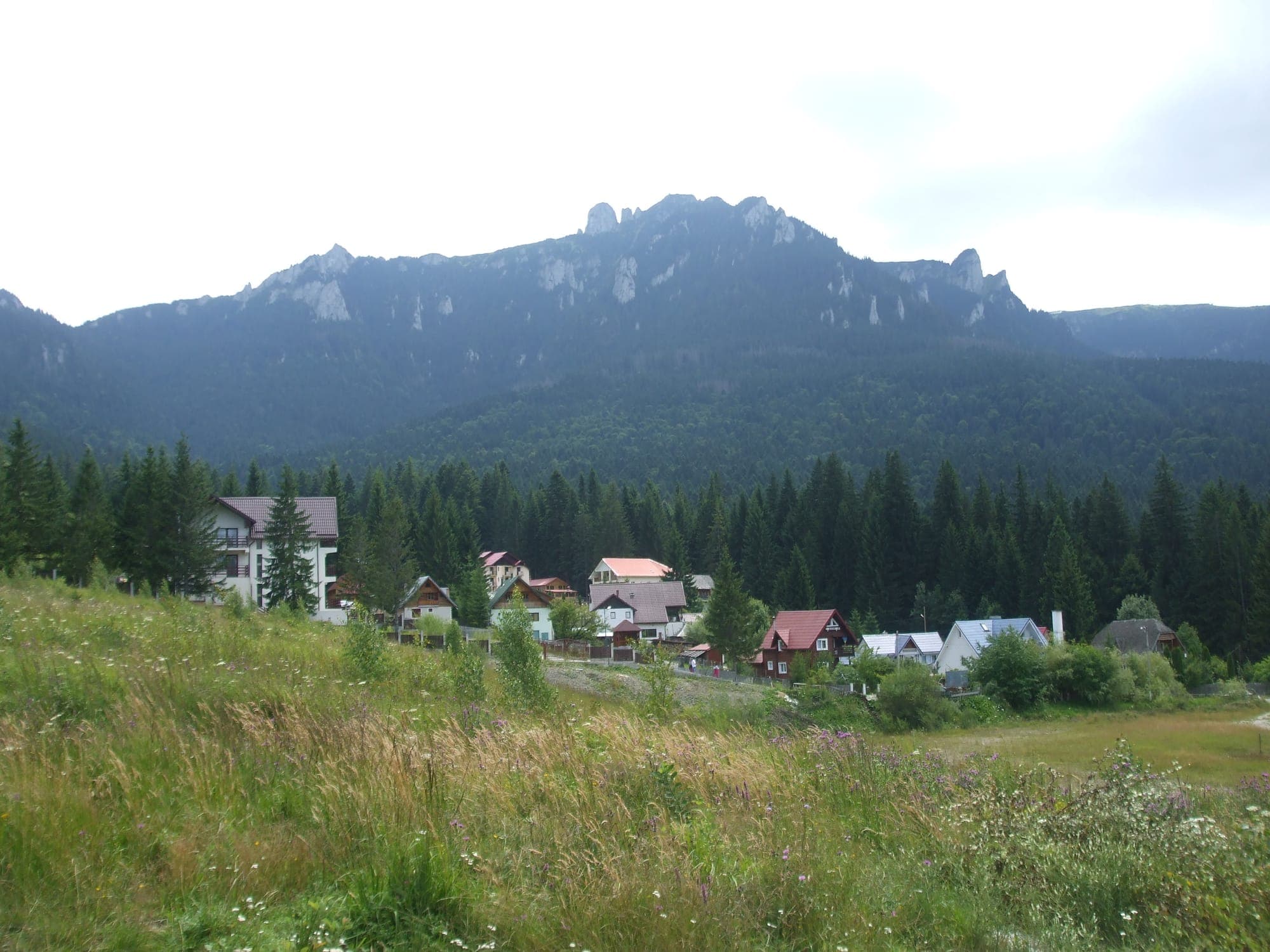
A mountain resort at ~800 m on the north-western slope of Ceahlău: the starting point for Dochia Chalet, a monastery painted by Tonitza and a ski and sledding run at the foot of the mountain.
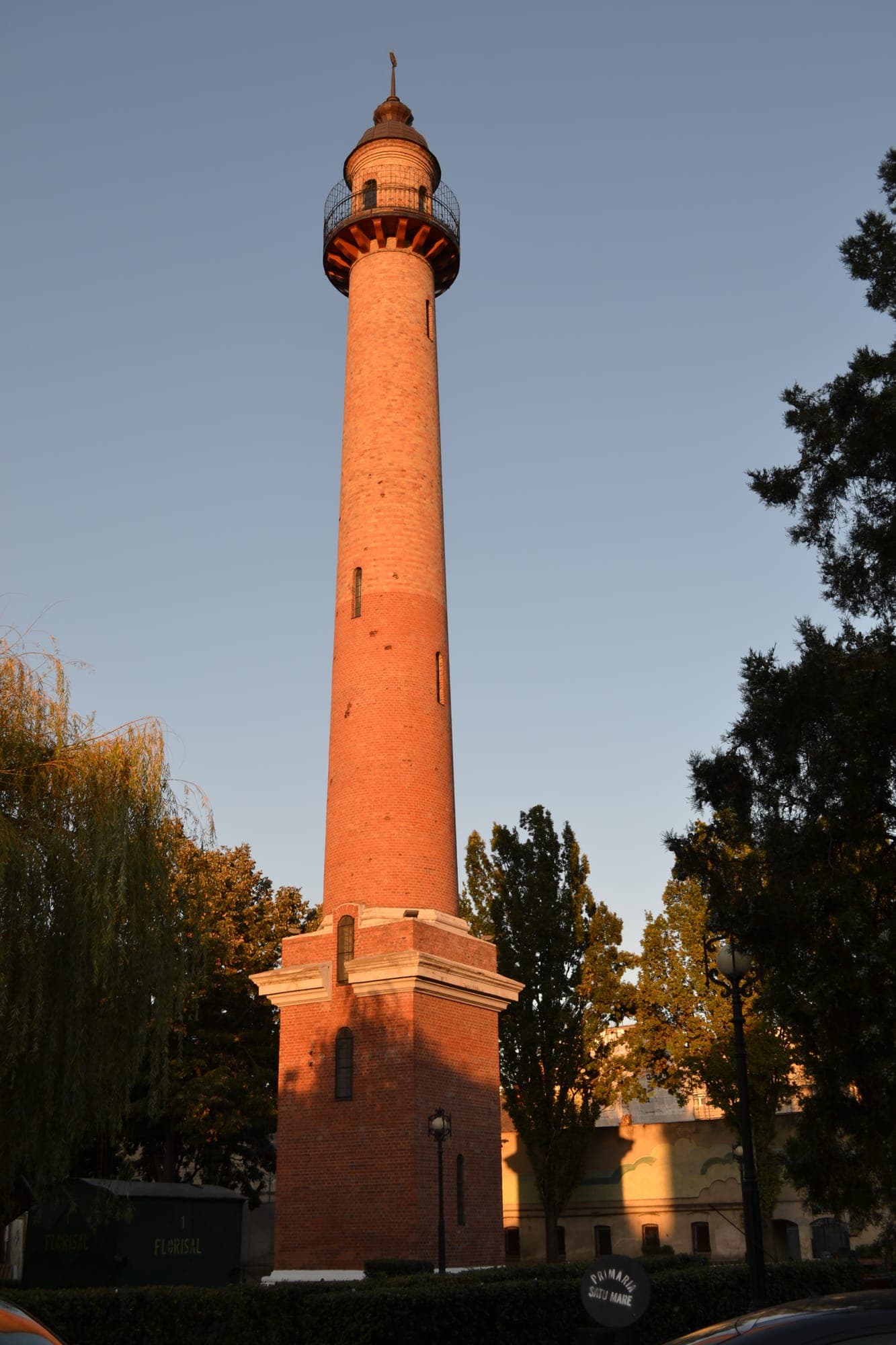
A red-brick fire tower, 47 m tall, built in 1904 on the initiative of Bishop Gyula Meszlényi; the balcony at the top looks out over the whole centre of Satu Mare.
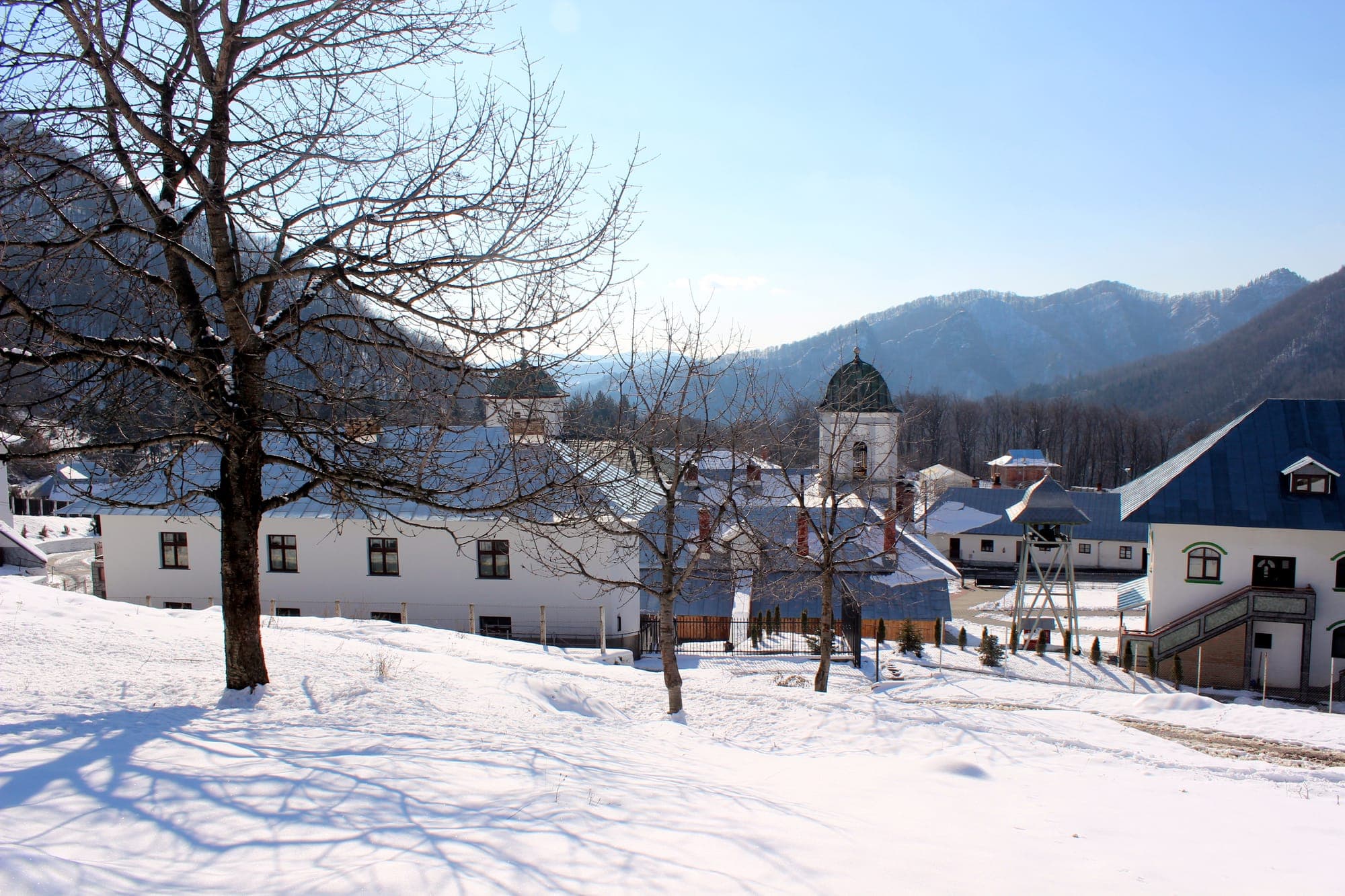
A monastery for monks founded by St Calinic of Cernica in 1860–1863 and run according to the rule of Mount Athos: no meat, services until dawn and no entry for women.

An inn in the Old Town on Strada Lipscani, built in the early 19th century and restored in 2009–2014: today the seat of ARCUB, with a cobbled passage between Lipscani and Strada Gabroveni.
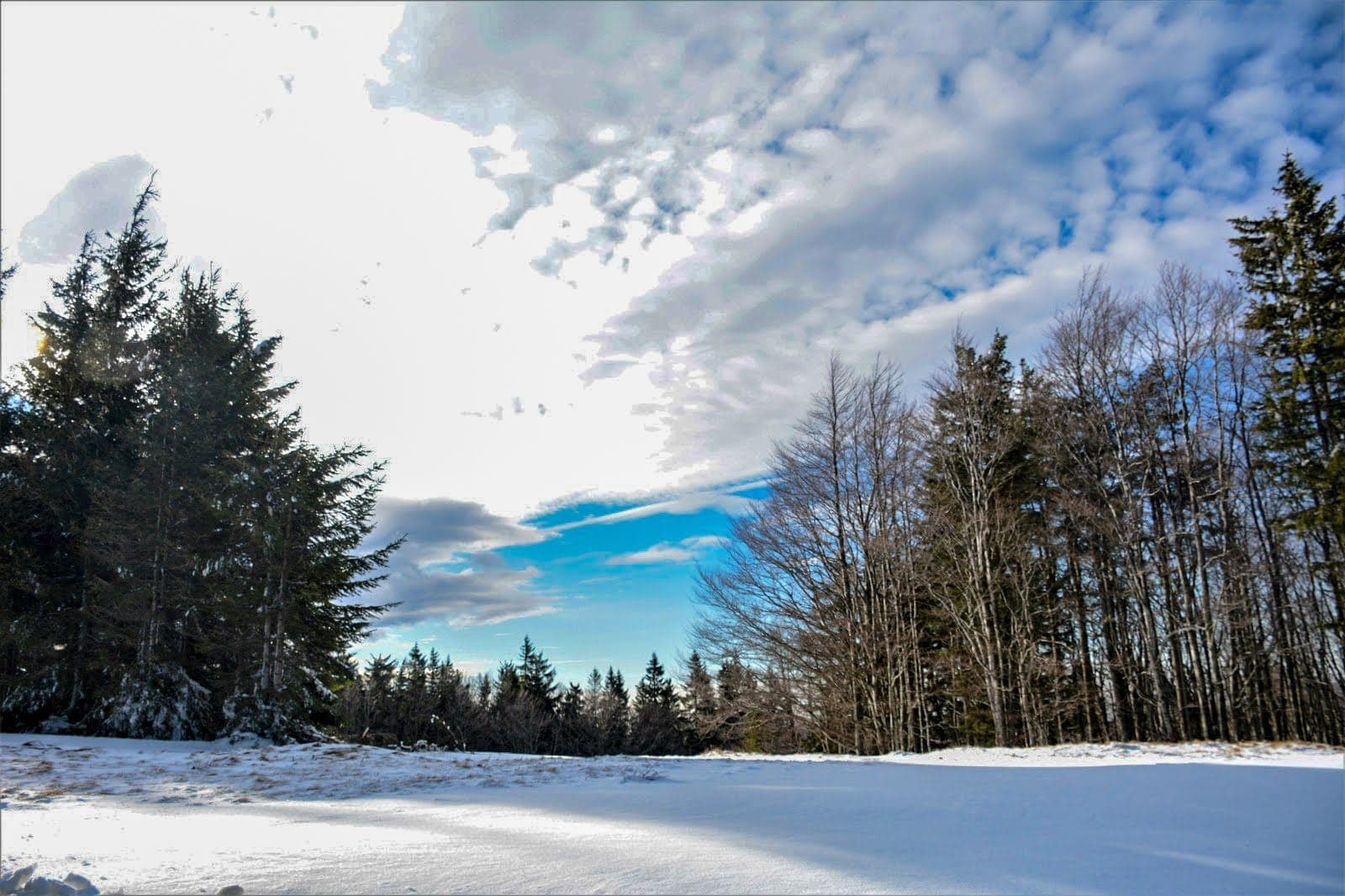
A mountain village of Bohemian German settlers in the Semenic Mountains, above 900 m: short slopes with a drag lift and snowmaking, a 700 m zip line and tubing, and in summer the Gărâna Jazz Festival in the Poiana Lupului meadow.



