
Geoagiu-Băi
Geoagiu-Băi, HD
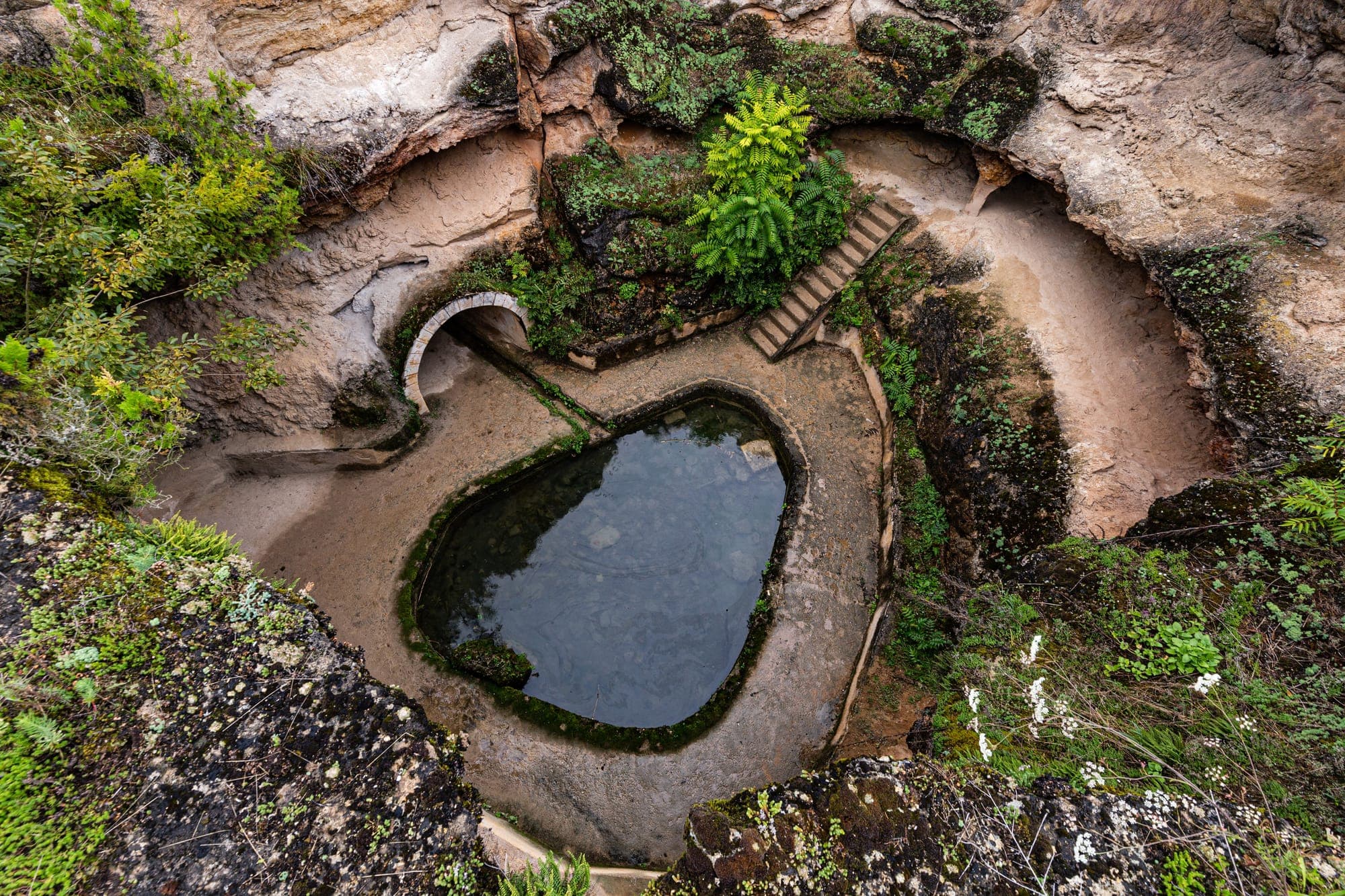
A spa resort at the foot of the Metaliferi Mountains: thermal water at 29–33 °C, the Băile Daco Romane lido with four pools, and the Roman baths of Germisara and Clocota waterfall close by.
908 results
A spa resort at the foot of the Metaliferi Mountains: thermal water at 29–33 °C, the Băile Daco Romane lido with four pools, and the Roman baths of Germisara and Clocota waterfall close by.
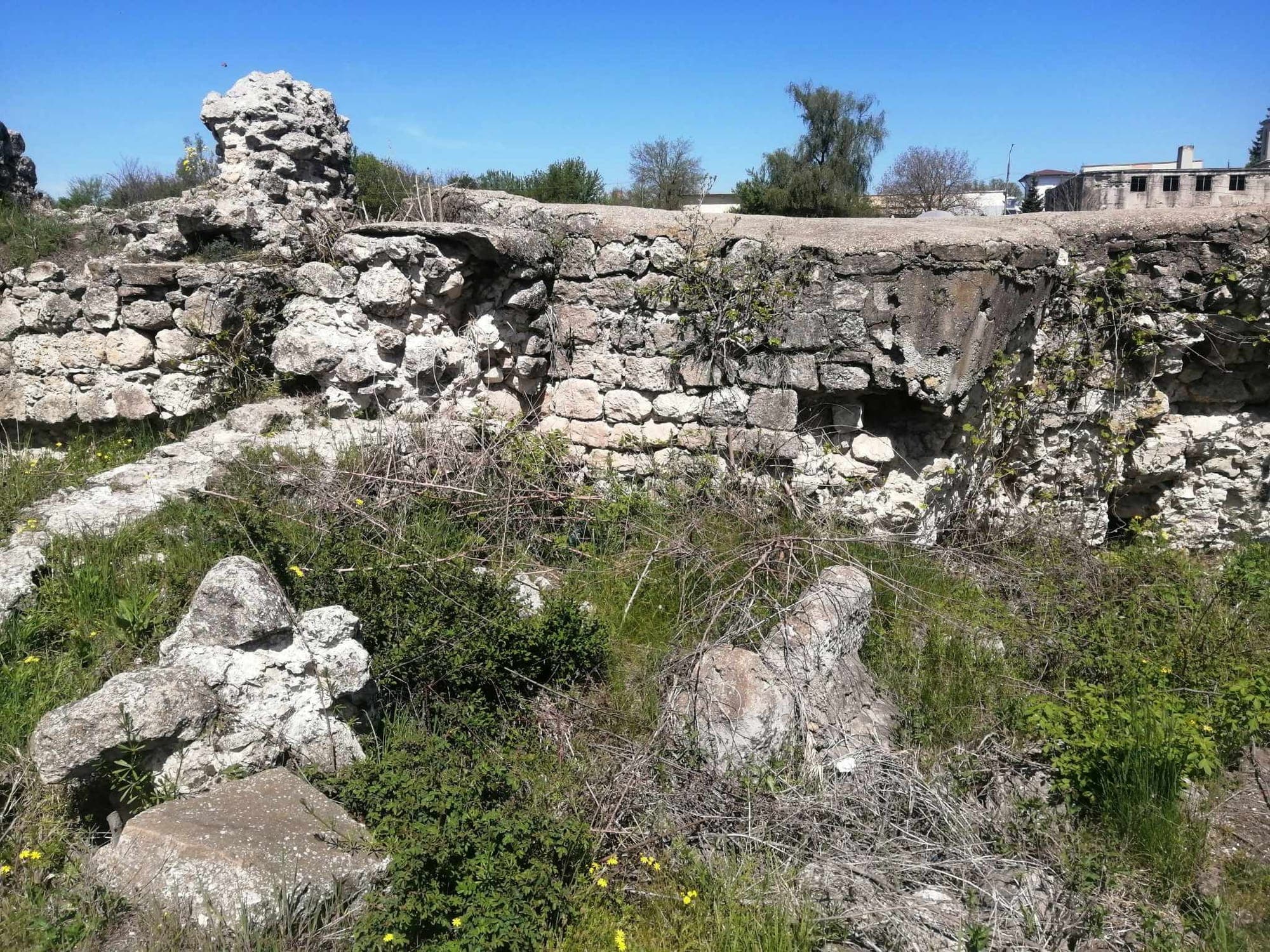
The ruins of a medieval fortress on a former island in the Danube, with thick stone walls and paths around the old enclosure.

A fortified monastery in the centre of Iași, with Vasile Lupu's church, unique in Moldavia for its classical facades and seven towers, and a tower almost 30 m high with views over the city.

A neighbourhood public garden from 1873, covering 2.4 hectares, with gentle paths, an artificial stream, two fountains and playgrounds, a short walk from Piața Romană.

The church raised between 1863 and 1872 by Brăila’s Greek community to plans by the architect Avraam Ioanidis: a Byzantine-style building with a clock tower, paintings by Tattarescu and Liochis, and the famous Healing Spring.
A cave reserve in the limestone plateau of Dobruja, also called the Bat Cave, with three entrances, more than 480 m of passages and colonies of protected bats; people sheltered here as early as the Palaeolithic.

A strip of sand between the Black Sea and Lake Golovița, in the Danube Delta, reached only by boat from Jurilovca: a wide beach with reed sunshades and a single resort.

A Classicist manor in Cristuru Secuiesc, begun in 1728, where Petőfi Sándor spent the night before the Battle of Albești; restored and reopened in May 2026, with the poet's pear tree in the yard.

A 13th-century Romanesque basilica enclosed by 12 m walls with seven towers, with the tallest bell tower in the Burzenland and a chapel of 15th-century Gothic frescoes.

A small wooden church of 1820–1822, plastered and painted in 1835, standing in the cemetery of a scattered village on the Mehedinți Plateau and currently under restoration.

A 13th-century Romanesque hall church with an eight-storey keep above the old choir, two rings of walls and fragments of medieval wall paintings, a few kilometres from Rupea.

The former Casa Scânteii, the Socialist Realist building in northern Bucharest with a central tower and antenna, 104 m tall: between 1956 and 2007 it was the tallest in the city. It can be seen from outside, from Free Press Square.

An active cave in the Trascău Mountains, with a portal almost 40 m high in the limestone wall and an underground river of lakes and waterfalls, visited only on guided tours in a wetsuit.

The Church of Saints Peter and Paul, founded by Stephen the Great in 1495 and rebuilt in the 18th century: the cathedral of the Diocese of Huși, with the voivode's inscription preserved and a historic walled precinct.

A Saxon Gothic church of the 14th–15th centuries, with a defensive tower under a hipped roof, a complete enclosure wall, a round bastion from 1515 and medieval frescoes in the choir.



