A masterpiece of Transylvanian Secession architecture, completed in 1913, with a gold-ground mosaic façade, the Hall of Mirrors and its 12 stained-glass windows, a concert hall with an organ and the Mureș County Museum's art galleries.
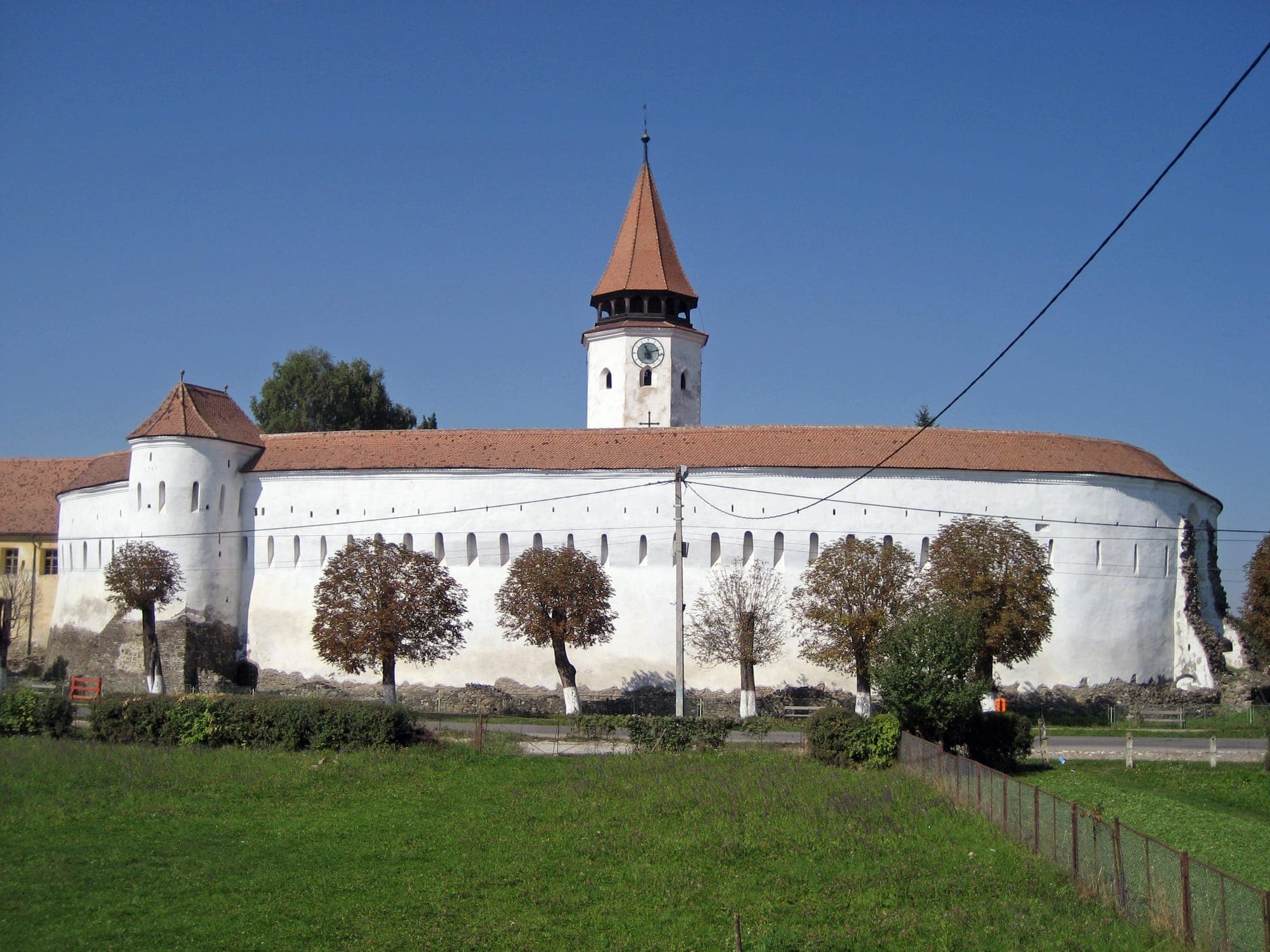
One of the largest Saxon fortified churches: a Gothic church on a cross-shaped plan, ringed by an oval wall with over 270 refuge rooms reached by timber galleries.
Monasteries and churchesFortresses and fortificationsUNESCO
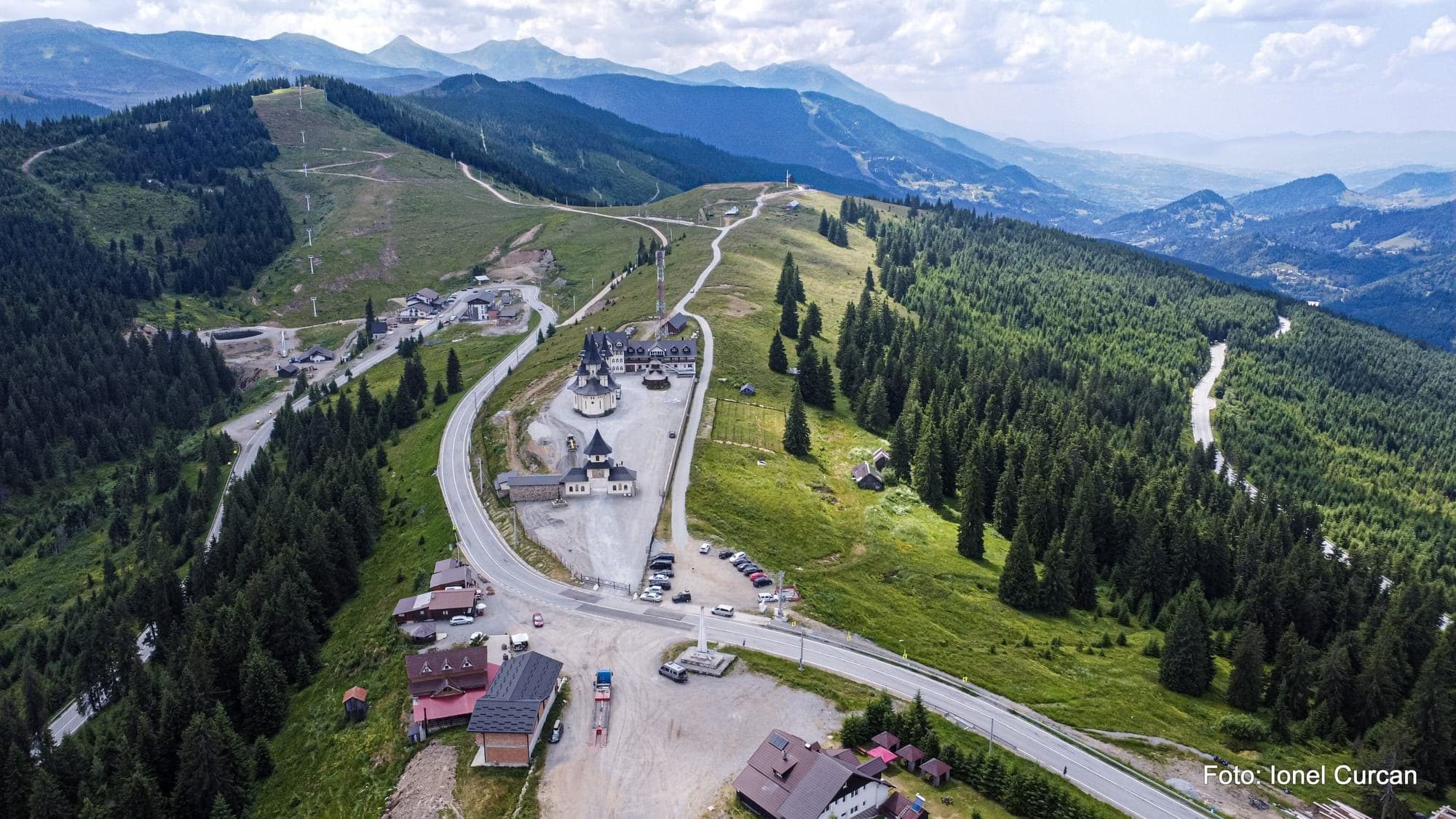
The highest pass in the Eastern Carpathians: the DN18 climbs from Borșa to 1,416 m between the Rodna and Maramureș Mountains and drops down the Golden Bistrița valley to Cârlibaba, from Maramureș into Bukovina.
A medieval peasant fortress on a rocky hill above Râșnov, looking out to the Bucegi and Piatra Craiului mountains; the upper enclosure is under restoration, but the Fortress Garden and Báthory Tower are open.
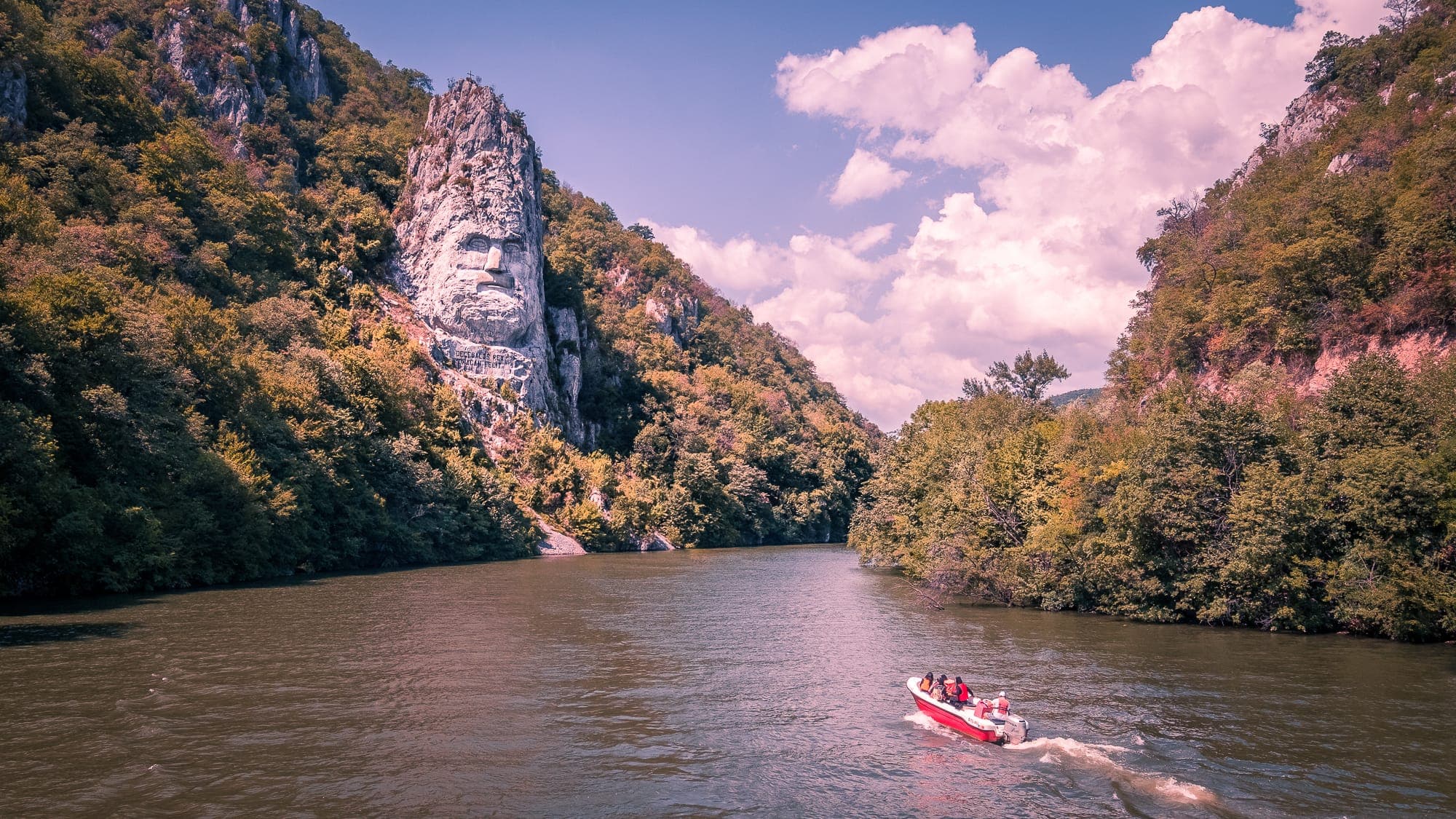
The face of the Dacian king Decebalus, carved between 1994 and 2004 into a 55 m rock at the mouth of the Mraconia, on the Romanian bank of the Danube: the tallest rock sculpture in Europe.
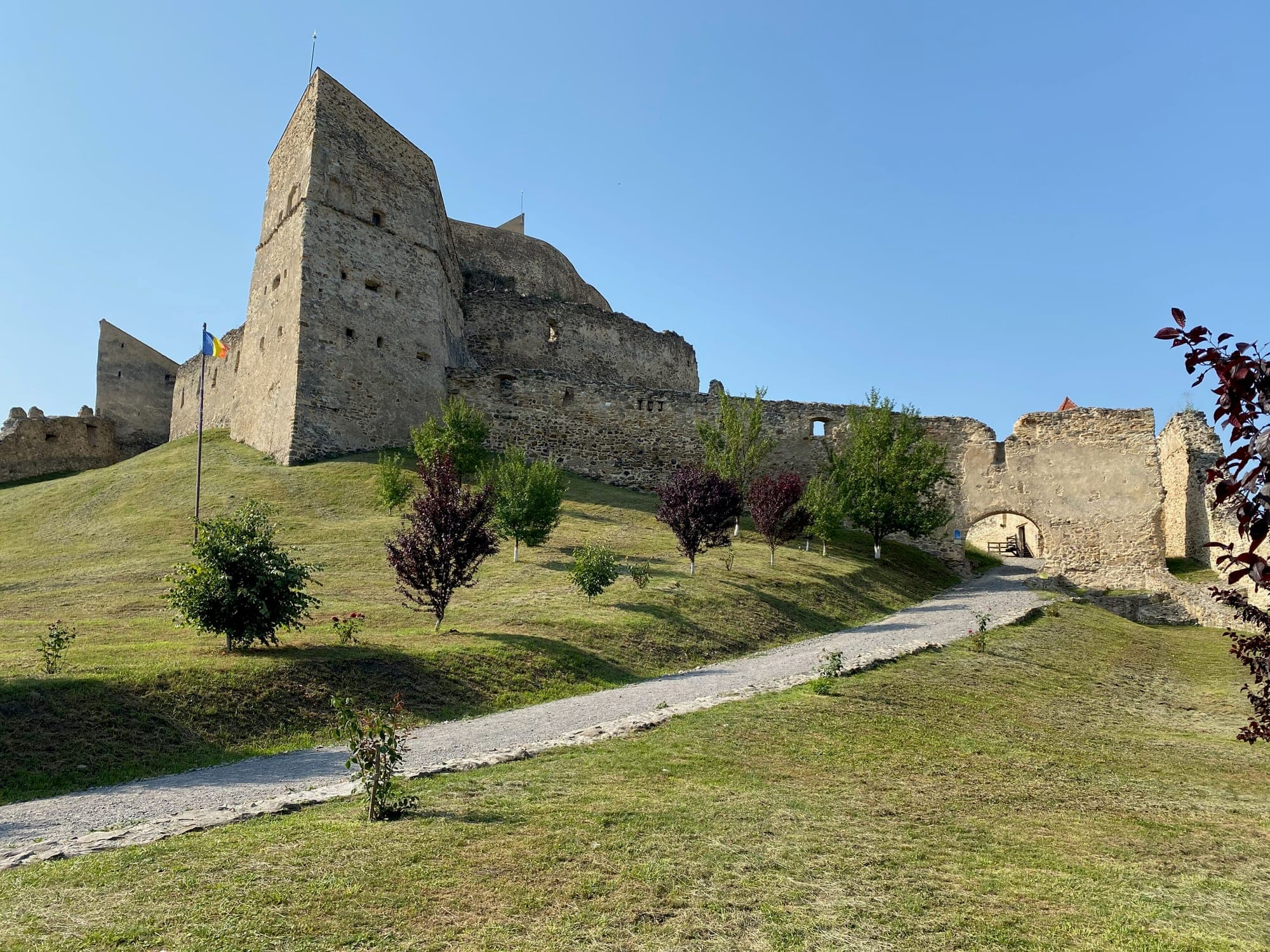
A Saxon peasant fortress climbing in tiers up a basalt hill above the town of Rupea, first recorded in 1324 and restored in 2010–2013, with wide views over the Transylvanian hills.
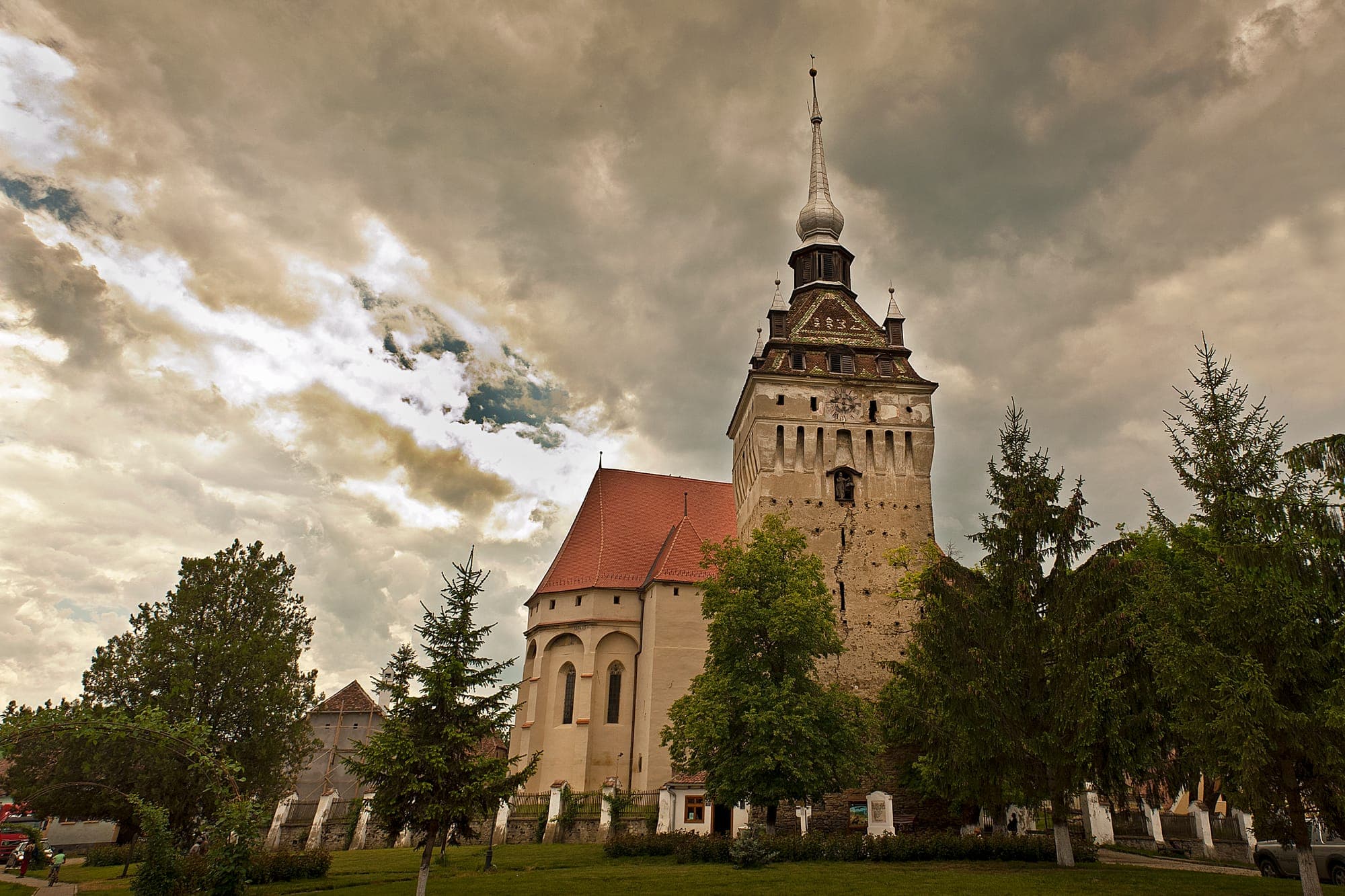
A Late Gothic Saxon church beside the DN13, with a bell tower modelled on Sighișoara's Clock Tower; on the hill above the village stand the walls of a 14th-century peasant fortress.
Monasteries and churchesFortresses and fortificationsUNESCO
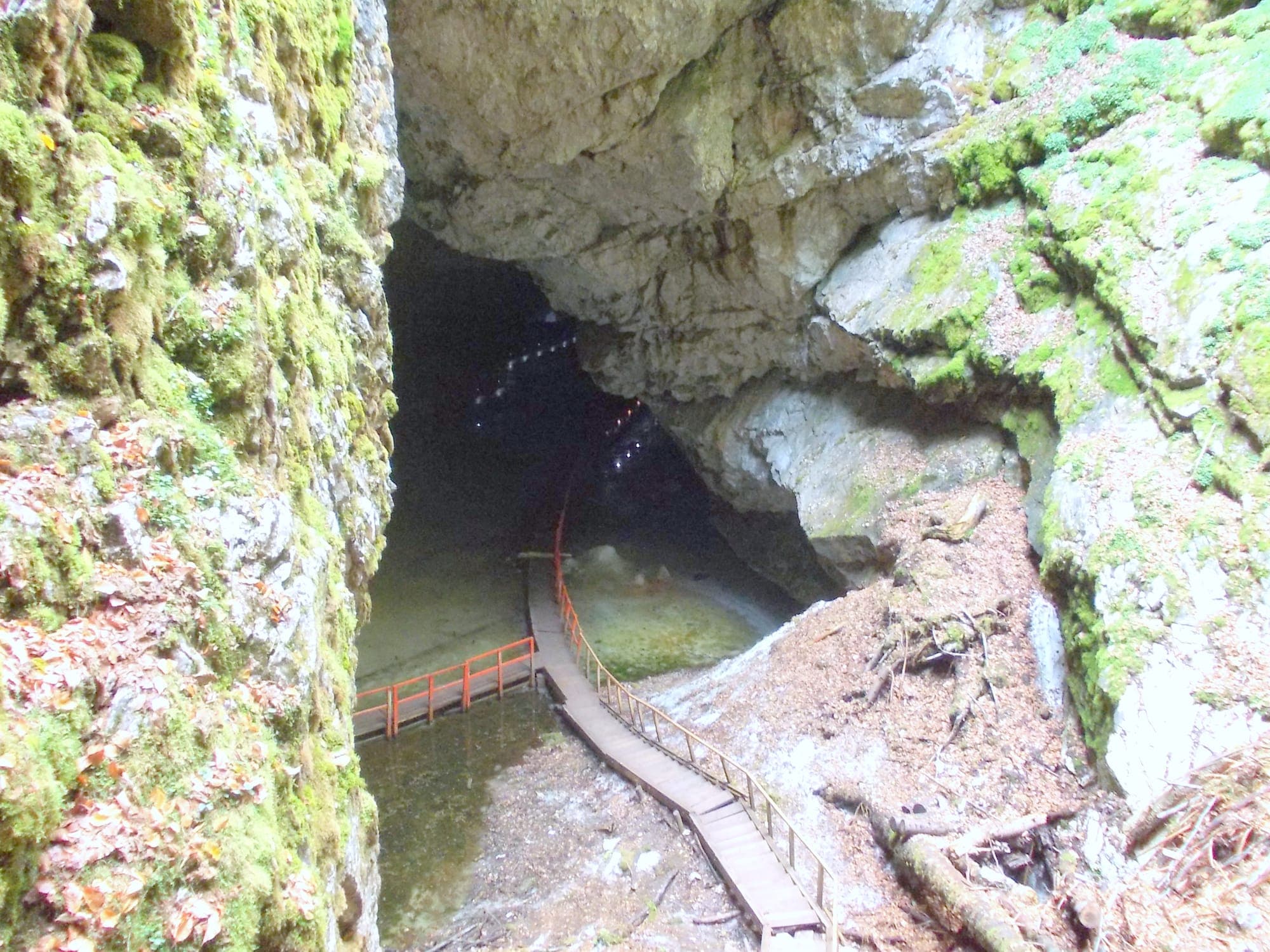
A cave in the Apuseni Mountains that holds one of the largest underground glaciers in the world: a block of ice over 10,000 years old, reached by stairs down a shaft 60 m across.
A narrow limestone gorge in the Piatra Mare Mountains near Brașov, with seven rock steps climbed on metal ladders and walkways; at the top you can ride a zip line back down.
Constantin Brâncuși's round stone table with 12 hourglass seats, in the park on the banks of the Jiu: the western end of the Heroes' Way ensemble, a UNESCO World Heritage Site.
A roughly 15 m waterfall on the eastern slopes of the Bucegi Mountains, an hour's easy forest walk from Bușteni; the most visited waterfall in the massif and a classic outing on the Prahova Valley.
A small white church on the hill above the village, grown from a 12th-century Romanesque chapel and ringed by walls, towers and grain galleries, in a Saxon village that has survived almost intact.
Monasteries and churchesFortresses and fortificationsUNESCO
The stone mushrooms of the Bucegi plateau, at ~2,200 m: conglomerate rocks worn by wind, frost and rain, a few minutes from the Bușteni cable car and the Sphinx.
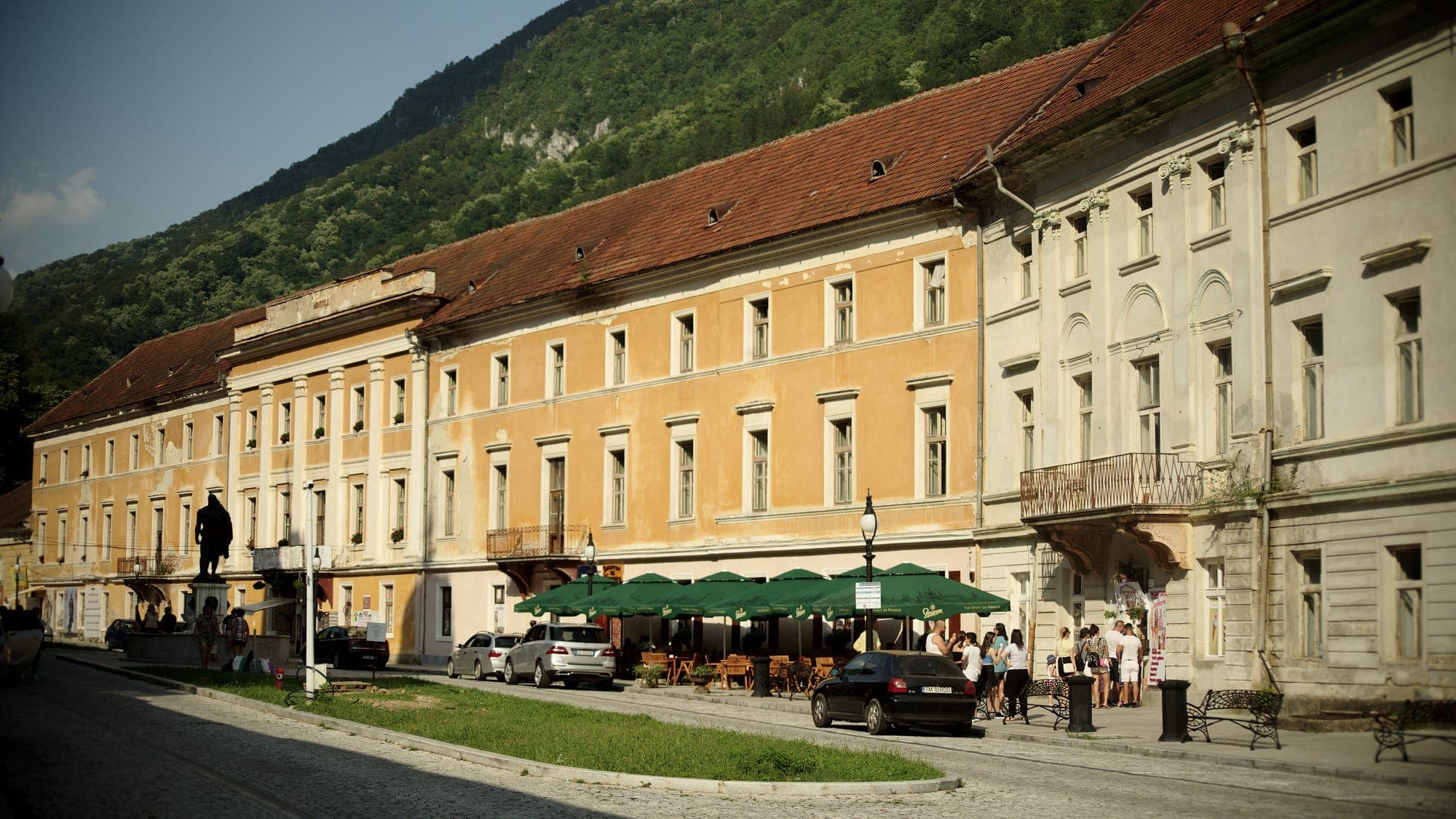
Romania's oldest spa resort, recorded as early as AD 153, in the Cerna valley: hot sulphur springs, a Habsburg old town around the Hercules statue and free thermal tubs on the riverbank.
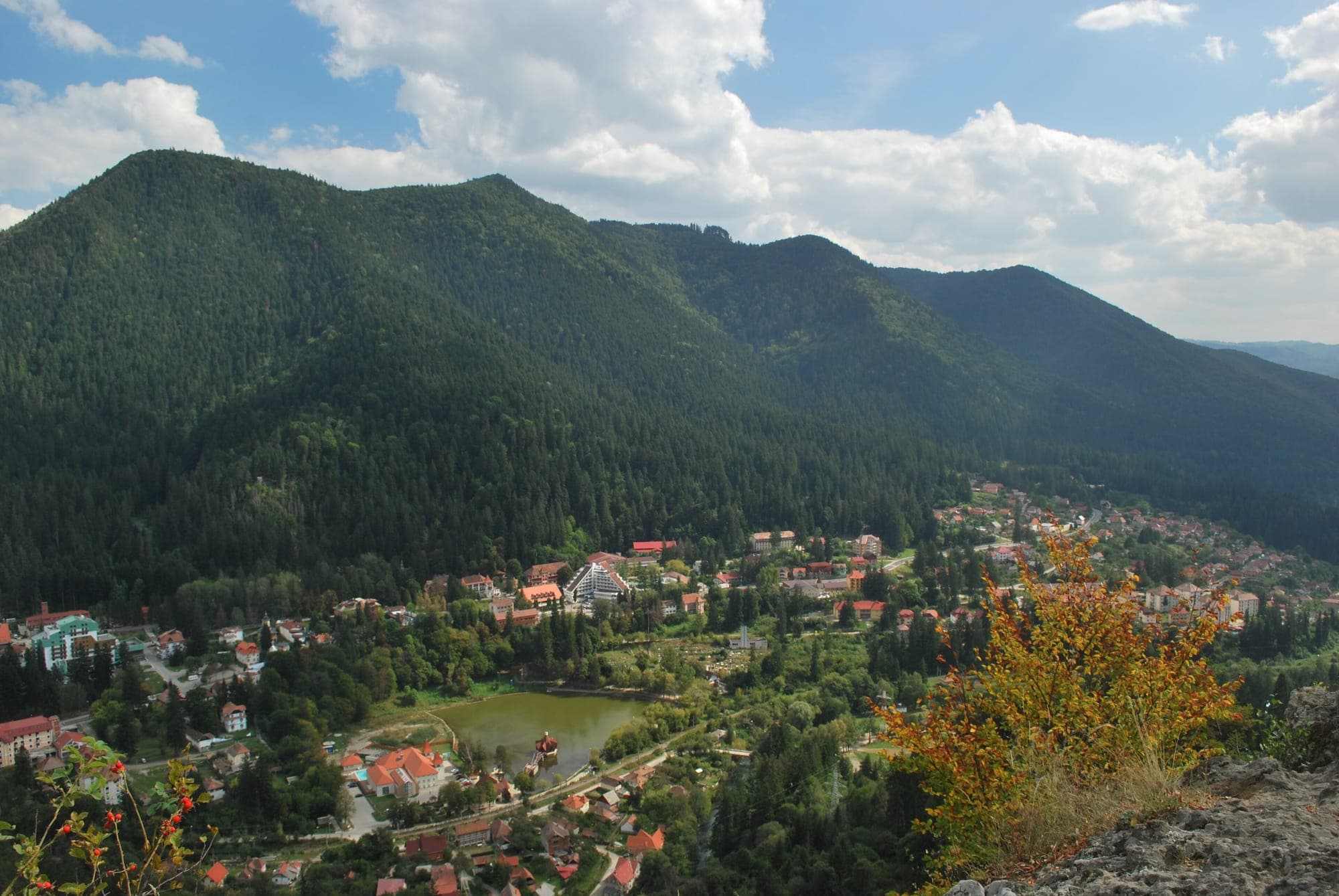
A spa resort in the Olt gorge between the Harghita and Bodoc mountains: naturally sparkling mineral springs, mofettes, a wellness centre with thermal water and trails up to Falcon Rock.
 Top 100