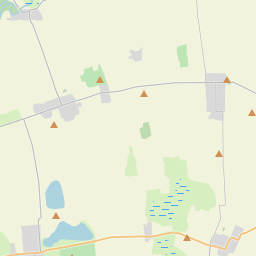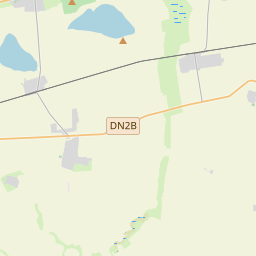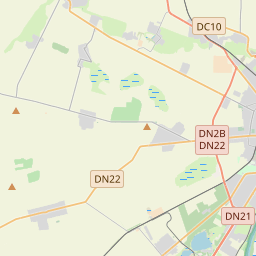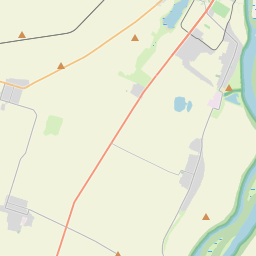

Balta Mică a Brăilei
Brăila, BR · 2 km from Brăila
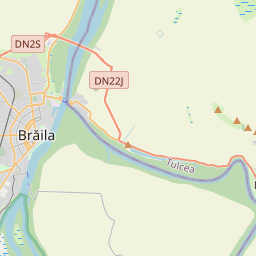
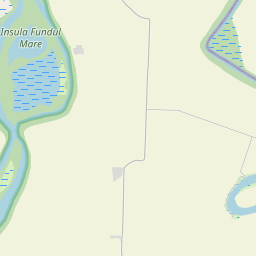
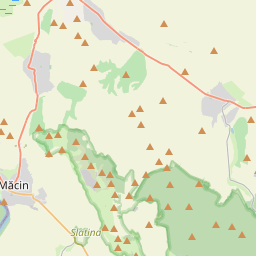
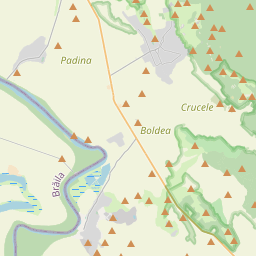
The last stretch of free-flooding Danube floodplain between Giurgeni and Brăila: seven river islands, 52 lakes and over 200 bird species, reached only by boat.
Brăila is a county of plains and water: the Bărăgan ends at the bank of the Danube, and here the river splits into arms that enclose the Great Brăila Island. The city of Brăila, an old grain port, grew in the 19th century on a fan-shaped street plan, with a central square, a riverside promenade and merchants' houses from that era. Nearby, Lacul Sărat is a small spa resort with mud and salt water. Tourist attractions in Brăila county are mostly about the river and the city on its bank.
The most important is the Balta Mică a Brăilei Nature Park, the last stretch of free Danube floodplain between Giurgeni and Brăila, with islets, lakes and over 200 bird species, which you can only see by boat. In the city, the riverside promenade and the old centre, with the Maria Filotti Theatre and the Panait Istrati memorial house, are worth a stroll, and the ferry to Smârdan or the new suspension bridge over the Danube take you across into Dobruja.
6 results
The last stretch of free-flooding Danube floodplain between Giurgeni and Brăila: seven river islands, 52 lakes and over 200 bird species, reached only by boat.

The central square of old Brăila, from which the streets of the historic centre fan out, with the blue Public Clock of 1909, the Holy Archangels church, a former mosque, and the statue of Trajan.

The church raised between 1863 and 1872 by Brăila’s Greek community to plans by the architect Avraam Ioanidis: a Byzantine-style building with a clock tower, paintings by Tattarescu and Liochis, and the famous Healing Spring.

A spa resort more than a century old, 5 km from Brăila, on the shore of a lake with hypertonic water and sapropelic mud. It has treatment centres, a historic park and a lakeside beach.

The former Rally Theatre, a heritage building in Brăila's historic centre, with a richly ornamented façade on Calea Regală, restored with EU funds and still a working repertory theatre.

A red-brick house-museum in Brăila's Public Garden, with manuscripts, signed books and personal belongings of the writer Panait Istrati. It is not his birthplace but a former gardener's house.