Constanța's old town, on the site of ancient Tomis: Ovid Square, the Roman mosaic, the mosque and its minaret, the cathedral, the Genoese Lighthouse and the casino seafront, all a few steps apart.
The museum that holds the Tomis Sculpture Hoard, with the Glykon serpent, in the former Town Hall on Piața Ovidiu, closed for restoration; next door you can visit the Roman Mosaic Edifice.
Museums and memorial housesMonuments and historic sites
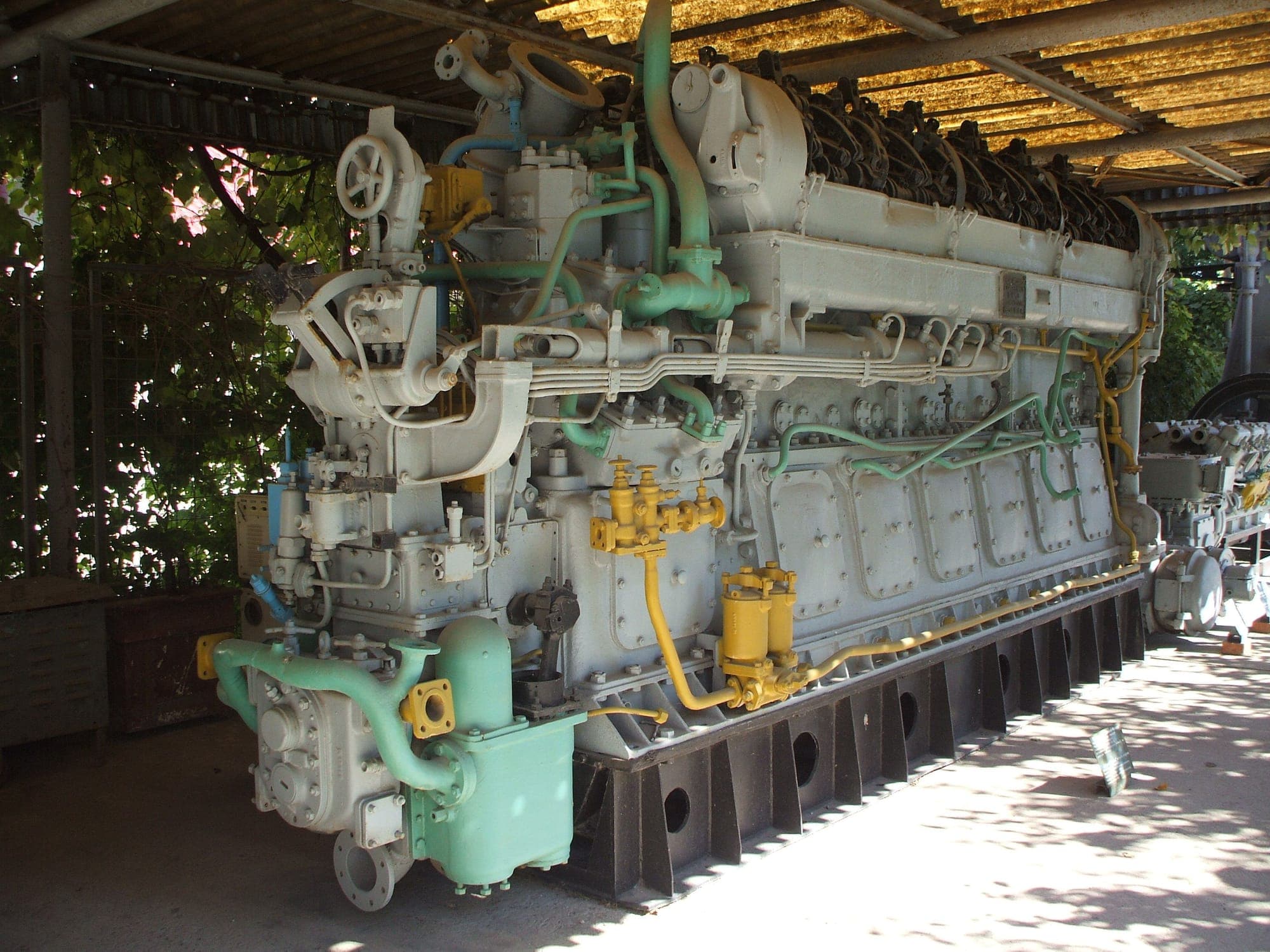
The museum of Romanian naval history, in the former Naval School building in Constanța: a 15th-century dugout boat, ship models and submarine parts. Closed for structural consolidation.
Two resorts built side by side north of Mangalia, between the sea and the Comorova forest: a beach widened to a hundred metres, two lakes right behind the sand and 1970s architecture.
A Lipovan fishing village between Mangalia and Vama Veche, with a beach set in a small bay, a fish station at its southern end and the waters of the 2 Mai – Vama Veche marine reserve.
The only marine dunes left on the Romanian coast, protected since 1939 in the grounds of the Agigea Marine Biological Station: rare sand plants, tortoises and a free themed trail.
A monastery carved into the chalk hill at Murfatlar in the 10th century, with six small churches and hundreds of crosses, drawings and runic, Cyrillic, Greek and Glagolitic inscriptions. Closed to the public.
The ruins of the fortress at Hârșova, on the rock above the Danube: a Roman fort of Trajan, rebuilt by the Byzantines and held by the Ottomans until 1829, restored and reopened in 2025.
Fortresses and fortificationsMonuments and historic sites
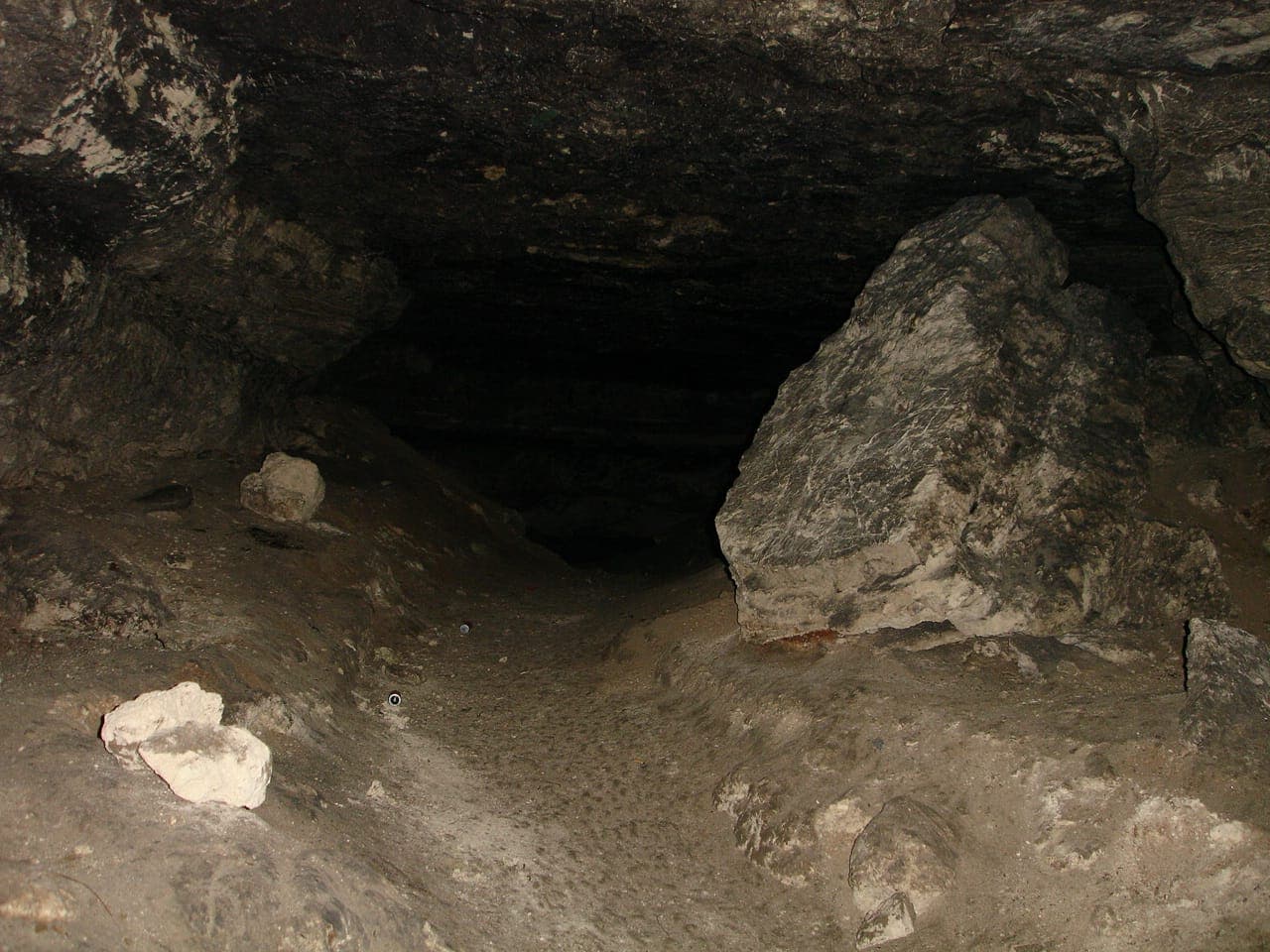
A labyrinth of galleries nearly 4 km long, cut into the limestone beneath the plateau of Limanu commune, close to Mangalia; a nature monument and bat shelter, not a cave developed for tourists.
The resort that runs straight into Mangalia from the north: 1970s tower hotels, a beach in the middle of being widened, a public spa sanatorium and, behind it all, the Mlaștina Hergheliei nature reserve.
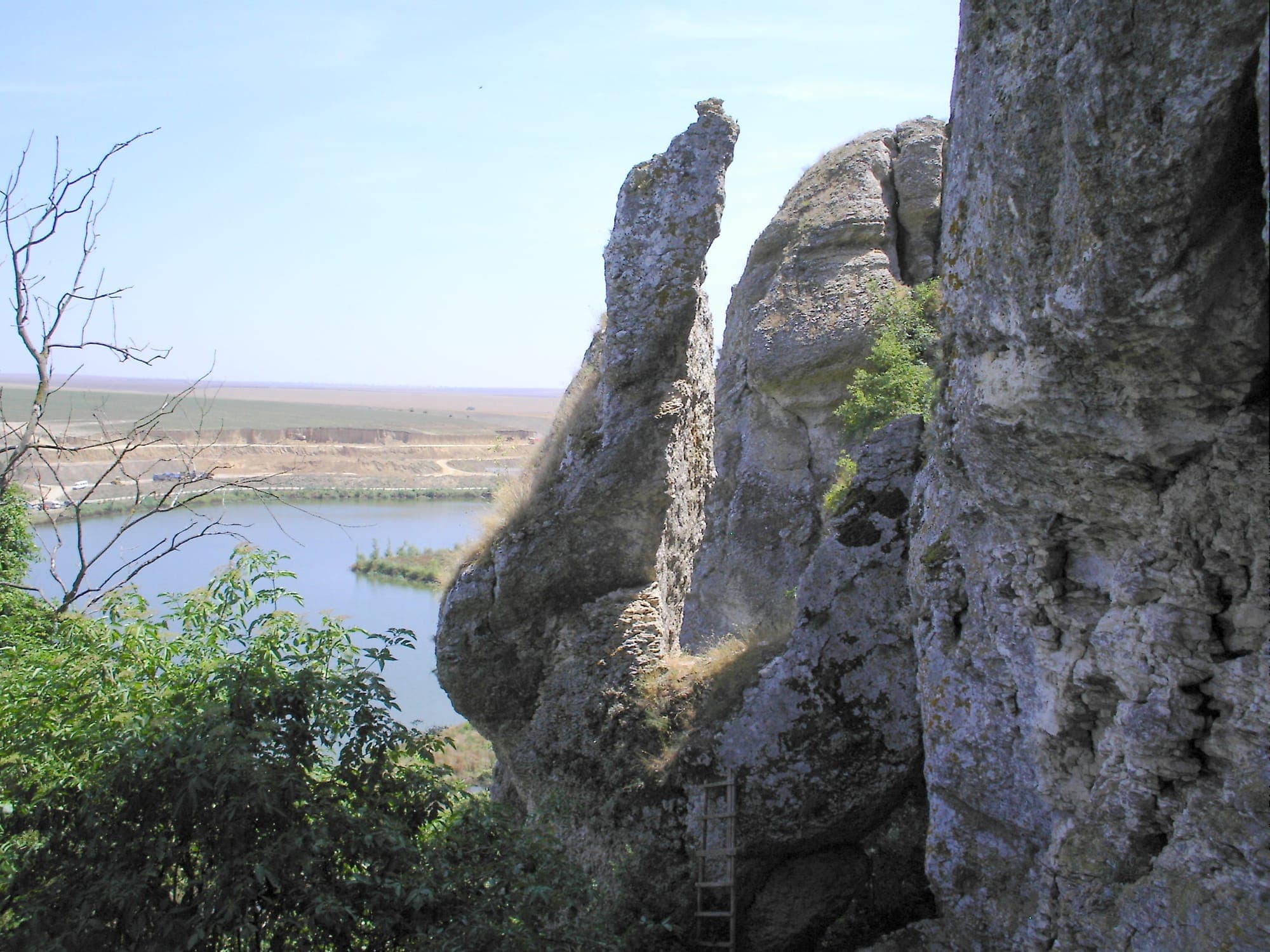
A cave in the limestone face of Casian Hill above the Casimcea valley in Dobruja, reached by a metal staircase; the nearby monastery uses it as a place of prayer.
A Roman-Byzantine fortress of the 4th–6th centuries in central Dobruja, with 13 towers, an early Christian basilica and ruins uncovered by Vasile Pârvan in 1911–1914.
Monuments and historic sitesFortresses and fortifications
The ruins of the Greek city from which Mangalia grew: the circuit wall with its towers and the Syrian-type basilica on the clifftop promenade, steps from the beach, plus the town's archaeology museum.
Fortresses and fortificationsMonuments and historic sitesSeaside
A Roman fortress on the bank of the Danube, built under Trajan in the early 2nd century and inhabited for almost a millennium, with massive walls and towers above the river.
Fortresses and fortificationsMonuments and historic sites
Constanța's Grand Mosque, built between 1910 and 1913 at the wish of King Carol I, with a 47 m minaret you climb by 140 steps and a 144 m² Hereke carpet in the prayer hall.