Roman Fort of Tirighina-Barboși
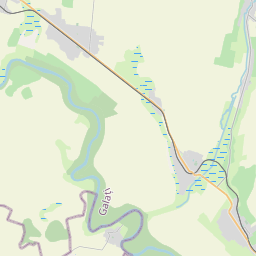
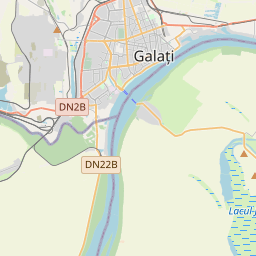
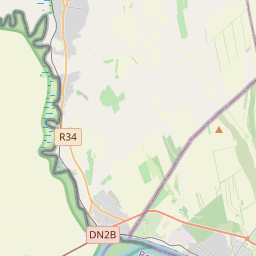
A Roman fort on the Tirighina promontory where the Siret meets the Danube, in the Barboși district of Galați, with a site museum built inside the grounds and remains almost 1,900 years old.
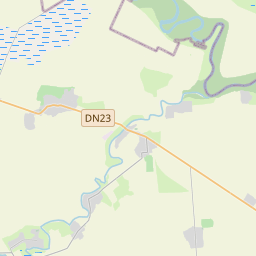
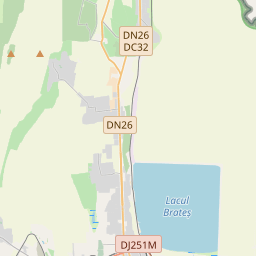
Galați County is the southern corner of Moldavia, where the Siret and the Prut flow into the Danube. The county seat, Galați, is a large river port and steel town, with a long Danube embankment, the Public Garden and museums of history and art; Tecuci is the second town. What you can visit in Galați County has more to do with water and plains than with mountains: Lake Brateș, the Prut floodplain and the vineyards of Nicorești. For the rest of the region, see the Moldavia page.
6 results

A Roman fort on the Tirighina promontory where the Siret meets the Danube, in the Barboși district of Galați, with a site museum built inside the grounds and remains almost 1,900 years old.

The cathedral of the Archdiocese of Lower Danube, built between 1906 and 1917 to plans by Petre Antonescu: the largest religious building in Galați, Neo-Byzantine, with a main tower 42.5 m high.

The oldest building in Galați, a merchants' church consecrated in 1647, with walls up to 1.8 m thick, a bell tower and a fortified loft with 28 loopholes, on the bank of the Danube.

Galați's 3–4 km promenade, on two levels above the Danube, with metal sculptures from the 1976–1991 camps and restaurants on boats; under redevelopment since 2026.

The house of Alexandru Ioan Cuza's parents, now the first house museum founded in Galați (1939), reopened in 2024 after restoration, with an exhibition on the ruler of the Union and on Galați between 1850 and 1930.

The youngest botanical garden in Romania, on 18 hectares above the Danube: a rose garden with thousands of roses, a Japanese garden with a lake, a sensory garden and plant collections from five continents.