Popăuți Monastery
Botoșani, Botoșani County · Moldavia

About Popăuți Monastery
At a glance: Monasteries and churches in Botoșani, Botoșani County. The visit takes 30 min. Information verified on 10 October 2026.
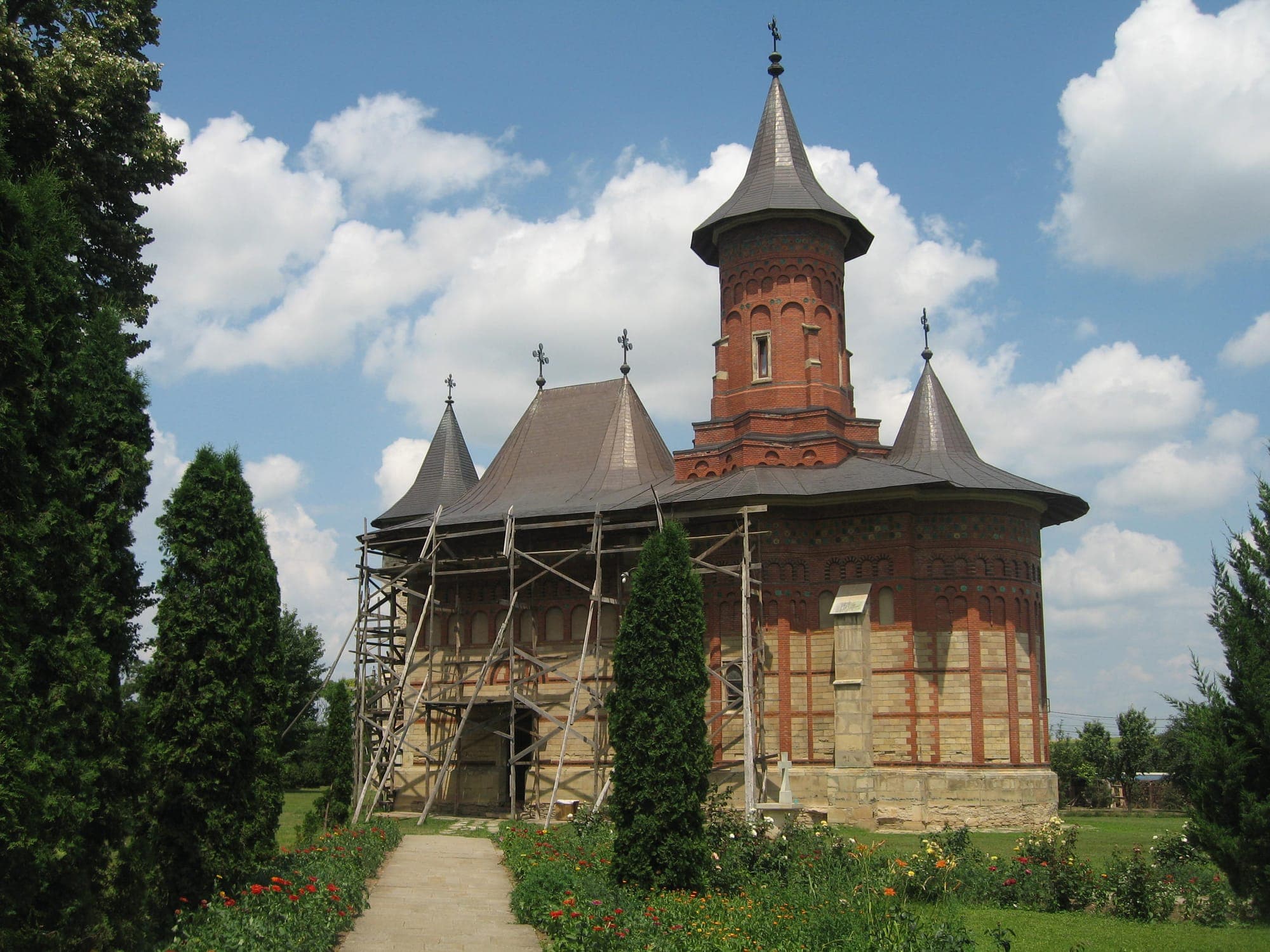
In the city of Botoșani, beside the railway station, stands one of Stephen the Great's foundations in northern Moldavia. The Church of St Nicholas was consecrated on 30 September 1496, on a site that was then wooded, on the road the prince took from Suceava to his court at Hârlău. Beside it stood a princely palace and a bell tower, and the whole complex was fortified; the village of Popăuți grew up around it only in 1626. For a long time it was a parish church, serving the laity rather than monks.
In 1751 the prince Constantin Racoviță turned it into a monastery of monks and placed it under the Patriarchate of Antioch, so Greek monks settled here, endowed with estates and fishponds. The secularisation of monastic property in 1863 took away its income, and the church fell almost into ruin; in 1897 it was declared a historic monument. The monastery was re-established in 1991 and was only populated with monks from 1996.
The old church is in the Moldavian style, cross-shaped, with walls over a metre thick and a tall tower over the nave, polygonal on the outside. The facades of bare red brick, with niches, blind arches and glazed ceramic discs, owe much to the restoration of 1898–1908, which changed the church's appearance and was widely criticised by specialists.
What you can see
The main attraction is the Stephanian church, with its brick tower and the stone walls at its base. Inside, only fragments of the old painting survive: the heads of Christ and of an angel in the altar, scenes from the Passion cycle on the nave apses and the bust of a prophet in the narthex. The rest was repainted in the 19th century by the Greek monks. The wooden iconostasis dates from the time of Constantin Racoviță.
In the grounds stands the stone bell tower, 17 m high, with three storeys and a shingle roof; it also served as a refuge in times of danger, and its entrance is on an upper level, reached by an outside staircase. Archaeological digs around the church uncovered a boyar necropolis, with more than twenty-five burials on three levels and the gravestone of the vornic Nurod, from 1492. The monastery's new church, dedicated to the Protection of the Mother of God, also stands within the precinct.
Good to know
It is a working monastery of monks, not a museum. Services are now held in the new church, because in the small old church candles and heat damage the painting; the Stephanian church was reconsecrated in 2015. The monastery does not publish visiting hours, so entry to the old church depends on what is decided on the spot.
- The Stephanian church of 1496, of bare red brick, with its tall tower over the nave and glazed ceramic discs on the facades.
- The 17 m stone bell tower, with three storeys, a shingle roof and an upper-level entrance reached by an outside staircase.
- The fragments of old painting in the church: the heads in the altar and the Passion scenes on the nave apses.
- The wooden iconostasis from the time of Constantin Racoviță, with the large icons placed in 1751.
- The monastery's new church, dedicated to the Protection of the Mother of God, built in the grounds in the early 2000s.
Good to know before you go
- Getting there
By car: the monastery is in Botoșani, on Strada Ștefan cel Mare, beside the railway station. From Suceava it is ~75 km on the DN29 (~1 hour 15 minutes), from Iași ~120 km (~2 hours). It combines easily with other places in the city and nearby, such as the Ipotești Memorial and the Enescu House at Liveni.
Public transport: for those arriving by train, Botoșani station is right next to the monastery. From elsewhere in the city you can get there by local bus or taxi.
- Rules
It is a working monastery of monks: modest dress (shoulders and knees covered, shorts are not appropriate), quiet within the grounds and respect for the services. Ask before photographing inside. The old painting is fragile: do not touch it.
Frequently asked questions about Popăuți Monastery
- How long does a visit to Popăuți Monastery take?
- A visit to Popăuți Monastery takes about 30 min (church, bell tower and grounds).
- Can you visit Popăuți Monastery with kids?
- Yes, Popăuți Monastery is suitable for children (large grounds, quiet needed).
- How do I get to Popăuți Monastery?
- Popăuți Monastery is located at Strada Ștefan cel Mare 41, near the railway station, Botoșani, Botoșani County. By car: the monastery is in Botoșani, on Strada Ștefan cel Mare, beside the railway station. From Suceava it is ~75 km on the DN29 (~1 hour 15 minutes), from Iași ~120 km (~2 hours). It combines easily with other places in the city and nearby, such as the Ipotești Memorial and the Enescu House at Liveni. Public transport: for those arriving by train, Botoșani station is right next to the monastery. From elsewhere in the city you can get there by local bus or taxi.
- When is the best time to visit Popăuți Monastery?
- The best season for Popăuți Monastery: April – October (nicest in summer).
Reviews
Other attractions nearby
The closest attractions to Popăuți Monastery, sorted by distance.
 9 km from Popăuți Monastery
 Top 10040 km from Popăuți Monastery
 41 km from Popăuți Monastery