

Carol I Mosque
Constanța, CT
Constanța's Grand Mosque, built between 1910 and 1913 at the wish of King Carol I, with a 47 m minaret you climb by 140 steps and a 144 m² Hereke carpet in the prayer hall.
275 results
Constanța's Grand Mosque, built between 1910 and 1913 at the wish of King Carol I, with a 47 m minaret you climb by 140 steps and a 144 m² Hereke carpet in the prayer hall.

A historic park laid out in 1900–1906 on Filaret Hill for the General Romanian Exhibition, with a lake, a monumental central avenue, the Zodiac Fountain and the Heroes of the Nation Memorial on the upper plateau.

The seat of the Savings and Consignment Bank on Calea Victoriei, built in 1897–1900 to plans by the French architect Paul Gottereau: a monumental façade, corner cupolas and a central dome of glass and metal.
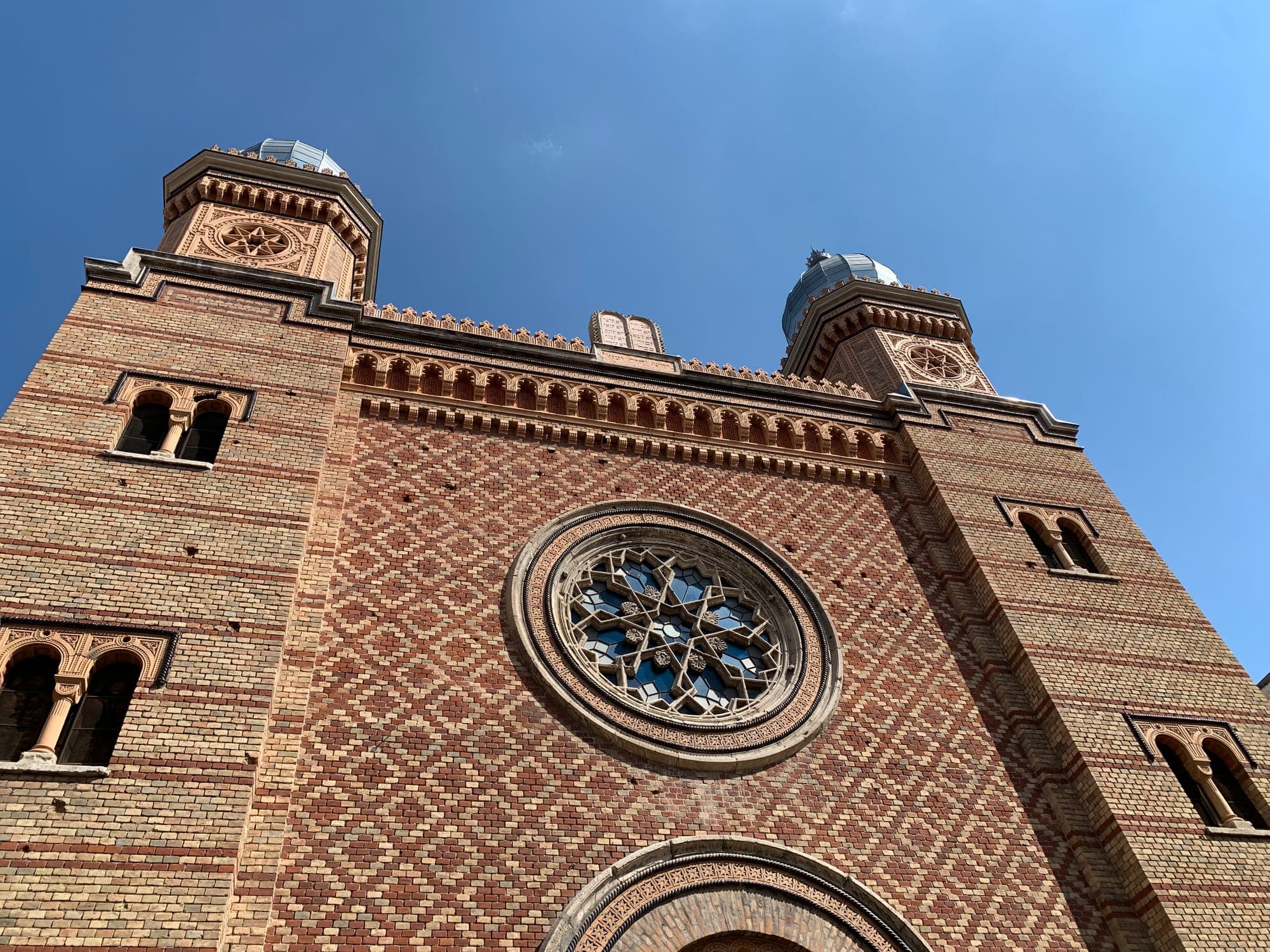
An eclectic synagogue with Moorish touches, built in 1863–1865 to plans by the Viennese architect Carl Schumann, with two domed towers and a two-colour brick façade; reopened in 2022.

The three-towered Orthodox church built in 1927–1937 on Heroes' Avenue in Târgu Jiu, halfway along the axis between the Gate of the Kiss and the Endless Column, and part of the UNESCO-listed Brâncuși ensemble.

The neo-Baroque building of 1906, designed by the Viennese firm Fellner & Helmer, home to the “Lucian Blaga” National Theatre and the Romanian National Opera; seen at performances and on the Opera's guided tours.
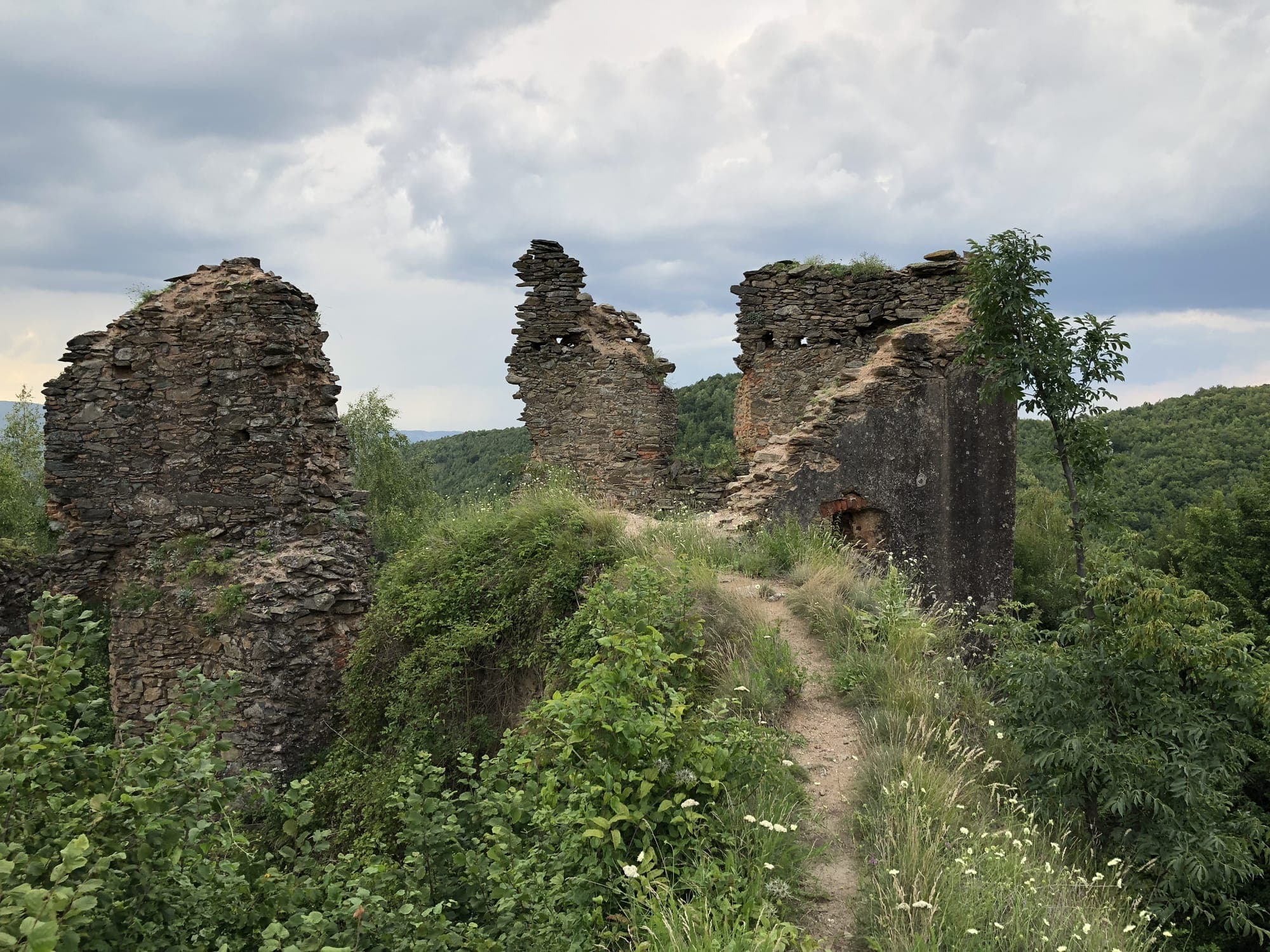
The ruined fortress of the Cândea knezes, its tower house perched on a rock at the mouth of the Râușor gorge below the Retezat, traditionally linked with Jules Verne's "The Carpathian Castle".

A small Roman fort with an unusual pentagonal plan, on a terrace above the Râul Negru at the edge of the village of Reci; its banks and ditches are clearly visible next to the DN11. Part of the UNESCO site of the Dacian limes.
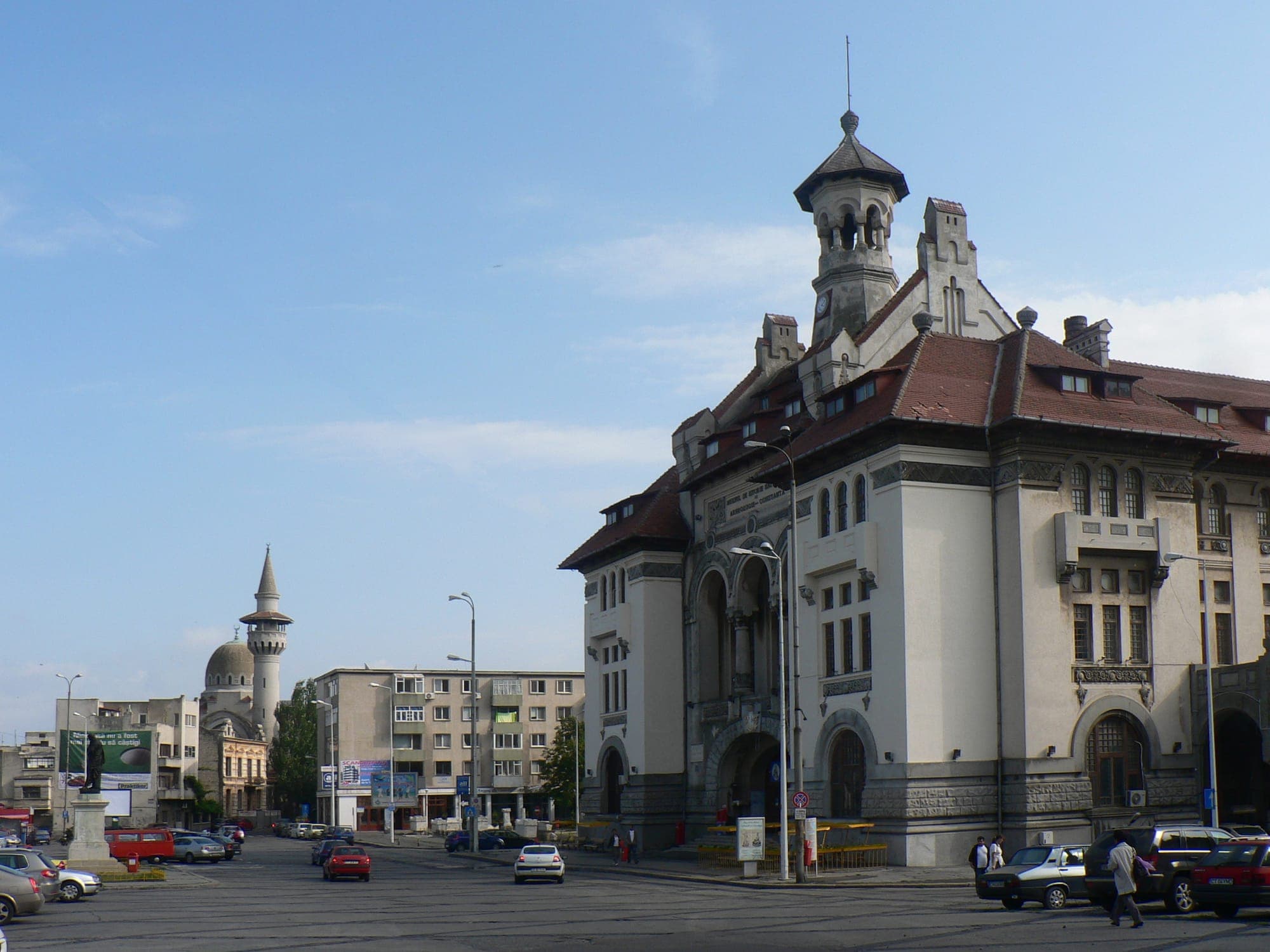
The port city of the coast, with an old town on the site of ancient Tomis: Ovid Square, the Casino seafront, Tomis Port, museums, the city beaches and, to the north, Mamaia.

Constanța's old town, on the site of ancient Tomis: Ovid Square, the Roman mosaic, the mosque and its minaret, the cathedral, the Genoese Lighthouse and the casino seafront, all a few steps apart.

A Dacian fortress on Cetățuia hill, at the gateway to the Orăștie Mountains: earth ramparts, a stone wall built in the Hellenistic manner, tower houses and temples, a UNESCO site.

Radu the Great's foundation on the hill north of Târgoviște, built in 1499–1501: a church clad in dressed stone and a princely necropolis where the head of Michael the Brave is kept.
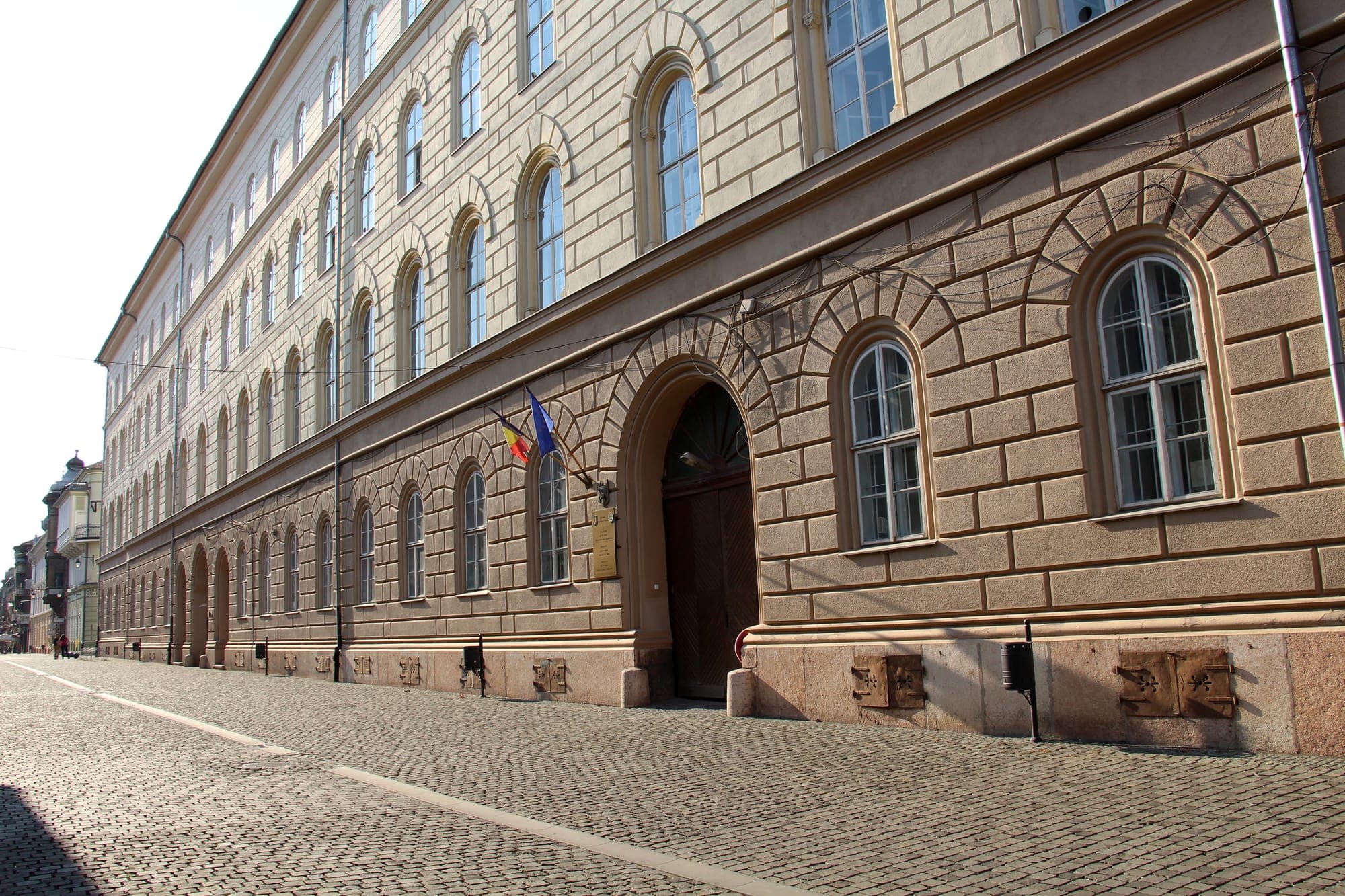
A monumental Neo-Renaissance building in the Cetate district, raised in 1855–1860 for the administration of the Banat; today it houses Timișoara's courts and can be seen from the outside only.

A massive elliptical tower from the 15th century in the north-east corner of Brașov's walled town, below Mount Tâmpa. The interior is closed until its EU-funded restoration, but the wall can be seen from the promenade.

The old school in the courtyard of St Nicholas' Church in Șcheii Brașovului, now a museum: a classroom with wooden benches, a replica of Coresi's printing press and Romanian books five centuries old.



