

Sfinții Voievozi Monastery, Slobozia
Slobozia, IL
The oldest monastery in the Bărăgan, founded by the Grand Postelnic Ianache Caragea and rebuilt by Matei Basarab, with a 17th-century brick enclosure wall and a bell tower you enter through.
275 results
The oldest monastery in the Bărăgan, founded by the Grand Postelnic Ianache Caragea and rebuilt by Matei Basarab, with a 17th-century brick enclosure wall and a bell tower you enter through.

The ruins of a 13th-century stone fortress on Dealul Cetății above Șiria, with walls, towers and a wide view over the Arad Plain.

A narrow passage of stone and brick in Sibiu, with vaulted arches, steps and the buttresses of a medieval wall, running down from near Huet Square to the Lower Town.

A Neoclassical palace on Calea Victoriei, built around 1835 to plans by Michel Sanjouand, with a façade decorated with caryatids; since 2025 it has housed the luxury store TOFF Galleries.
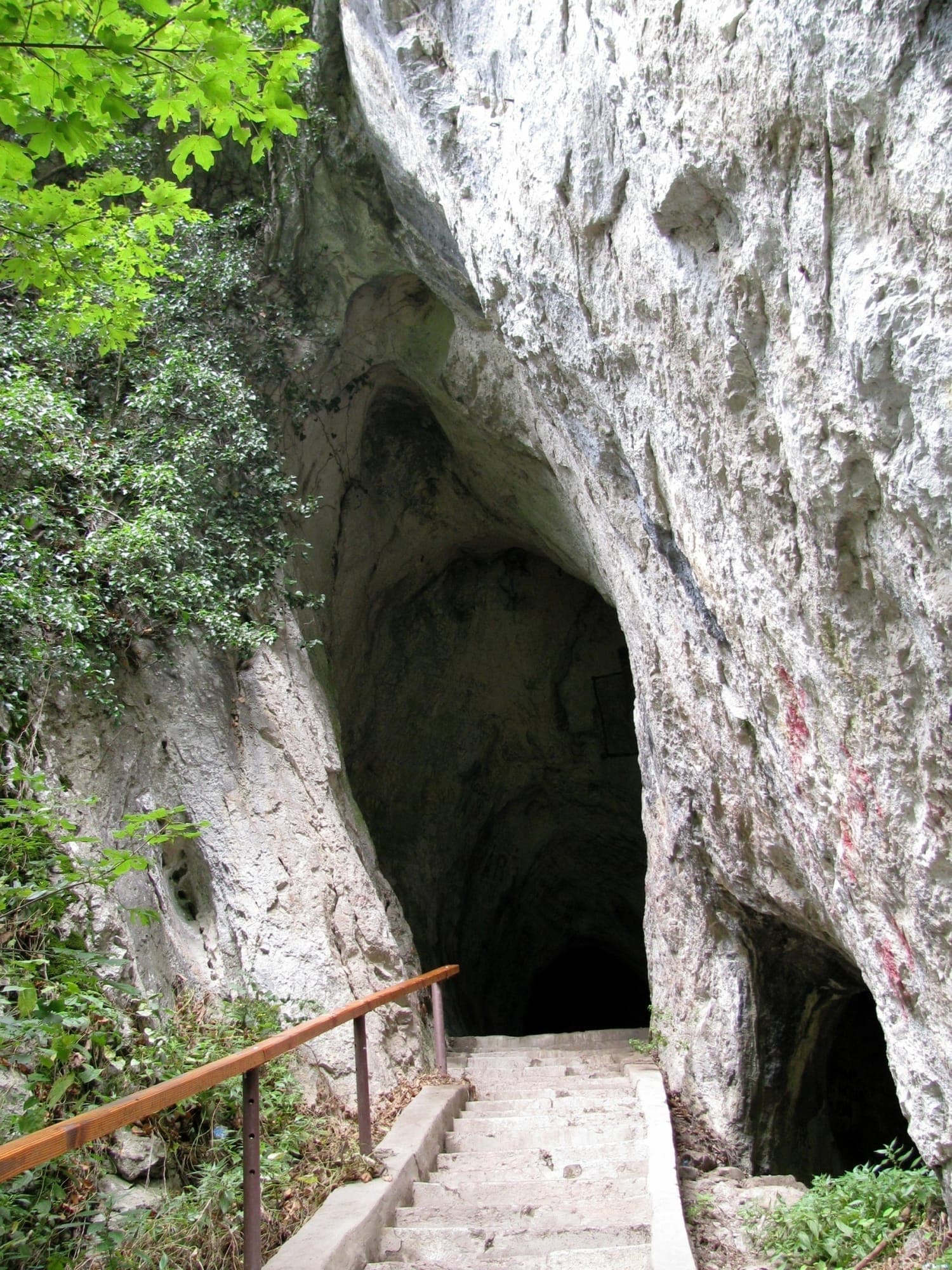
A 143 m rock shelter, five minutes up a concrete staircase behind the Hotel Roman; its walls carry visitors' signatures from the 19th century, and excavations have uncovered traces of habitation from the Palaeolithic to the Roman period.
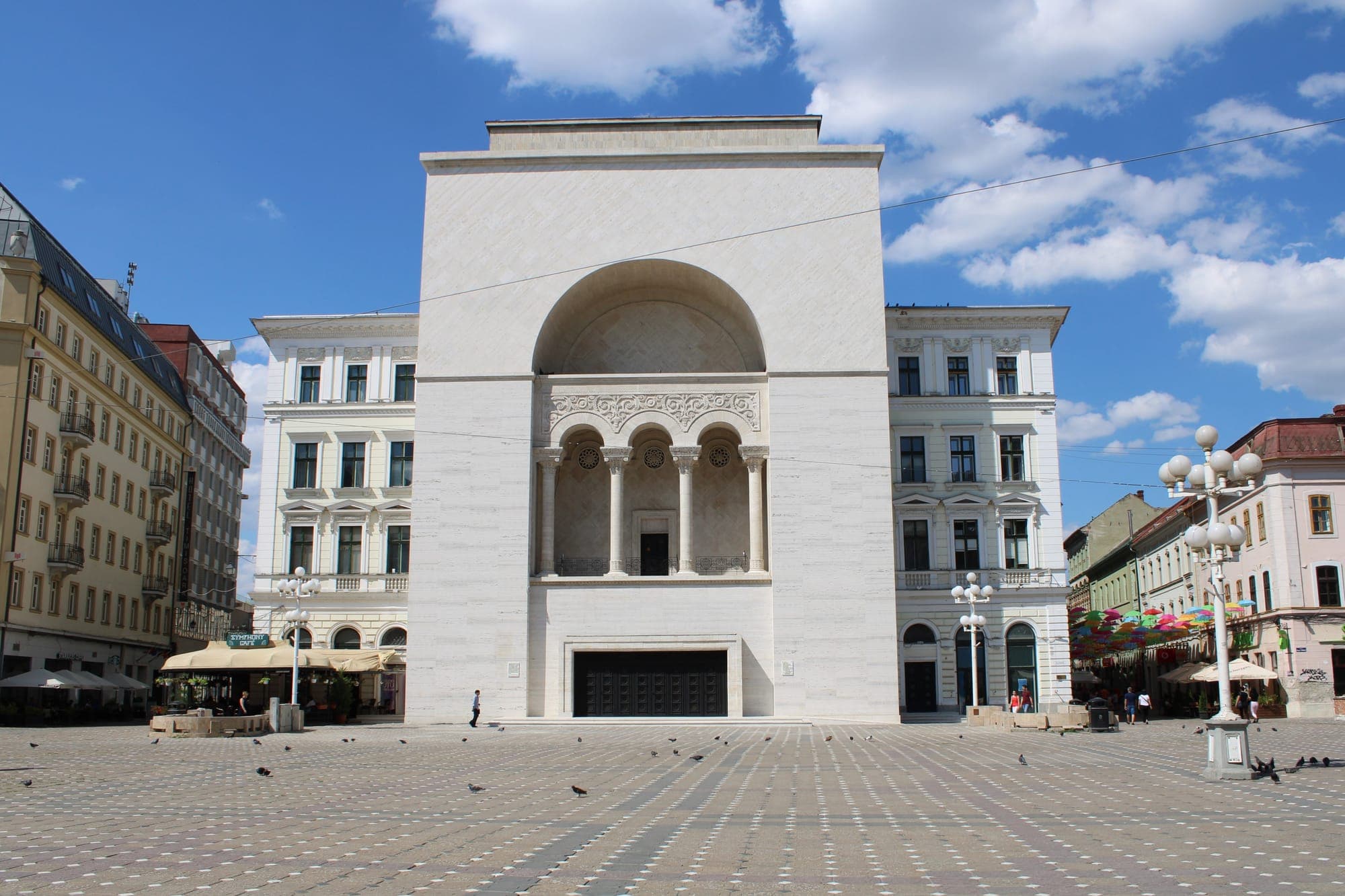
The building on Piața Victoriei, opened in 1875 to plans by the firm Fellner & Helmer and rebuilt by Duiliu Marcu, with a travertine façade; four performing-arts institutions are based here.

The ruin of the northern end of the bridge over the Danube built in 103–105 by Apollodorus of Damascus for Trajan, in the archaeological park of the museum in Drobeta-Turnu Severin.

Archaeology and local history museum in a 15th–16th-century building in Turda's old centre, known as the Princely Palace: finds from the Roman fort of Potaissa, prehistory and medieval Turda.

The historic seat of the University of Bucharest, built in 1857–1869 to plans by Alexandru Orăscu: a neoclassical façade, four Muses added in 1929 and a pediment crowned again in 2026 with a bronze eagle and griffins.
A residence with the air of a medieval castle and Secession touches, built in 1903–1906 for the Urmánczy family, with a water tower and a stone plinth; restored and open to visit by appointment.

Timișoara's pedestrian esplanade between the Opera in the Palace of Culture and the Metropolitan Cathedral, lined with the Corso palaces and the place where Timișoara was declared the first free city in December 1989.

The railway bridge over the Borcea branch, part of the complex Anghel Saligny built in 1890–1895 between Fetești and Cernavodă; best seen from a distance, next to the new A2 bridge.

A monastery in the centre of Bucharest, founded in 1713–1715 by Saint Anthim the Iberian, with a trefoil-plan church, carved stone window frames and a courtyard with a bell tower and abbots' houses.
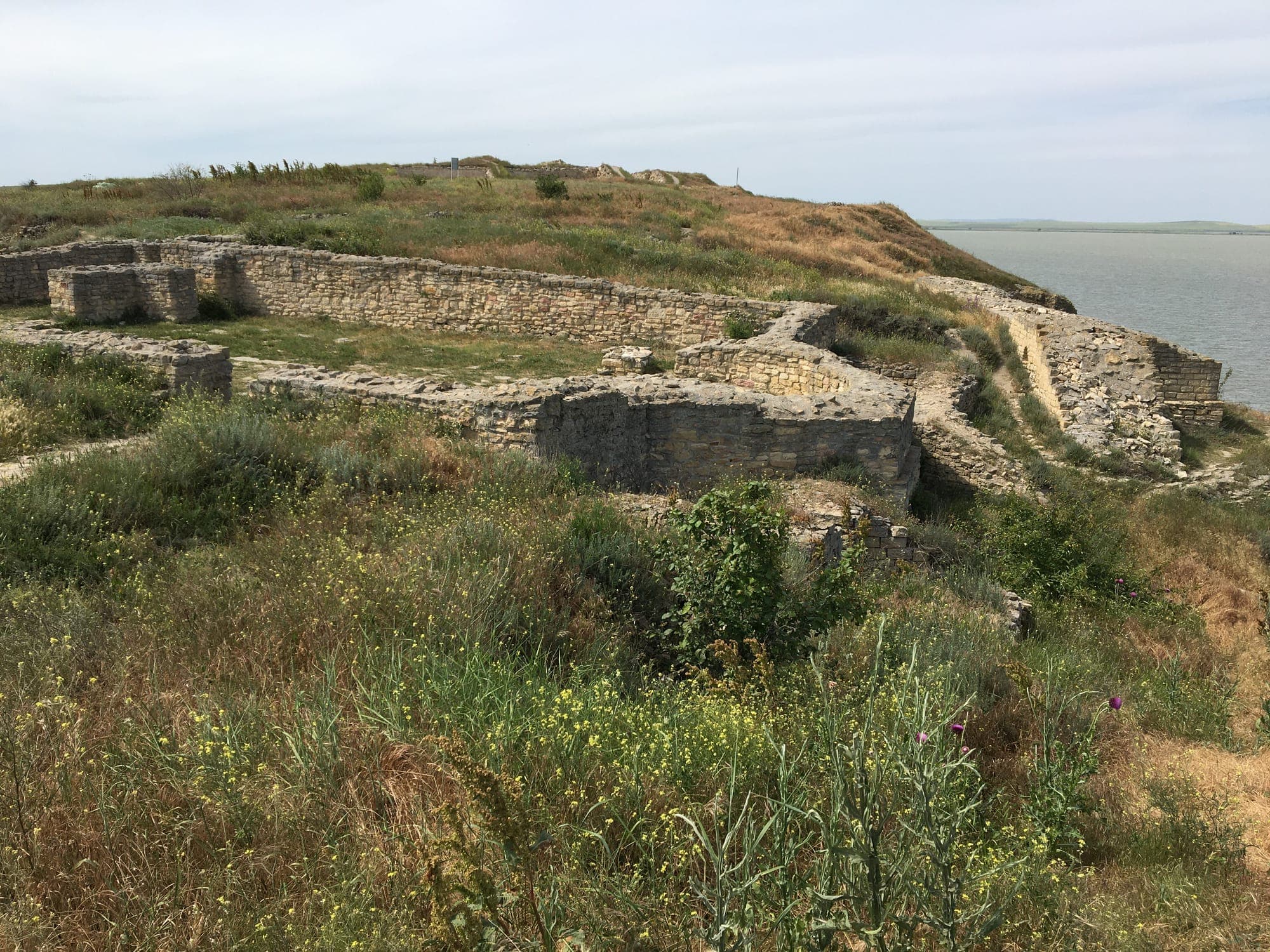
The ruins of the Greek city of Orgame and the late Roman fortress of Argamum on Cape Doloșman, above Lake Razim: walls, a gate and four early Christian basilicas in a wild landscape.

The Baroque Holy Trinity church, built by the Armenians of Armenopolis between 1748 and 1804, dominates the centre of Gherla and keeps a Descent from the Cross attributed to Rubens or his school.



