A monastery carved into the chalk hill at Murfatlar in the 10th century, with six small churches and hundreds of crosses, drawings and runic, Cyrillic, Greek and Glagolitic inscriptions. Closed to the public.
Monuments and historic sitesChurches
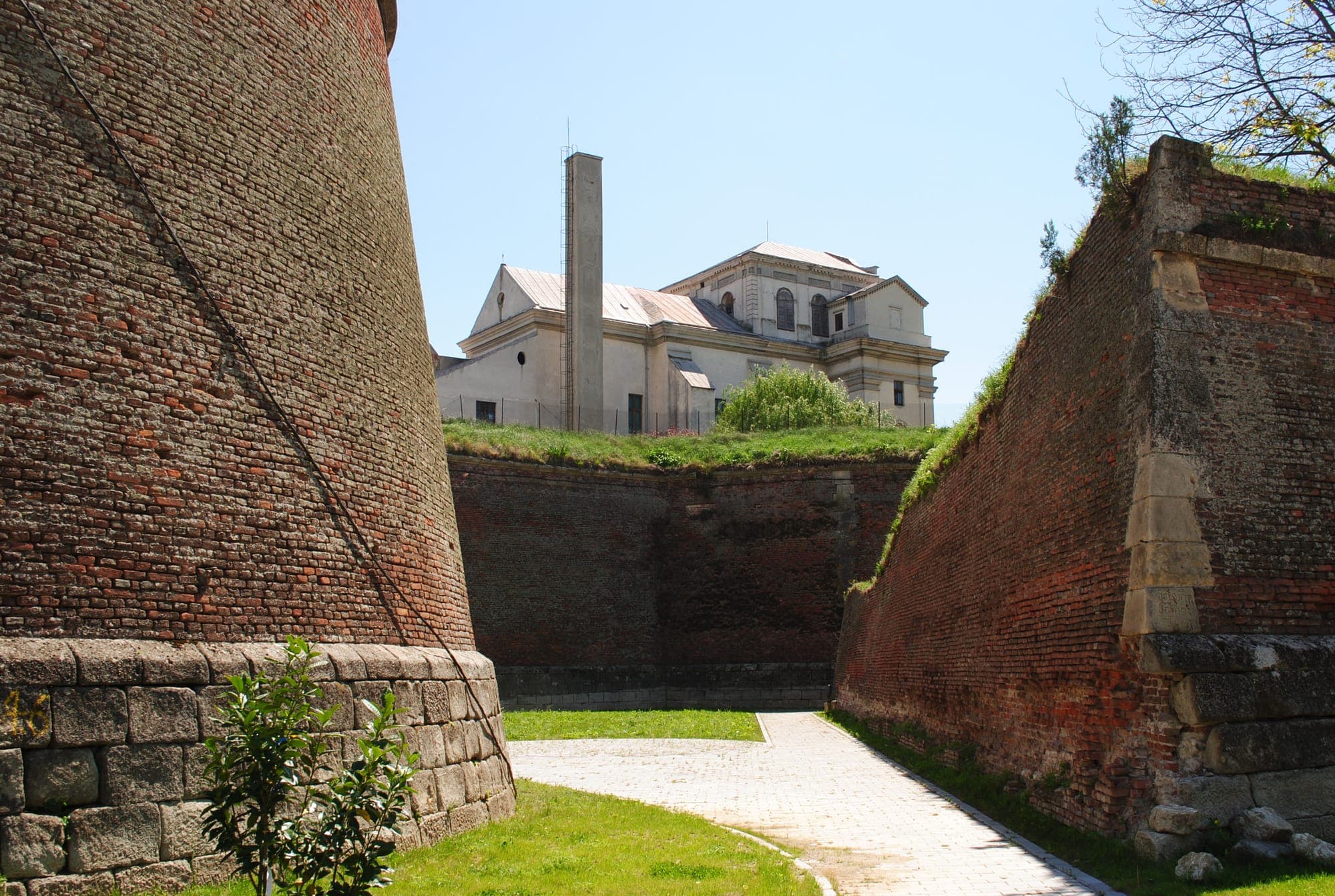
The library in the Alba Carolina Fortress, housed in a former Baroque Trinitarian church: over 50,000 books, nearly 600 incunabula, 1,230 manuscripts and a fragment of the Codex Aureus.
Museums and memorial housesMonuments and historic sites
The residence of Count Pál Bethlen, rebuilt around 1900 on the site of the family's old fortress, with two hexagonal towers; a former town hall, now unused and not set up for visitors.
Castles and palacesMonuments and historic sites
All that remains of Bistrița's Saxon fortifications is the 25 m Coopers' Tower and sections of 15th–16th-century stone wall, restored with PNRR funds and reopened in 2026.
Fortresses and fortificationsMonuments and historic sites
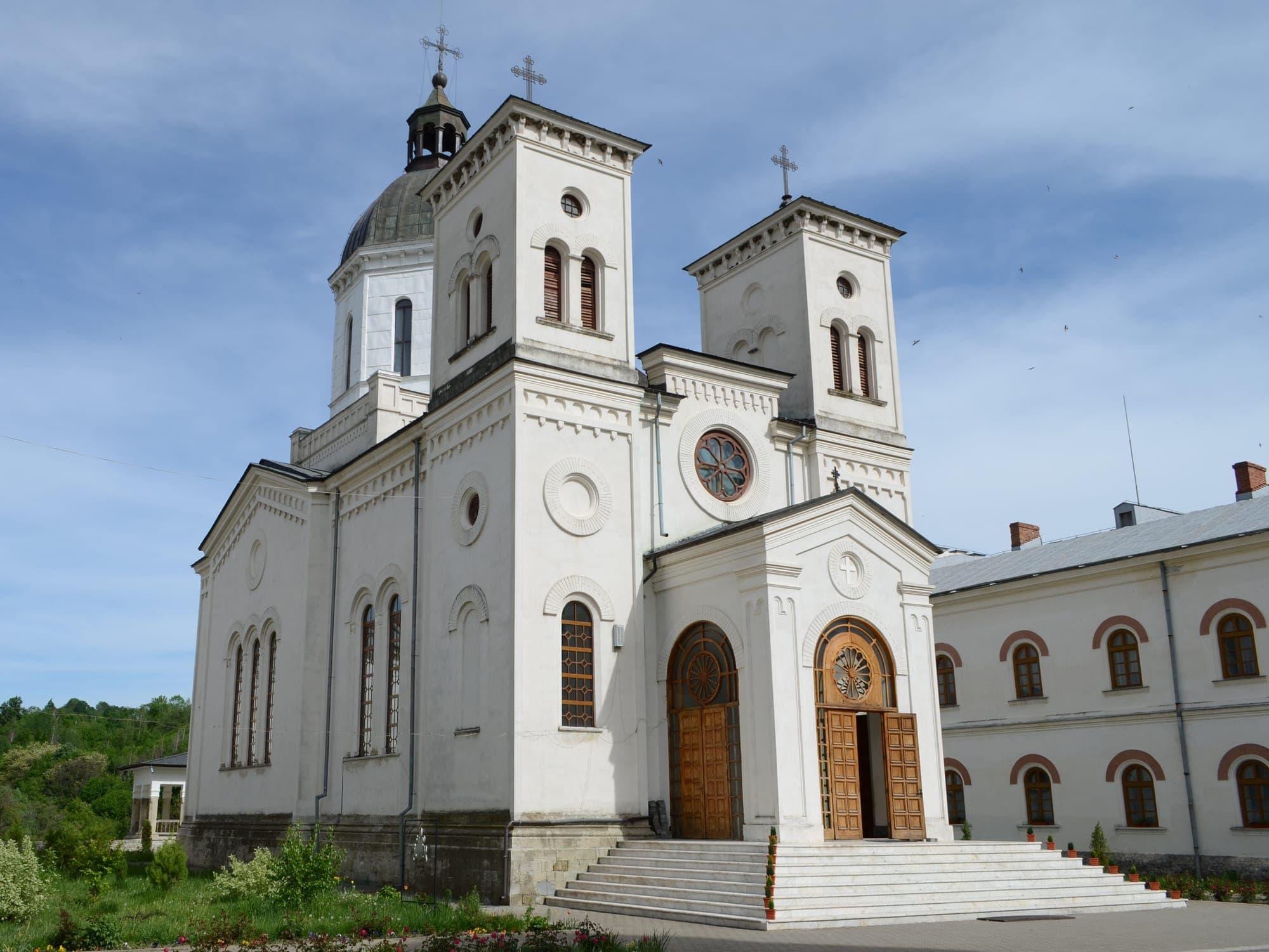
A late 15th-century foundation of the Craiovești boyars at the entrance to the Bistrița Gorges: it keeps the relics of St Gregory the Decapolite and the little infirmary church of 1520–1521.
MonasteriesMonuments and historic sites
A Secession building from 1907–1908 on Piața Unirii in Oradea, with a glass-roofed passage and a stained-glass window of a black eagle, from which it takes its name.
Monuments and historic sitesCastles and palaces
In the centre of Rădăuți, the Church of St Nicholas, founded by Bogdan I around 1360, is the oldest surviving stone church in Moldavia and the resting place of the first Moldavian princes.
MonasteriesMonuments and historic sites
The opera house on Mihail Kogălniceanu Boulevard, built in 1953 to plans by Octav Doicescu, with a portico of three arches and a horseshoe-shaped auditorium.
Monuments and historic sites
The Roman Catholic church on the site of the old Benedictine abbey of Mănăștur: a medieval Gothic choir, a bell tower designed by Károly Kós and earth ramparts of the fortification.
ChurchesMonuments and historic sites
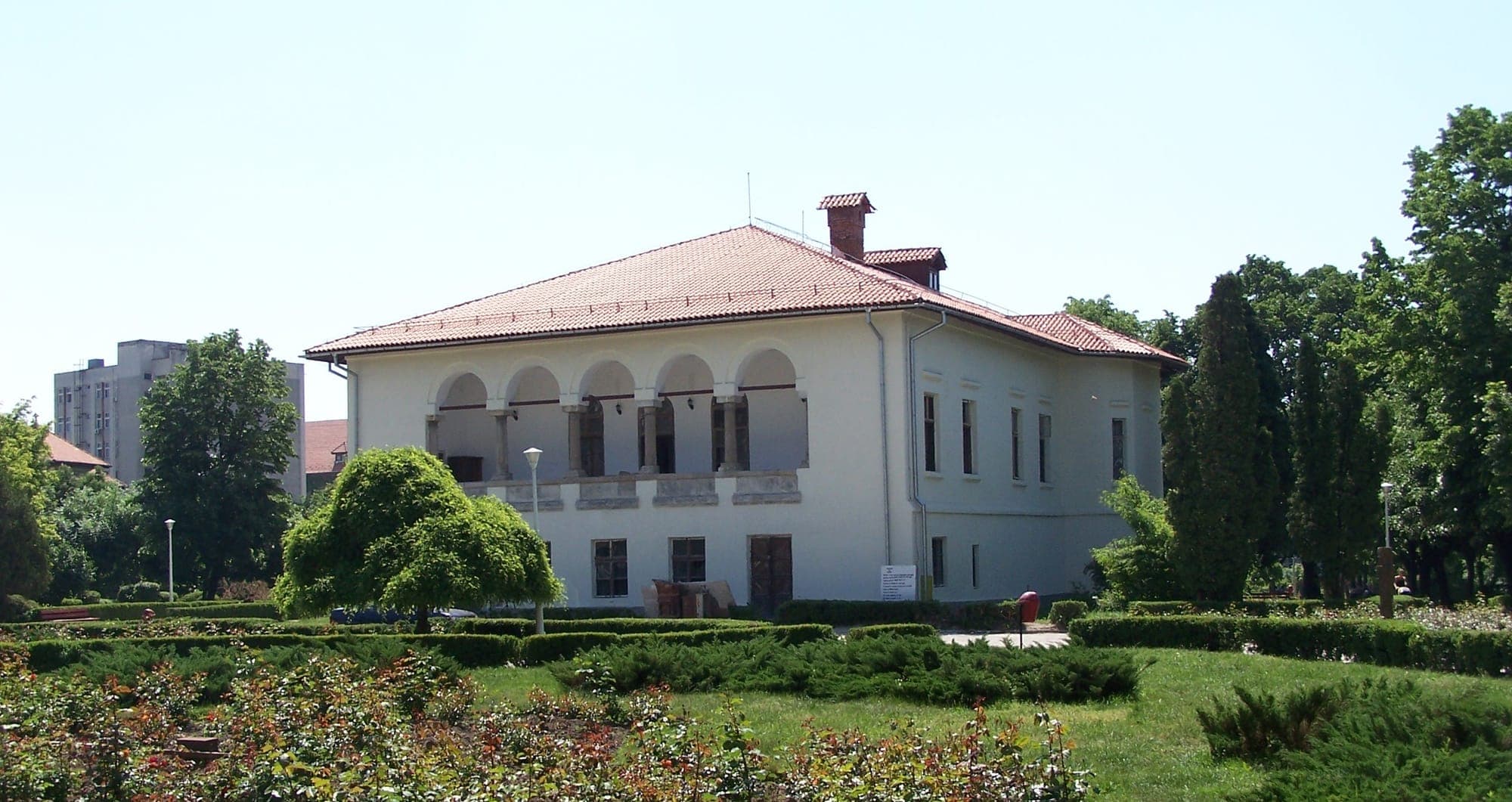
Fortified boyar house in Cartiu, near Târgu Jiu, built around 1760 on the core of a kula and wrapped in timber porches; it now houses a museum of Gorj folk costume.
Fortresses and fortificationsMuseums and memorial housesMonuments and historic sites
The oldest civil building in Craiova, rebuilt by Constantin Brâncoveanu in 1699, is home to the Ethnography Section of the Oltenia Museum.
Museums and memorial housesMonuments and historic sites
One of the oldest cemeteries in Cluj-Napoca, founded in 1585 and spread over 14 sloping hectares: crypts, columns and gravestones of notable Transylvanians.
Monuments and historic sites
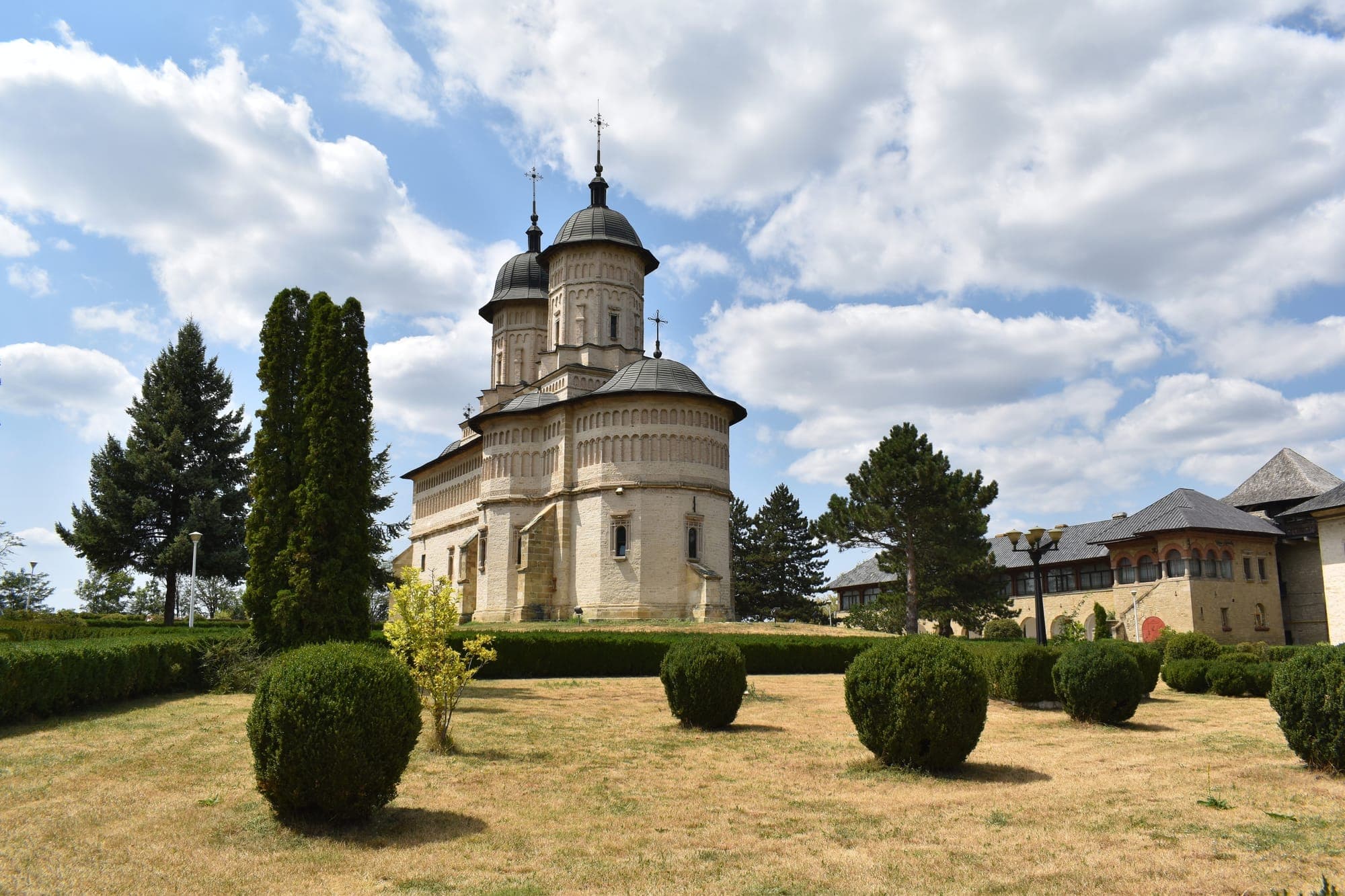
A fortified monastery on a hill in the south of Iași, built by Gheorghe Duca in 1669–1672, with a church modelled on the Three Hierarchs, enclosure walls and a bell tower at the entrance.
MonasteriesMonuments and historic sites
The largest synagogue in Bucharest, built in 1864–1866 in the Moorish style, with a façade of two-coloured brick and a polychrome interior with galleries on two levels; a working place of worship.
Monuments and historic sites
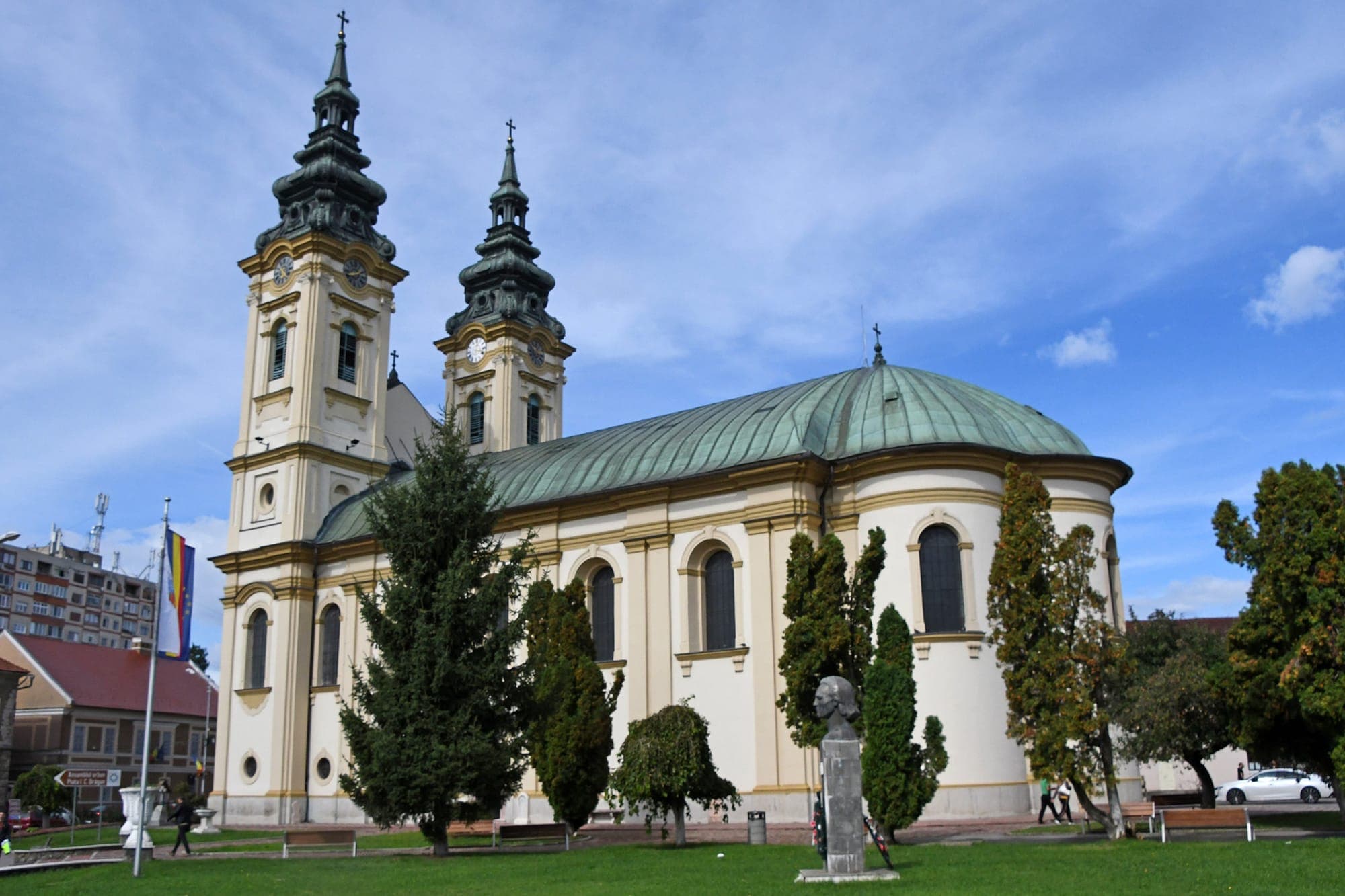
A Baroque church on Piața Victoriei in Lugoj, built in 1759–1766, with two 57 m towers, a single nave and fresco paintings from 1941–1944.
ChurchesMonuments and historic sites