The house in the village of Liveni, rebuilt on the foundations of the one where George Enescu was born in 1881, holds an exhibition on the composer's childhood: the pianino, rugs, photographs and early scores.
The museum on Kiseleff Road holds the 1907 dioramas, the Deinotherium skeleton and over 2 million zoological, palaeontological and mineralogical pieces, in a building inaugurated in 1908.
The Eminovici family house in Ipotești, rebuilt on the foundations of the one from Mihai Eminescu's childhood, with the family's wooden church, his parents' graves and a peasant house holding an ethnographic collection.
Museums and memorial housesMonuments and historic sites
A Renaissance hunting manor of the Counts Kálnoky, begun in 1648, with bastions and rare stucco work, restored and opened in 2017 as the Museum of Transylvanian Life, with guided tours.
The largest surviving piece of Timișoara's bastioned fortress, built by the Austrians in the 1730s and restored with EU funds, now home to the National Museum of Banat.
Fortresses and fortificationsMuseums and memorial houses
The museum of the Memorial of the Revolution Association, in a former military building in Timișoara: clothes and flags from the days of December 1989, a chapel of the hero-martyrs and the only section of the Berlin Wall in Romania.
Museums and memorial housesMonuments and historic sites
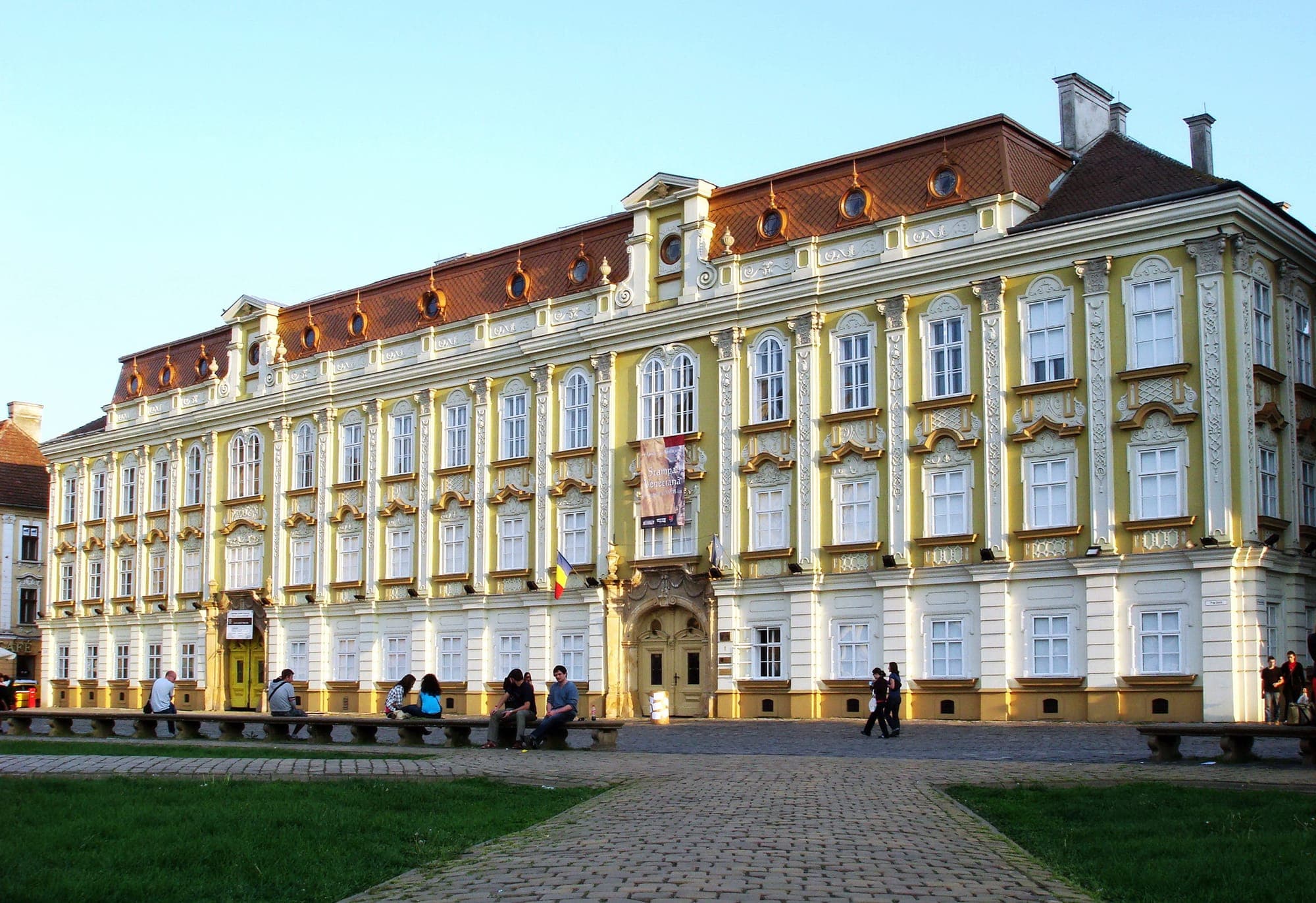
The museum in the Baroque Palace on Union Square holds old European painting, Banat and Romanian art and the Corneliu Baba collection, in a building begun in 1754.
The museum in the Neo-Romanian building on Kiseleff Road, named European Museum of the Year in 1996, keeps over 100,000 objects of peasant art and civilisation.
A red-brick house-museum in Brăila's Public Garden, with manuscripts, signed books and personal belongings of the writer Panait Istrati. It is not his birthplace but a former gardener's house.
The oldest museum in Székely Land, in a building designed by Kós Károly in 1911–1912: history, ethnography, natural sciences and a garden with Székely gates.
Bihor's county museum, housed since its move in the former Royal Cadet School of 1898: archaeology, history, art, ethnography, natural sciences and a vivarium under one roof.
The public aquarium in central Tulcea, with fish from the Danube and the Black Sea, coral reef tanks and a tunnel among sturgeon, plus an exhibition on the Delta's wildlife.
Vaslui County's museum, in a neoclassical palace that was once a prefecture: archaeology, history, art, local figures, plus an astronomical observatory and planetarium.
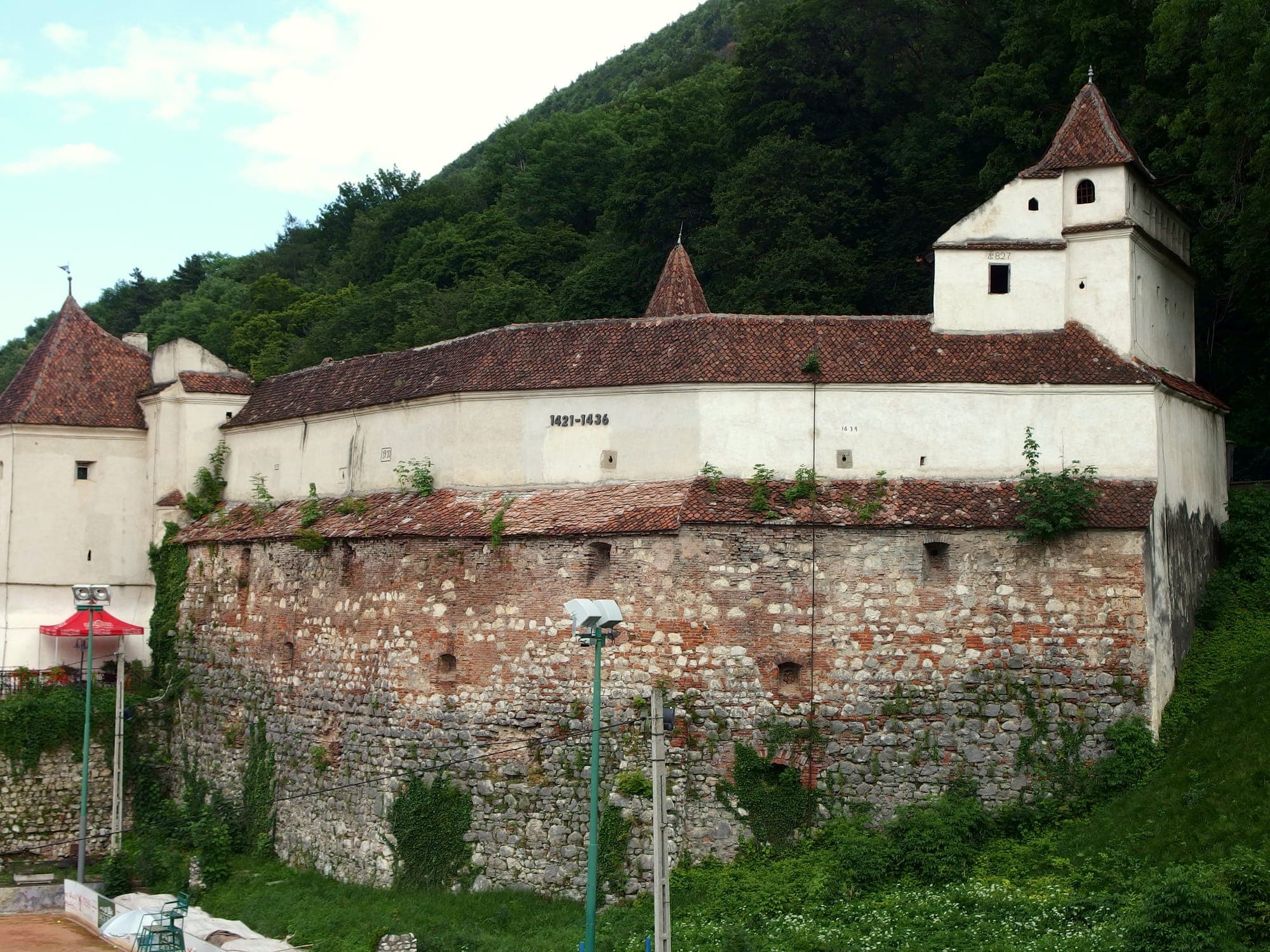
The best-preserved bastion of Brașov's city walls, built by the weavers' guild in the 15th and 16th centuries, with timber galleries on four levels and a model of the medieval town.
Fortresses and fortificationsMuseums and memorial houses