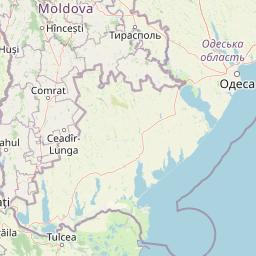
Horezu Monastery
Horezu, VL · 39 km from Râmnicu Vâlcea
Constantin Brâncoveanu's largest foundation, officially Hurezi Monastery: the model ensemble of the Brâncovenesc style, built in 1690–1693 and a UNESCO site since 1993.
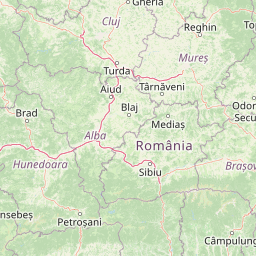
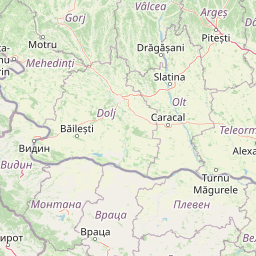
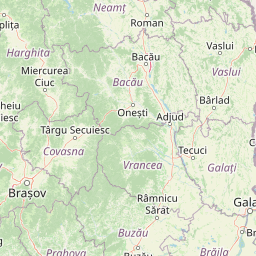
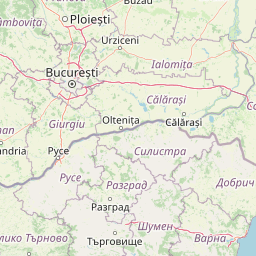
Vâlcea is the county of the Olt Valley: the river enters through the gorge between the Cozia and Căpățânii mountains, passes spa resorts and monasteries and emerges onto the plain south of Râmnicu Vâlcea, the county seat. The north is mountainous, with the Lotru and Parâng mountains, the middle is sub-Carpathian, with hills, orchards and the salt of Ocnele Mari, and Horezu is famous for its painted pottery. Mineral waters and monasteries – Cozia, Bistrița, Arnota, Dintr-un Lemn – set the tone for the tourist attractions in Vâlcea County.
The Olt Gorge is the way in from Sibiu, with Lotrișor Waterfall a short walk from the road. Down the valley comes Călimănești-Căciulata, with its springs, and further south Băile Olănești and Băile Govora are quieter spa resorts. Horezu Monastery, a Brâncoveanu foundation inscribed on the UNESCO World Heritage List, and Ocnele Mari Salt Mine complete the list, while the Lotru Valley leads to Voineasa and Lake Vidra.
30 results
Constantin Brâncoveanu's largest foundation, officially Hurezi Monastery: the model ensemble of the Brâncovenesc style, built in 1690–1693 and a UNESCO site since 1993.

A working salt mine near Râmnicu Vâlcea that you enter by bus through a tunnel: huge galleries with swirling salt walls, sports courts, an ice rink and the country's largest underground church.

Mircea the Elder's foundation on the banks of the Olt, consecrated in 1388: the Holy Trinity church, with stone-and-brick façades, a Brâncovenesc porch and the prince's tomb in the narthex.

A spa resort in the Olt Valley, where the river leaves the Cozia Mountains: sulphur springs known since the 19th century, the Central Pavilion of 1886 and thermal pools open all year round.

Olari Street in Horezu, lined with family workshops where red clay is thrown on the wheel and painted with roosters, spirals and the tree of life; a craft inscribed by UNESCO as intangible heritage in 2012.

The 47 km gorge by which the Olt crosses the Carpathians: on the DN7, between Boița and Călimănești, the road follows the river past Cozia Monastery. A busy through route, not a leisure drive.

A waterfall of about 30 m in Cozia National Park, where the stream bursts out of a tunnel cut through the rock; reached on foot along a gentle forest road through the Lotrișor Gorge.

The DN7A climbs 108 km from Brezoi up the Lotru valley, through Voineasa and past Lake Vidra to Obârșia Lotrului, then crosses the Groapa Seacă Pass and drops through the Jieț Gorge to Petroșani.

A Roman fort from AD 138 on the left bank of the Olt at Bivolari, next to Cozia Monastery, with a reconstructed praetorian gate and a component of the UNESCO site "Frontiers of the Roman Empire – Dacia".
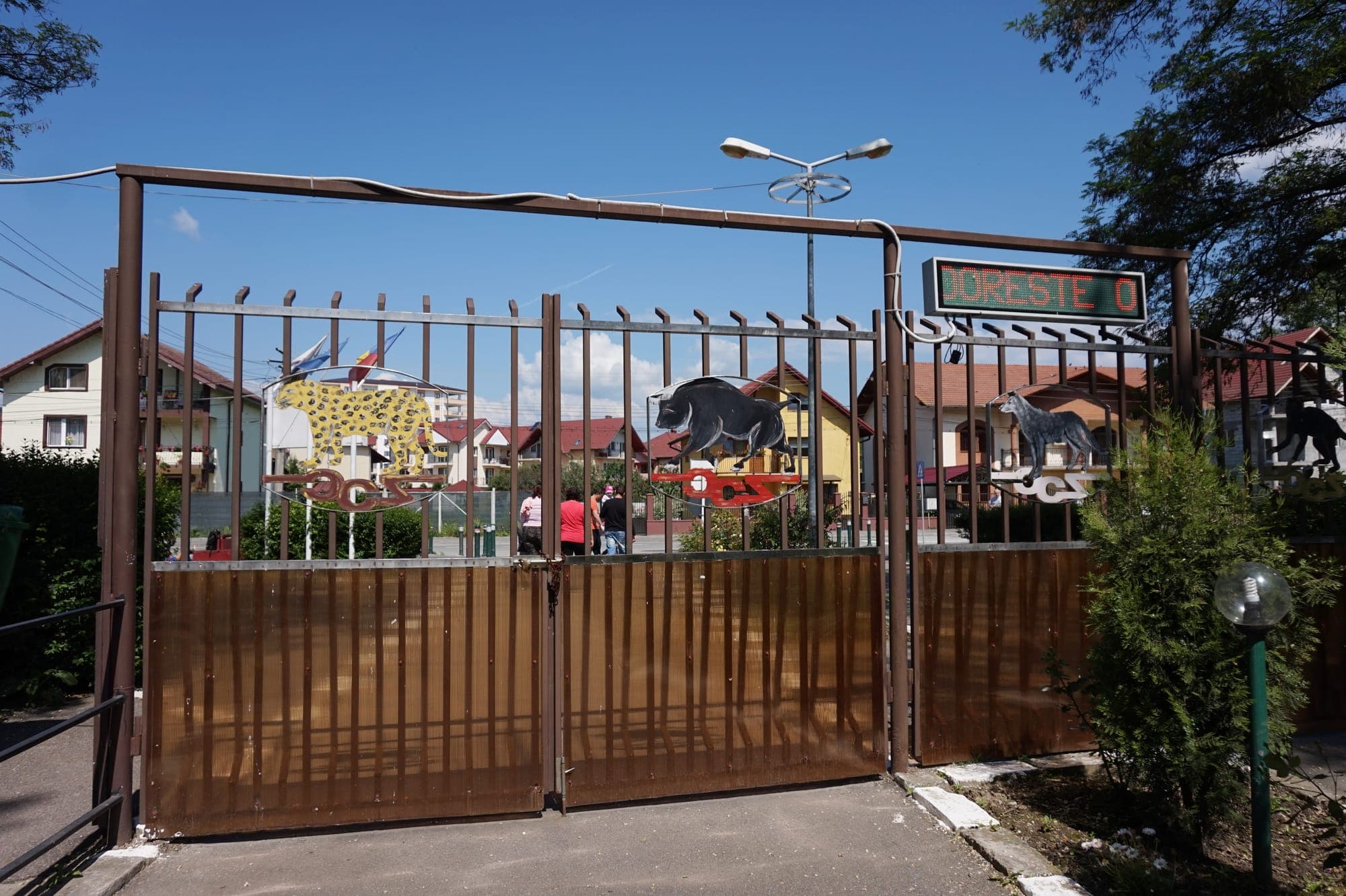
The zoo in Ostroveni brings together native and exotic animals, an aquarium and terrarium, and paths for a family walk in the south of the city.

A geological reserve on the edge of the DN 67, near Horezu: dozens of trovants, the rounded sandstone “living stones”, emerging from the sand of a former quarry at Costești.

A wooden church of 1664, founded by Metropolitan Stephen I, standing on a high limestone plinth with Cyrillic inscriptions on its outer walls, at the edge of a fir forest.

One of the oldest wooden churches south of the Carpathians, dated by inscription to 1556–1557, very small and unpainted, with an iconostasis decorated with designs scratched into the wood.
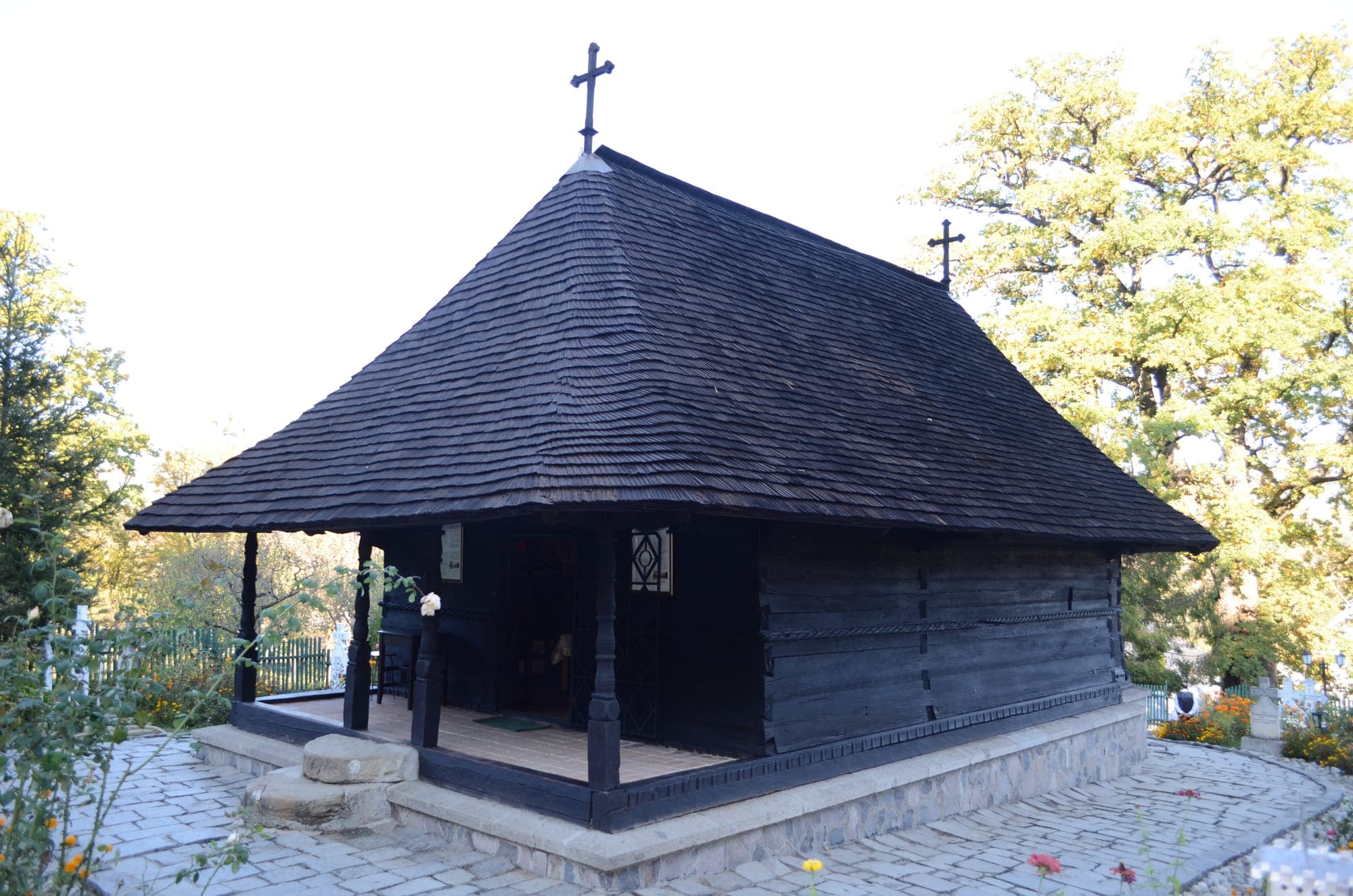
A convent in Vâlcea named after the legend of a church carved from a single oak: the little wooden church in the cemetery and Matei Basarab's stone church, with its icon of the Mother of God.
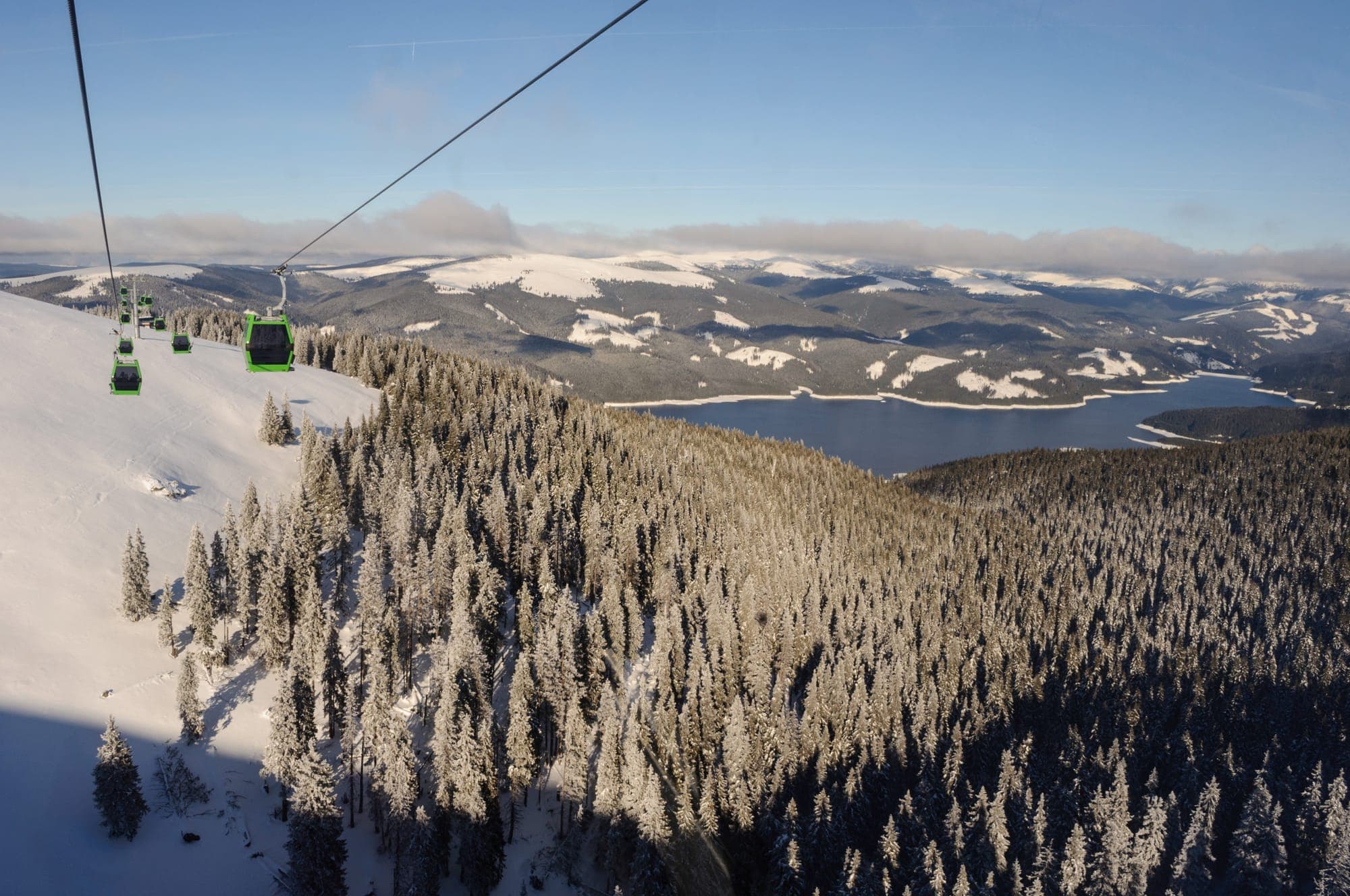
A ski area by Lake Vidra, in Voineasa commune: a gondola through spruce forest from 1,350 to 1,800 m, slopes on the open alpine ground up to Bora Peak at 2,000 m, and gondola rides in summer.