Top 20Bran Castle
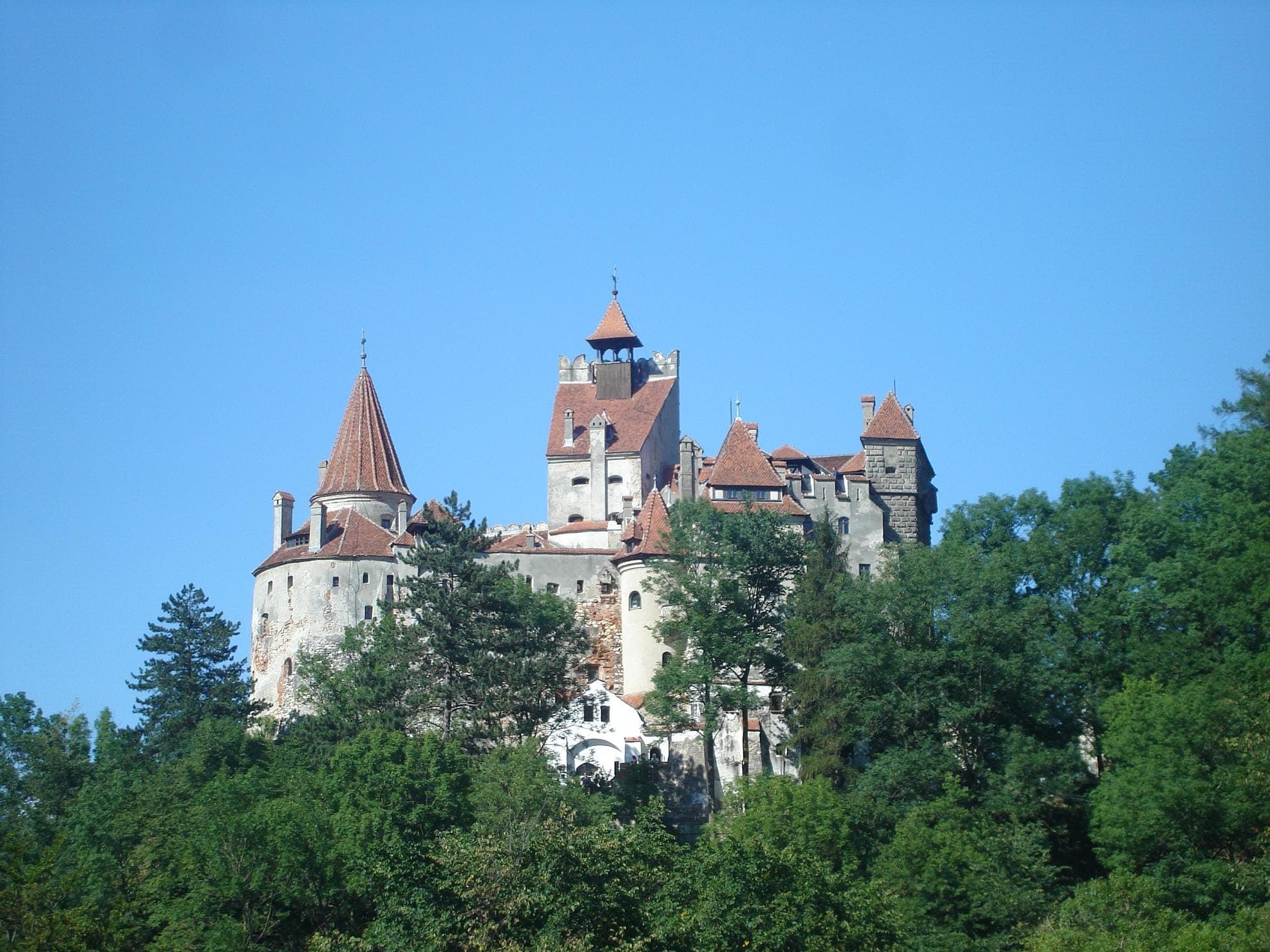
A medieval fortress built by the people of Brașov on a rock in the Bran Pass, later Queen Marie's summer residence and known around the world as “Dracula's Castle”.
Top 20A medieval fortress built by the people of Brașov on a rock in the Bran Pass, later Queen Marie's summer residence and known around the world as “Dracula's Castle”.
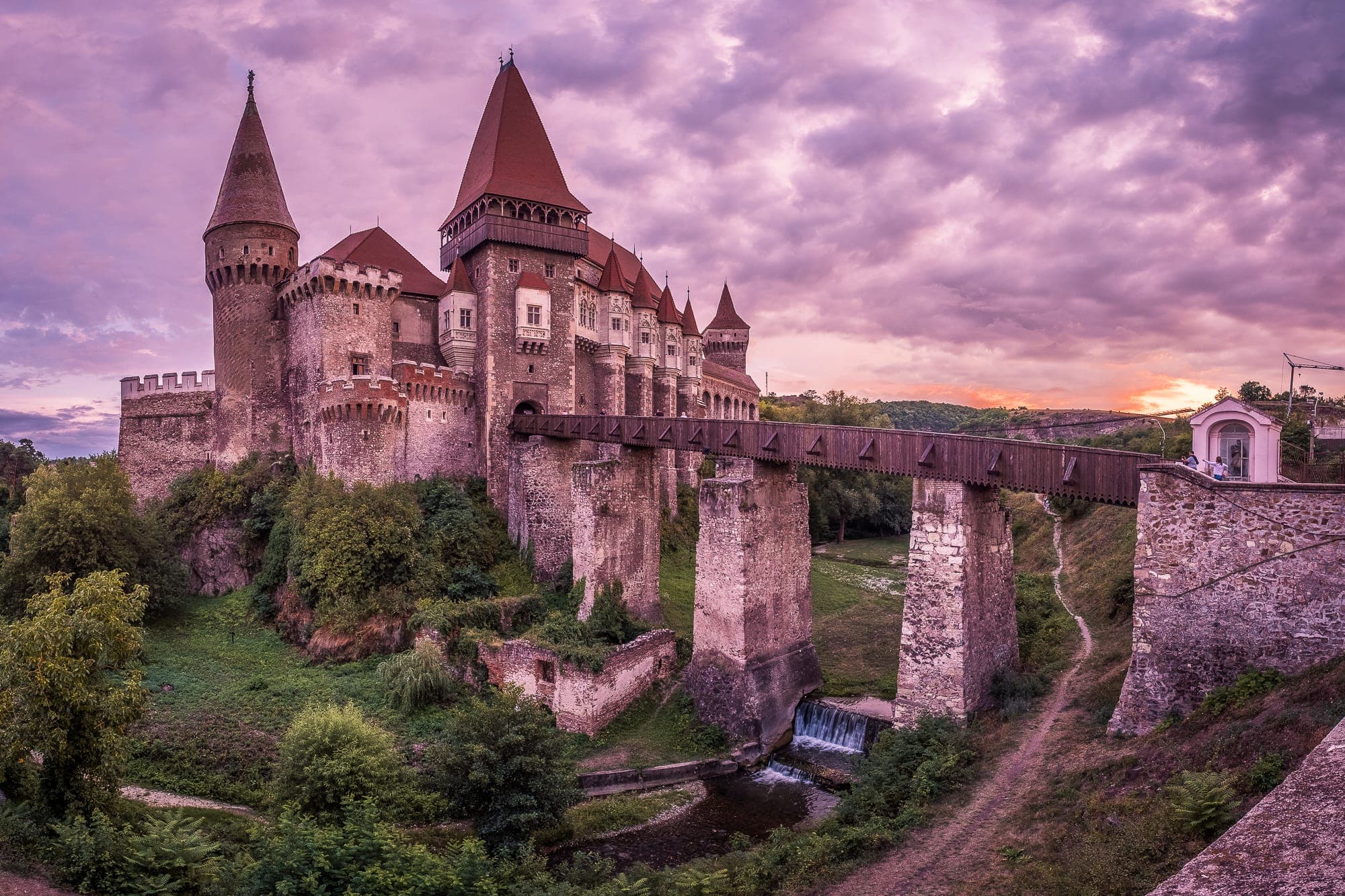
Top 20John Hunyadi's Gothic residence, on a rock above the Zlaști river and reached by a long bridge on stone piers; inside, vaulted halls and towers from the 15th century.
Top 20A salt mine worked from the Middle Ages until 1932 and turned into a spectacular underground park: a Ferris wheel, a lake with rowing boats, an amphitheatre and salt walls 120 m below ground, near Cluj.
Top 100The Baroque palace of Governor Samuel von Brukenthal on Sibiu's Great Square has housed Romania's oldest museum since 1817: a gallery of European painting with van Eyck, Titian and Bruegel.
Top 100Romania's largest open-air museum, in the Dumbrava forest outside Sibiu: over 300 houses, mills, workshops and wooden churches brought from across the country, along ~10 km of paths.
Top 100Transylvania's largest Baroque aristocratic residence, gutted in 1944 and being brought back to life by an award-winning training site; neo-Gothic façade, lapidarium and an exhibition on Miklós Bánffy.
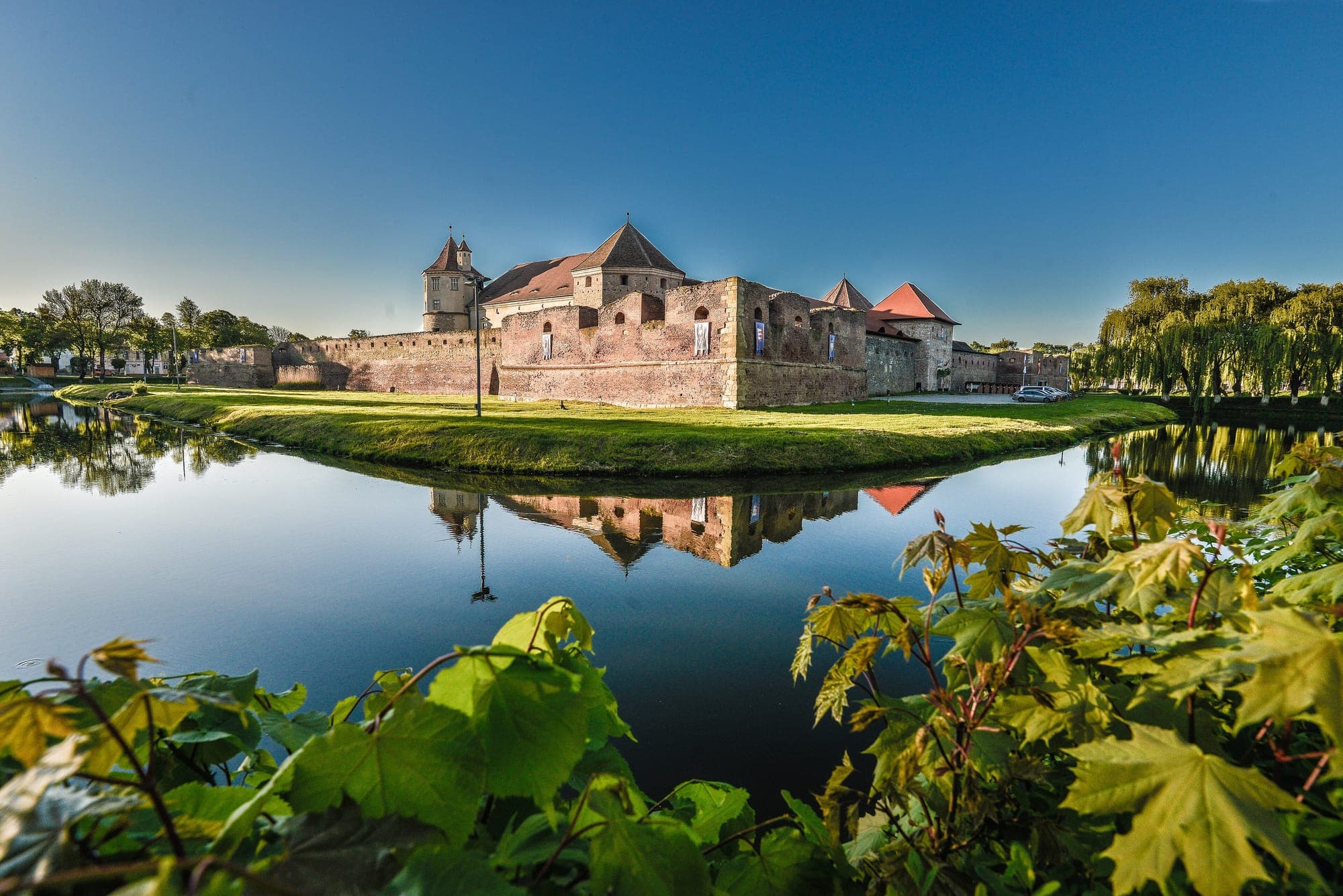
Top 100A moated, bastioned fortress in the centre of Făgăraș, seat of the princes of Transylvania in the 17th century and now home to the Făgăraș Land Museum.
Top 100A medieval peasant fortress on a rocky hill above Râșnov, looking out to the Bucegi and Piatra Craiului mountains; the upper enclosure is under restoration, but the Fortress Garden and Báthory Tower are open.
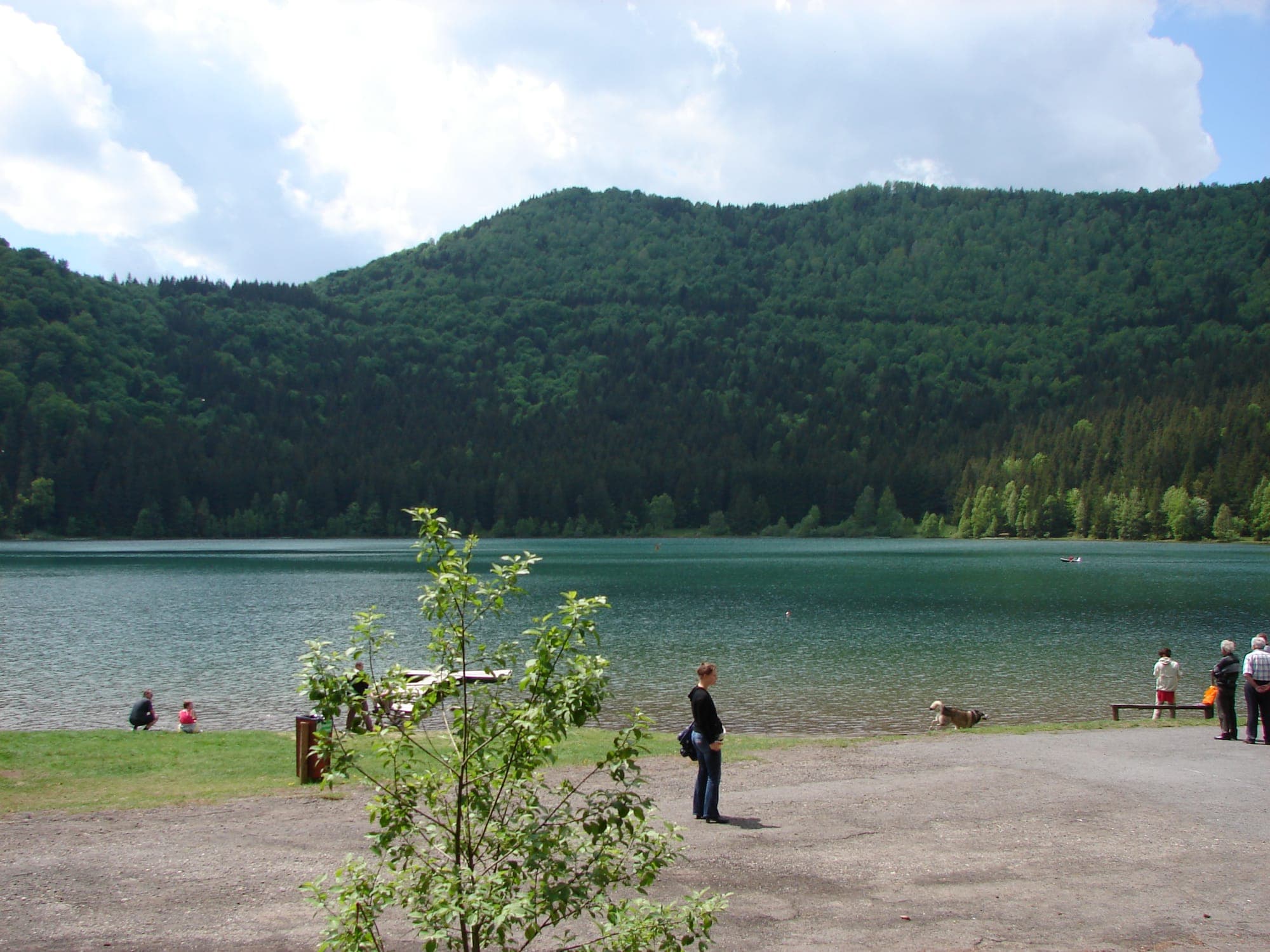
Top 100Romania's only volcanic lake: an almost round sheet of water in the Ciomatu crater, ringed by forest, with a Catholic chapel on the shore and the Mohoș peat bog in the neighbouring crater.
Top 100A masterpiece of Transylvanian Secession architecture, completed in 1913, with a gold-ground mosaic façade, the Hall of Mirrors and its 12 stained-glass windows, a concert hall with an organ and the Mureș County Museum's art galleries.
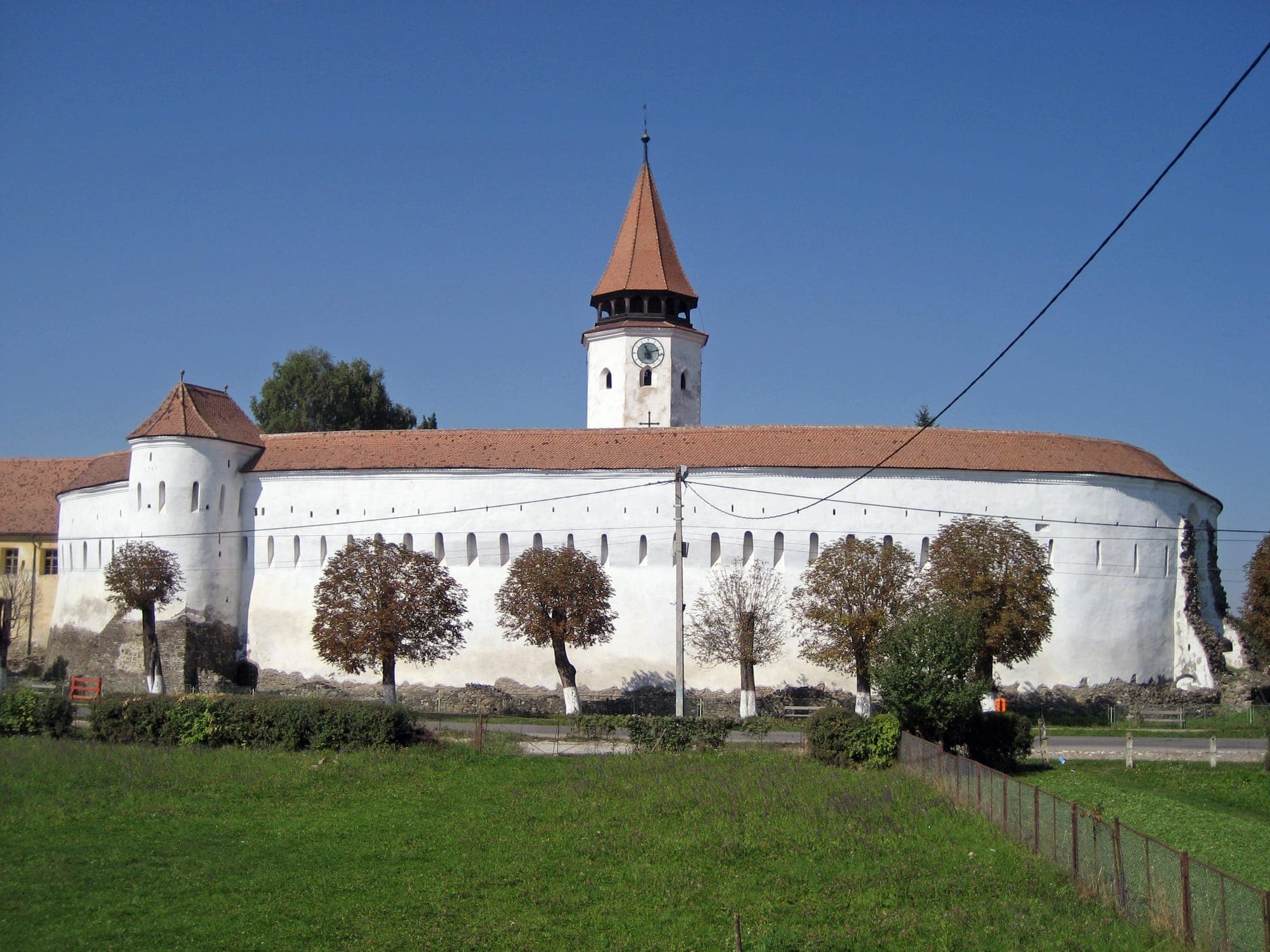
Top 100One of the largest Saxon fortified churches: a Gothic church on a cross-shaped plan, ringed by an oval wall with over 270 refuge rooms reached by timber galleries.
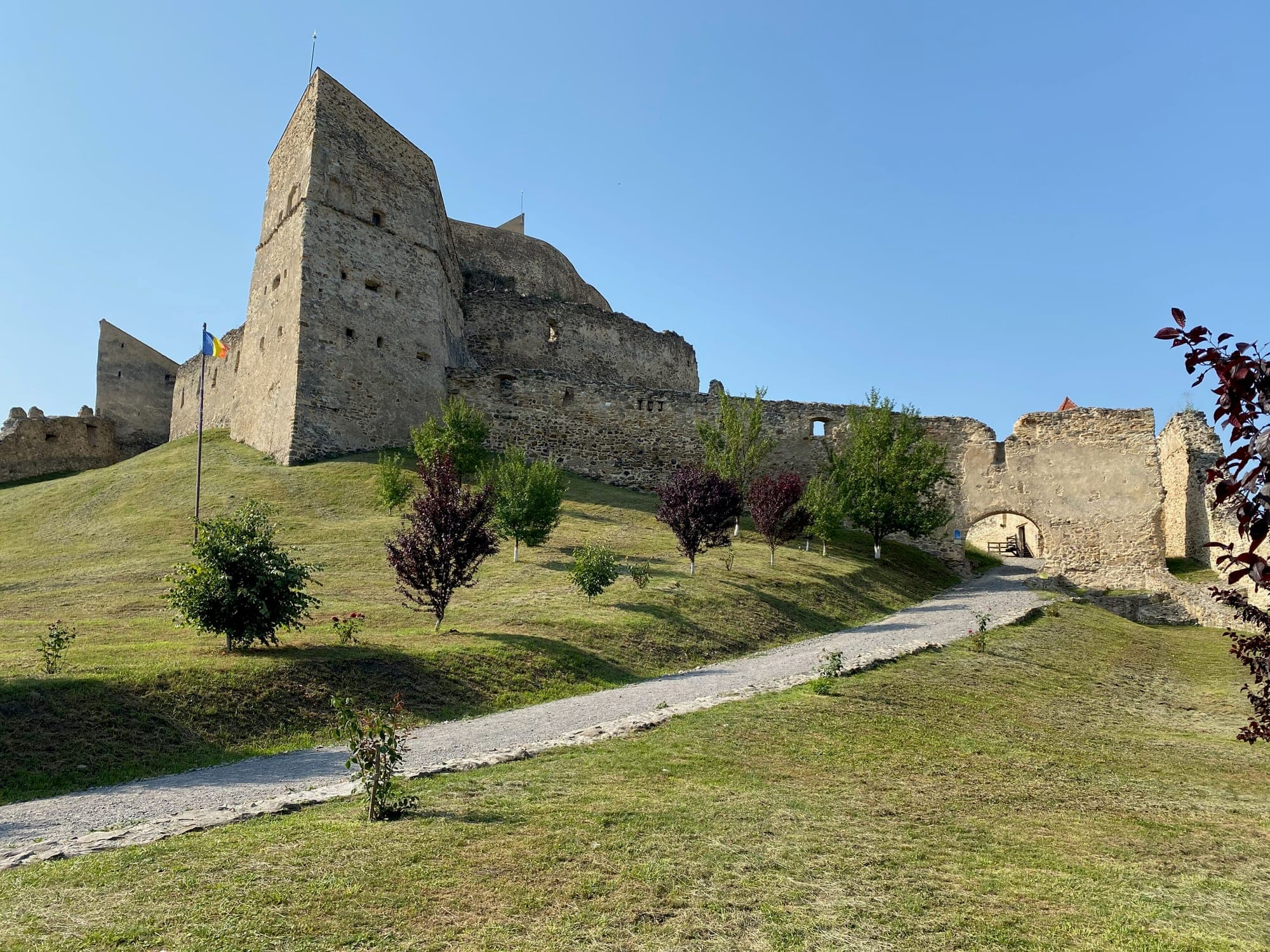
Top 100A Saxon peasant fortress climbing in tiers up a basalt hill above the town of Rupea, first recorded in 1324 and restored in 2010–2013, with wide views over the Transylvanian hills.
Top 100The capital of the Dacian kingdom, hidden in the beech forests of the Orăștie Mountains: the walls of Decebalus's fortress, the paved road and the sacred area with andesite and limestone sanctuaries, a UNESCO site.
Top 100A small white church on the hill above the village, grown from a 12th-century Romanesque chapel and ringed by walls, towers and grain galleries, in a Saxon village that has survived almost intact.

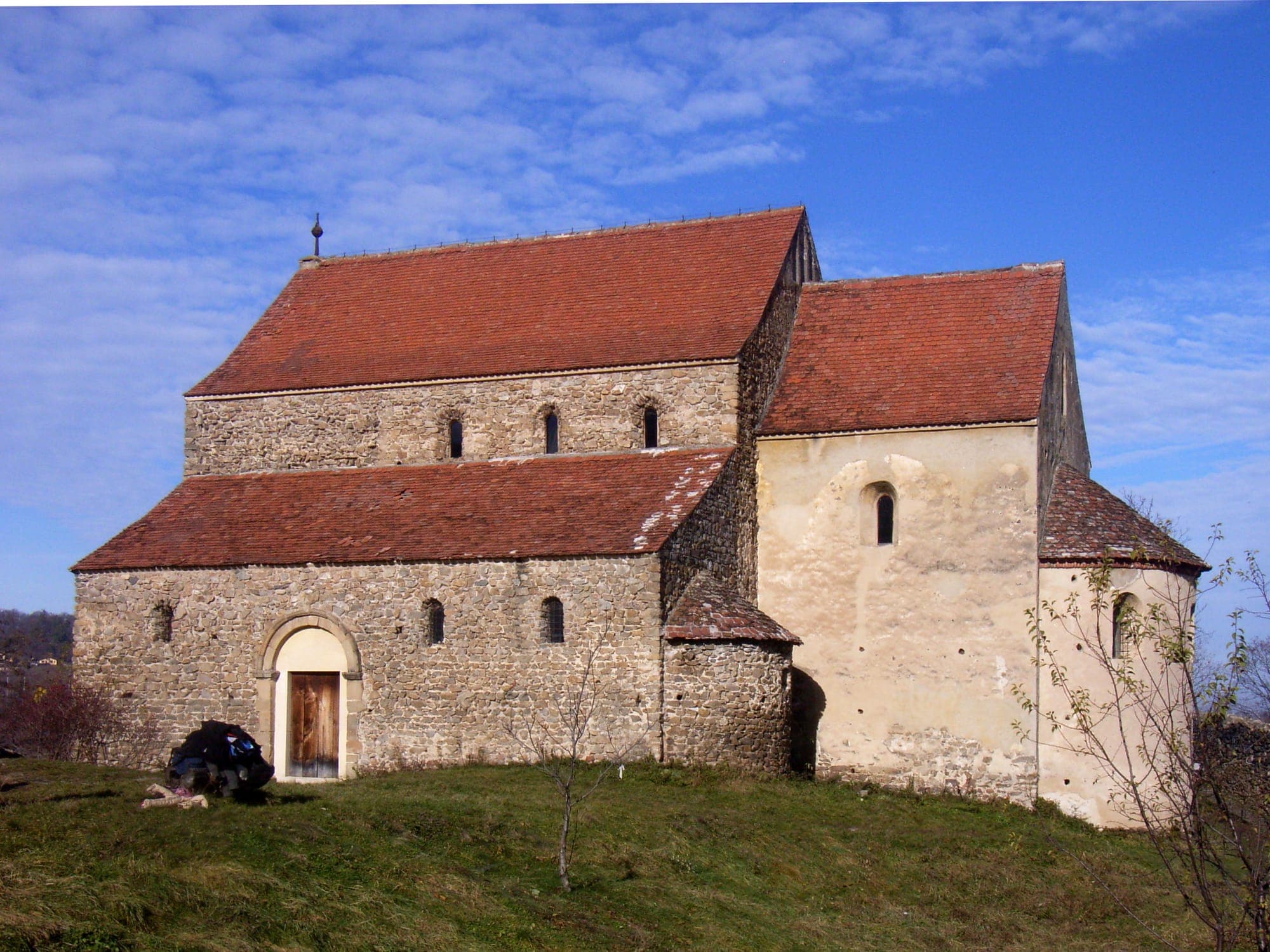
A Romanesque basilica from the turn of the 12th and 13th centuries, left almost unaltered, on the rocky top of St Michael's Hill, ringed by a defensive wall and looking out to the Făgăraș Mountains.
Top 20
Top 20
Top 20
Top 100
Top 100
Top 100
Top 100
Top 100
Top 100
Top 100
Top 100
Top 100
Top 100
Top 100