
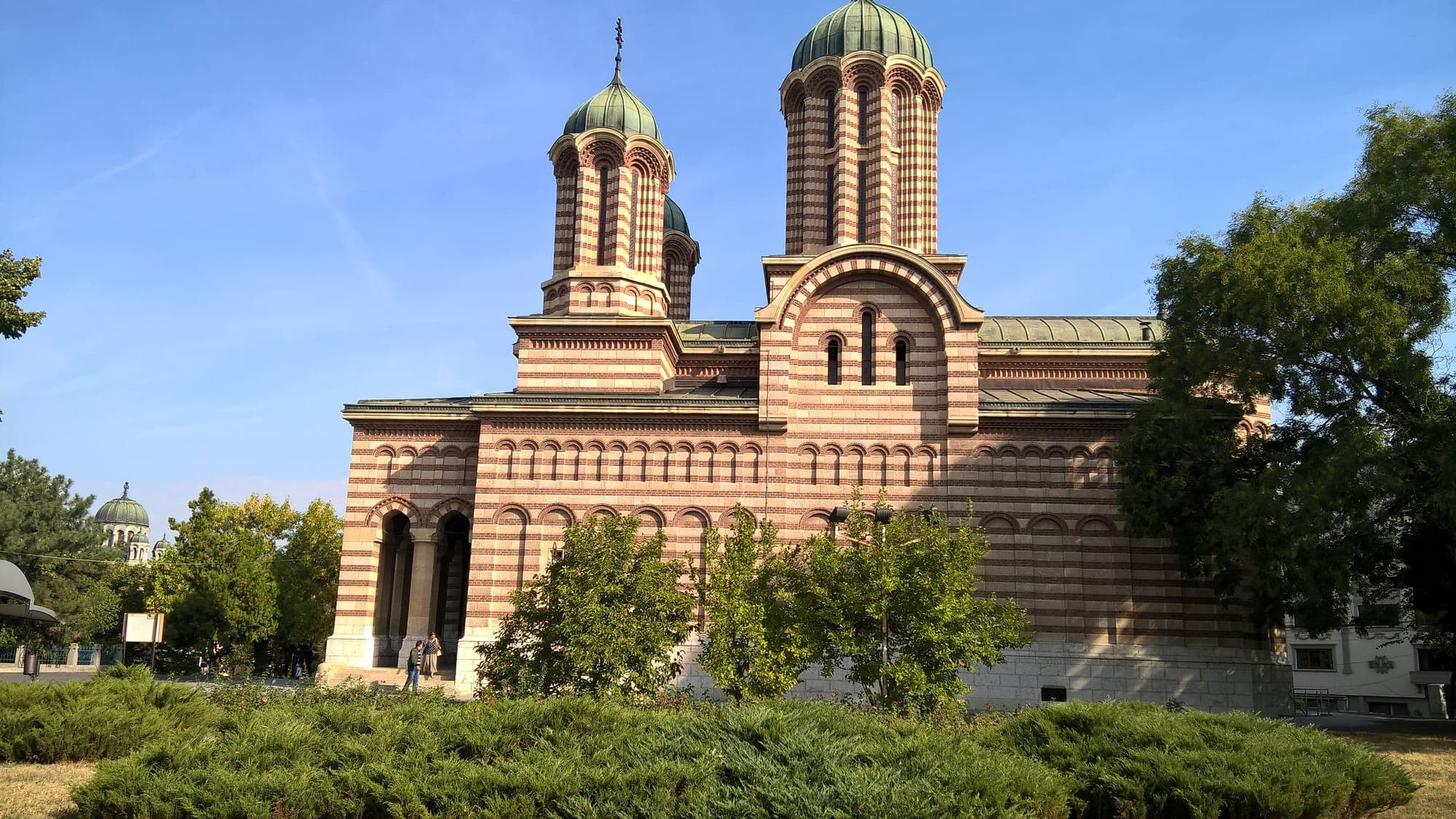
Saint Demetrius Metropolitan Cathedral
Craiova, DJ
Craiova's Princely Church, rebuilt from its foundations in 1889–1933 on the site of Matei Basarab's foundation, has been the cathedral of the Metropolis of Oltenia since 1939.
908 results
Craiova's Princely Church, rebuilt from its foundations in 1889–1933 on the site of Matei Basarab's foundation, has been the cathedral of the Metropolis of Oltenia since 1939.

A wooden church moved twice, with a tall bell-tower spire and folk-style painting, in the grounds of Dragoslavele Hermitage on the hill north of the village.

A small wooden church of around 1752, with a tall tower and a shingle spire, in a village cemetery in the Beiuș Land, with traces of painting by David Zugravul.
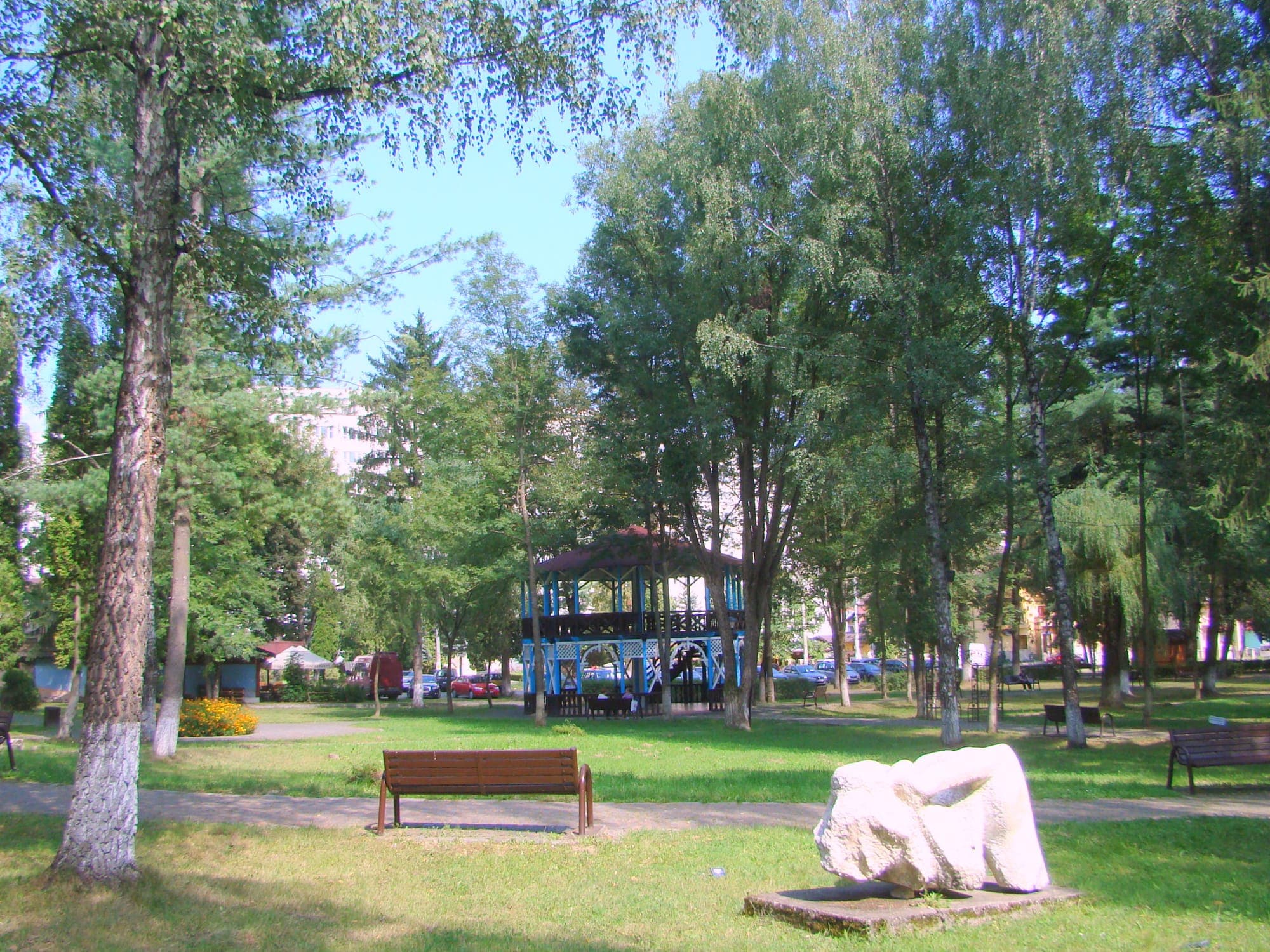
A spa resort at the foot of the Rodna Mountains, with numbered mineral springs, a park, the large 1970s hotels and Villa 1, an interwar villa that is a listed monument.

A Saxon church fortress in the Burzenland, on the edge of Brașov: a Neoclassical church from 1794, an inner wall preserved in full with five towers, and a medieval chapel with frescoes from around 1400.
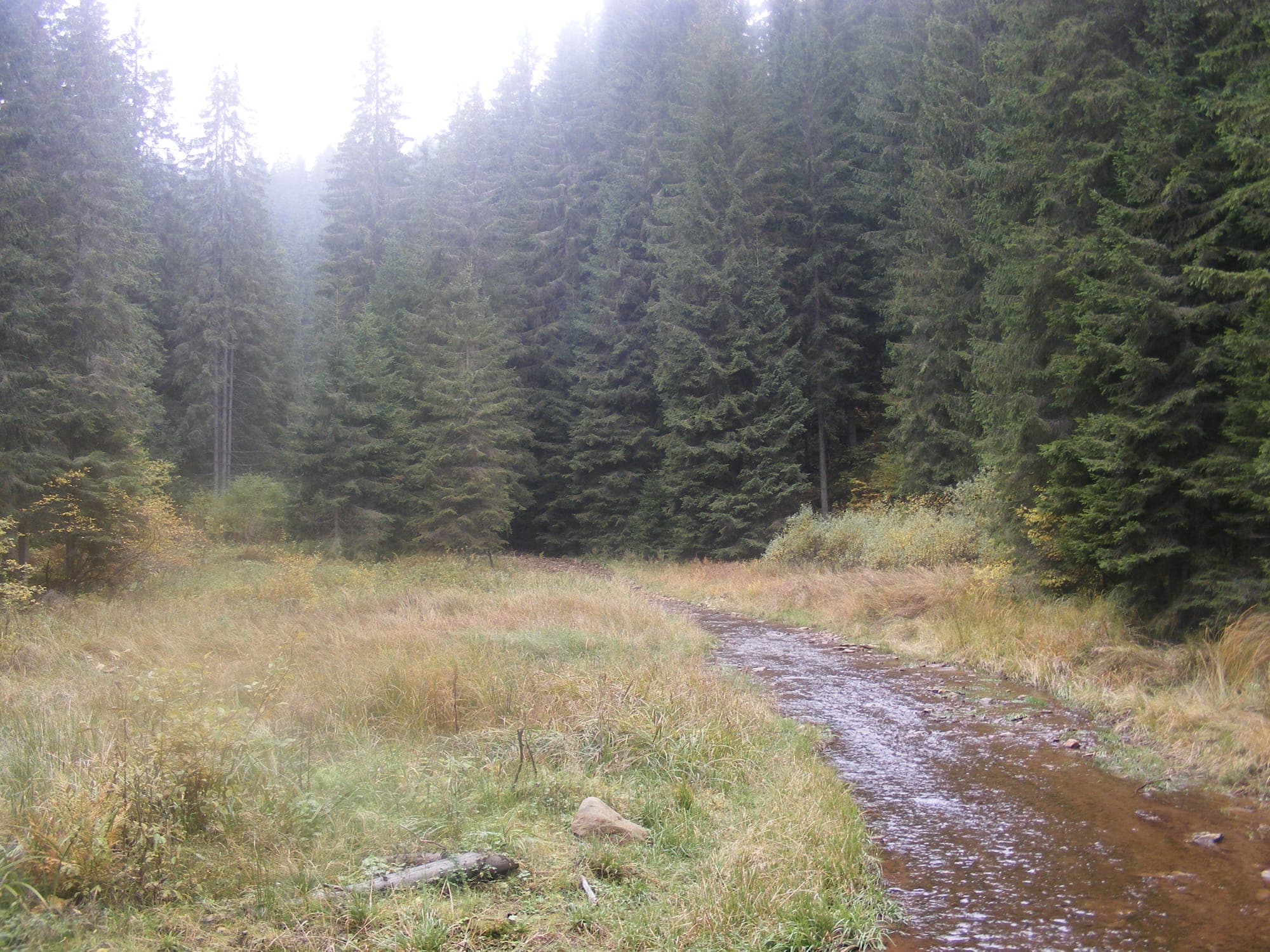
A mountain holiday settlement above 1,200 m in the southern Harghita Mountains, known for its carbon dioxide mofettes, mineral springs, a small wooden chapel and forest trails.

A convent in Săpânța, built from 1997 in memory of the old Peri Monastery across the Tisza, with an oak church ~75 m high, regarded as the tallest wooden church.
A wild waterfall on the Ieduțul stream, hidden among ferns and fir trees above the Iad Valley, a quarter of an hour's walk through the forest from the road between Stâna de Vale and Lake Leșu.
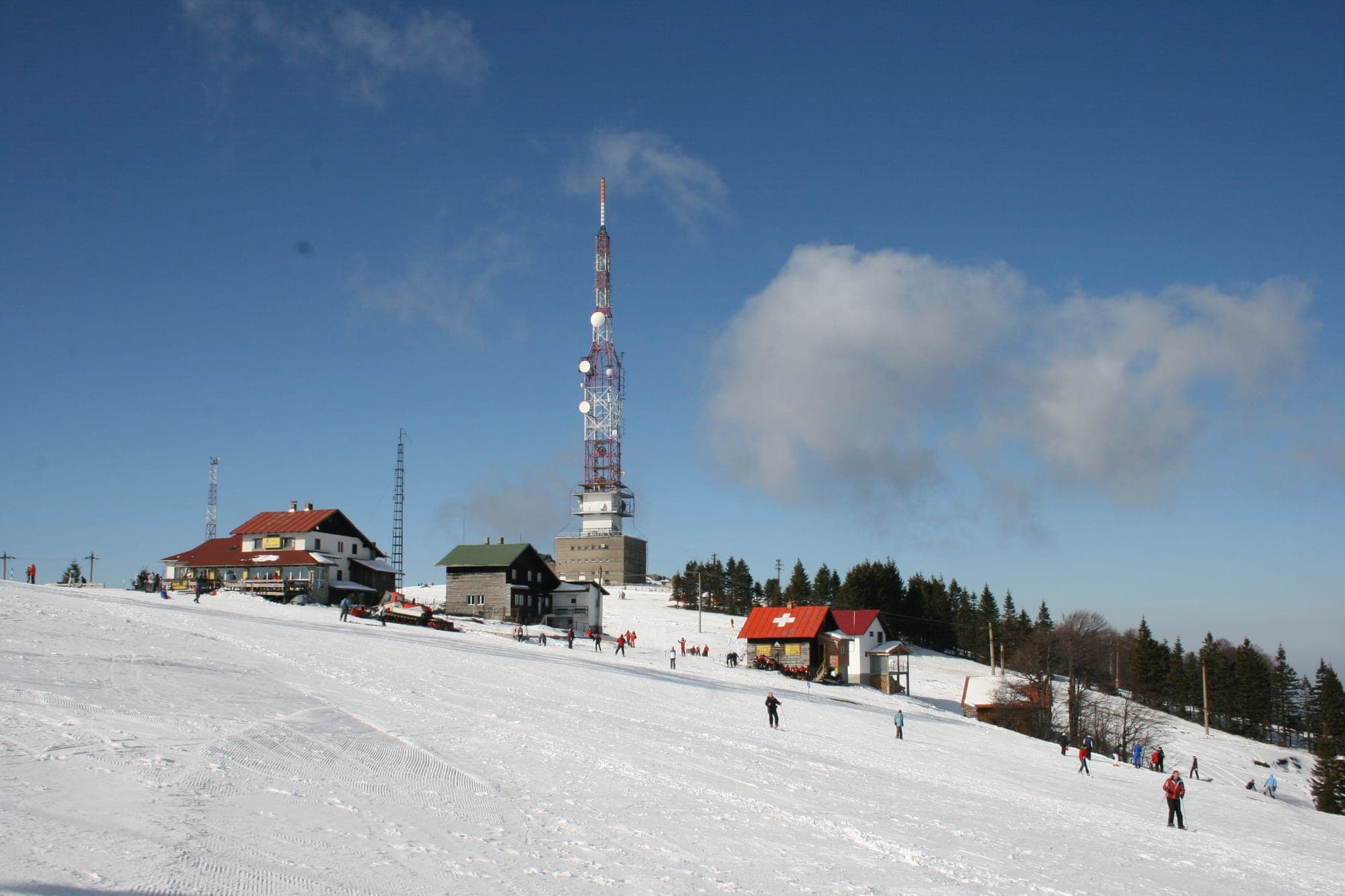
A mountain resort at about 1,400 m on the plateau of the Semenic Mountains, beneath Piatra Goznei Peak: slopes with drag lifts in winter, hiking in the Semenic – Caraș Gorge National Park in summer.
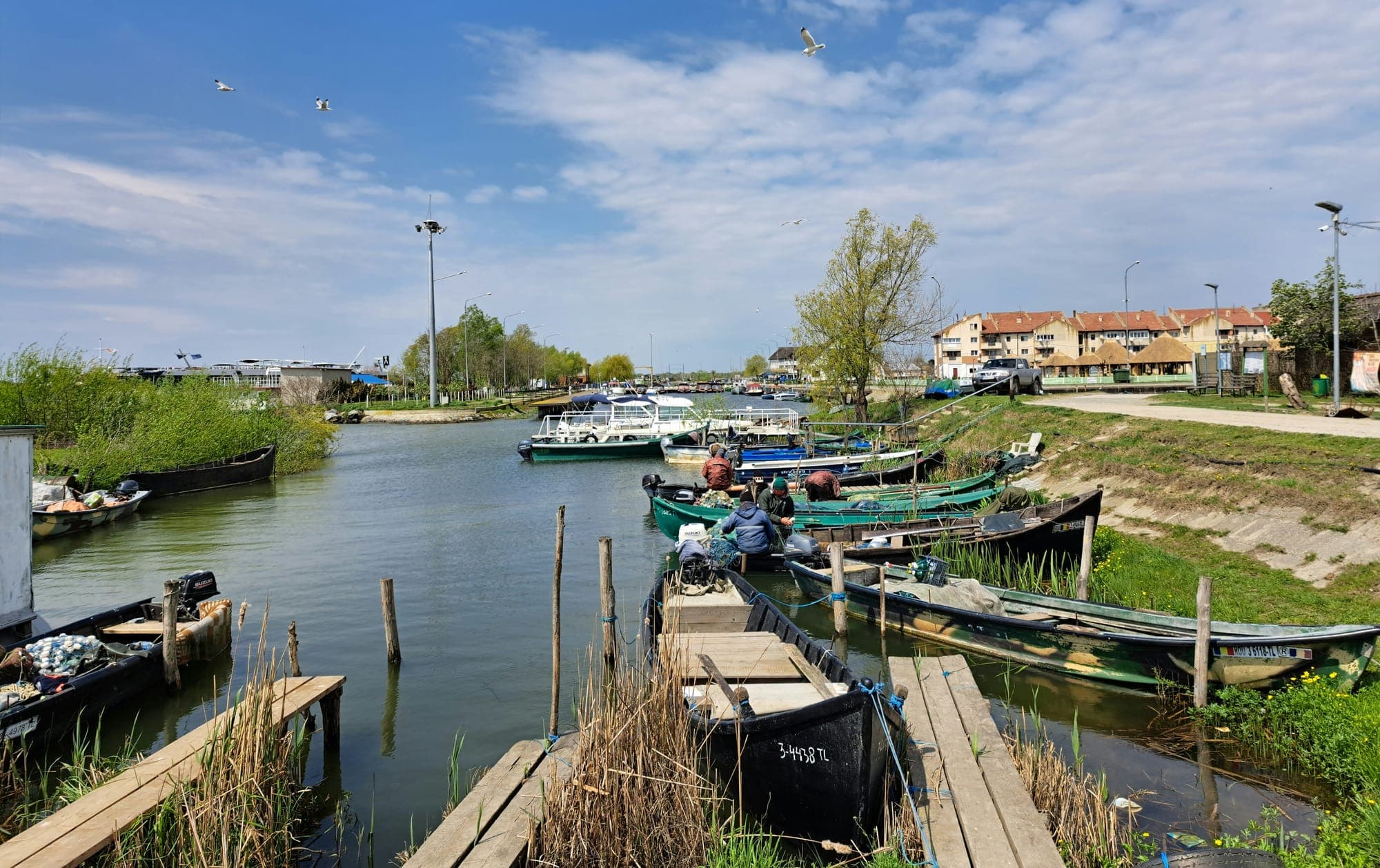
A fishing village where the Sfântu Gheorghe arm meets the Black Sea, with no road in: you arrive by water, and the village has its church, the 1967 lighthouse and a 30 km beach 2 km away.

A hermitage of monks hidden among the crags of the Neamț mountains, with a wooden church of 1813 and the cave where St Theodora of Sihla lived as a recluse.

A fortified monastery raised by Alexandru Lăpușneanu in the 1550s, with a perimeter wall and towers, a princely necropolis of Moldavia and today a convent of nuns.

The Lutheran church in the centre of Mediaș, late Gothic and enclosed in a fortress with walls and towers; its leaning tower, with a five-pointed spire, is the town's emblem.

A small convent in the Old Town with a Brâncoveanu-style church from 1724, façades painted with saints in medallions, an arcaded courtyard and a lapidary of stones from vanished Bucharest churches.

An open-air museum inside the CFR depot in Sibiu, opened in 1994: dozens of steam locomotives from 1885 to the 1950s, mainline and narrow-gauge, plus snow ploughs and cranes.



