

Știrbei Palace
București
A Neoclassical palace on Calea Victoriei, built around 1835 to plans by Michel Sanjouand, with a façade decorated with caryatids; since 2025 it has housed the luxury store TOFF Galleries.
908 results
A Neoclassical palace on Calea Victoriei, built around 1835 to plans by Michel Sanjouand, with a façade decorated with caryatids; since 2025 it has housed the luxury store TOFF Galleries.

The oldest museum in Székely Land, in a building designed by Kós Károly in 1911–1912: history, ethnography, natural sciences and a garden with Székely gates.
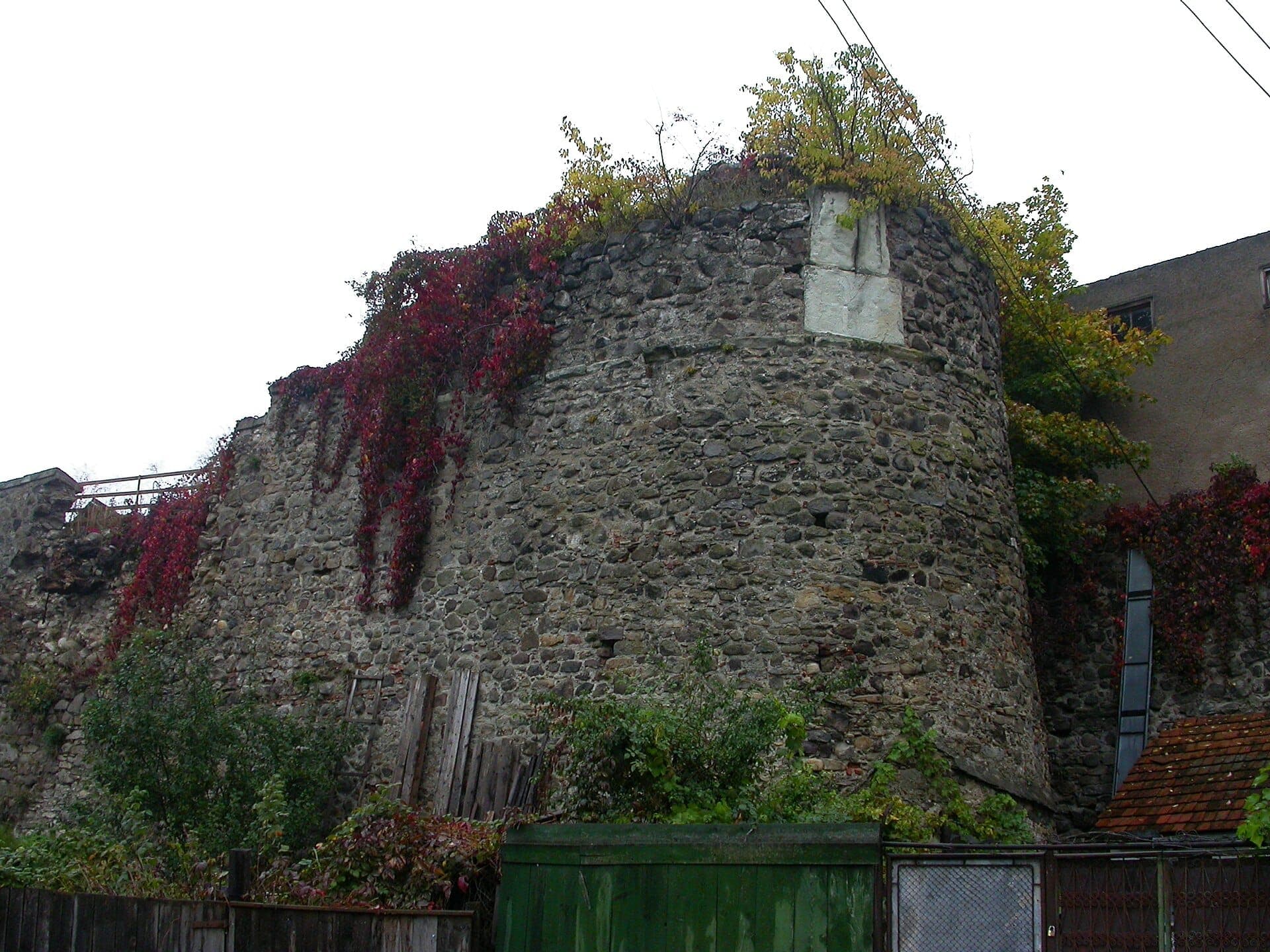
The walls and bastions of a Renaissance fortress survive on Tompa László Street in the old town of Odorheiu Secuiesc.

A 19th-century manor in Câmpia Turzii, restored with PNRR funds and opened to the public in 2026 as a cultural tourism centre, with exhibitions and the Metallurgy House in the basement.

The zoo on the Cornești Plateau, open since 1964 and now spread over 42 hectares of forest, with elephants, giraffes, gibbons, tigers, lions and bears, the largest in Romania by area.
Salt lakes formed over the old salt mines of Telega, near Câmpina: in summer you swim in water holding almost 277 g of salts per litre. The mine galleries cannot be visited.
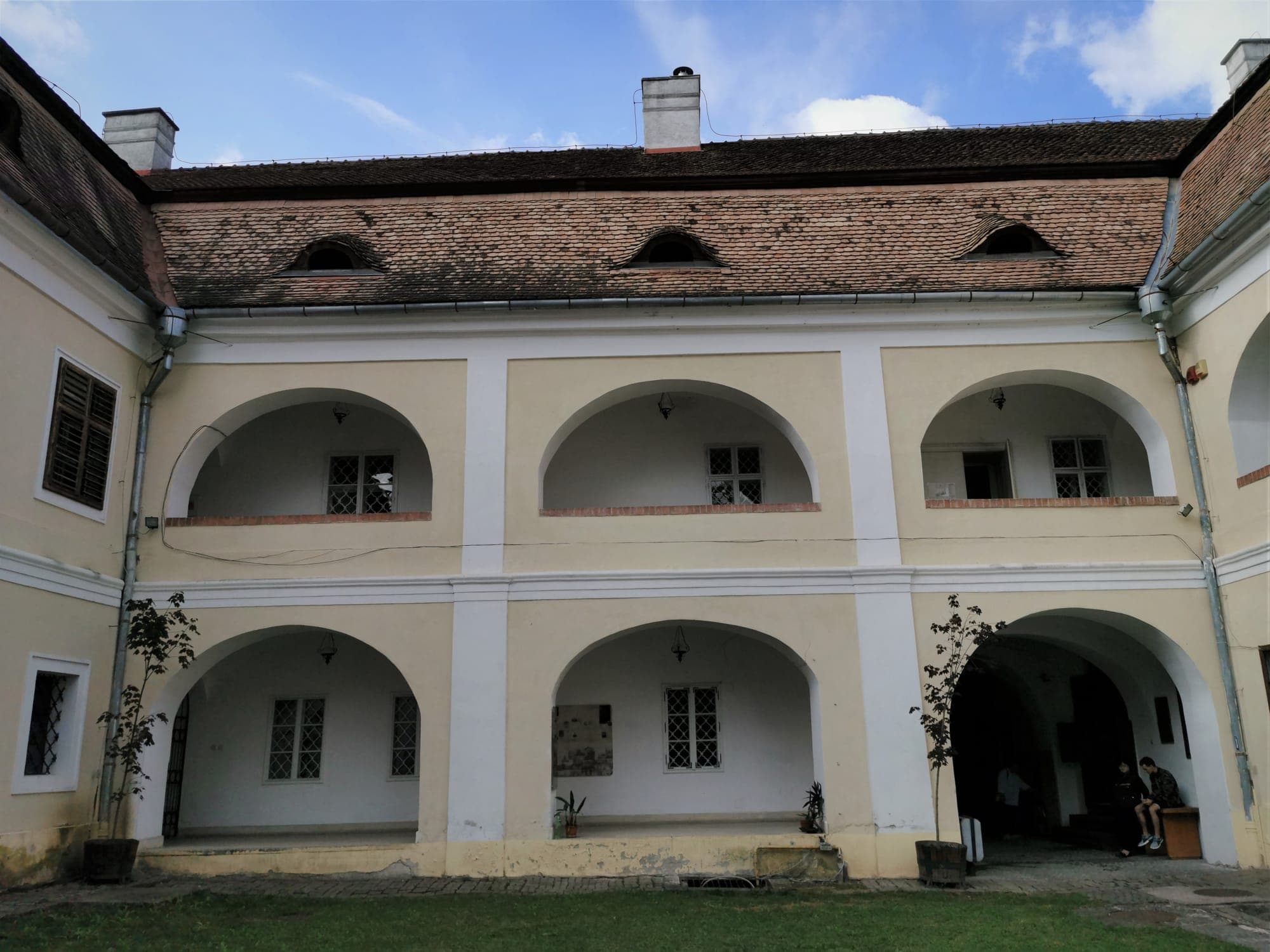
A town palace in Târgu Mureș housing the first public library in Transylvania, founded by Count Sámuel Teleki: a great hall with original cabinets, old books in display cases and the Bolyai Museum.
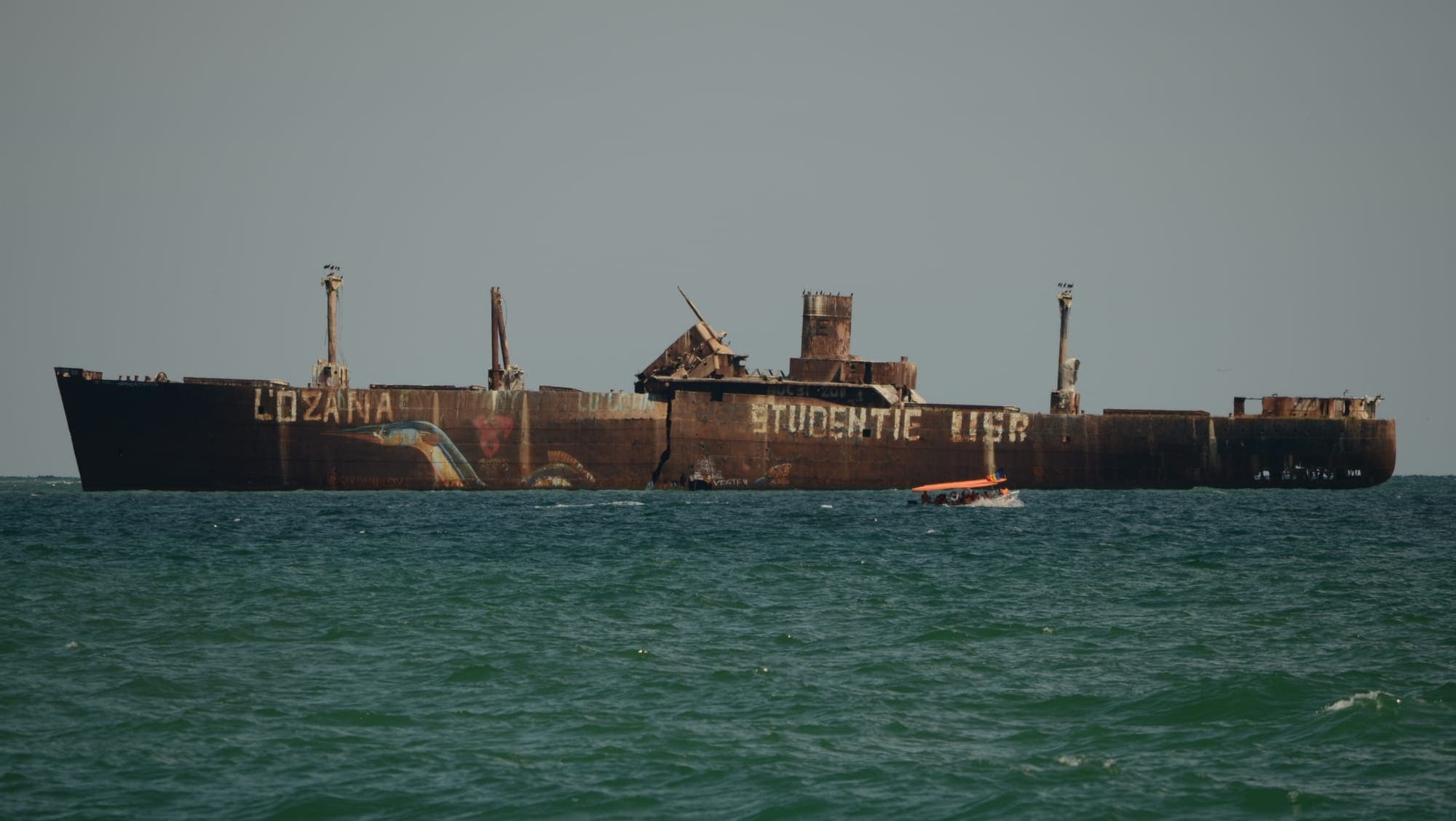
The rusting hull of the Greek cargo ship Evangelia, driven aground in October 1968 north of Costinești beach; it can be seen from the shore and from a new breakwater, from about 60 metres.

A Baroque manor of 1770 in the village of Boarta, with an arcaded porch and a scrolled pediment; a listed monument in ruins, privately owned and still unrestored.
One of the longest caves in Romania, with more than 20 km of passages on four levels, on the Mehedinți Plateau; the interior is a protected area with no tourist route, but the Gura Prosacului portal can be seen from a short trail.

The central square of old Brăila, from which the streets of the historic centre fan out, with the blue Public Clock of 1909, the Holy Archangels church, a former mosque, and the statue of Trajan.
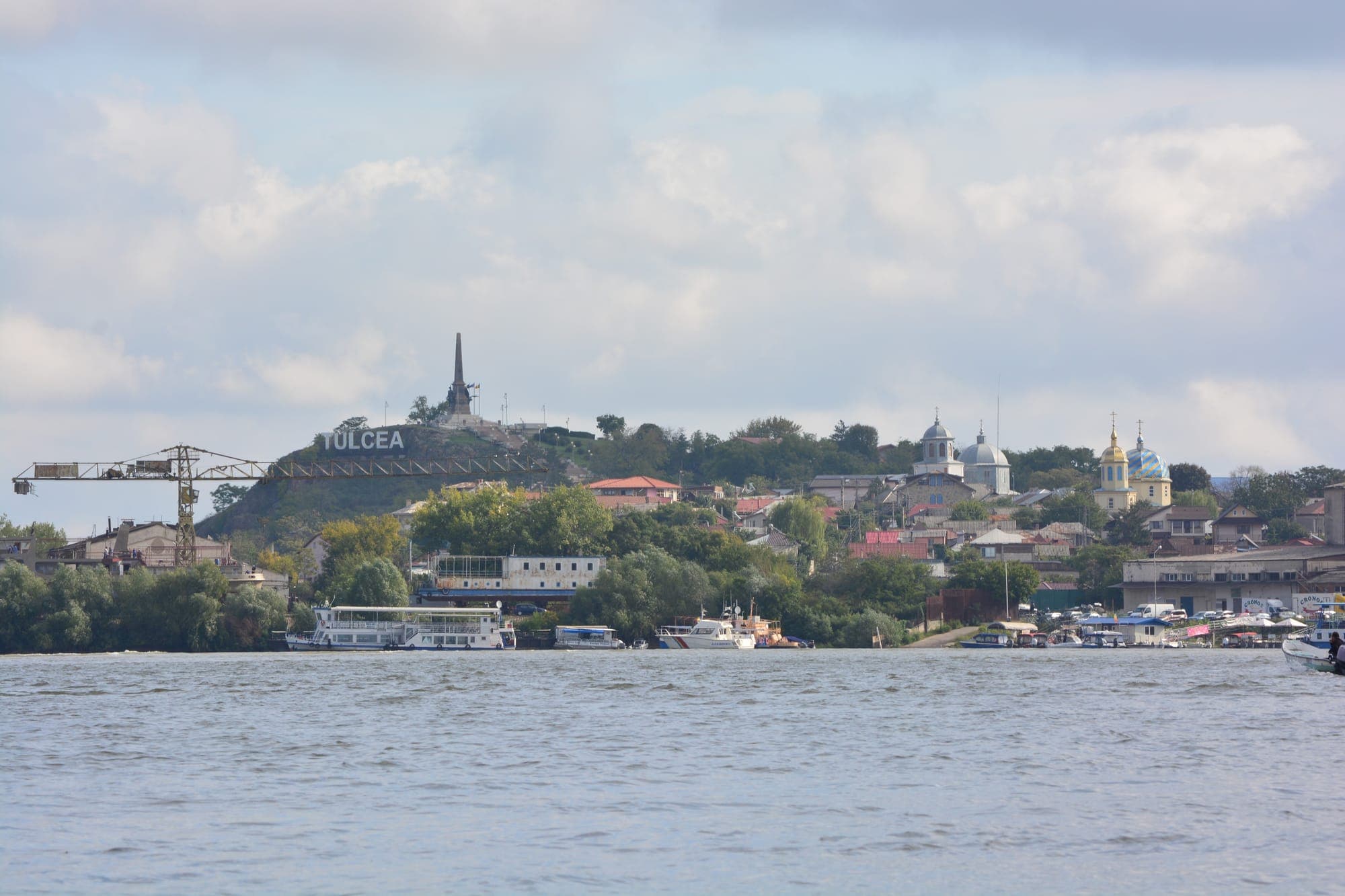
The Danube port town where the ships to the Danube Delta leave from: the waterfront with the River Station, the Independence Monument on the hill, the Azizie Mosque and the aquarium.

The Danube Delta Eco-Tourism Museum Centre, the public aquarium in central Tulcea, with fish from the Danube and the Black Sea, coral reef tanks and a tunnel among sturgeon, plus an exhibition on the Delta's wildlife.

Archaeology and local history museum in a 15th–16th-century building in Turda's old centre, known as the Princely Palace: finds from the Roman fort of Potaissa, prehistory and medieval Turda.
A residence with the air of a medieval castle and Secession touches, built in 1903–1906 for the Urmánczy family, with a water tower and a stone plinth; restored and open to visit by appointment.



