

Ion Creangă Memorial House in Humulești
Târgu Neamț, NT
The peasant house of logs and clay, with a shingle roof, where Ion Creangă grew up, the hero of “Memories of My Boyhood”. A museum since 1951, restored and reopened in 2024.
908 results
The peasant house of logs and clay, with a shingle roof, where Ion Creangă grew up, the hero of “Memories of My Boyhood”. A museum since 1951, restored and reopened in 2024.

The two-room cottage in Țicău where Ion Creangă lived from 1872 until his death and wrote “Memories of My Boyhood”. Opened as a museum in 1918, it is Romania's first literary memorial museum.

The Eminovici family house in Ipotești, rebuilt on the foundations of the one from Mihai Eminescu's childhood, with the family's wooden church, his parents' graves and a peasant house holding an ethnographic collection.

Renaissance residence of the Keresztúri and Kornis families, now a ruin near Dej: the 1720 gate tower, a neoclassical wing with a colonnade and the plinths of the two unicorns.

A spa resort more than a century old, 5 km from Brăila, on the shore of a lake with hypertonic water and sapropelic mud. It has treatment centres, a historic park and a lakeside beach.

The Renaissance castle of the Lázár family, with four bastions, a gate tower and walls topped by ornamental crenellations, at the edge of the forest near Gheorgheni; Gabriel Bethlen spent his childhood here.

One of Romania's first nature reserves, protected since 1938: ancient oaks draped in lianas, sand dunes and herds of feral horses on the Letea sand bank in the north of the Danube Delta.
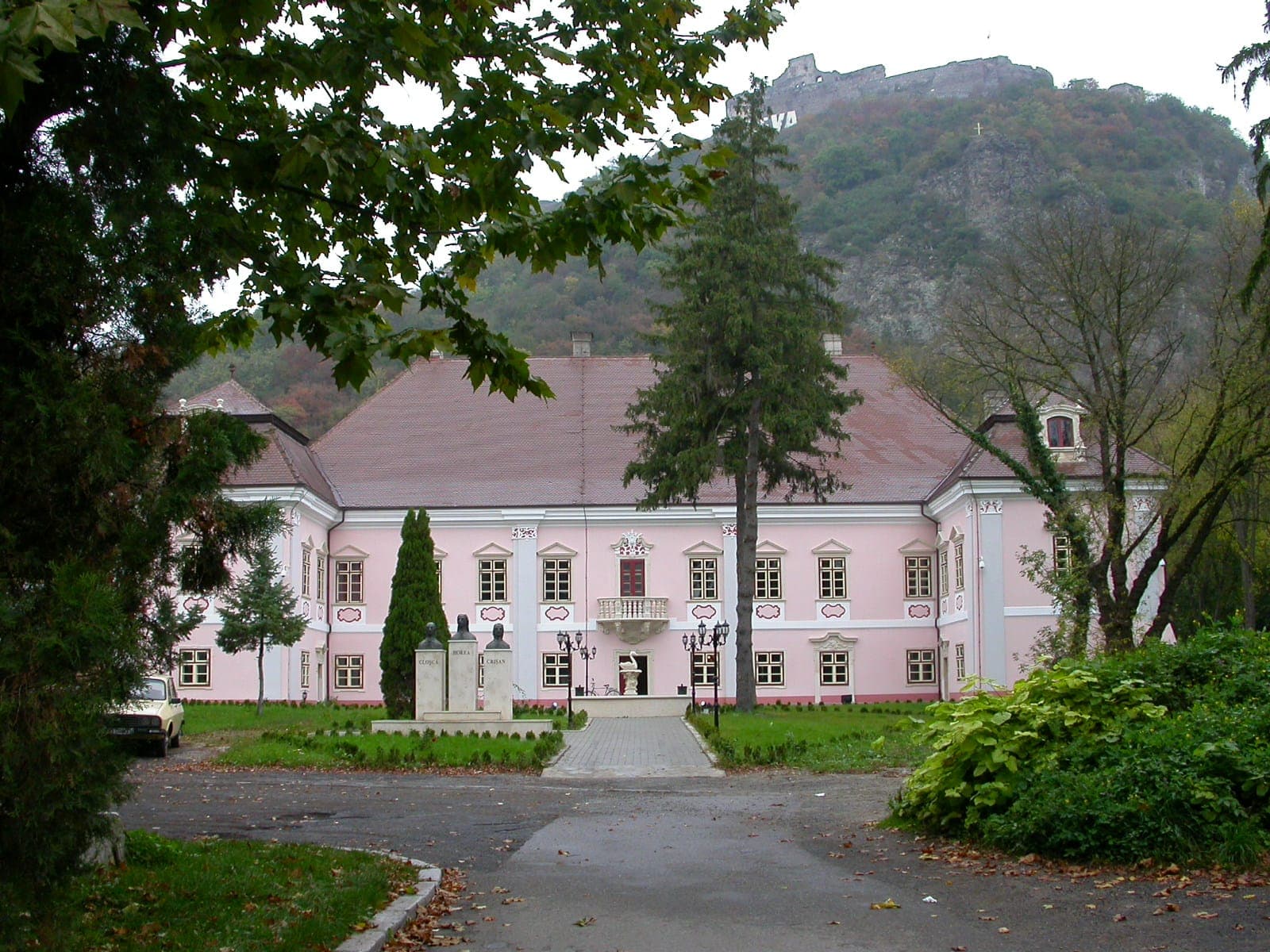
A Baroque palace at the foot of Citadel Hill in Deva, also known as Bethlen Castle, now home to the Museum of Dacian and Roman Civilisation, with a lapidarium in its courtyard.

The former Rally Theatre, a heritage building in Brăila's historic centre, with a richly ornamented façade on Calea Regală, restored with EU funds and still a working repertory theatre.

A Gothic house of the 15th century where King Matthias Corvinus was born in 1443; today it belongs to the University of Art and Design and is best seen from the street, with its pointed-arch portal and commemorative plaques.

A Gothic Saxon church from the 14th century, fortified in 1495, in a quiet village among hills, with an enclosure wall, two towers and a gallery painted in 1765.

The cathedral of the Metropolis of Moldavia, consecrated in 1887 in the centre of Iași and home to the relics of Saint Parascheva, which draw hundreds of thousands of pilgrims every October.
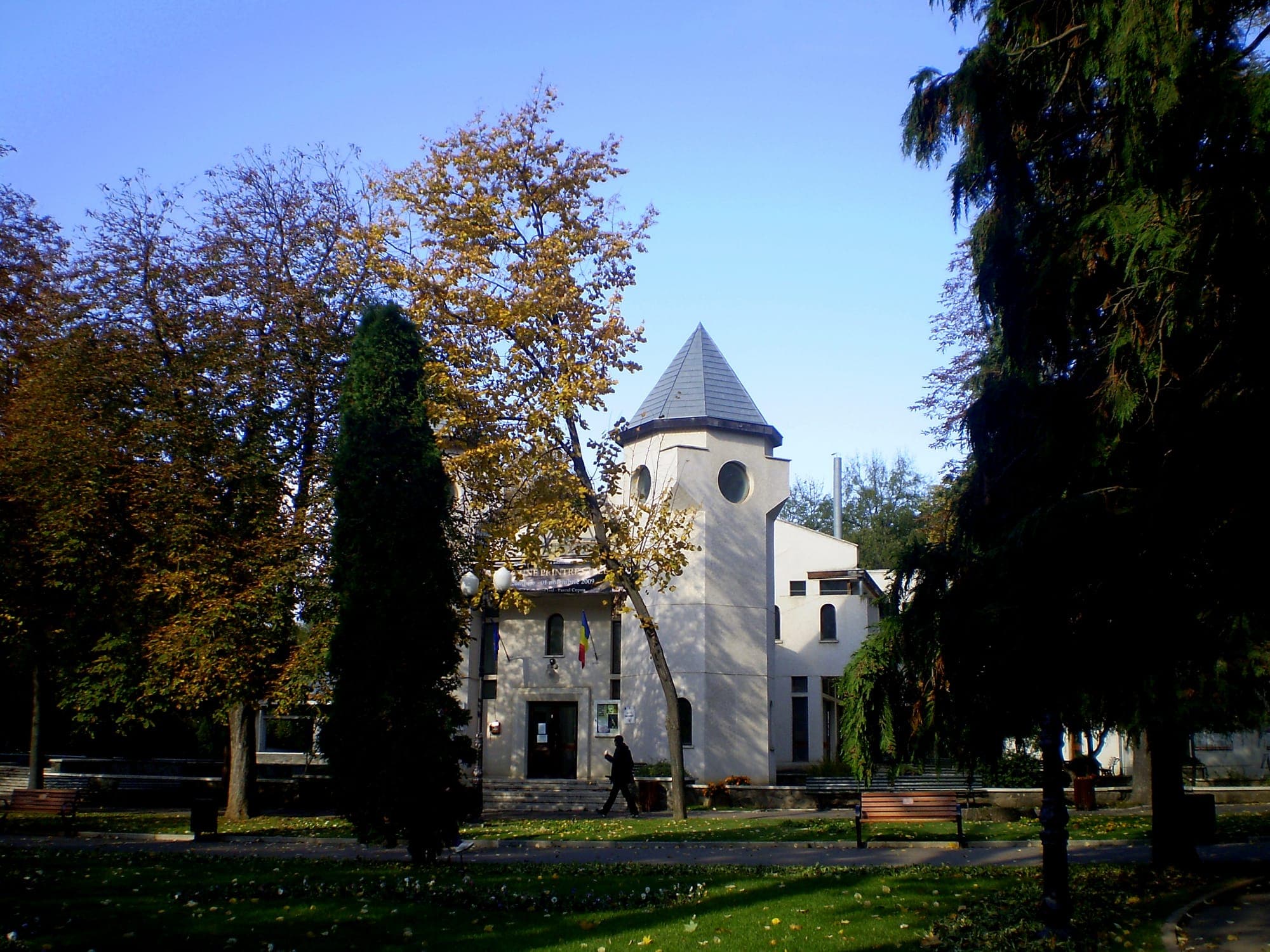
A modernist museum in the heart of Copou Park, opened in 1989, with old editions, photocopies of the poet's manuscripts, photographs and a collection of fine art.

A 17th-century Renaissance castle in the centre of Miercurea Ciuc, rebuilt by the Habsburgs as a fortification and now home to the Szekler Museum of Ciuc.

A Lipovan fishing village in the heart of the Danube Delta, on the Old Danube, reachable only by boat; the birthplace of Ivan Patzaichin, with a museum tower dedicated to the champion.



