

Moon Church
Oradea, BH
The Orthodox church of the Dormition of the Mother of God in Piața Unirii, built in 1784–1790 and known for the globe in its tower that shows the phases of the Moon, in a mechanism of 1793.
908 results
The Orthodox church of the Dormition of the Mother of God in Piața Unirii, built in 1784–1790 and known for the globe in its tower that shows the phases of the Moon, in a mechanism of 1793.

One of the largest Gothic hall churches in the Târnava valley, with a massive bell tower and a walled enclosure with towers; part of the wall collapsed in June 2026.
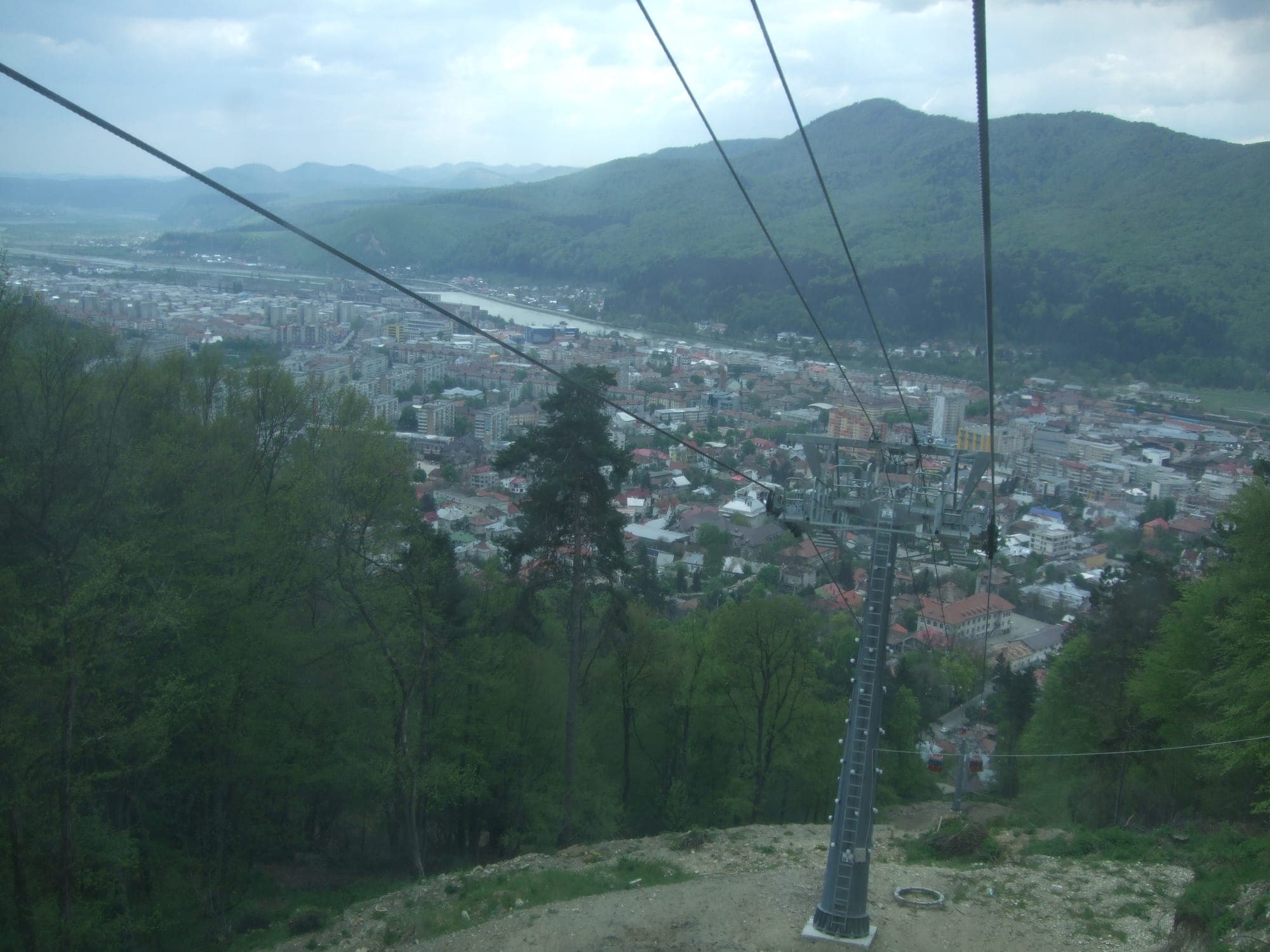
Cozla Hill above the town of Piatra Neamț, 8 minutes from the centre by gondola: a panoramic terrace towards Lake Bâtca Doamnei and Ceahlău, forest and footpaths. The ski slope here no longer operates.
A cave near Mangalia, sealed off from the surface, where life depends on chemosynthesis rather than sunlight; closed to the public, open only to researchers with permission.
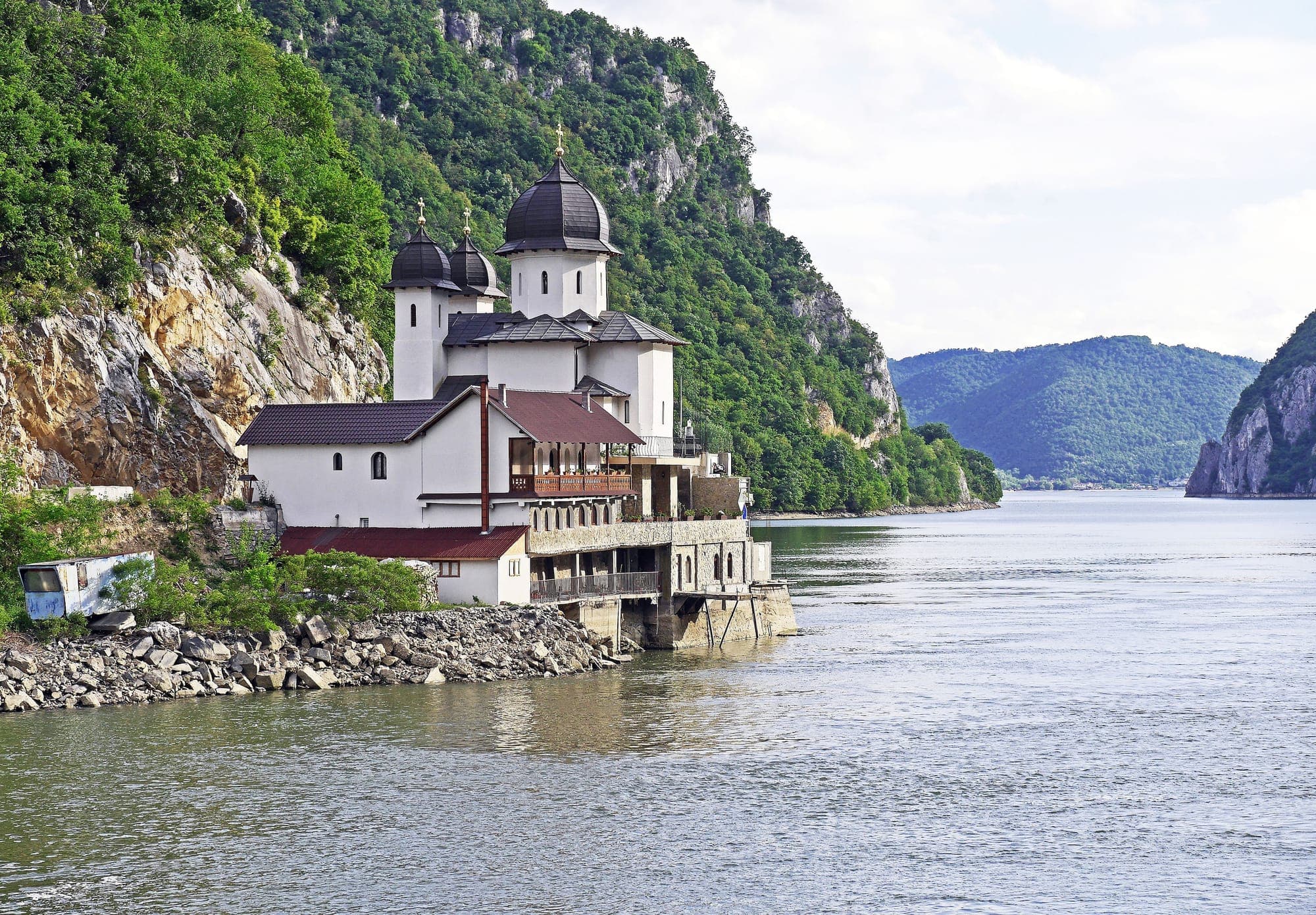
A monastery perched on a headland right above the Danube, in the Danube Gorges, on the site of the old monastery demolished in 1967 for the Iron Gates hydroelectric dam.
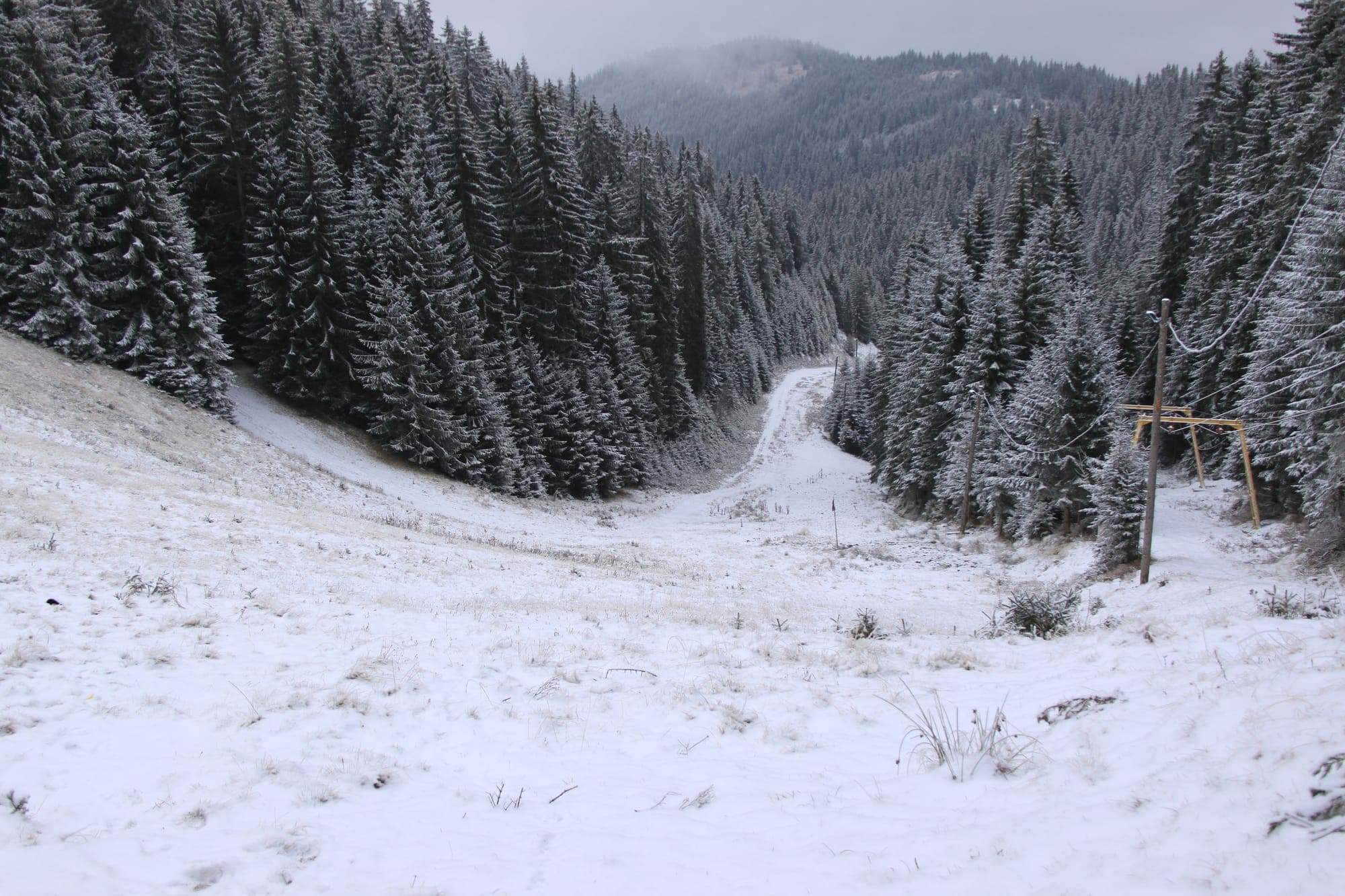
A mountain resort in the Gilău Mountains, about 55 km from Cluj-Napoca: in winter, the slopes of Buscat Ski Resort, with a chairlift, sledging and tubing; in summer, waymarked trails to Scărița-Belioara and Muntele Mare.
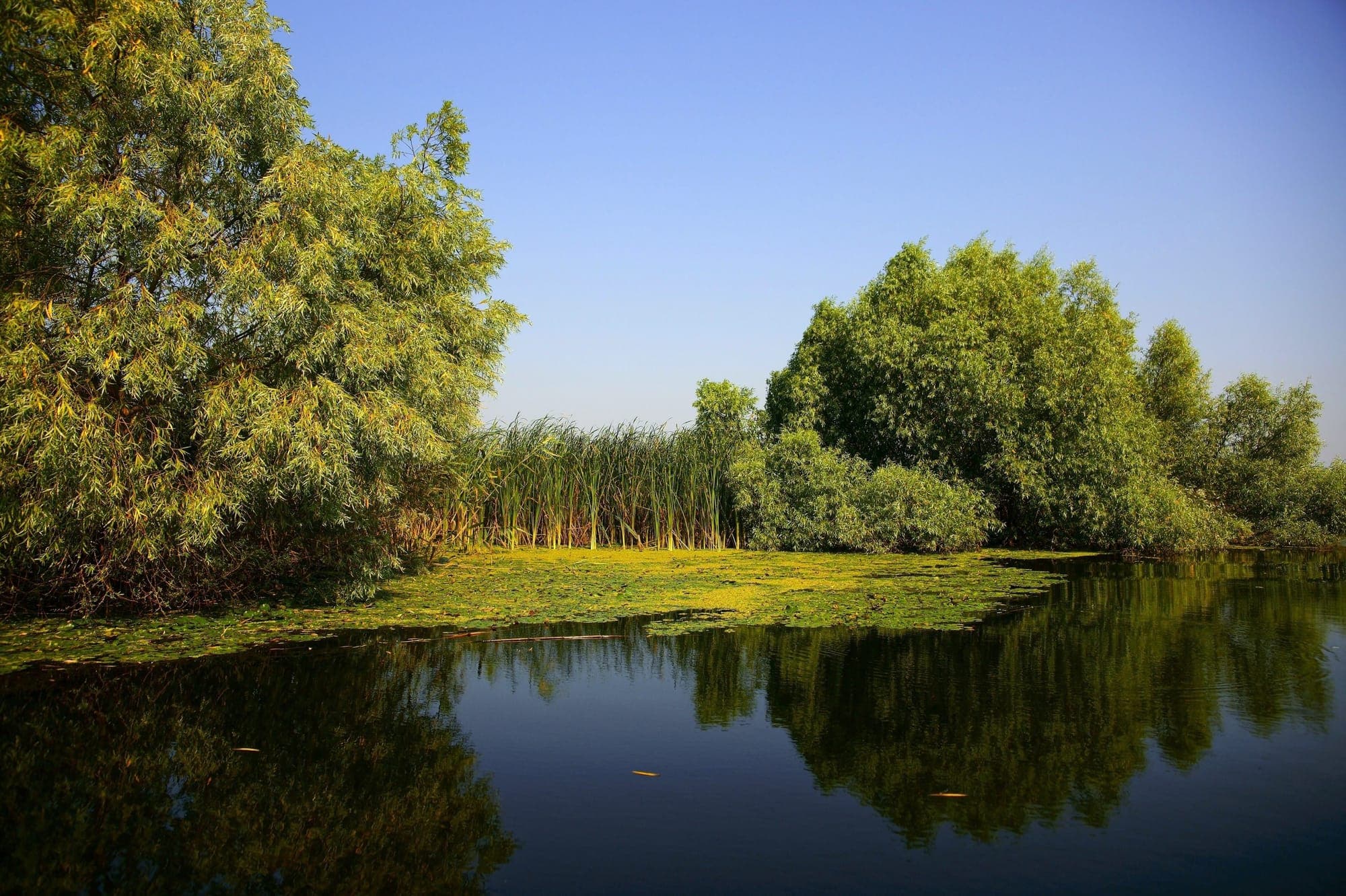
A village on the edge of the Danube Delta, ~38 km from Tulcea, with a harbour on the Sfântu Gheorghe arm, where the boat routes to the southern lakes, Uzlina and Gura Portiței set out.
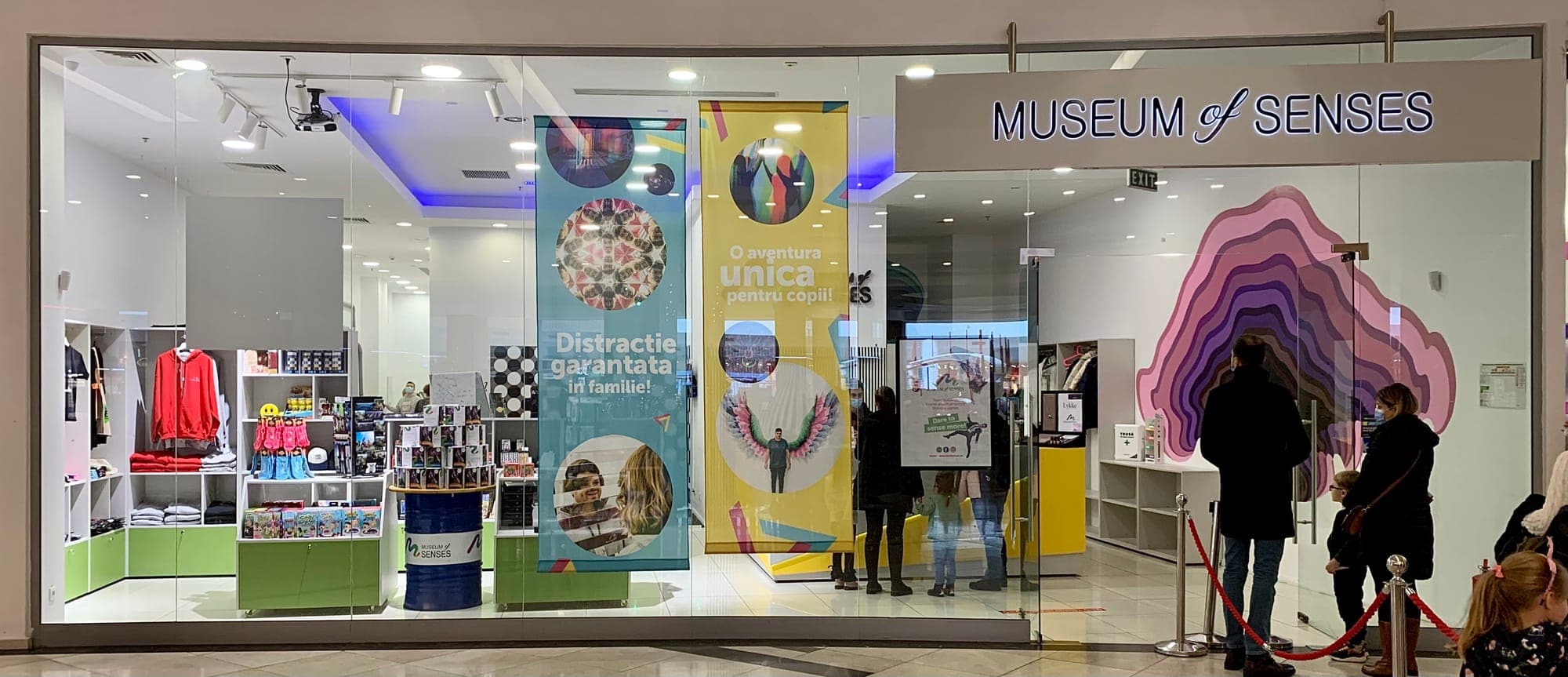
An interactive museum of optical illusions in AFI Cotroceni, with more than 30 exhibits that put perception to the test: the Ames Room, the infinity mirror room and the bed of nails.

A Moorish Revival synagogue of 1886–1887, with four towers and a façade in yellow and ochre bands facing Strada Horea; today the Memorial Temple of the Deported Jews of Cluj.

Romania's longest gorge, almost 20 km between Șopotu Nou and Sasca Română, with the Devil's Lake, tunnels cut into the rock and a trail crossed by no road at all.
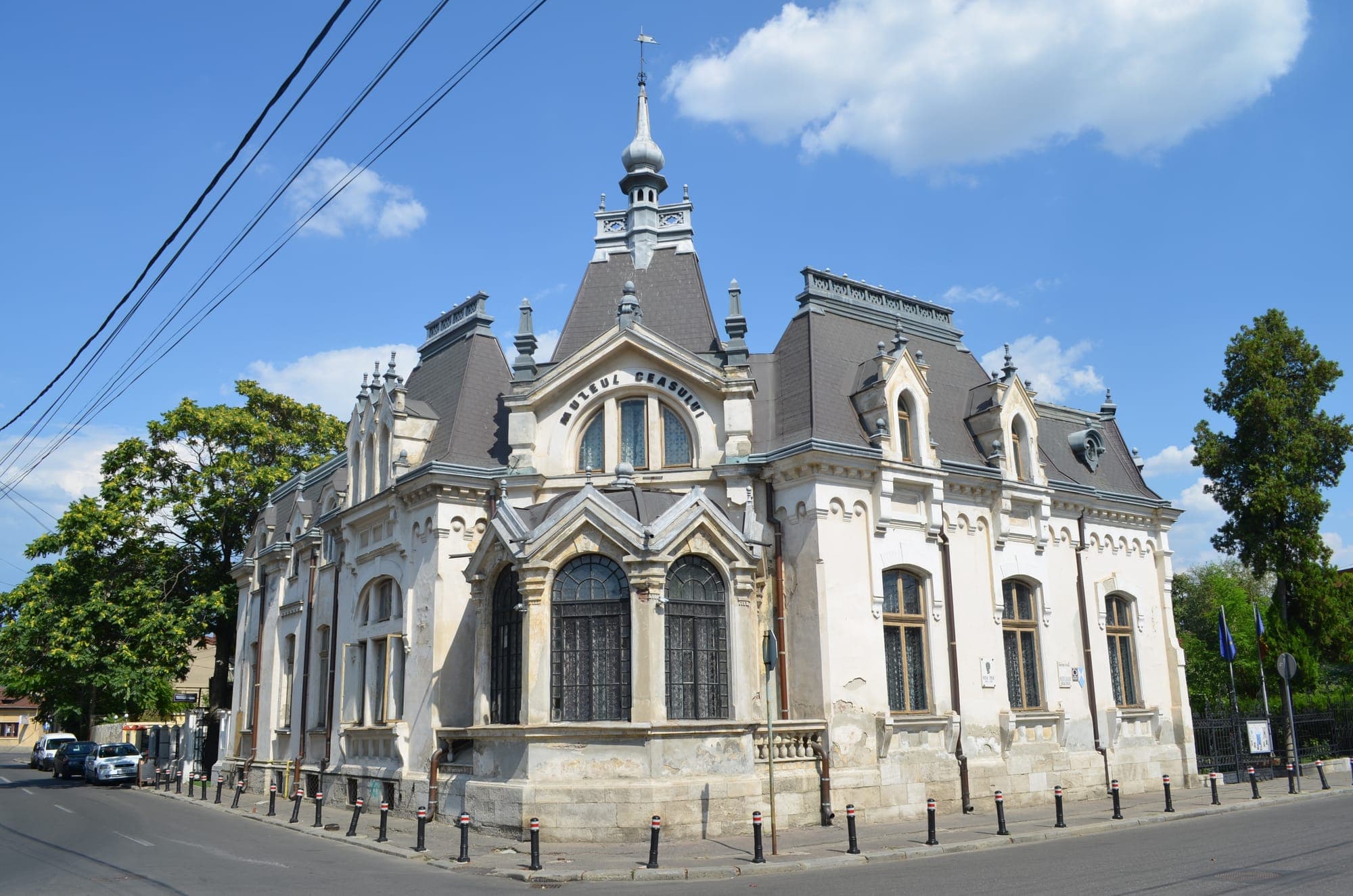
A museum of timekeeping in a late 19th-century house in Ploiești: astronomical clocks from the 16th century, pocket watches, mantel clocks and musical mechanisms that still work today.

The white tower of the European Commission of the Danube in the middle of Sulina, now a museum about the town called “Europolis”, the writer Jean Bart and the conductor George Georgescu.
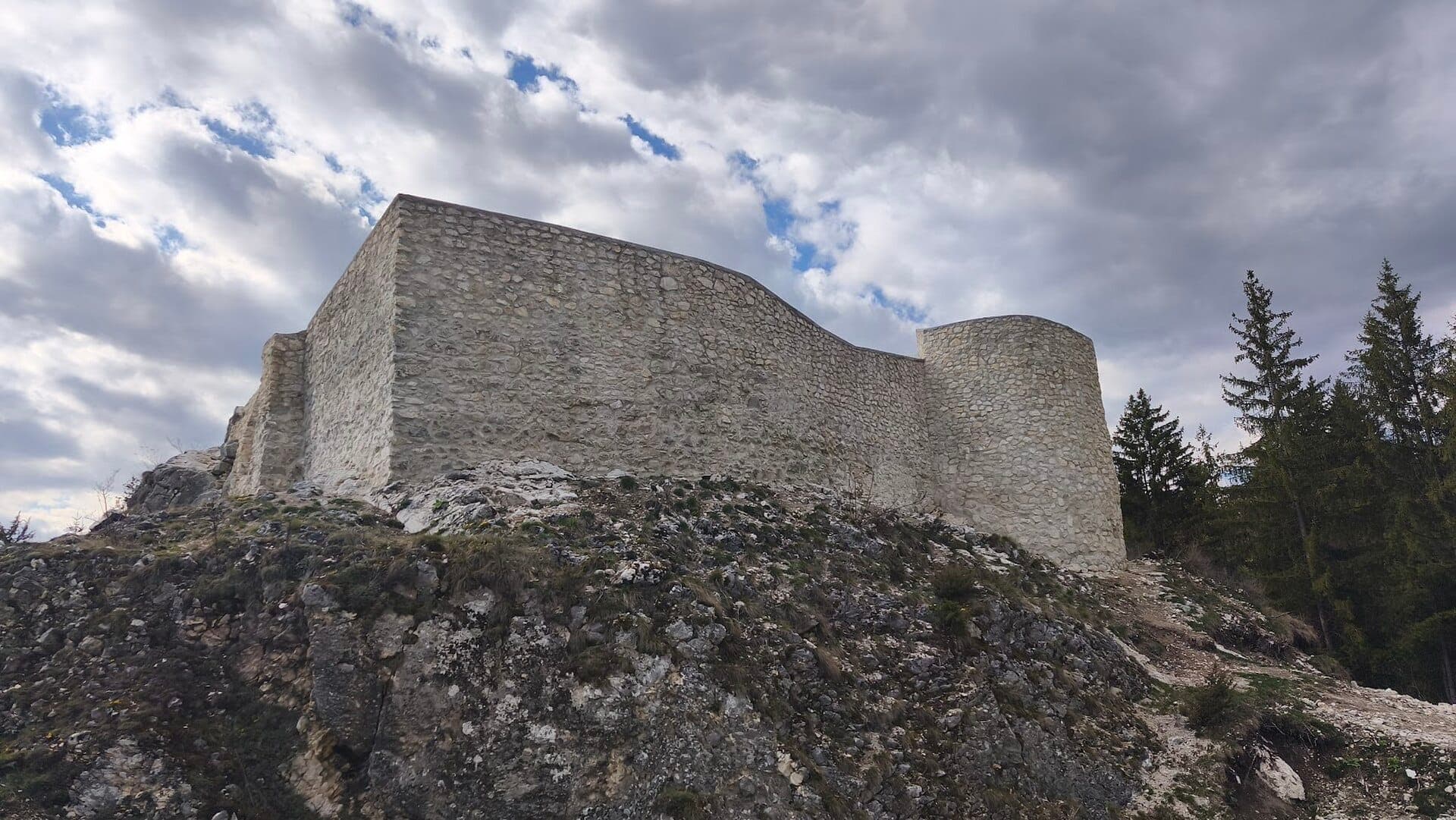
A medieval fortress on Dealul Sasului above Podu Dâmboviței, with consolidated stone walls overlooking the old road between Wallachia and Transylvania.

A red-brick house-museum in Brăila's Public Garden, with manuscripts, signed books and personal belongings of the writer Panait Istrati. It is not his birthplace but a former gardener's house.

The Church of the Exaltation of the Holy Cross, built by Stephen the Great in 1487: his oldest surviving foundation, with the "Cavalcade of the Holy Cross" fresco; a UNESCO site near Suceava.



