

A wooden church from the late 18th century in a hilltop cemetery in the village of Capu Dealului, with a glazed porch and a small bell tower rising from the roof.
908 results
A wooden church from the late 18th century in a hilltop cemetery in the village of Capu Dealului, with a glazed porch and a small bell tower rising from the roof.

An oak wooden church of 1785, with a tall tower with an open gallery and a carved portal, built with money from a participant in Horea's uprising.
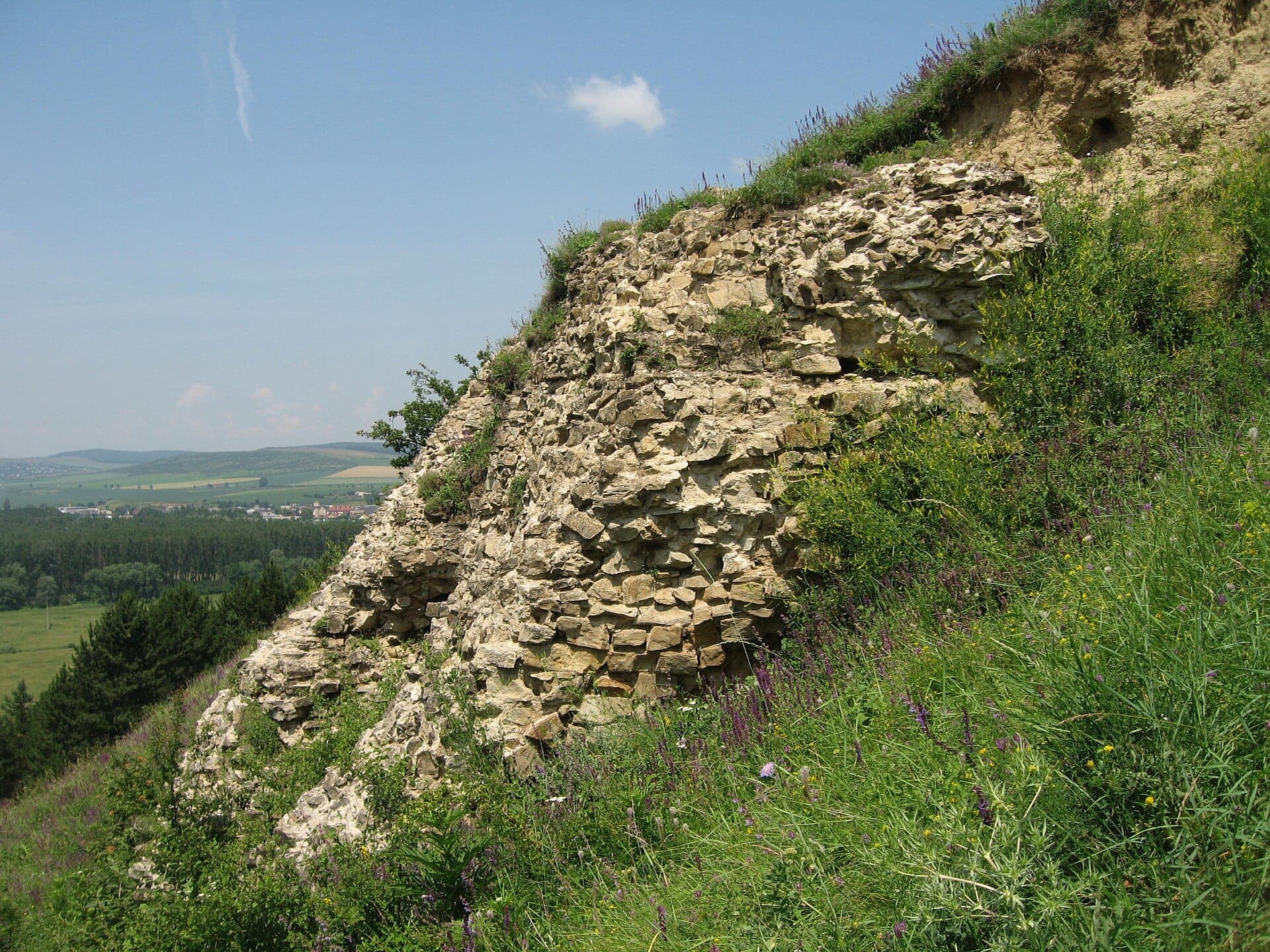
The ruins of a late 14th-century Moldavian fortress on Șeptilici Hill in Suceava. The stone walls are reached on foot through woodland.

The oldest monastery in the Bărăgan, founded by the Grand Postelnic Ianache Caragea and rebuilt by Matei Basarab, with a 17th-century brick enclosure wall and a bell tower you enter through.

The ruins of a 13th-century stone fortress on Dealul Cetății above Șiria, with walls, towers and a wide view over the Arad Plain.

A Saxon peasant fortress of brick on Burgbasch Hill above the village: a bell tower with a Gothic chapel and the imposing ruin of a hall church that was never finished.
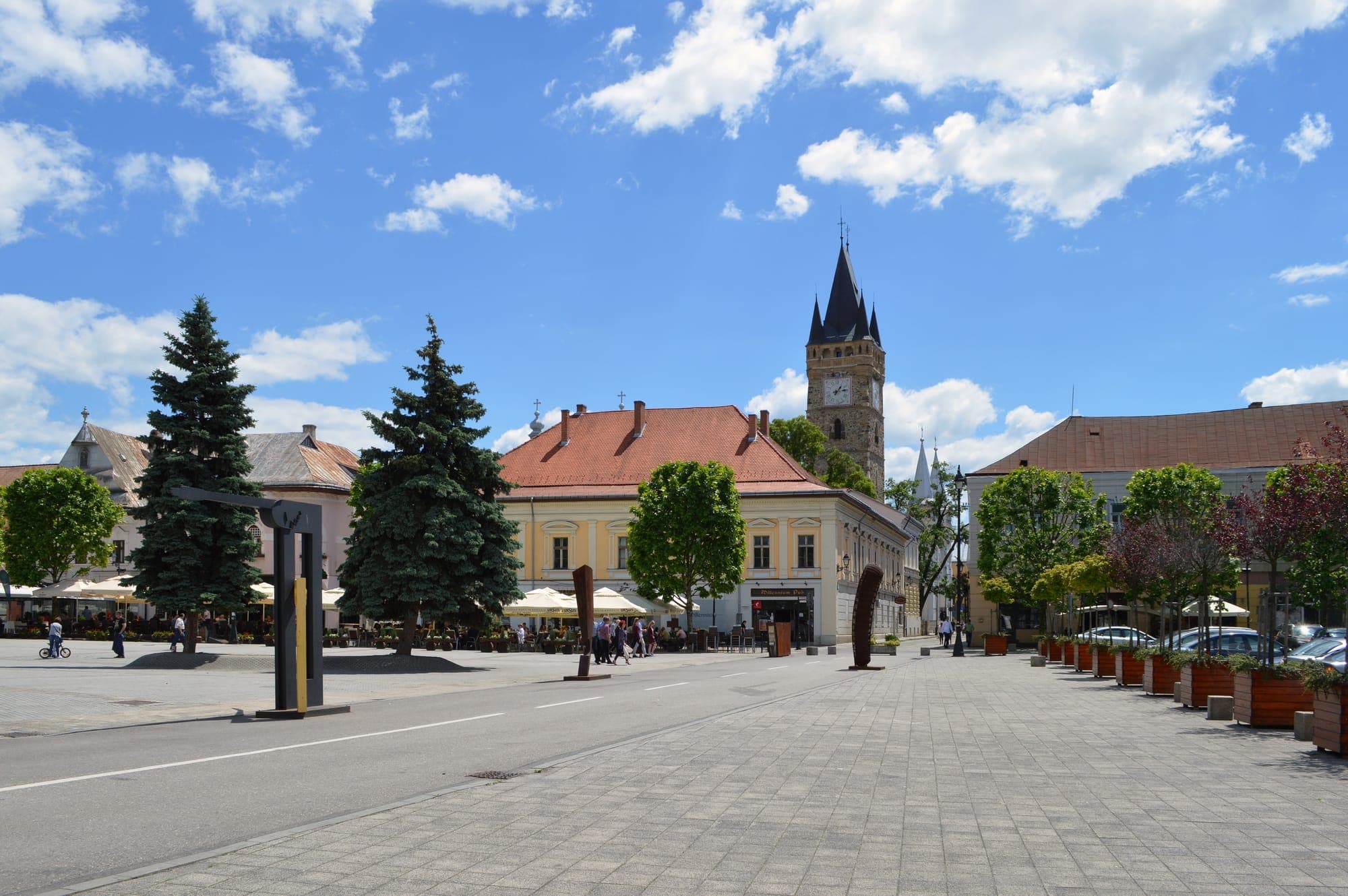
The 15th-century bell tower of a demolished church and the symbol of Baia Mare, on Piața Cetății; the gallery at the top gives a panorama of the city.
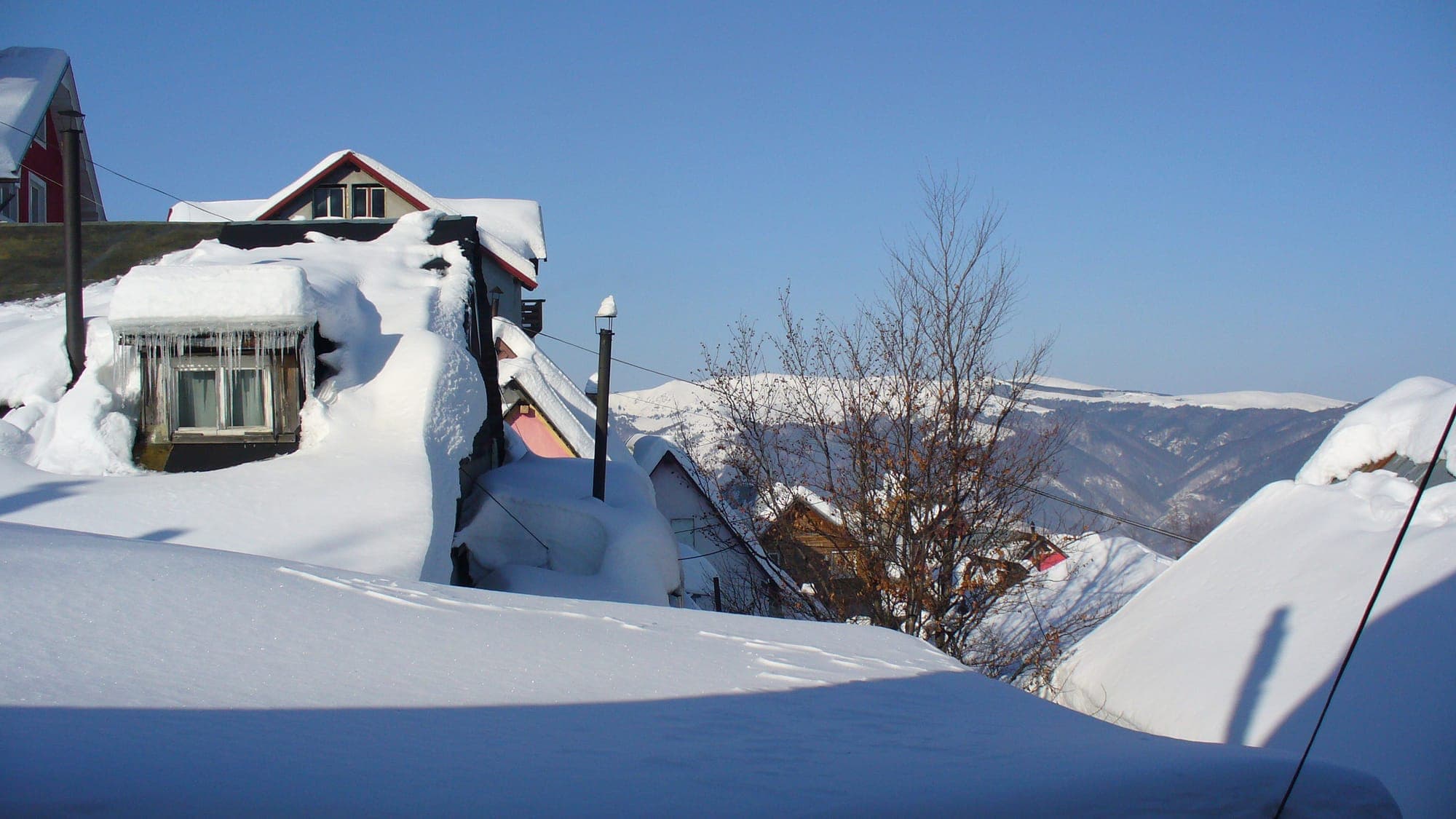
A mountain resort at 1,445 m in the Vâlcan Mountains, above Lupeni: floodlit slopes, the 8.1 km Straja slope, a gondola from the town and summer trails to Mutu and Straja.
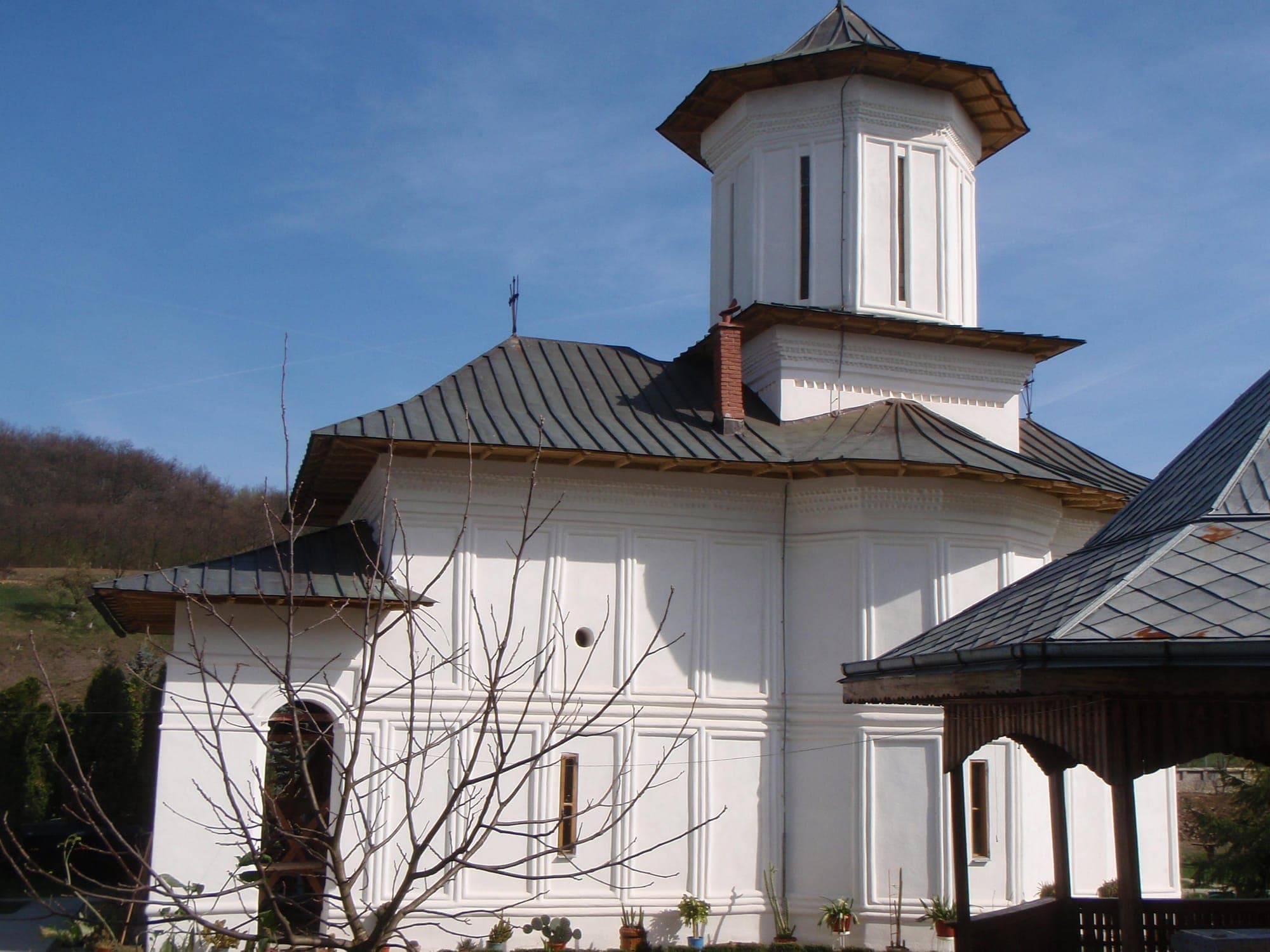
A convent in Strâmba-Jiu with the Holy Trinity church of the early 17th century, built on the site of a hermitage recorded in 1519, in a quiet courtyard beneath wooded hills.
A forest resort 8 km from Sfântu Gheorghe, with two ski runs served by drag lifts and floodlit at night, an adventure park, a spa, carbonated springs and hiking trails.

A 17th-century fortified enclosure with seven bastions built by the town's guilds and the Franciscans' Gothic church in the courtyard, now a park open to all, with a museum and events.

Bihor's county museum, housed since its move in the former Royal Cadet School of 1898: archaeology, history, art, ethnography, natural sciences and a vivarium under one roof.

A U-shaped Baroque residence with 52 rooms and 365 windows, built between 1772 and 1803; restored with Romania's recovery funds and reopened in July 2026 as a museum, with guided tours and a historic park.
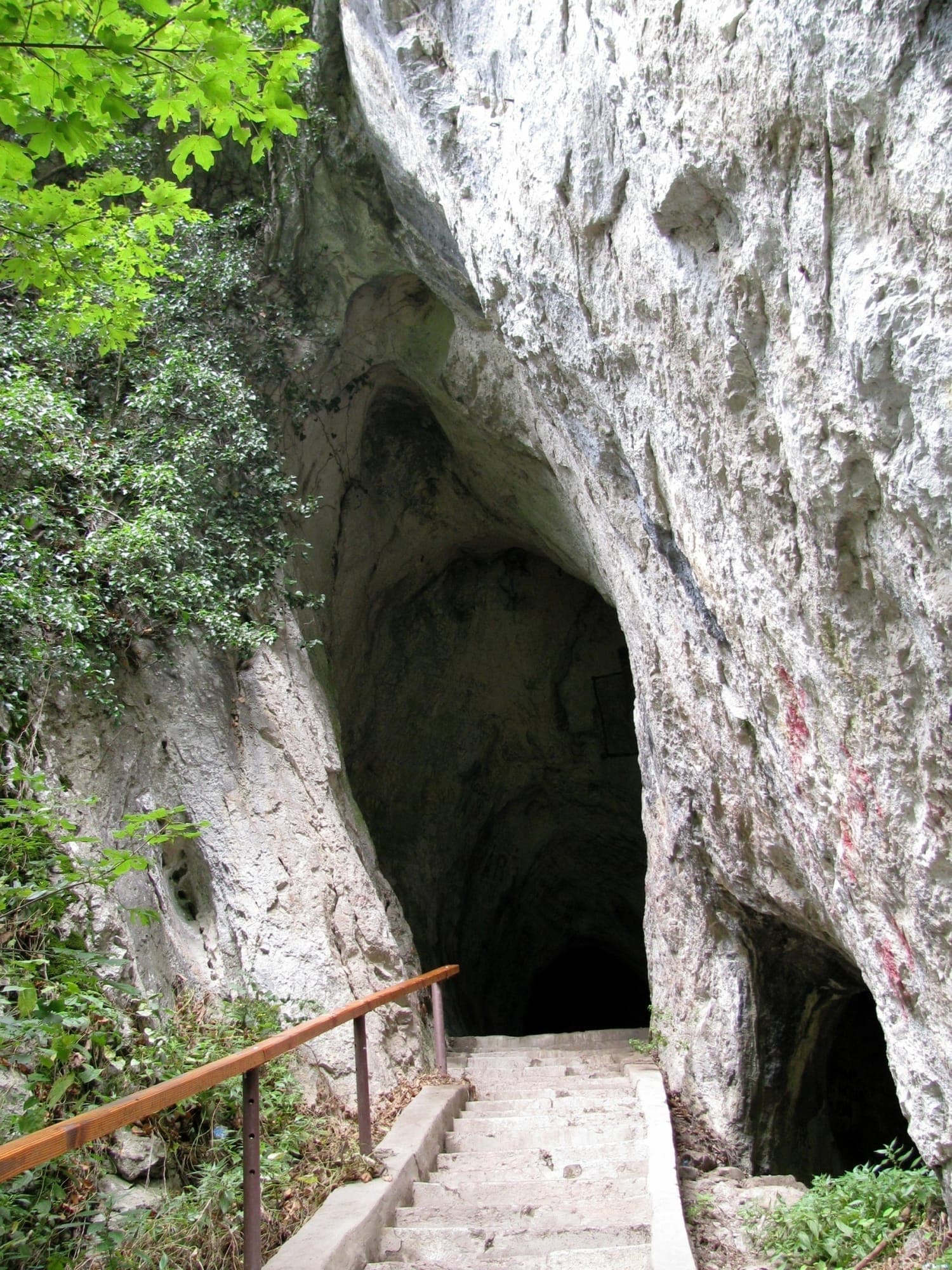
A 143 m rock shelter, five minutes up a concrete staircase behind the Hotel Roman; its walls carry visitors' signatures from the 19th century, and excavations have uncovered traces of habitation from the Palaeolithic to the Roman period.
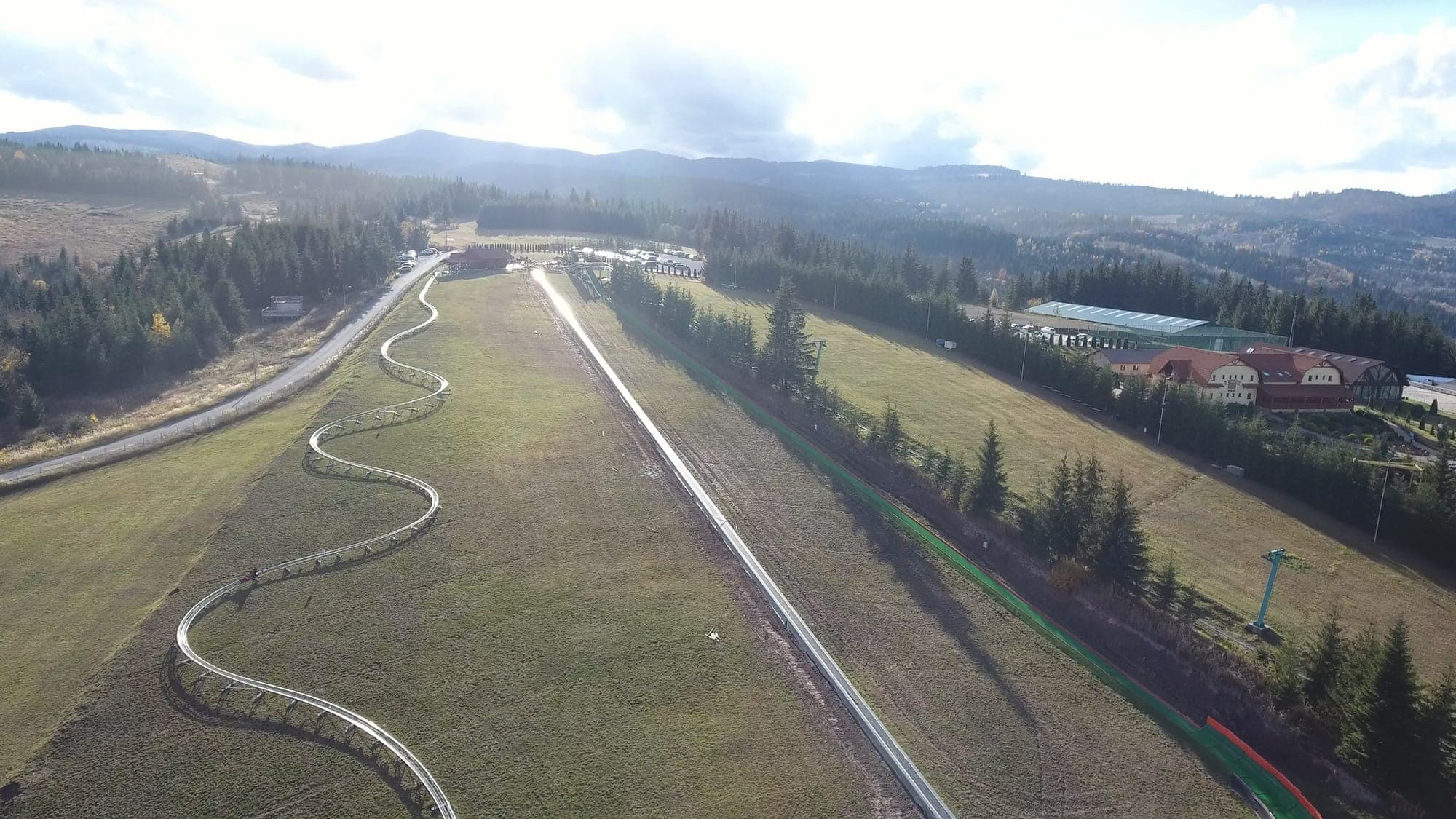
A ski area on the edge of the town of Toplița, at the foot of the Gurghiu Mountains: three slopes with drag lifts and a conveyor belt, floodlights, a sledging slope, tubing and a year-round rail bobsled.



