

Tudor Vladimirescu Cula
Cerneți, MH
The cula on Gârdanul Hill near Drobeta-Turnu Severin, linked to the name of Tudor Vladimirescu: a fortified boyar house with a brick-columned gallery and a watchtower, currently being restored.
908 results
The cula on Gârdanul Hill near Drobeta-Turnu Severin, linked to the name of Tudor Vladimirescu: a fortified boyar house with a brick-columned gallery and a watchtower, currently being restored.
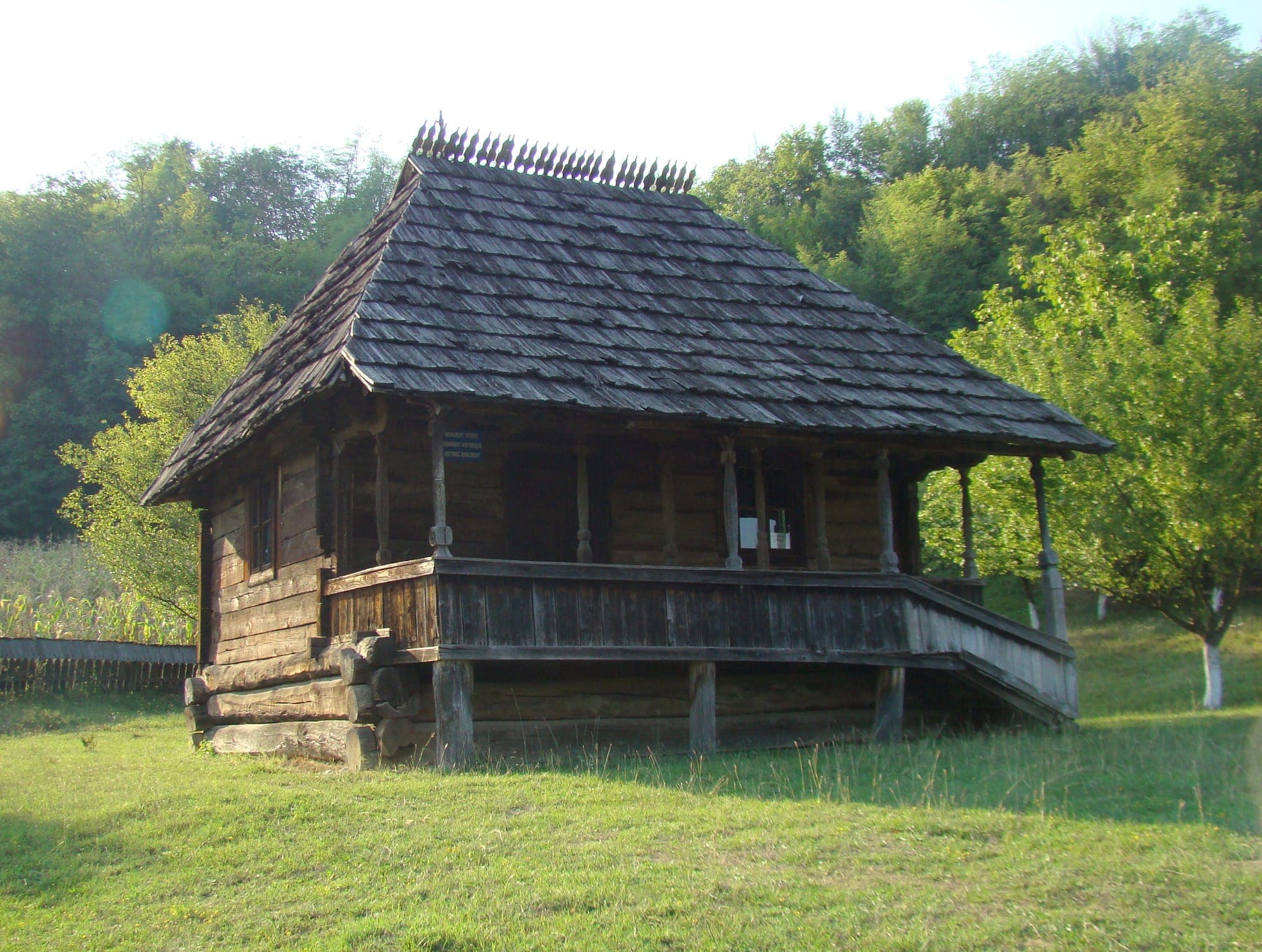
The wooden house in the village of Vladimir, birthplace of Tudor Vladimirescu, leader of the 1821 Revolution. Rebuilt in 1932 from an original photograph, now a museum with two furnished rooms.

A narrow strip of sand below a high earth cliff covered in scrub, next to the oldest working lighthouse on the Romanian coast, with clear, turquoise-green water.

The “Calendar Castle” (365 windows, 4 towers, 52 rooms), built in 1908–1912 for Baron István Ugron; today it stands empty and is not set up for visits, so it is seen from outside.
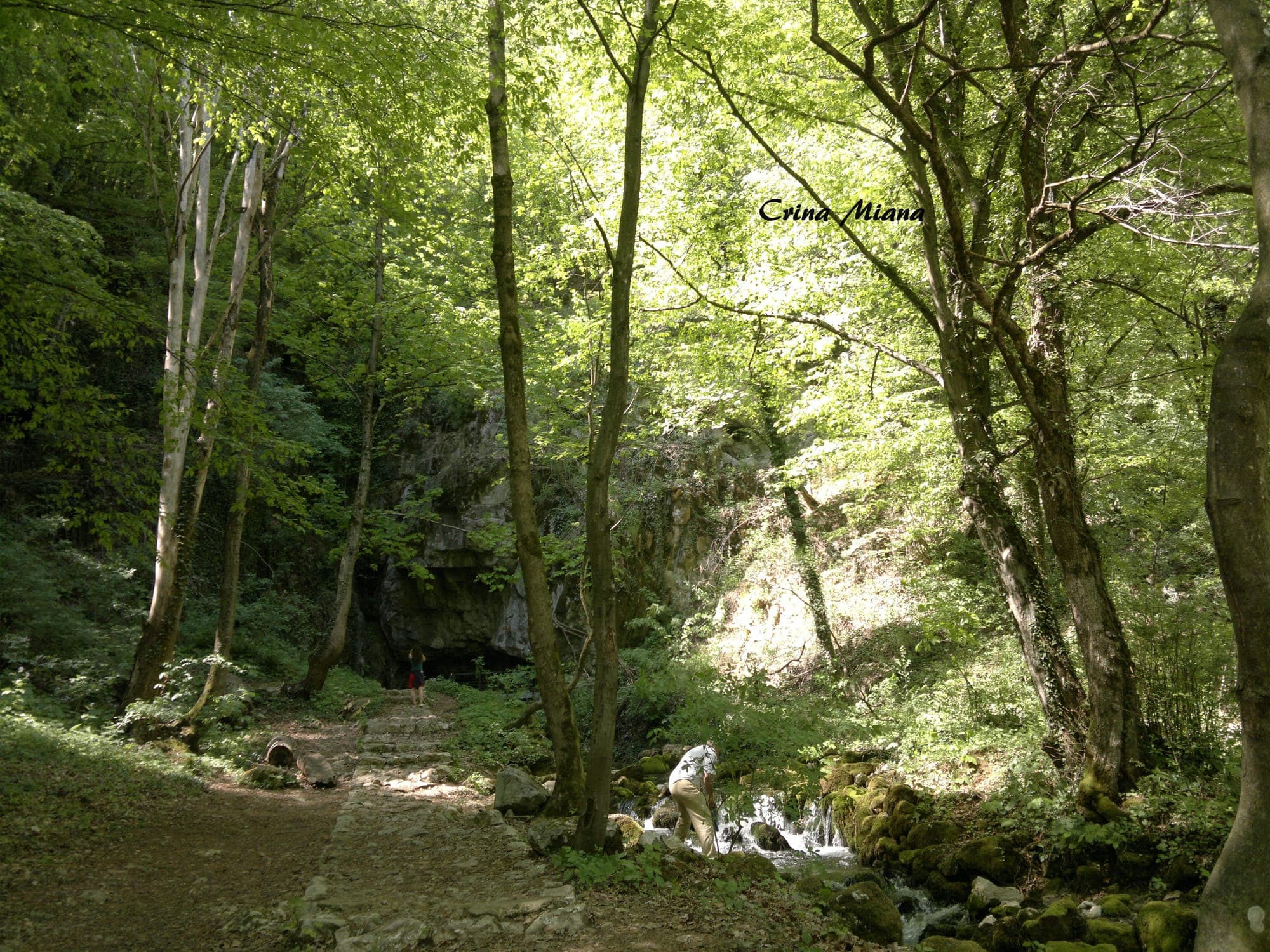
A show cave in the Crișul Repede Gorge, with a stream that leaves it as a small waterfall at the entrance, stalactites, bat colonies and a 680 m guided route.

An open-air village museum on the road out of Râmnicu Vâlcea towards Sibiu: nearly 80 peasant houses, workshops and installations from across the county, gathered on 8 hectares around the Bujoreanu Kula.
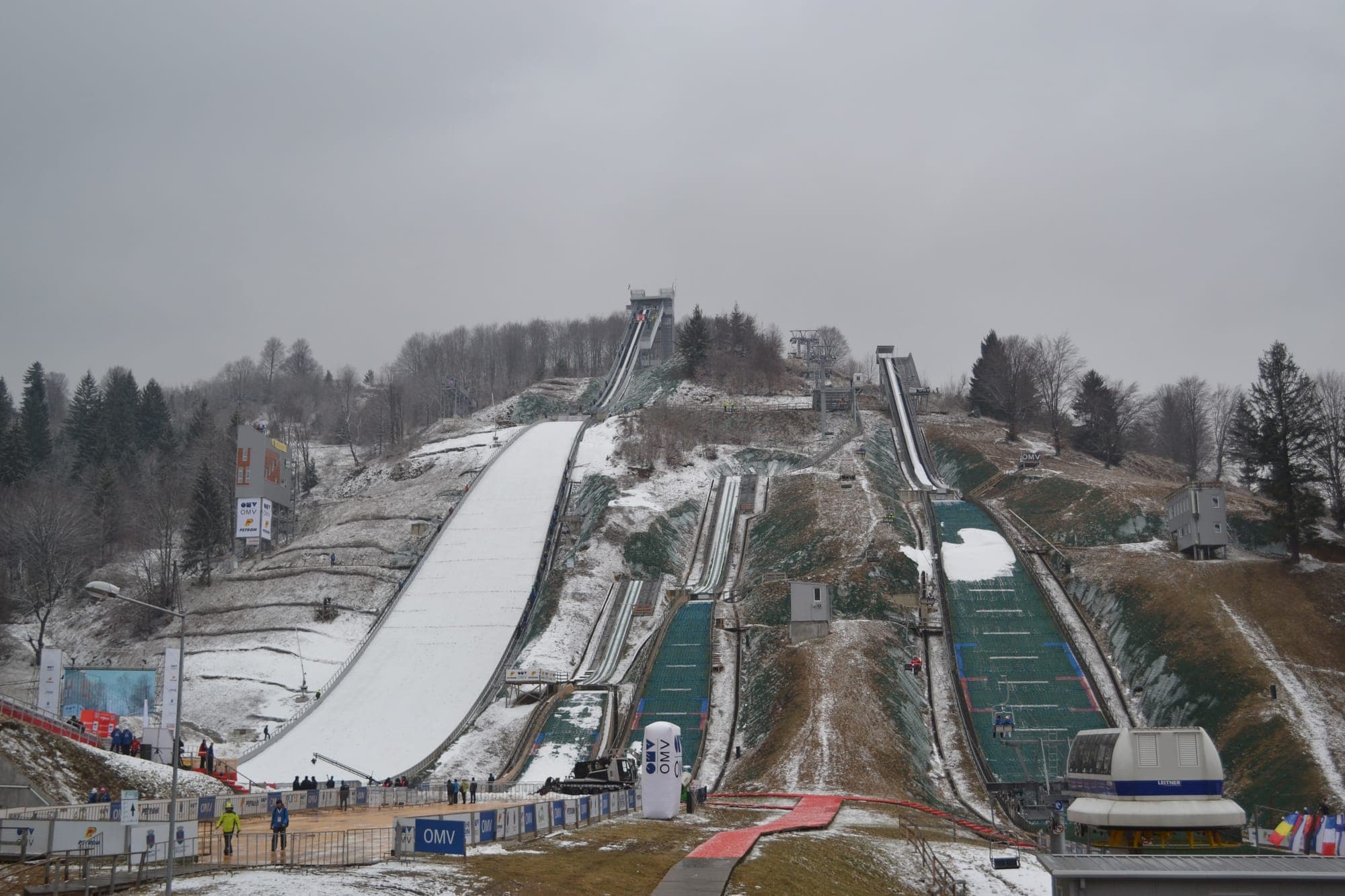
The Olympic ski jumping base on the edge of Râșnov: four hills with K-points at 90, 64, 35 and 15 m, host to World Cup, Summer Grand Prix and FIS Cup events.

A roughly 30 m, two-tiered waterfall at the foot of the Vlădeasa massif, on the Stanciului valley near Răchițele; the water fans out over the rock like a veil, and in winter the frozen wall is an ice-climbing spot.

An undeveloped cave in the Bihor Mountains, with ice at the entrance and white formations, where a Neanderthal footprint at least 62,000 years old was found in 1974.
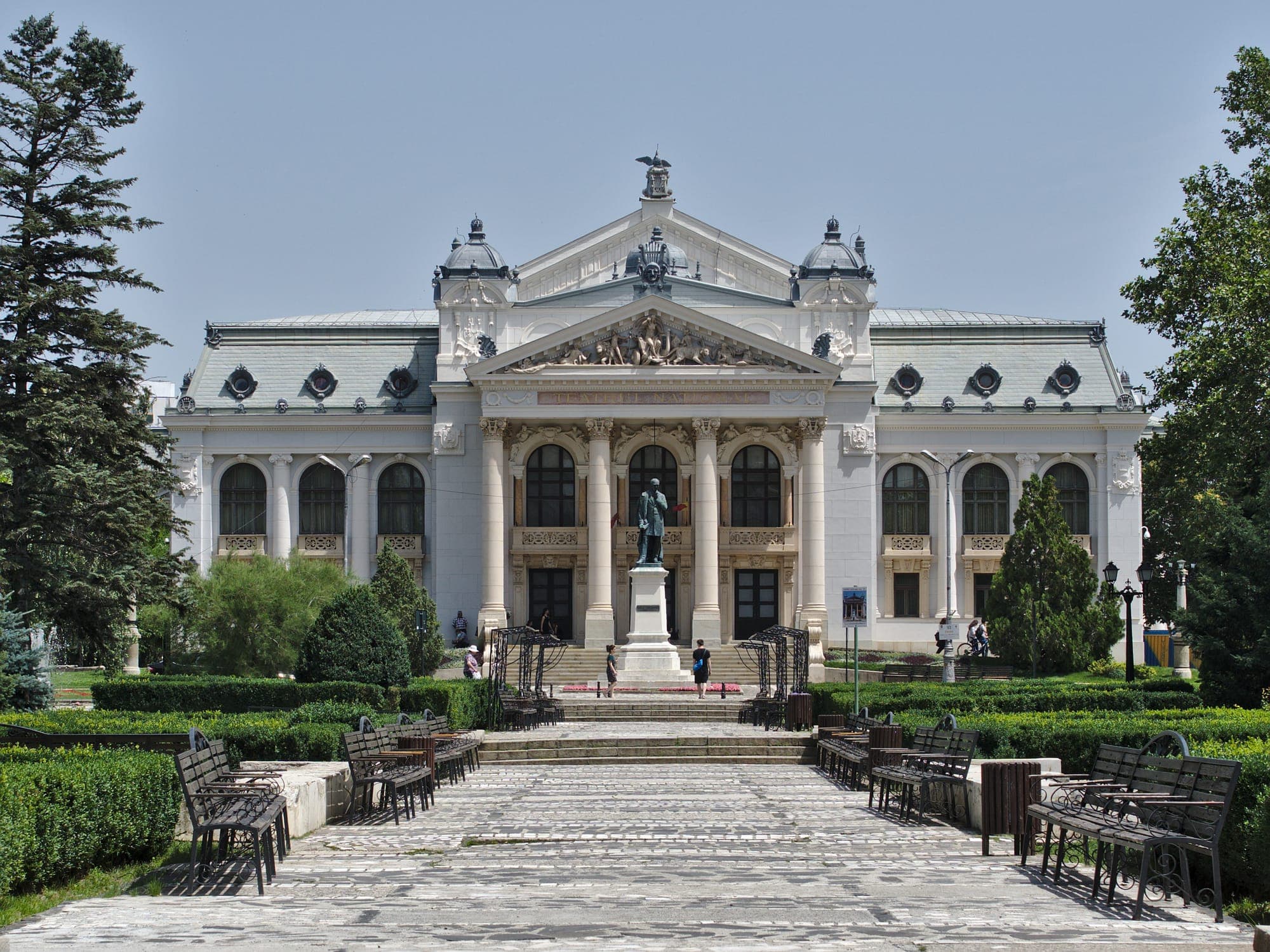
The Iași National Theatre building, designed by Fellner & Helmer and opened in 1896: an Ionic portico façade and a rococo auditorium with 740 seats, shared with the Romanian National Opera.
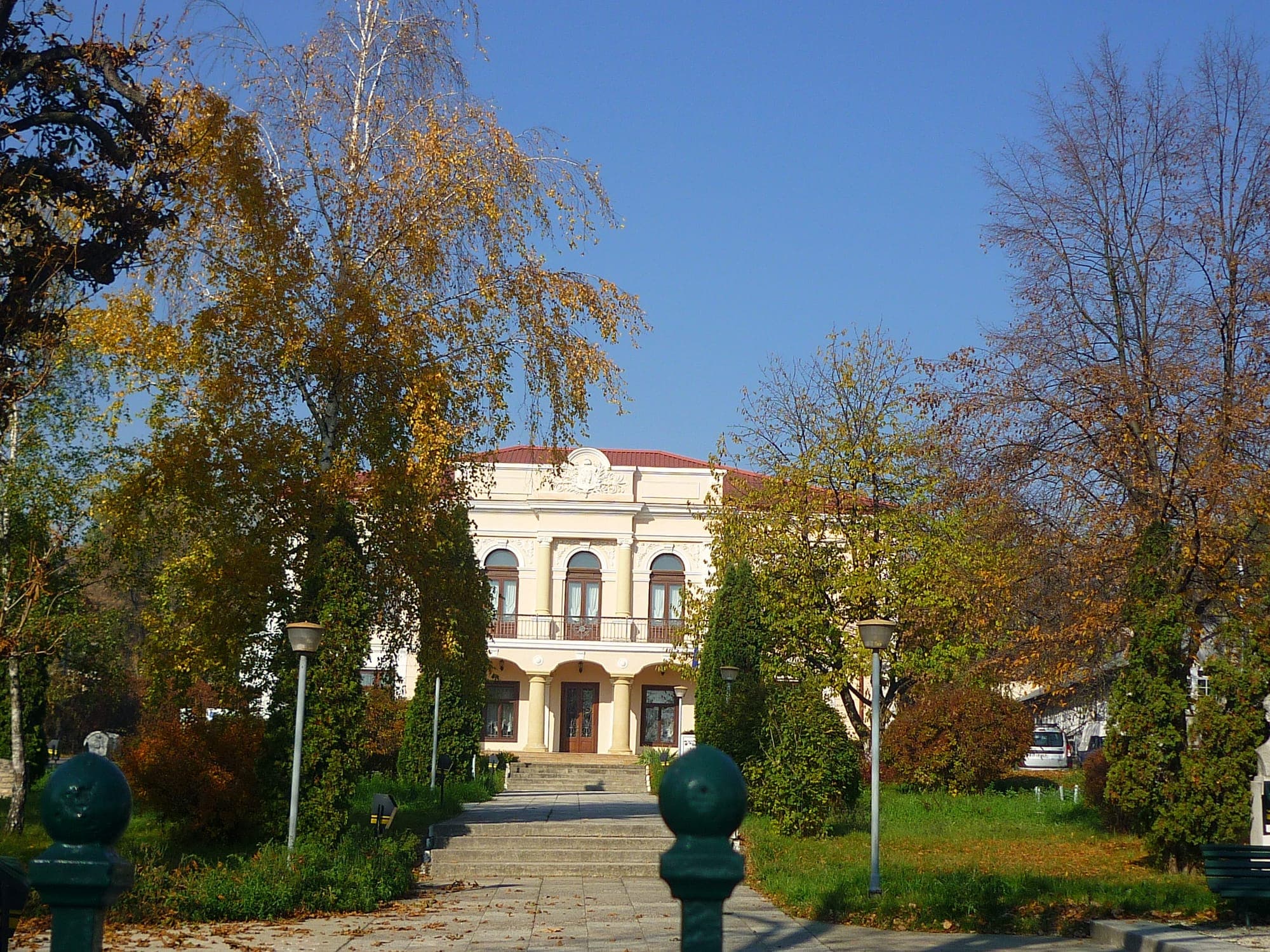
The house in Copou where the “Junimea” society met and the magazine “Convorbiri literare” was published. A museum since 1972, redesigned around Junimea, with interactive panels and art installations.

The seat of the Romanian Government in Victory Square, built between 1937 and 1952 to plans by Duiliu Marcu, in the simplified neoclassical style of the 1930s.

A monks' skete hidden among fir trees near Neamț Monastery, with a church of 1849–1857 painted on the outside too and the house of Metropolitan Visarion Puiu, where Mihail Sadoveanu lived, now a memorial museum.

A wooden church of around 1700, regarded as the oldest in Bihor County, with a slender shingle-clad tower, a porch on two sides and an iconostasis painted in 1780.

A small Saxon stronghold on the hill of a village at the end of the road, with four restored towers housing small museums of village life; winner of a Europa Nostra award in 2024.



