

Pharmacy History Museum
Sibiu, SB
A department of the Brukenthal National Museum, in an arcaded house on the Small Square, the former "At the Black Bear" pharmacy: the dispensary, the laboratory and a homeopathy collection of almost 3,000 pieces.
908 results
A department of the Brukenthal National Museum, in an arcaded house on the Small Square, the former "At the Black Bear" pharmacy: the dispensary, the laboratory and a homeopathy collection of almost 3,000 pieces.
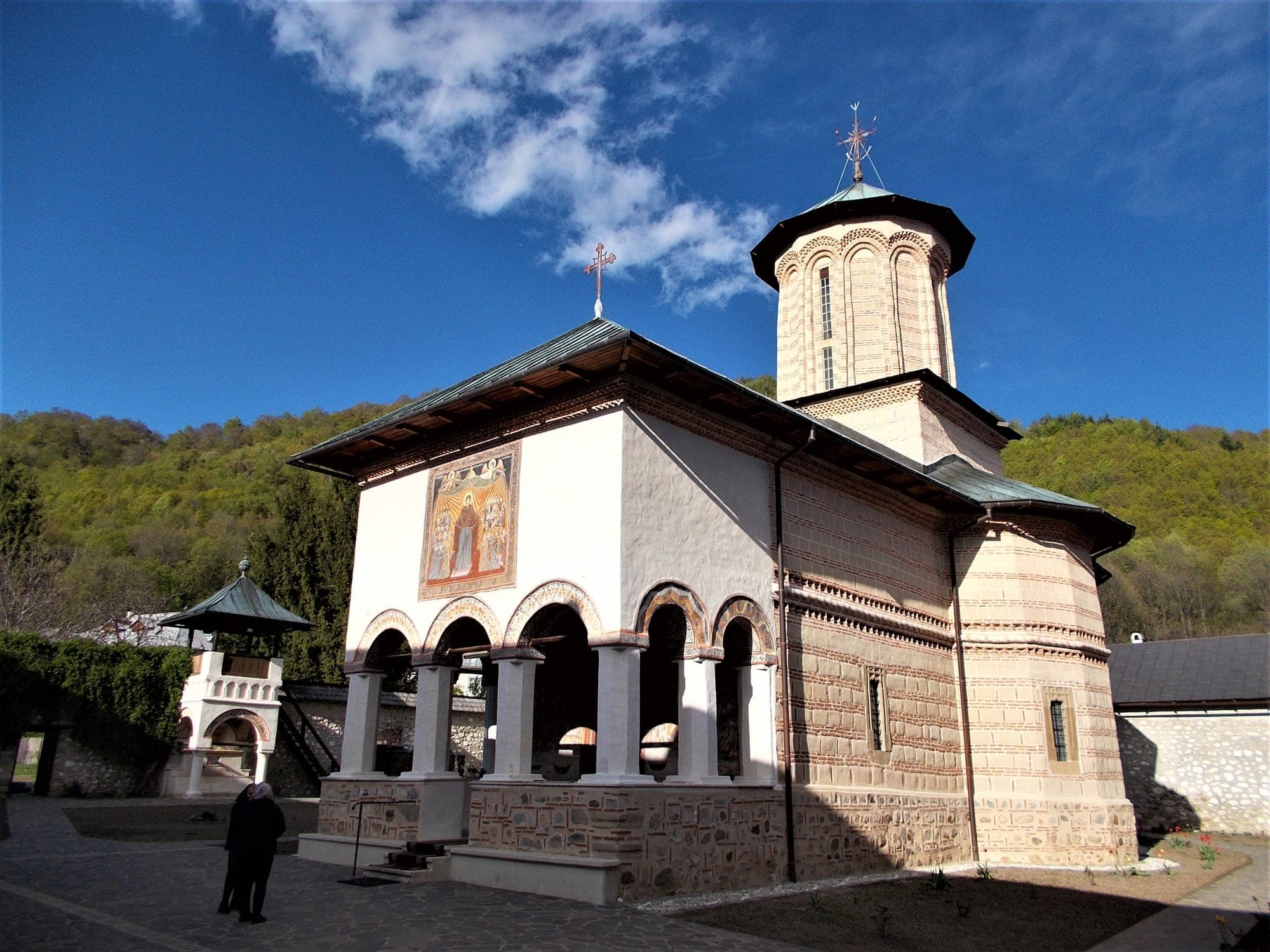
A convent at the foot of Piatra Polovragilor, with a church built in the 1640s by the logothete Danciu Pârâianu, a porch and bell tower from the time of Brâncoveanu, and a carved wooden gate.
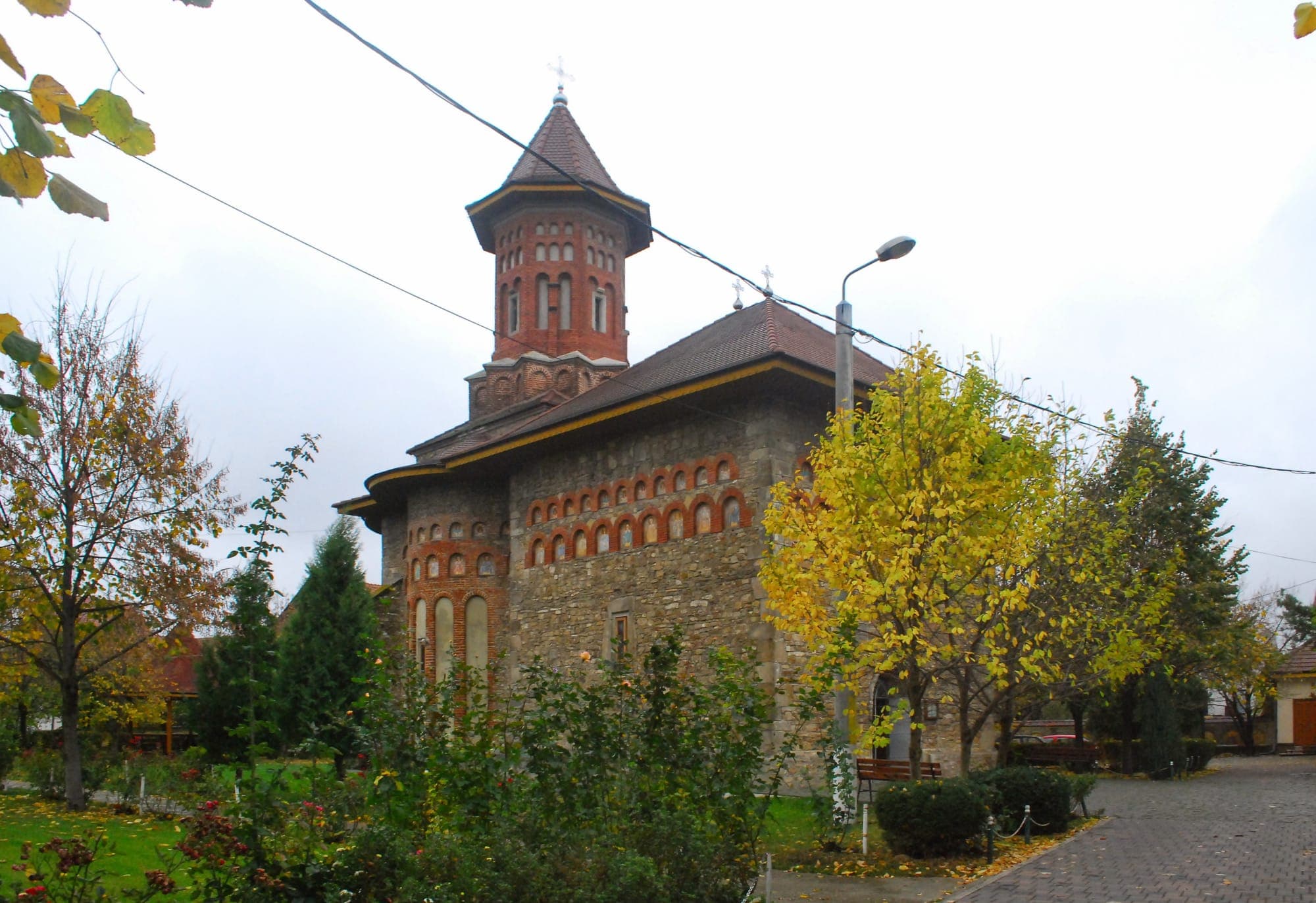
The church built in 1489–1491 by Alexandru, son of Stephen the Great, on 9 Mai Street in Bacău: a trefoil plan, an octagonal tower and rows of brick niches, next to the ruins of the princely court.

Peter Rareș's 1530 foundation and his family's burial place, with the fresco-painted church of St Nicholas inside fortress-like walls; a UNESCO site near Dolhasca.
A ski area at the foot of the Retezat Mountains, at about 1,200 m: a chairlift and two drag lifts, three runs of different difficulty, night skiing and, in summer, a mountain cart.
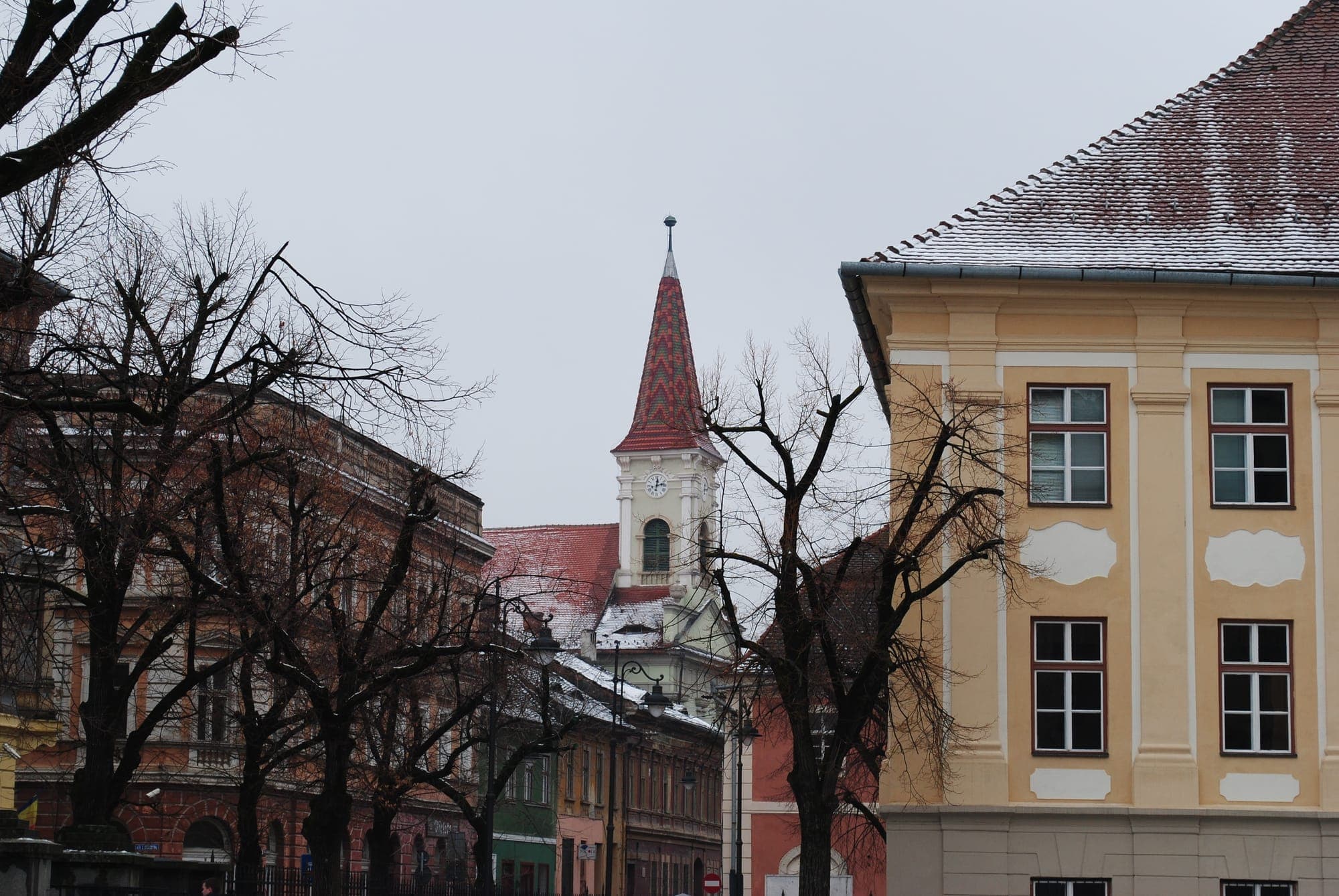
The Baroque church of the Reformed community, built in 1784–1786 in the Upper Town, with a clock bell tower, a Latin inscription of 1786 over the portal and a canopied pulpit.

The Monastery of St Anne in the Lăpuș Land, hidden in a beech and oak forest, where the monk and writer Nicolae Steinhardt lived and is buried, with a library of over 40,000 volumes.

The ruins of the Roman baths at Stolniceni, in the south of Râmnicu Vâlcea, between the Olt and the DN64: the remains of the major military centre of Buridava, a component of the UNESCO site "Frontiers of the Roman Empire – Dacia".

A Gothic church of the 14th–16th centuries, protected by a fortified wall with loopholes and a gate tower, in the centre of a village in Lower Ciuc. One of the largest medieval churches in the area.

A late Roman fort built in the 4th century north of the Danube, and its hypocaust baths, whose walls can be seen in the centre of Pietroasele commune, close to where the "Golden Hen with Chicks" treasure was found.

The most thoroughly excavated Roman site in the Banat: stone walls of the fort and traces of the civil town on the banks of the Timiș, in the village of Jupa near Caransebeș.
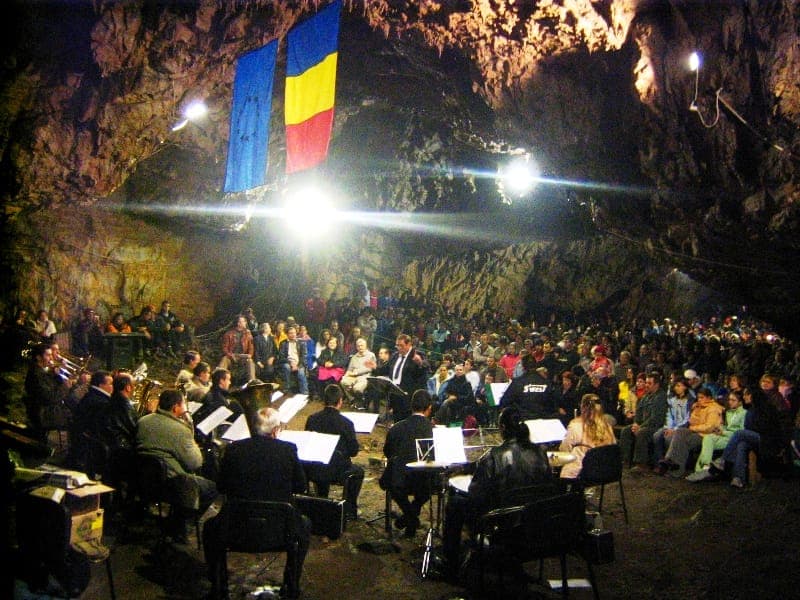
A cave with three levels and 1,450 m of passages in the Poiana Ruscă Mountains, with a wide entrance and a hall with good acoustics, where concerts have been held since the 1980s.
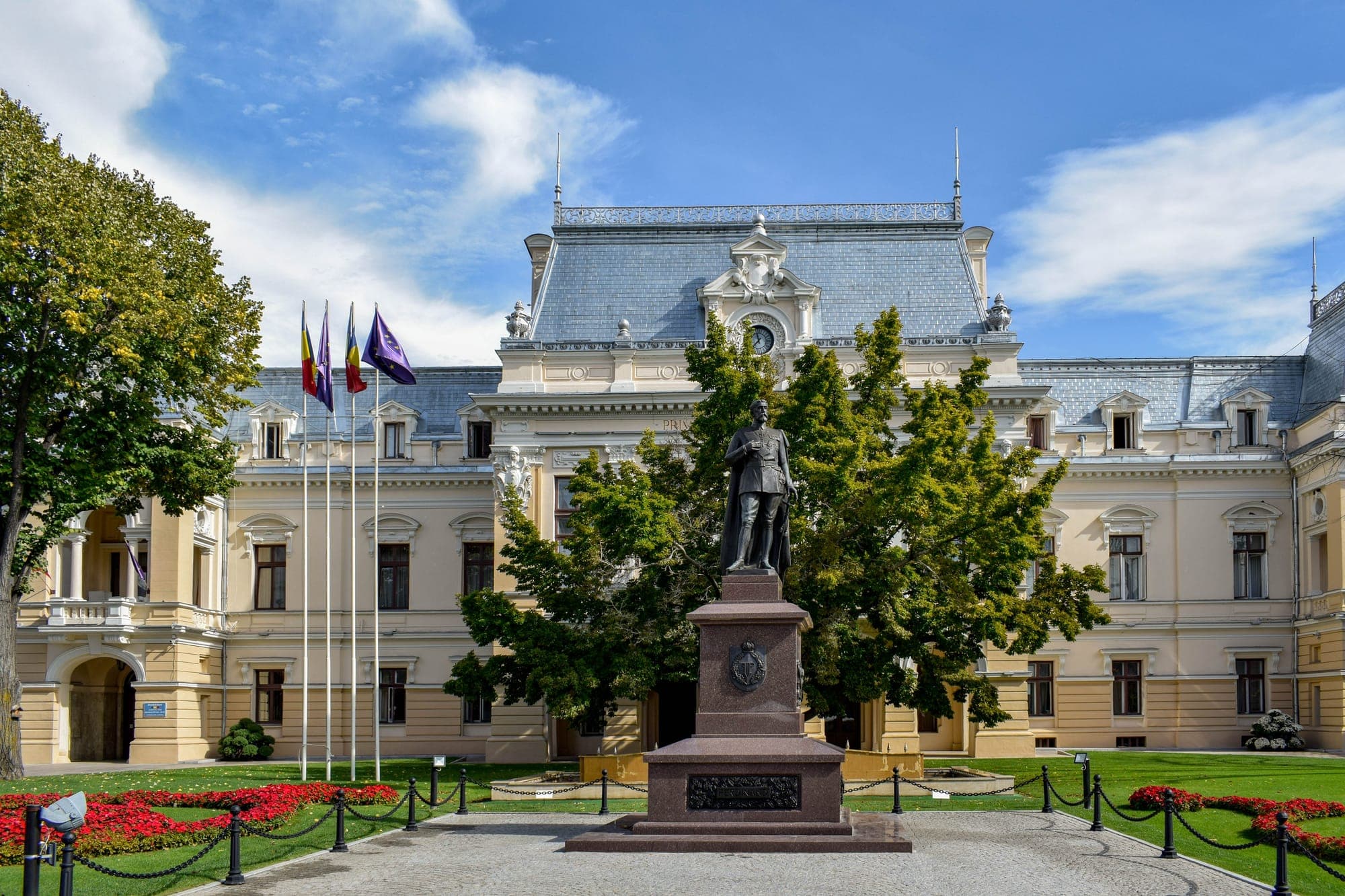
A Neoclassical palace rebuilt in 1830–1833 on Bulevardul Ștefan cel Mare și Sfânt, home to the Iași city hall; the façade can be seen from the boulevard, and the interior is visited by appointment.

A wooden church of 1802 (listed monument) on a hill in the village of Larga, with a bell tower with an open gallery and interior paintings of the Wheel of Life and the Last Judgment.

An 18th-century wooden church dedicated to Saint Parascheva, in the village of Ciocâltei in Roești commune, with an octagonal tower, a painted façade and a concrete bell tower at the gate.



