
Izvoare Mountain Resort
Desești, MM
A small mountain resort in the Igniș Mountains, at about 900 m, close to Baia Mare: short slopes with a chairlift and a drag lift, an artificial slope used all year, tubing and outdoor activities.
908 results
A small mountain resort in the Igniș Mountains, at about 900 m, close to Baia Mare: short slopes with a chairlift and a drag lift, an artificial slope used all year, tubing and outdoor activities.
A very deep cave in the southern Rodna Mountains, with gypsum flowers, mirabilite, the “Tăușoare balls” and cave bear bones; a reserve closed to ordinary tourism.
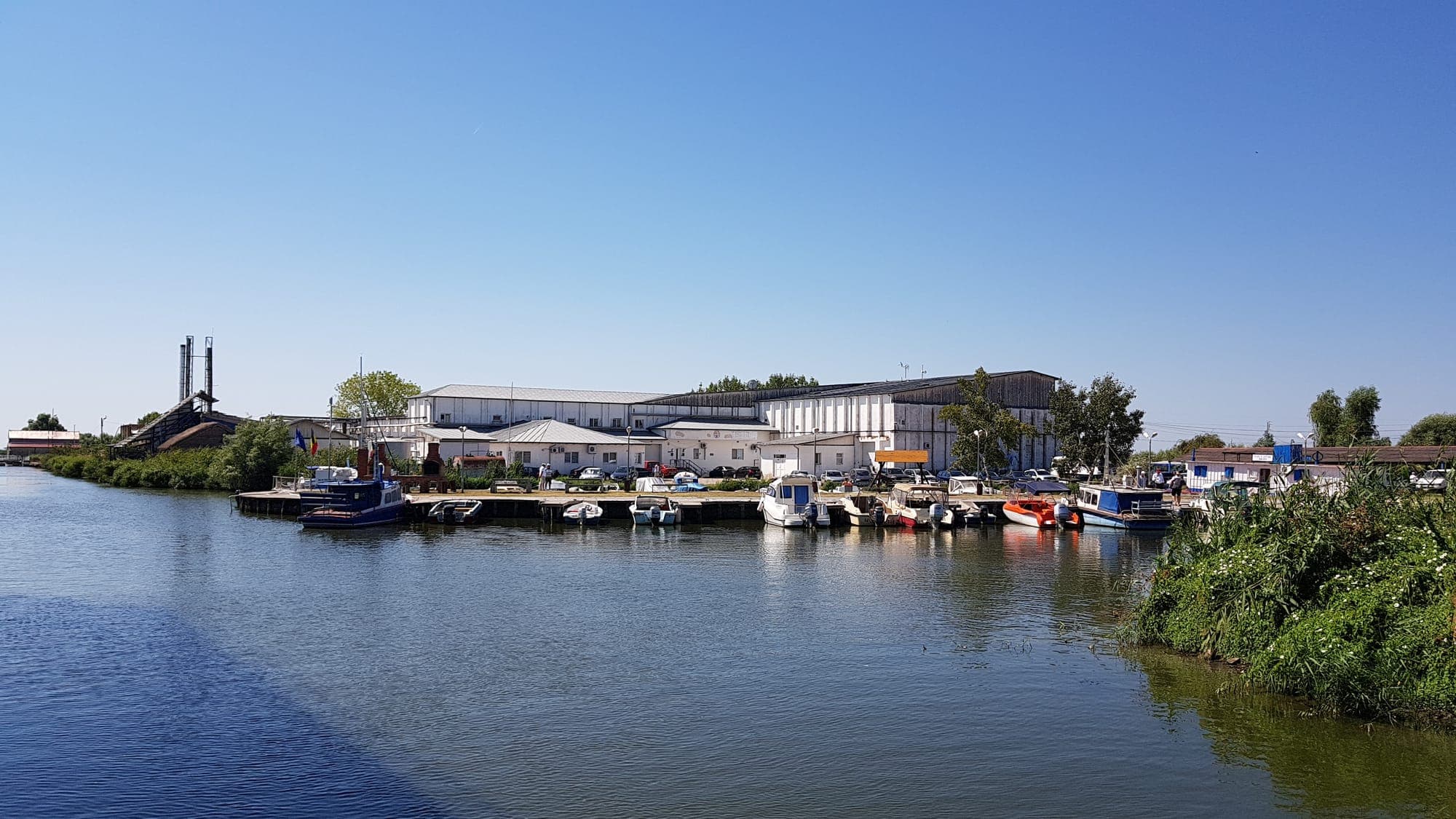
A Lipovan fishing village on the shore of Lake Golovița, in the south of the Danube Delta: a tourist harbour, white and blue reed-thatched houses and the boat departure for Gura Portiței.

A Brâncoveanu-style church of exposed brick, built in 1720–1722 on Calea Victoriei near Revolution Square, with an open porch on stone columns, two towers and the original painting in the porch.
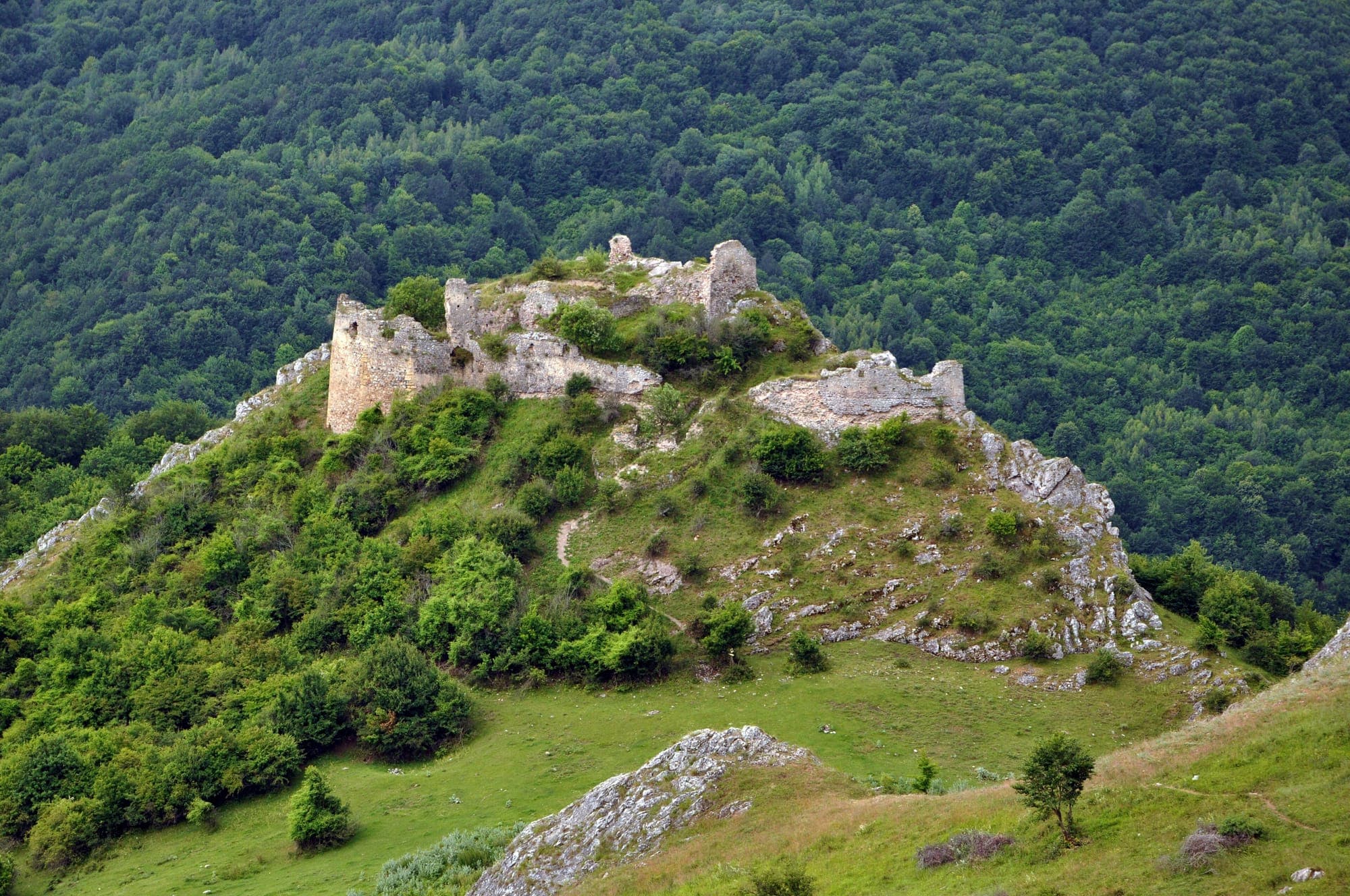
The ruins of a medieval royal castle, also known as Lita or Géczi, on a rock above the Iara valley. Footpaths lead from Liteni and Moara de Pădure.
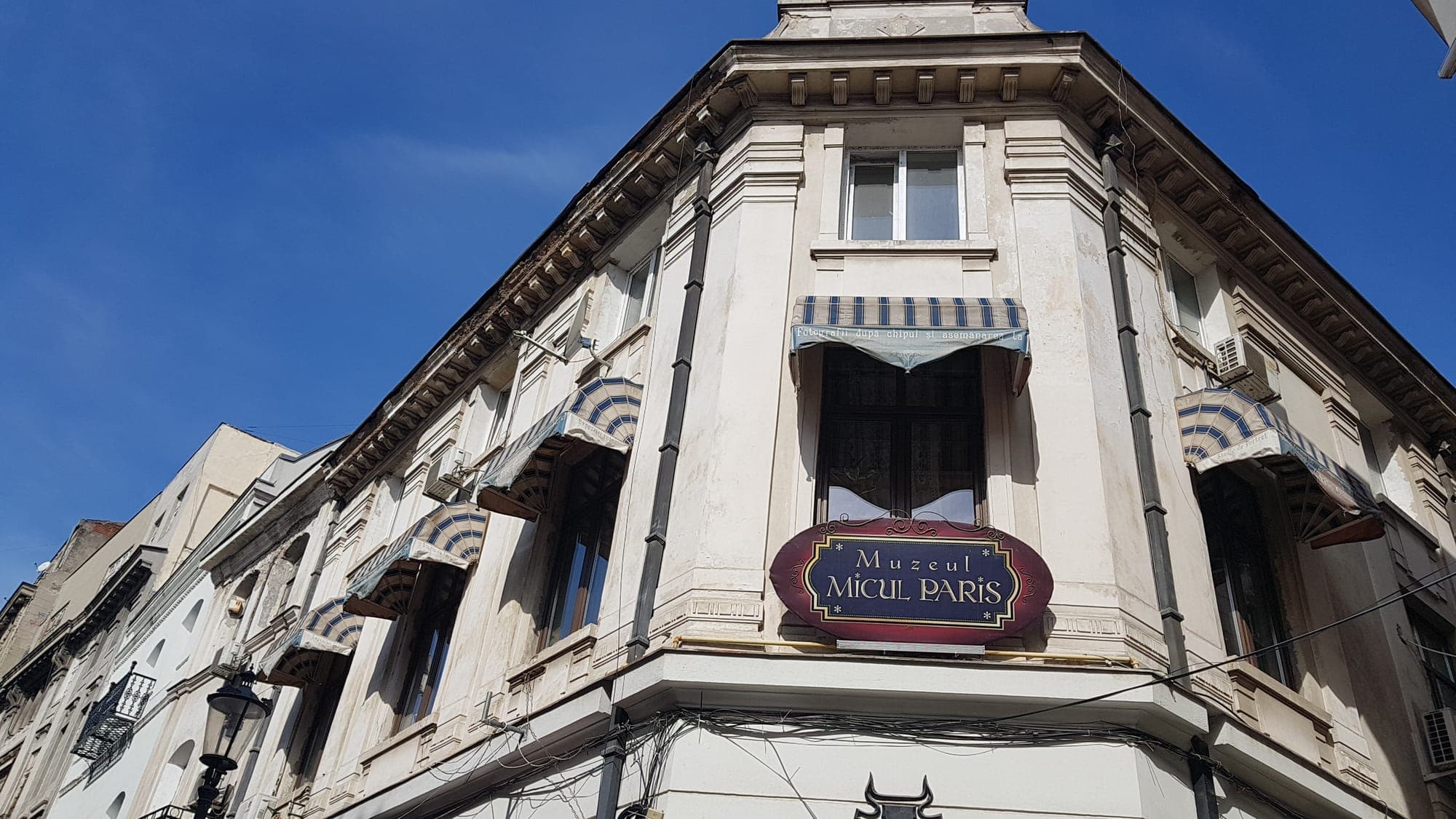
A private museum on Strada Lipscani, in a flat that recreates the home of a Bucharest family of old, with a French salon, an Oriental salon and more than 1,000 period objects.
The tourist area of the town of Negrești-Oaș, at the foot of Pietroasa Peak: the only ski slope in Satu Mare county, of intermediate difficulty, with a chairlift and floodlit skiing, plus waymarked trails to the Oaș Sphinx.
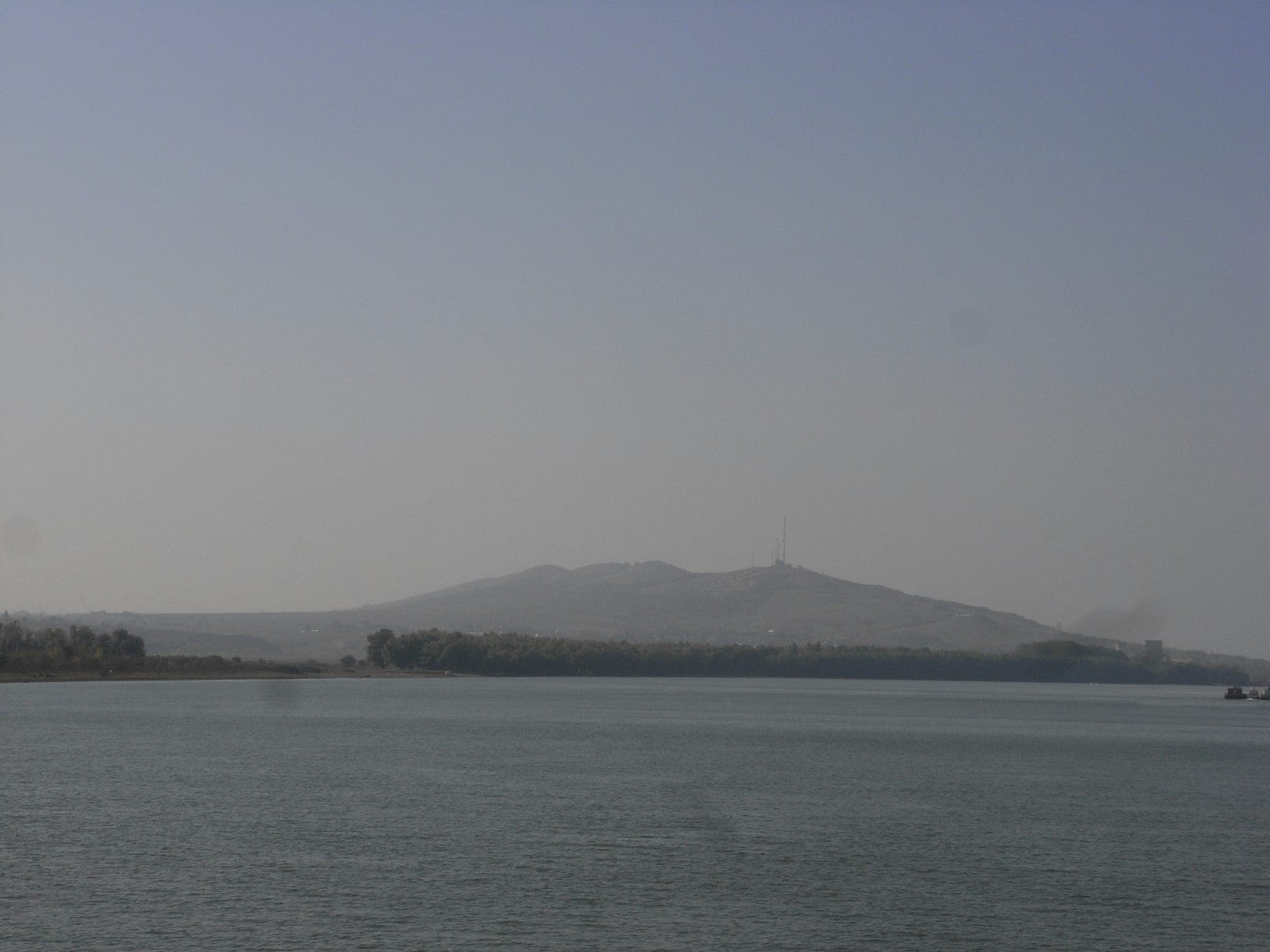
A Dobruja village on the bank of the Sfântu Gheorghe arm, ~31 km from Tulcea, with a Navrom landing stage, the ancient remains of Salsovia and the Beștepe hills behind it.
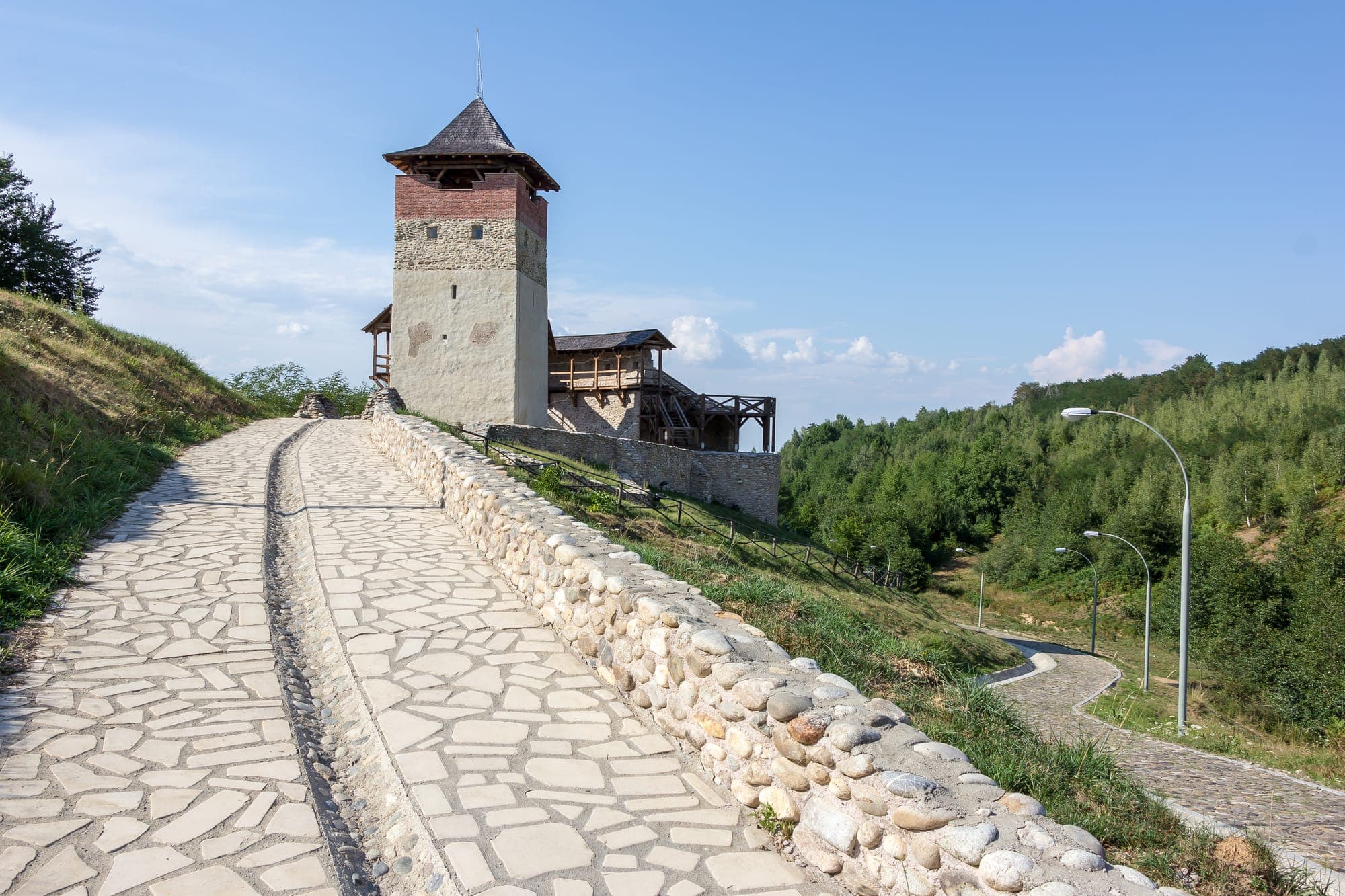
A 14th-century noble stronghold with a keep and a ring of stone walls, built by the knezes of Sălaș at the foot of the Retezat and restored after 2012.
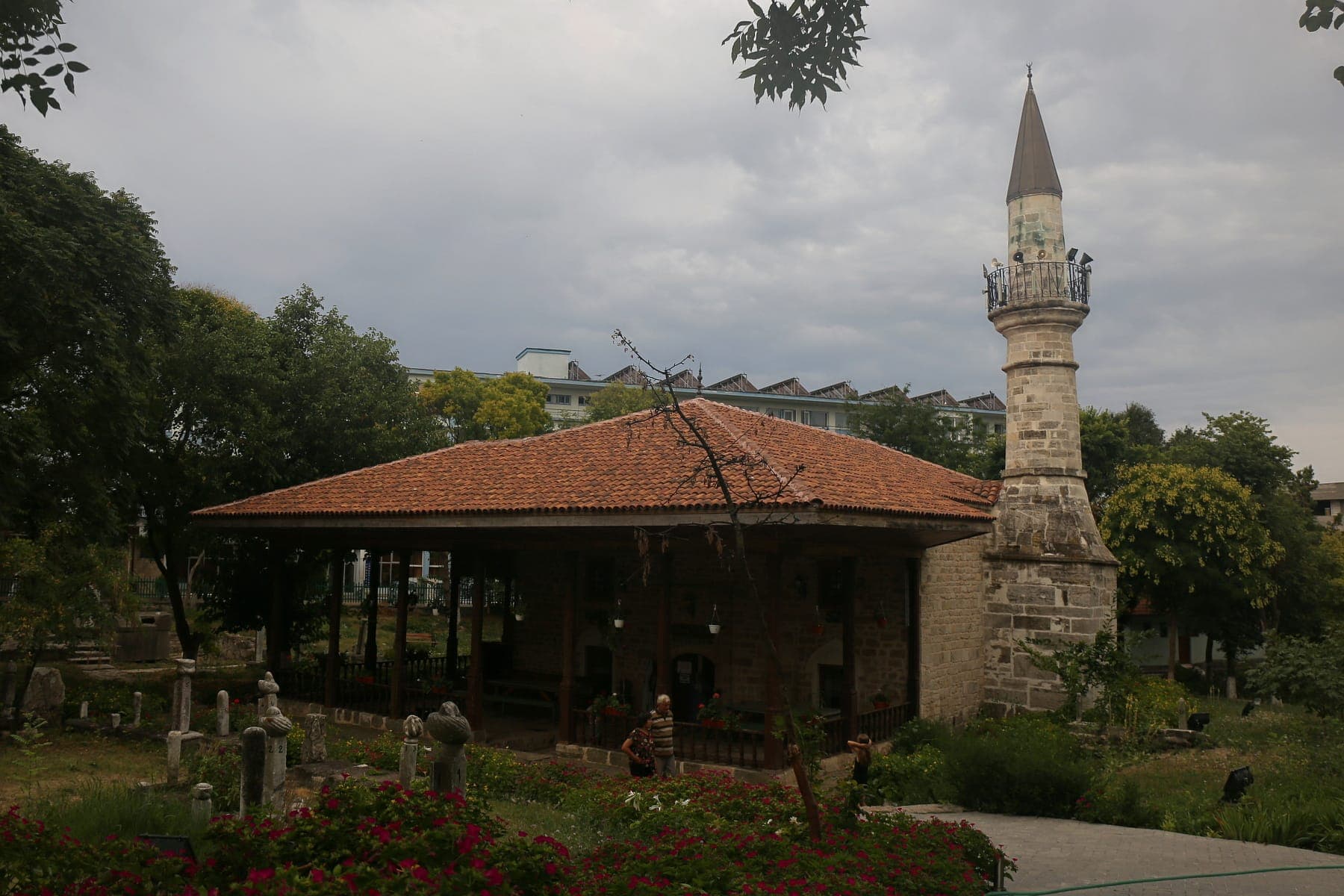
The town at the southern end of the Romanian coast: the 1575 Esmahan Sultan Mosque, the marina, the archaeology museum, the Callatis ruins and the seafront, in the same municipality as the Saturn–Olimp resorts.

The ruin of a Renaissance residence in Vințu de Jos, built by Cardinal Martinuzzi on the site of a Dominican monastery and remade as a fortress by Gabriel Bethlen; it is now fenced off and awaiting restoration.
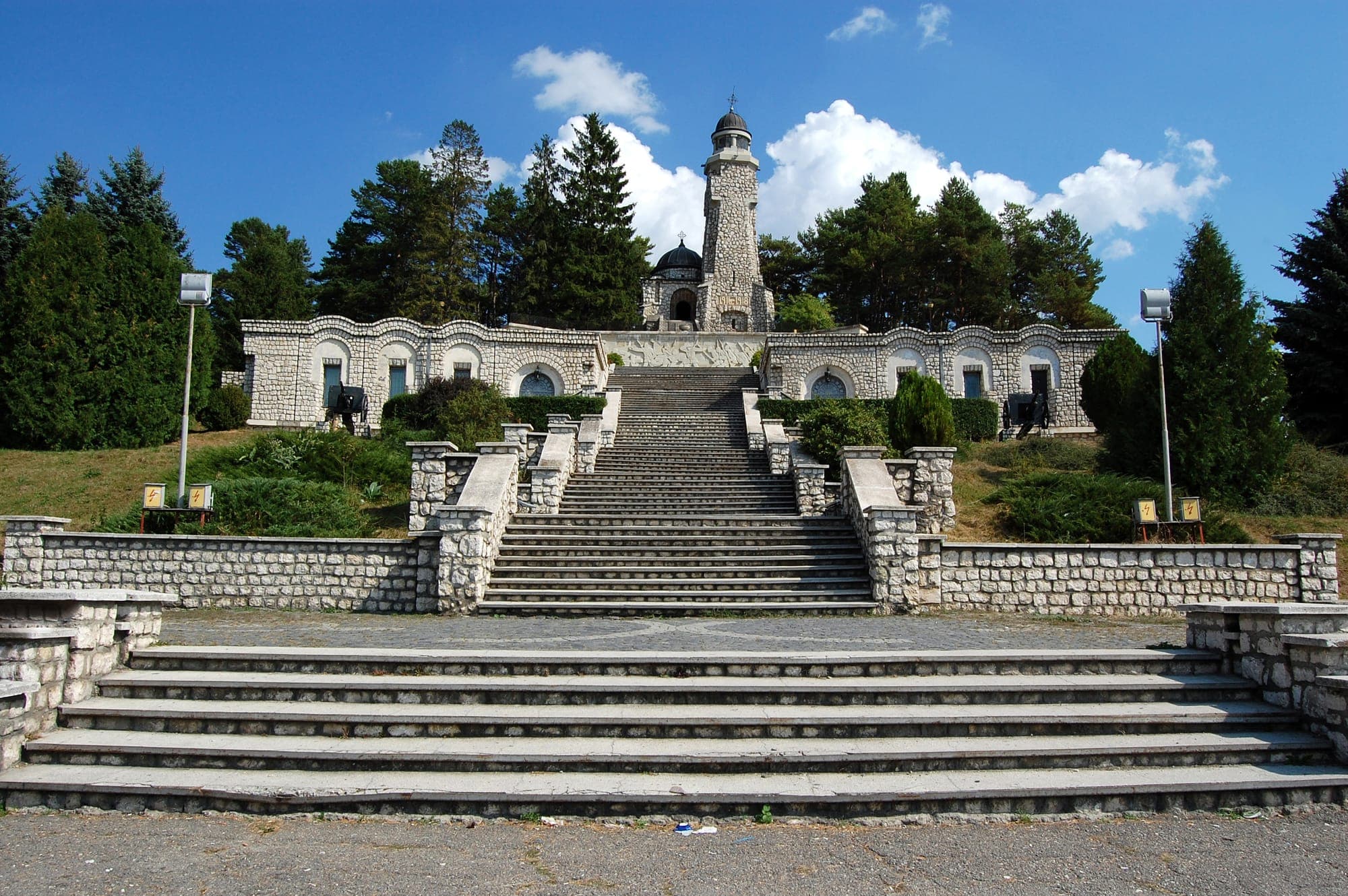
The First World War heroes' mausoleum on Mateiaș Hill, built between 1928 and 1935 beside the DN73 on the site of the autumn 1916 fighting, with an ossuary, a bas-relief and two museum rooms.

A palace in central Bucharest, built in 1911–1923 to plans by Dimitrie Maimarolu, with a façade of Corinthian columns, steps down to the Sărindar Fountain and richly decorated ceremonial halls.

The museum in the Baroque Palace on Union Square holds old European painting, Banat and Romanian art and the Corneliu Baba collection, in a building begun in 1754.

A foundation of 1648–1649 by Matei Basarab and Lady Elina on the bank of the Argeș: a three-towered church with 19th-century frescoes, restored with EU funds and reconsecrated in 2016.



