
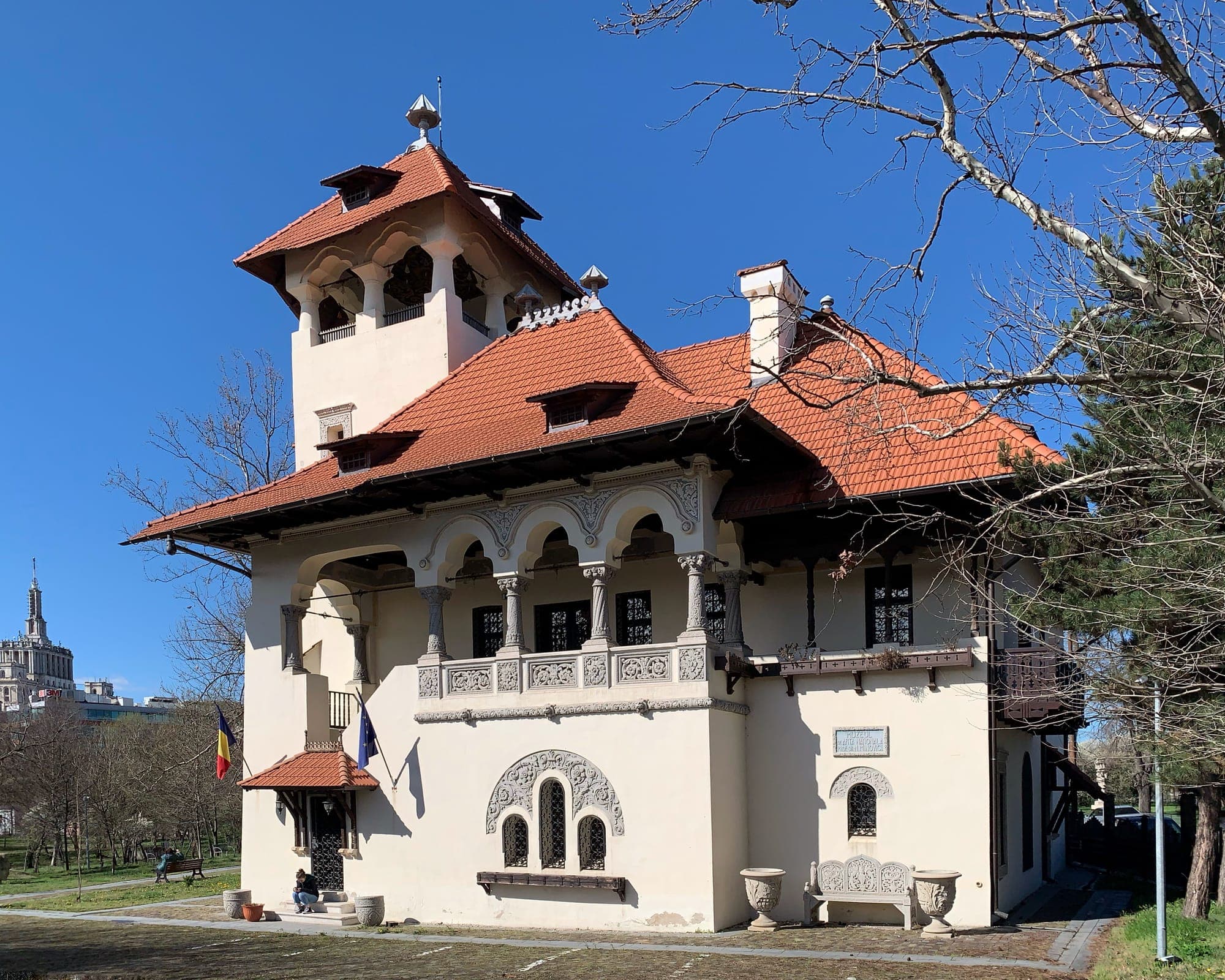
Nicolae Minovici Folk Art Museum
București
The Dr. Nicolae Minovici Folk Art Museum, also known as the Villa with Little Bells: a Neo-Romanian villa of 1905 that became Bucharest's first folk art museum.
908 results
The Dr. Nicolae Minovici Folk Art Museum, also known as the Villa with Little Bells: a Neo-Romanian villa of 1905 that became Bucharest's first folk art museum.
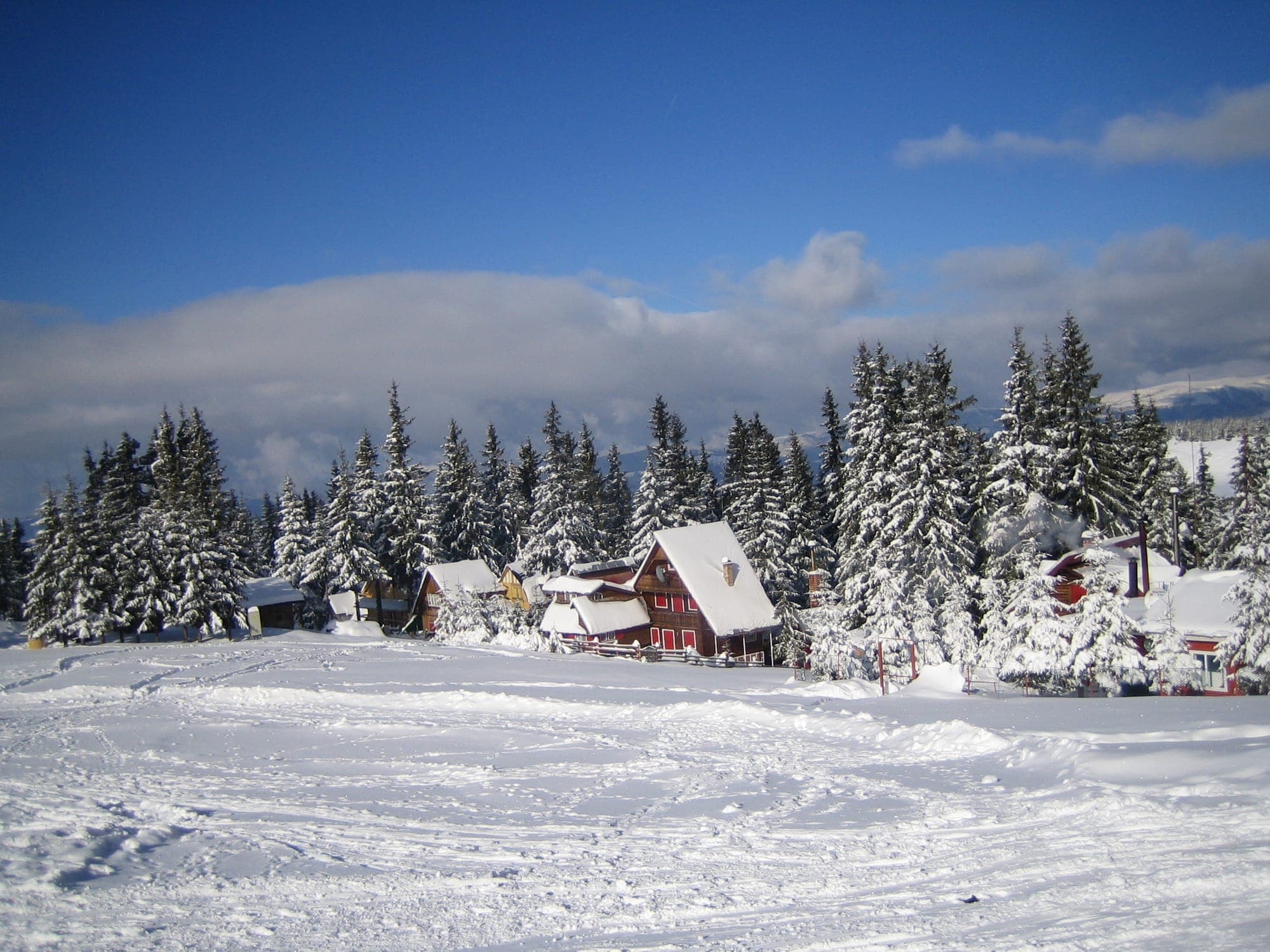
Petroșani's ski area in the Parâng Mountains: two chairlifts climb from the edge of town to the chalets below Parângul Mic, with slopes for beginners and for advanced skiers.
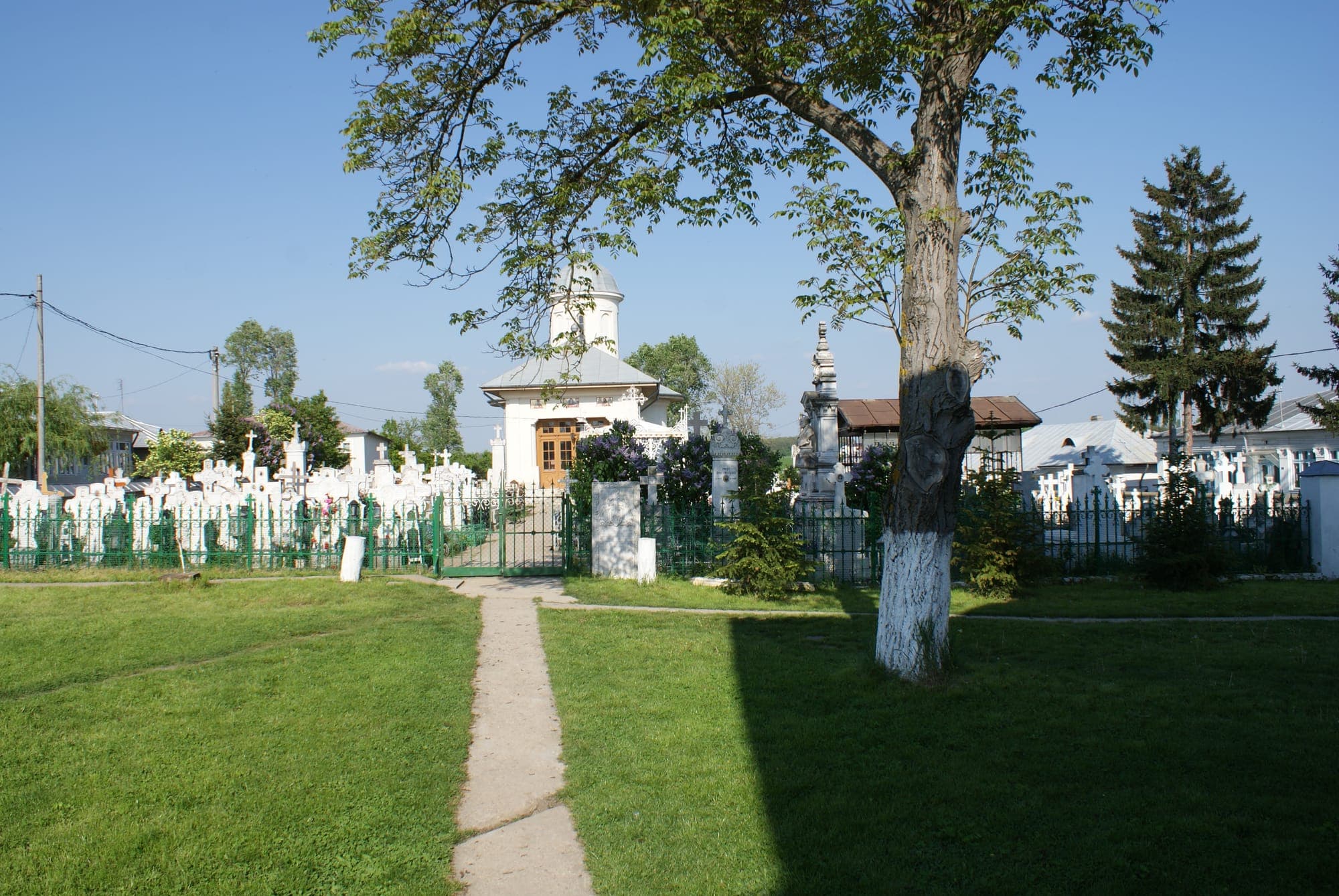
A convent founded in 1813 near Bucharest, with a great church built by St Calinic of Cernica, nuns' houses with verandas, a museum collection and a cemetery with artists' graves.
A cave closed to visitors in the Miniș valley near Anina, where some of the oldest modern human fossils in Europe, about 40,000 years old, came to light in 2002.
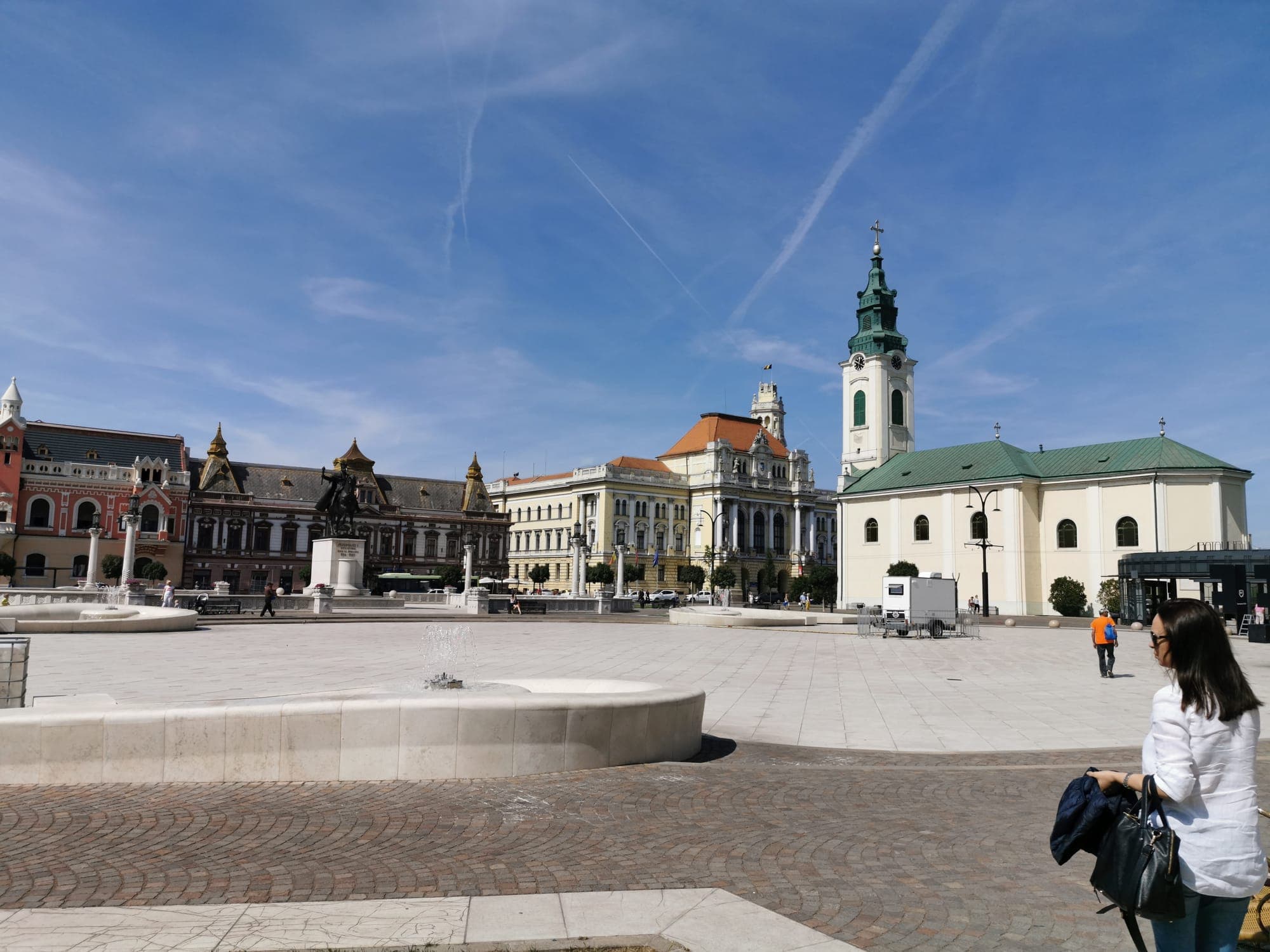
The central, pedestrianised square of Oradea, with the Town Hall Palace, the Black Eagle Palace, the Moon Church and the equestrian statue of King Ferdinand; in winter it hosts the Christmas market.
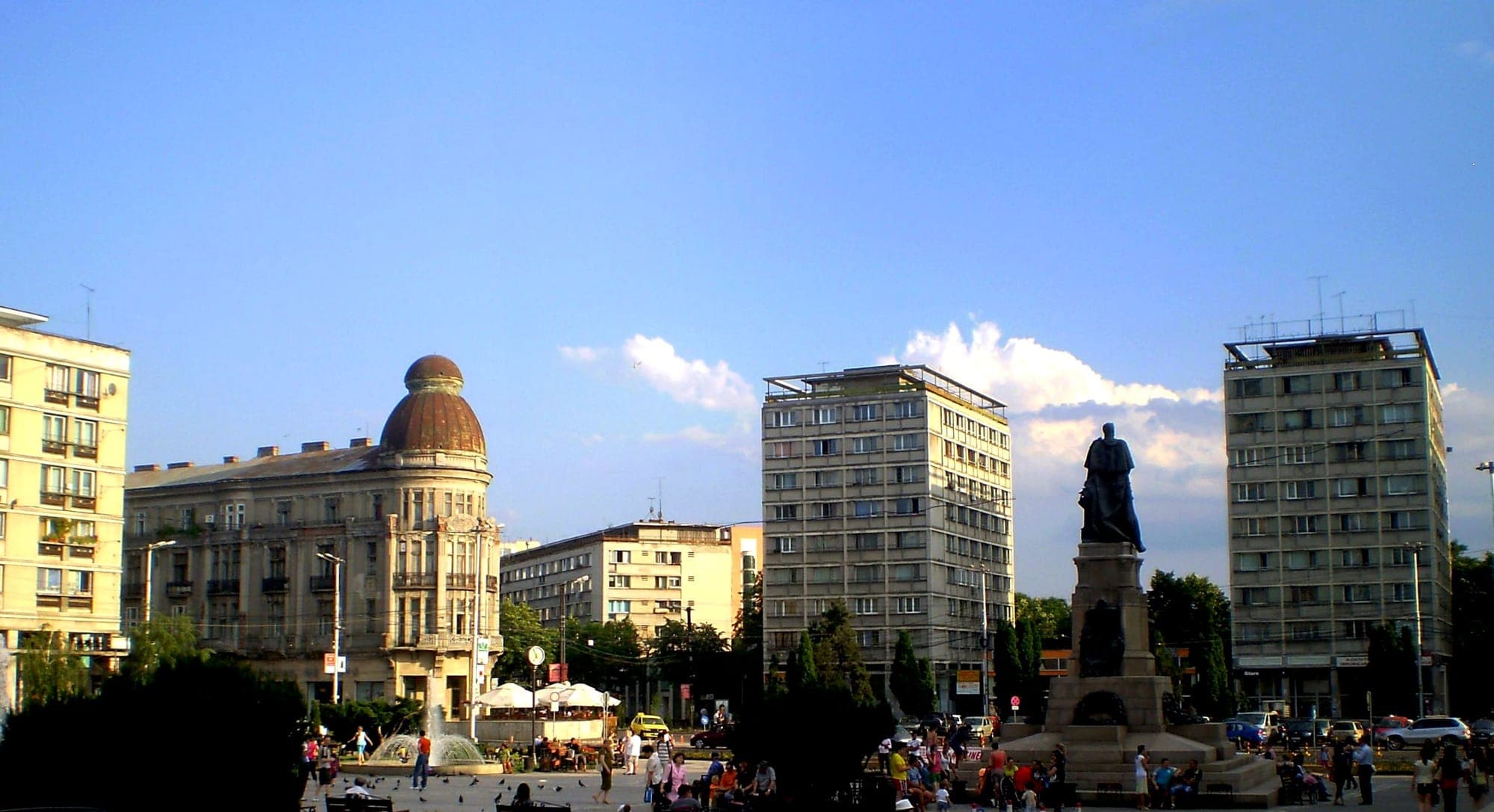
The square in central Iași where Ștefan cel Mare Boulevard, Lăpușneanu Street and Cuza Vodă Street meet, with the statue of Cuza unveiled in 1912 and the Braunstein Palace.
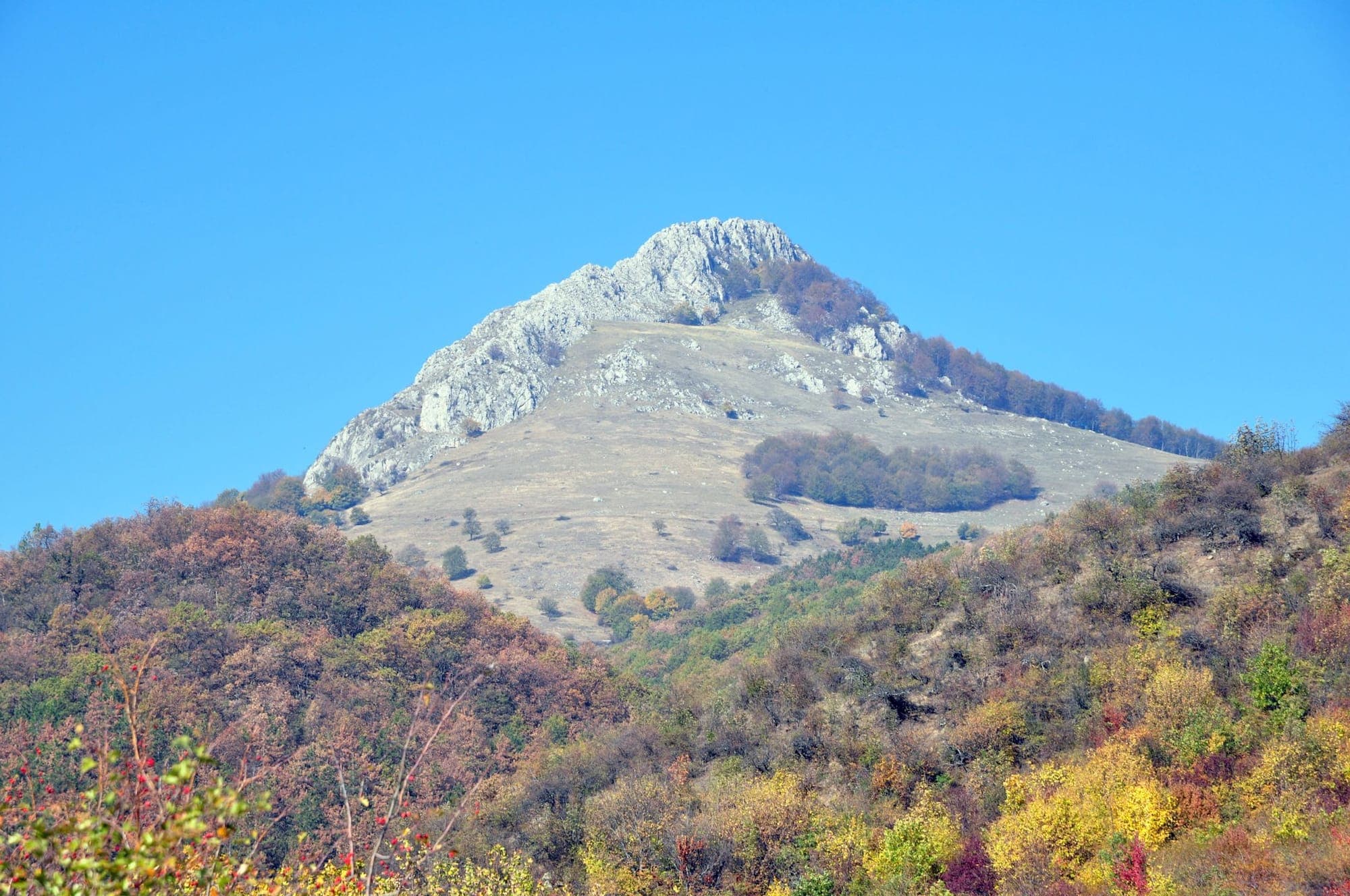
A Dacian fortress and settlement on a limestone spur in the Trascău Mountains, considered to be Apoulon: terraces cut into the rock, the ruins of a medieval castle on the summit and a panorama over the Mureș corridor.
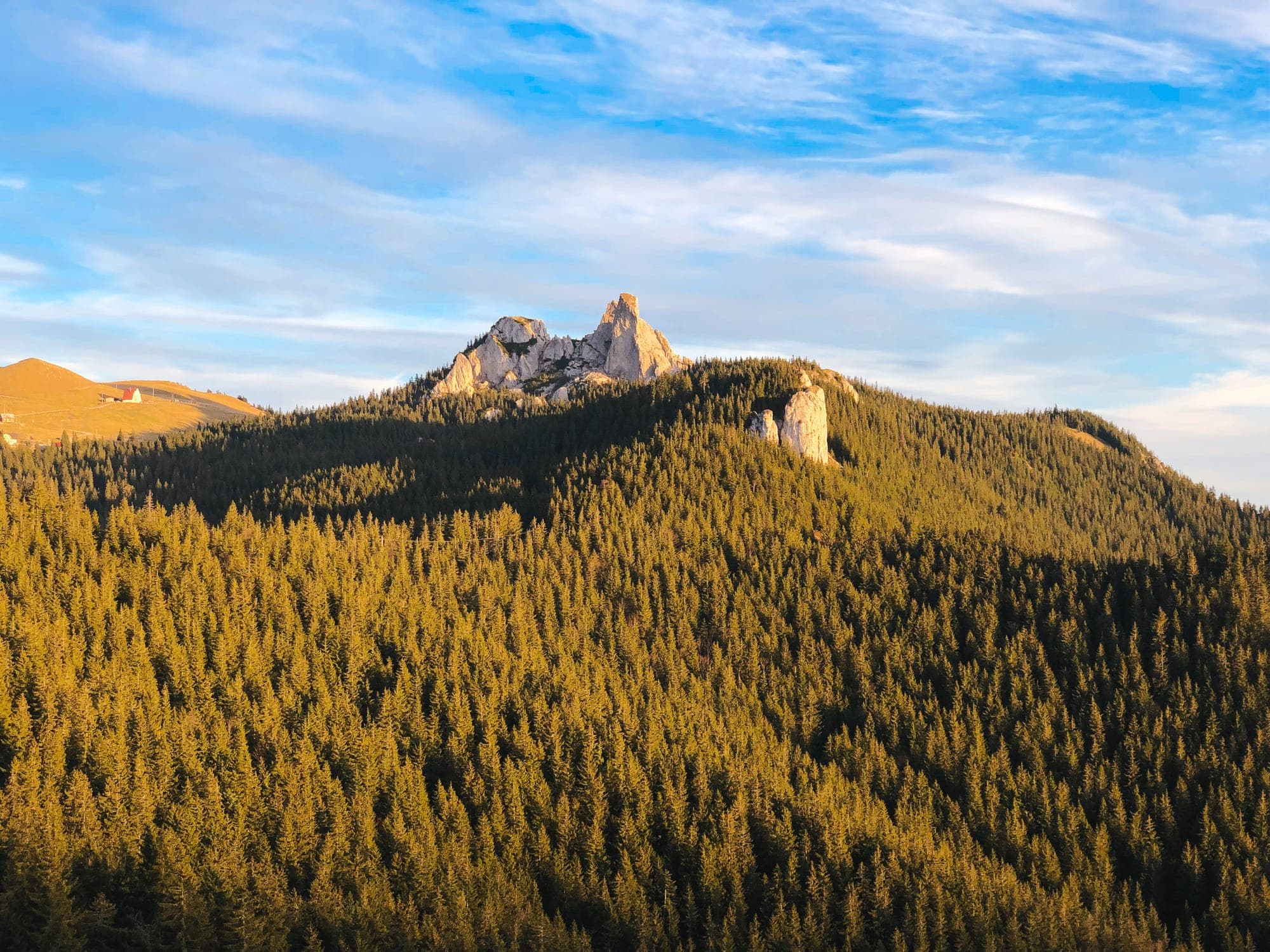
Limestone towers set with corals and ammonites, from under 10 m to over 70 m high, on the northern slope of the Rarău Massif. A short marked circuit leads to them from the Alpin Hotel.

An 18 m waterfall spilling down a limestone wall in the Țara Moților region, near the village of Nemeși in Vidra commune; a landscape reserve 500 m from the road to Avram Iancu.
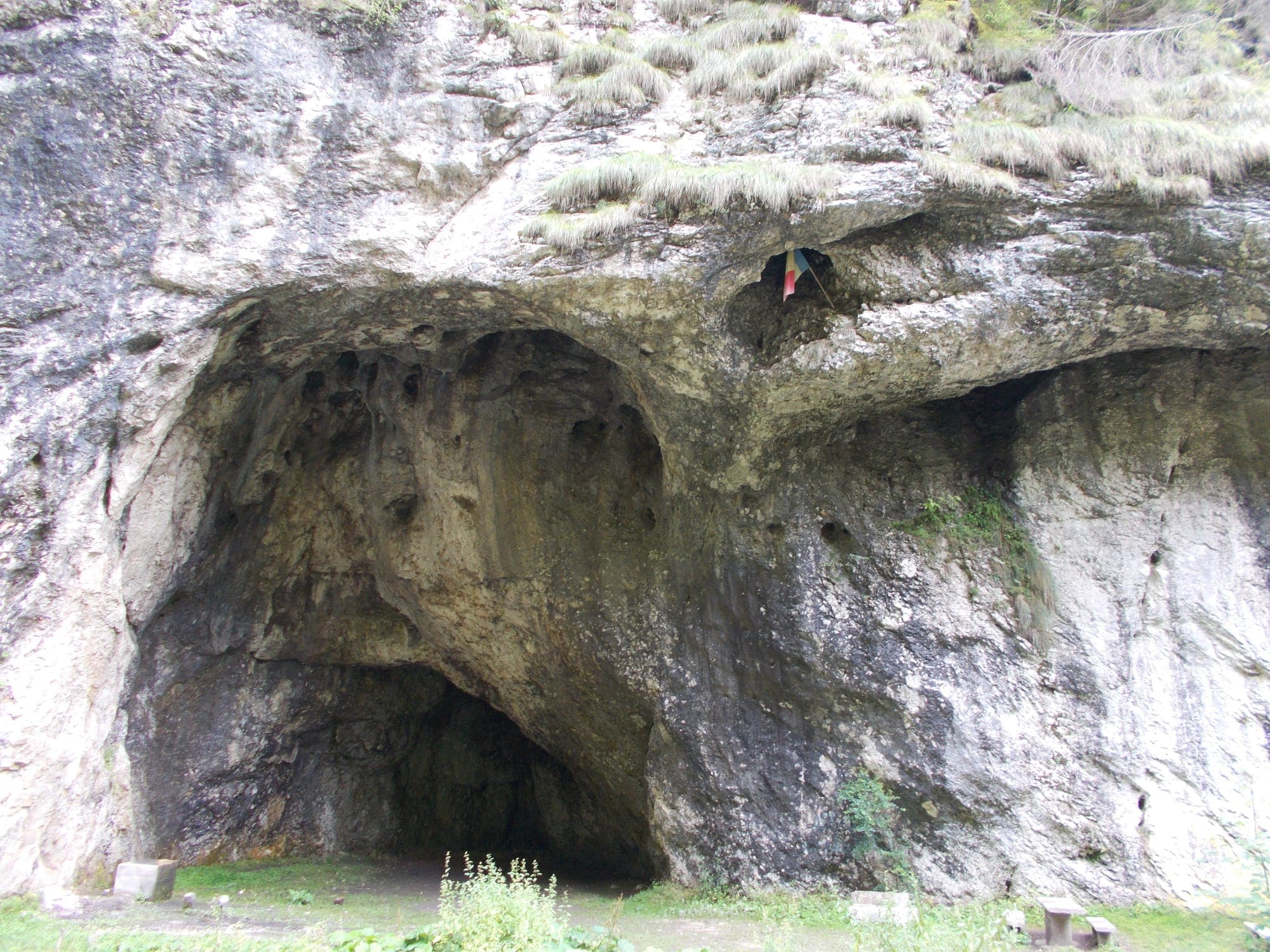
A show cave in the Ordâncușa Valley near Gârda de Sus, with a 22 m high entrance portal, a stream that runs through it all year and small tufa cascades right at the entrance.

A cave more than 10 km long, carved by the Olteț river into the limestone of the Olteț Gorge, with 800 m of gallery open to visitors and legends about Zalmoxis, a kilometre from Polovragi Monastery.

An Orthodox church in Sector 2, built in 1910–1918 to plans by Cristofi Cerchez, with a porch on eight columns, two towers and interior painting redone after the 1977 earthquake.
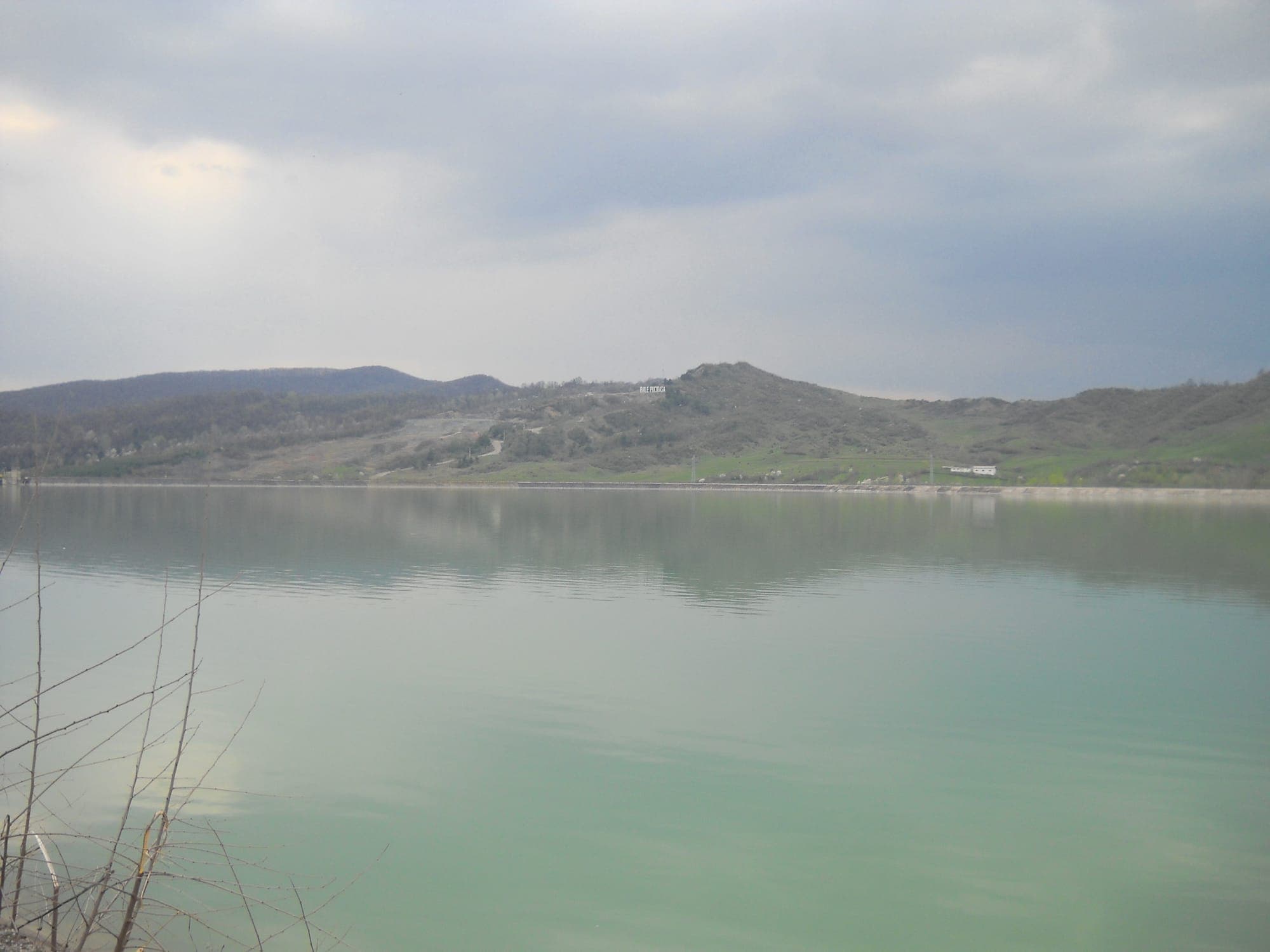
A spa and climatic resort in the Ialomița valley, with sulphurous waters discovered in 1828, treatment centres, a historic park in the centre and a reservoir lake with wild ducks.

Petru Rareș's 1542 foundation, with the church of St Nicholas painted on the outside too and enclosed by stone walls with a tower; restored with PNRR funds and handed over in May 2026.
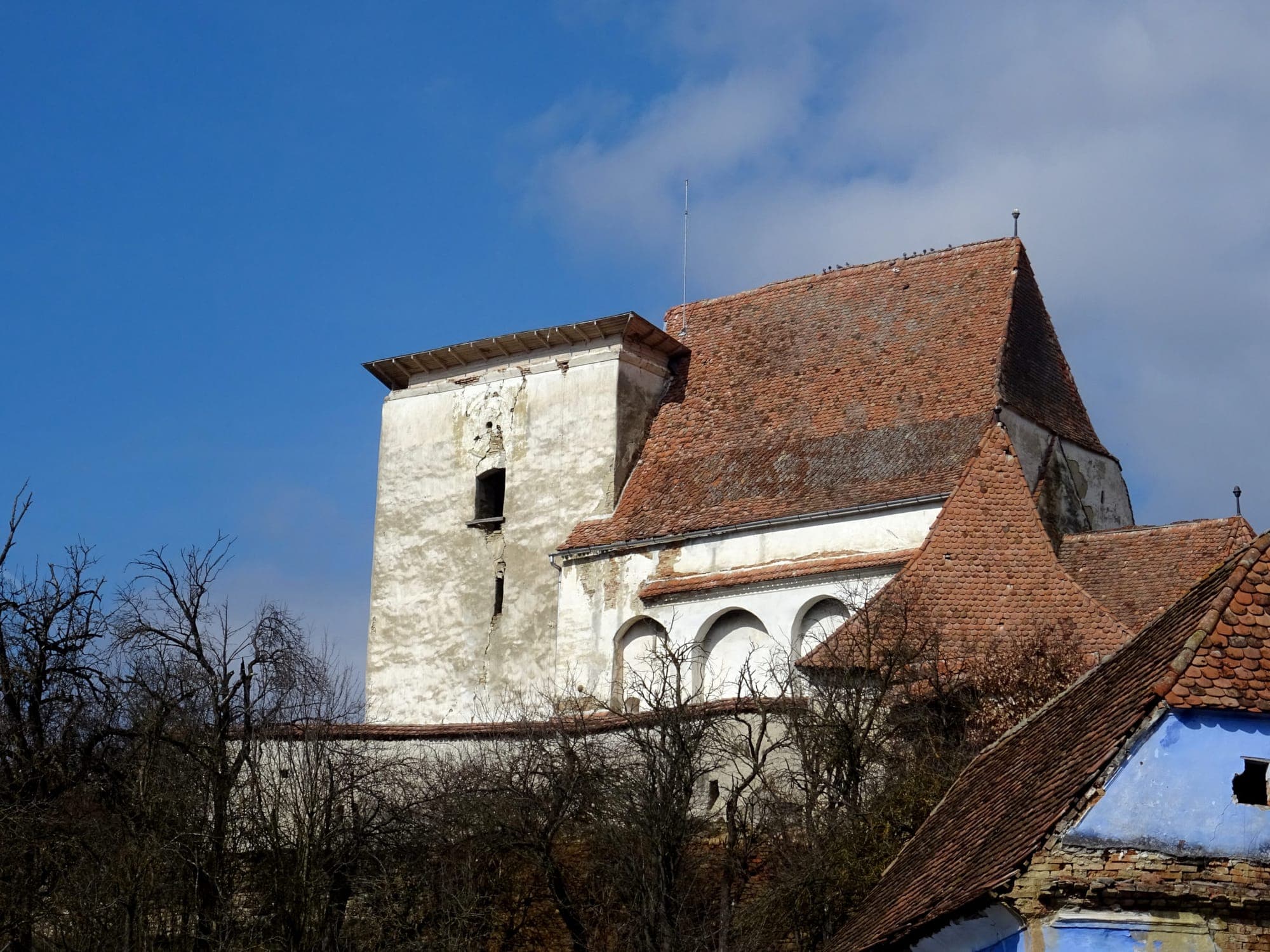
A Gothic Evangelical church of the 14th to 16th centuries, with an oval enclosure and three surviving towers; the church tower partly collapsed in 2016 and restoration is under way.



