
Cioclovina Cave
Cioclovina, HD
A karst reserve in the Șureanu Mountains: a 6.7 km underground traverse along the Ponorici stream and the fossil cave where the roughly 33,000-year-old “Cioclovina 1” skull was found; access for authorised cavers only.
908 results
A karst reserve in the Șureanu Mountains: a 6.7 km underground traverse along the Ponorici stream and the fossil cave where the roughly 33,000-year-old “Cioclovina 1” skull was found; access for authorised cavers only.

A park of about 26 hectares in Sector 2, laid out in 1961 on a former clay pit, with a lake of lotus and pond turtles, next to the Globus Circus.
A cave with white and reddish calcite formations above the village of Cloșani, an underground laboratory of the Emil Racoviță Institute of Speleology since 1959; closed to the public, entry only with the institute's approval.
A cave in the Sighiștel Valley, in the Bihor Mountains, with charcoal cave drawings some 32,000–36,000 years old, considered the oldest in Central Europe; closed to the public.

Steep gneiss mountains above the Olt Gorge, with Cozia Peak at 1,668 m, a chalet on the ridge and ancient beech forests on the UNESCO World Heritage List.

A Saxon church fortress in the Burzenland, near Brașov: a 19th-century Neoclassical church ringed by a double medieval wall with eight surviving defensive towers.

An Oltenian fortified tower-house from 1812–1827, with a massive ground floor and a decorated veranda, built by the Măldărescu family and bought in 1910 by I.G. Duca; now part of the Măldărești Museum Complex near Horezu.

The house of Alexandru Ioan Cuza's parents, now the first house museum founded in Galați (1939), reopened in 2024 after restoration, with an exhibition on the ruler of the Union and on Galați between 1850 and 1930.

The Secession villa of the industrialist Imre Darvas, designed by the Vágó brothers in 1909–1912, now houses Romania's first Art Nouveau museum, with period interiors and a garden.
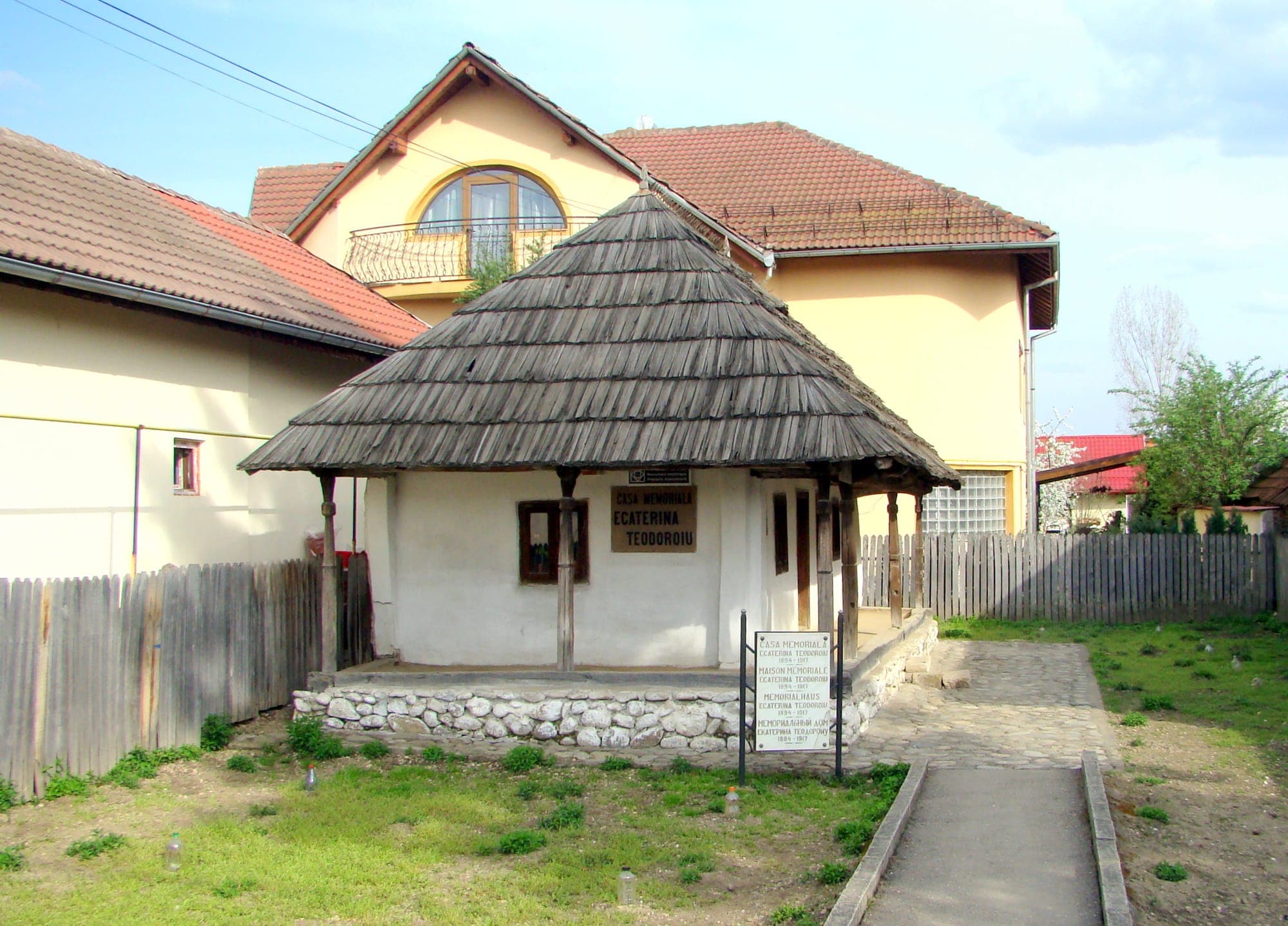
The family house in Vădeni, now a district of Târgu Jiu, where Ecaterina Teodoroiu, the “heroine of the Jiu”, was born. A memorial house since 1938, with personal belongings, documents and photographs.
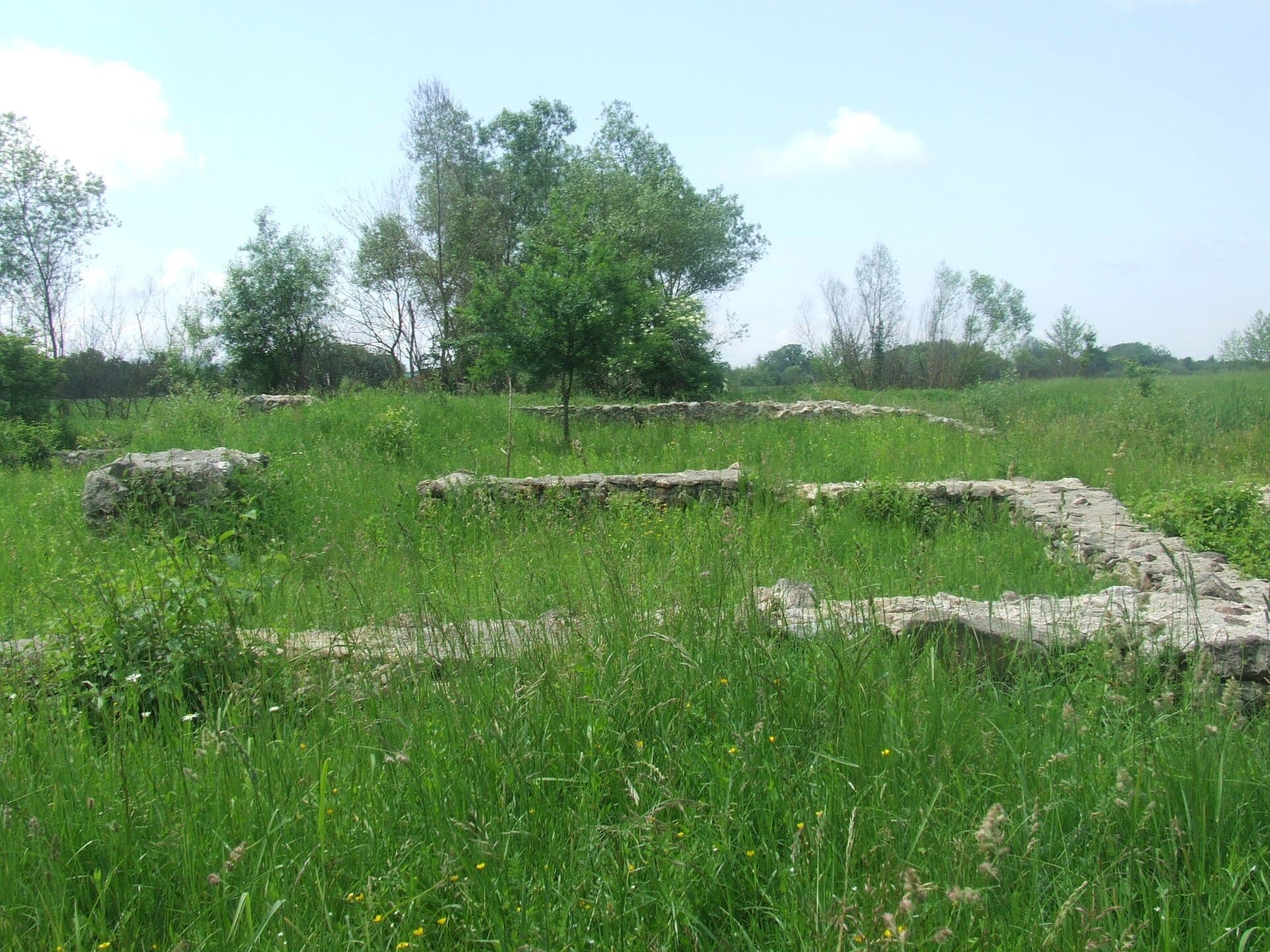
Foundations and low walls of a 16th–17th-century fortification in a grassy area in northern Făget.

The youngest botanical garden in Romania, on 18 hectares above the Danube: a rose garden with thousands of roses, a Japanese garden with a lake, a sensory garden and plant collections from five continents.

The oldest kula of the Măldărești museum complex, a boyar tower from the 16th century completed in the 18th, with arcaded porches and an upper floor laid out as an Oltenian minor boyar's court.

Two tracts of primeval beech forest on the slopes of the Țibleș Mountains, Izvorul Șurii and Preluci, on the UNESCO World Heritage List since 2017, with trees two to three centuries old and bears, wolves and lynx.
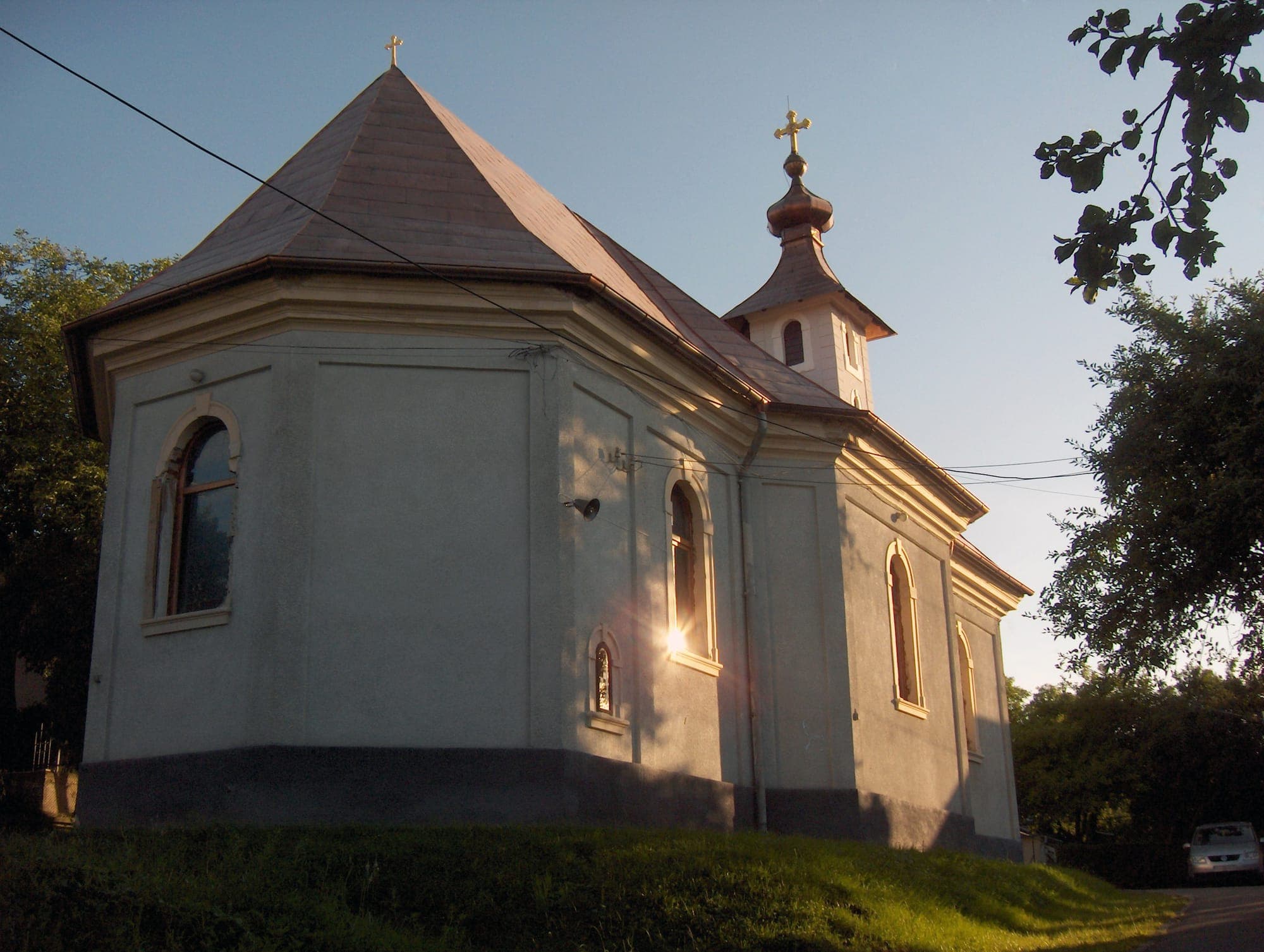
Cluj's first Orthodox church, a Baroque building of 1795–1796 with an octagonal nave, an iconostasis painted in 1796 and a churchyard with an old Orthodox cemetery.



